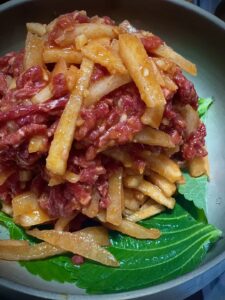
Taking a cooking class in Seoul is one of the few activities that lets you eat well and take something home: the recipes. Most Korean cooking classes in Seoul run 2 to 3 hours, teach two or three classic dishes such as bulgogi, japchae, bibimbap or kimchi, and end with you sitting down to eat what you made. Below we compare the classes running in 2026, with menus, prices, locations and tips for choosing one.
Cooking Class Seoul at a Glance
- Typical price: about US$80 to $110 (roughly ₩120,000 to ₩150,000) at studios and market-tour classes. Small home classes can cost less.
- Length: 1.5 to 3.5 hours, including the meal.
- What you cook: usually 2 or 3 dishes, often bulgogi, japchae, bibimbap, jeon (savory pancakes), kimbap, tteokbokki or kimchi.
- Where: mostly central Jongno and Bukchon, Mangwon in Mapo-gu, and around Dongdaemun.
- Language: the classes below are taught in English.
- Book: on the school’s website or through Klook, Viator, GetYourGuide, Airbnb Experiences, Traveling Spoon or Seoul PASS.
Dishes You Will Learn
Most schools pick dishes that are easy to recreate at home with ingredients you can find abroad. These are the ones you will see most often:
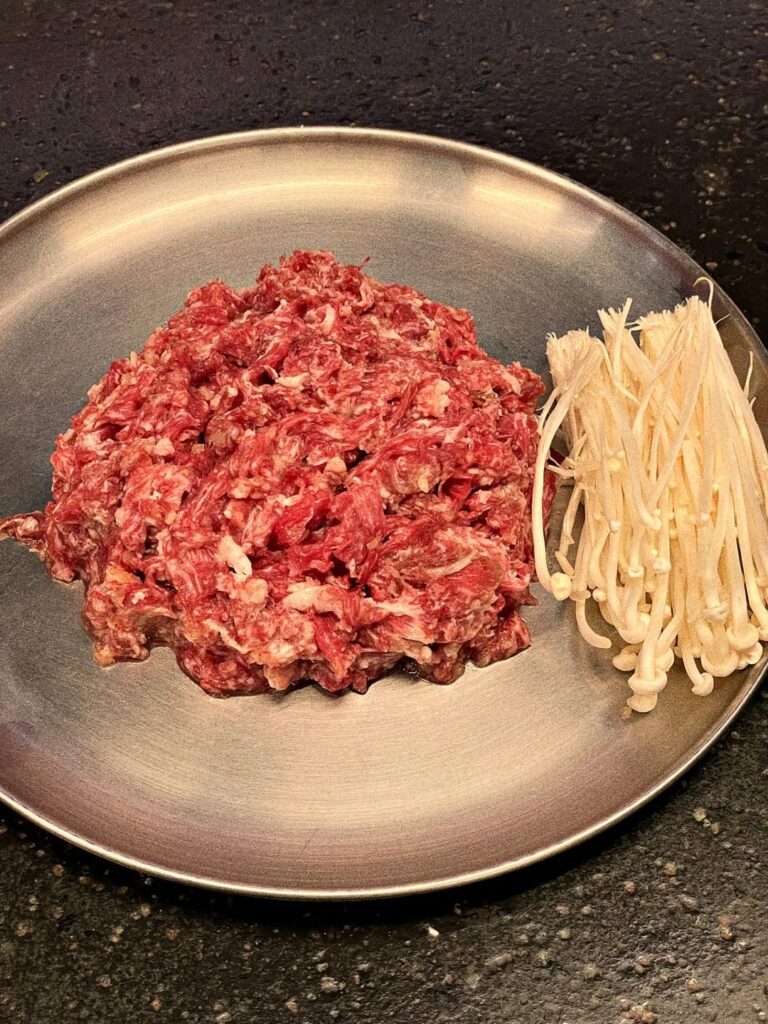
- Bulgogi: thin slices of beef marinated in soy sauce, sugar, garlic and sesame oil, then pan-cooked.
- Japchae: stir-fried sweet potato glass noodles with vegetables and meat.
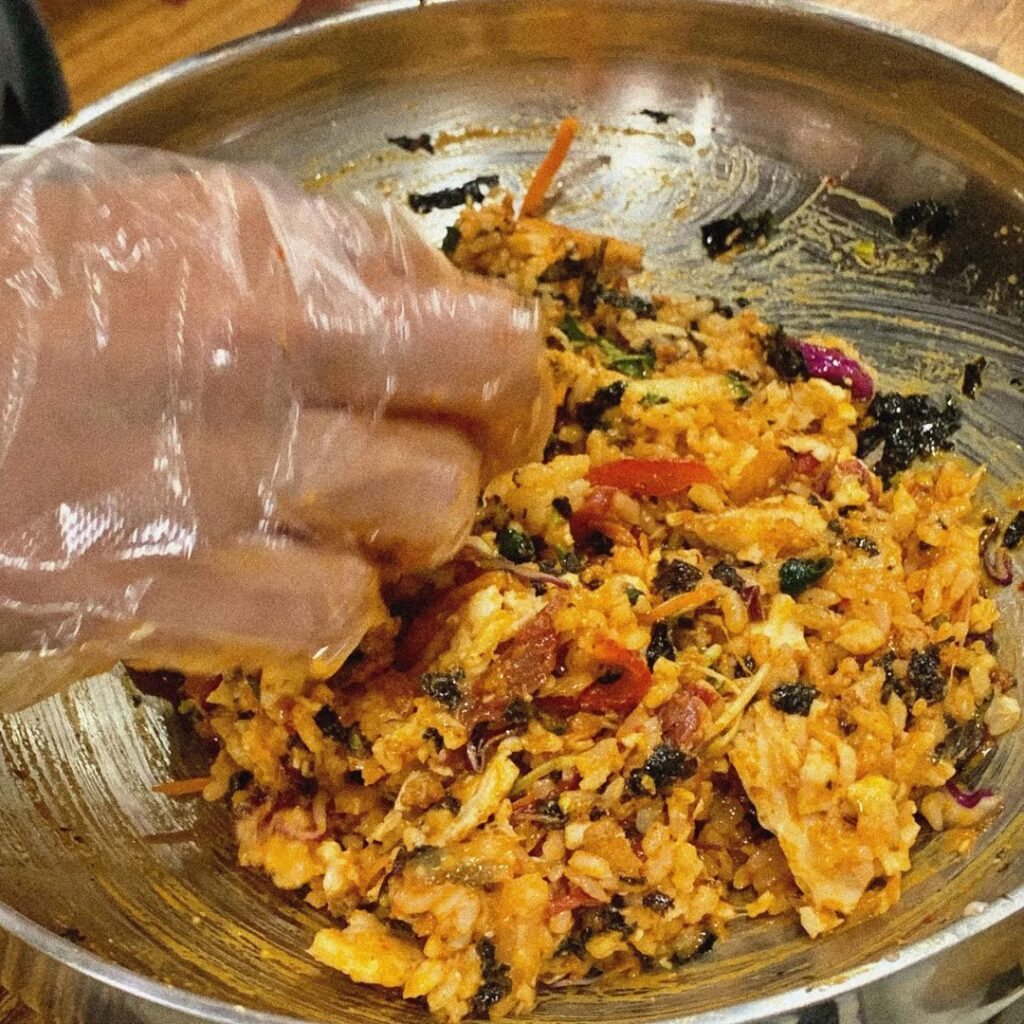
- Bibimbap: rice topped with seasoned vegetables, meat and egg, mixed with gochujang (red chili paste).
- Jeyuk-bokkeum: spicy stir-fried pork in a gochujang sauce.
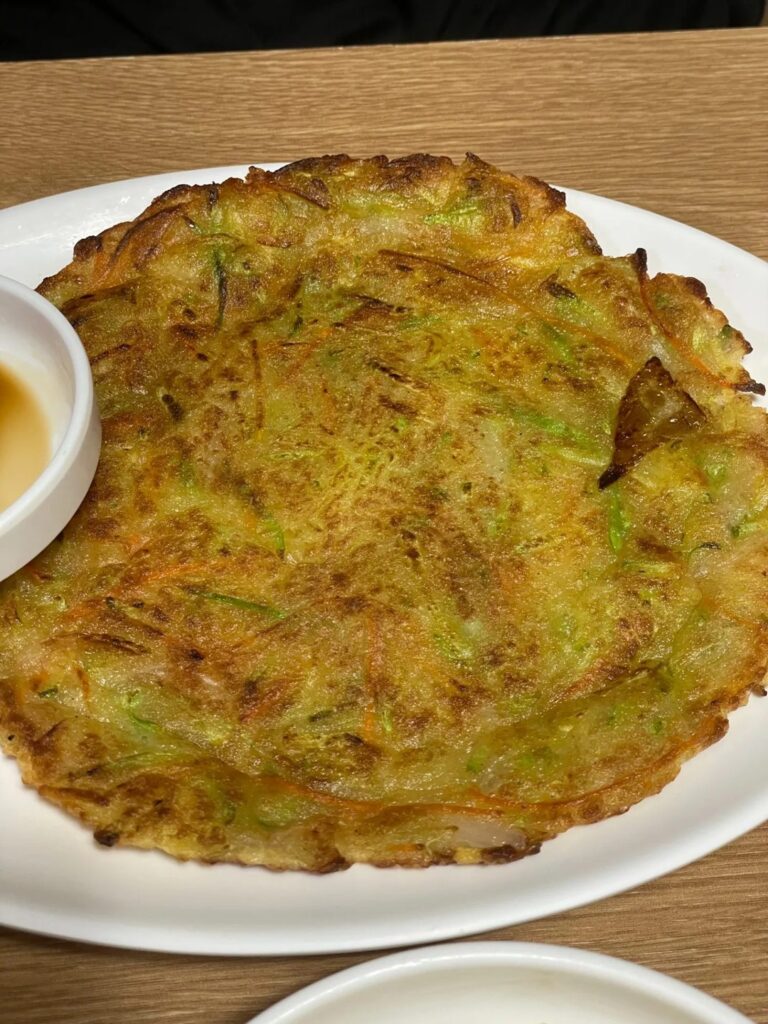
- Jeon and pajeon: pan-fried savory pancakes made with green onion, kimchi, seafood or zucchini.
- Kimbap, tteokbokki and mandu: rice rolls, spicy rice cakes and dumplings, the street food classics.
- Kimchi: salting and seasoning napa cabbage or radish. Kimchi classes are often a separate, dedicated workshop.
In addition, many classes teach a few banchan (small side dishes) such as seasoned spinach or bean sprouts, and finish with a simple dessert or a glass of makgeolli (rice wine).
Cooking Class Seoul Options Compared (2026)
These are well-known classes and listings we checked in November 2026. Prices are per person and can differ by booking platform.
| Class | Location | Length and schedule | What you make | Price |
|---|---|---|---|---|
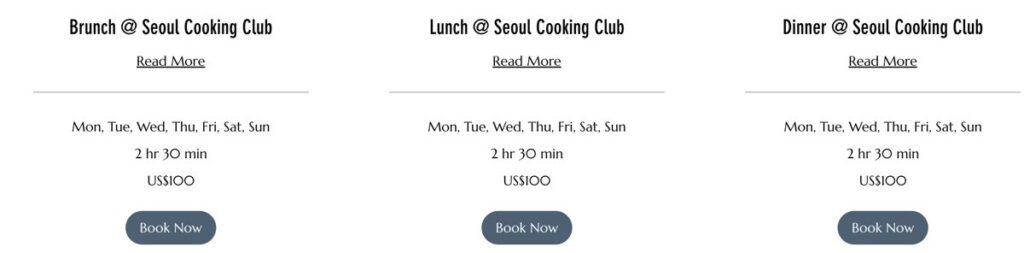
| Seoul Cooking Club | Jongno, near Jonggak Station | 2.5 hours; brunch, lunch or dinner sessions | Three-course meal: jeon, main dishes, banchan, dessert | US$100 on its own site (about US$109 on Viator) |
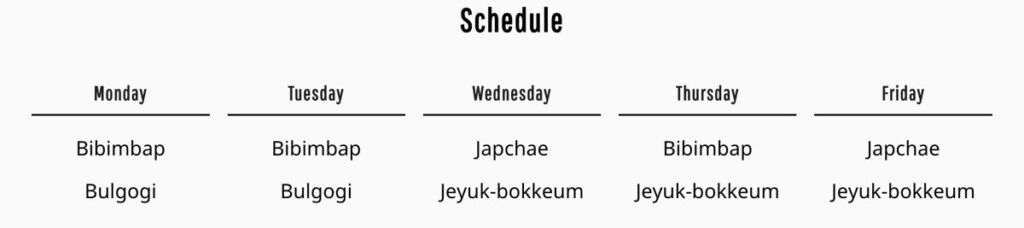
| O’ngo Food Communications | Bukchon-ro, Jongno | About 2 hours; weekdays 10:30 AM | Two dishes by day: bibimbap and bulgogi (Mon, Tue), japchae and jeyuk-bokkeum (Wed, Fri), bibimbap and jeyuk-bokkeum (Thu) | US$81 |
| Secret Food Tours: Kimchi Cooking Class | Jahamun-ro 7-gil, Jongno | 2 hours | Kimchi, with dinner and makgeolli | US$79.99, max 6 people |
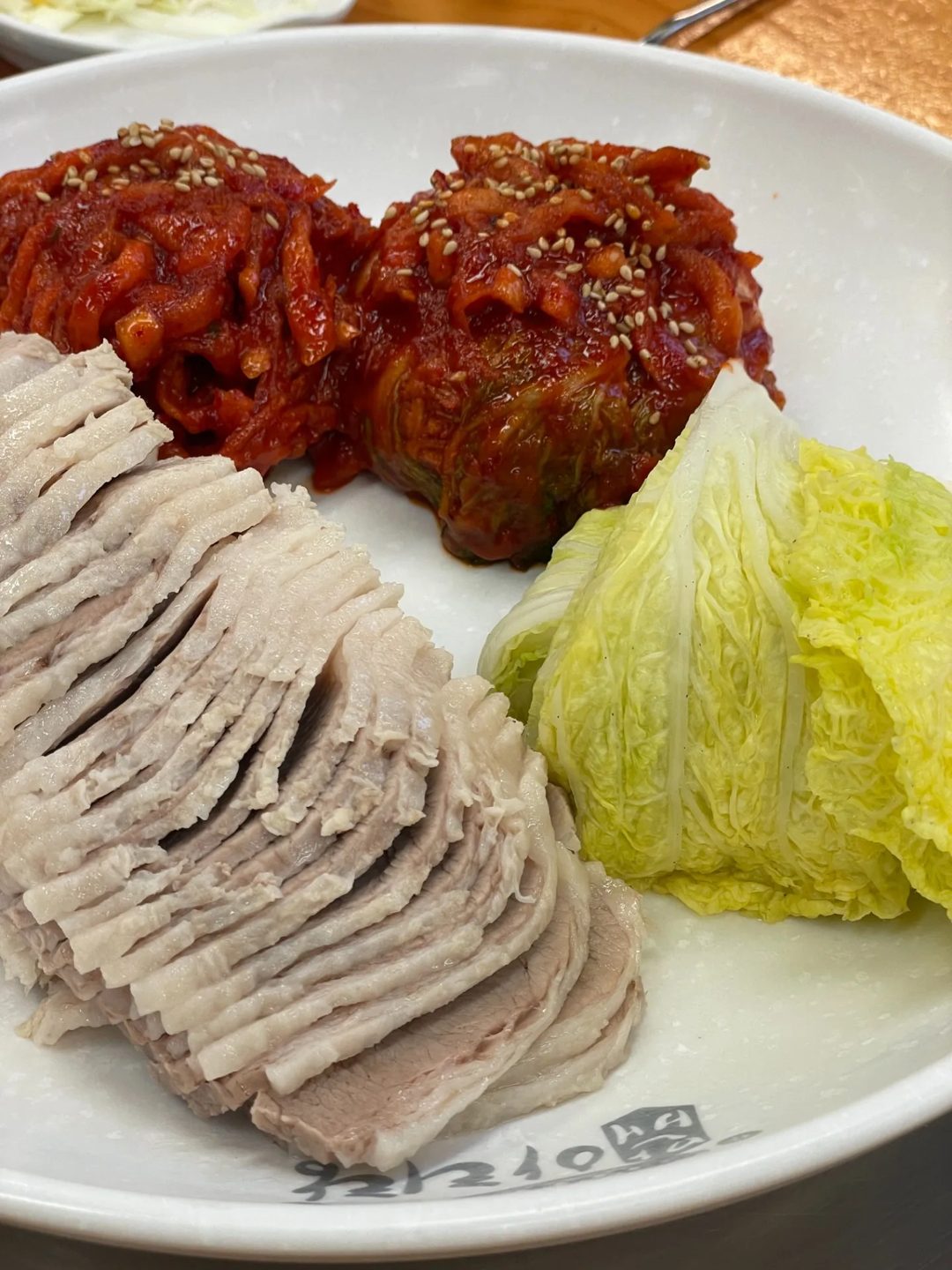
| OME Cooking Lab (with market walk) | Yangnyeongsi-ro, Dongdaemun-gu | About 3 hours from 10 AM: 1-hour market tour, 2-hour class and lunch | Thursday: bulgogi, japchae, jeon, seasonal soup. Friday: kimchi master class with boiled pork | About ₩150,000, ages 14+ |
| Mangwon Market class with a chef (Seoul PASS listing) | Meet at Mangwon Station Exit 2 | 2.5 to 3 hours; 10:30 AM or 3:00 PM daily | Market tour, street food tasting, home-style Korean meal | About ₩120,000 |
| cooKorean: Kimchi Making Day (Airbnb Experiences) | Mangwon, Mapo-gu | About 3.5 hours | Market visit, four types of kimchi, boiled pork and fried tofu | Check the listing |
| Small-group class with host Jinsil (Traveling Spoon) | Gongdeok | About 2 hours | Japchae, tteokbokki, mandu | US$79 |
| NOW COOKING Studio (Seoul PASS listing) | Near Ewha Womans University, Seodaemun-gu | Weekends 5:30 or 7:00 PM; 1 hour cooking, 30 minutes eating | Bulgogi and kimbap, plus a set meal | About ₩150,000, min. 2 people |
How to Choose the Right Class
- Market tour or not: classes that start with a market walk (Mangwon, or the Gyeongdong and Yangnyeong herbal markets near Dongdaemun) take longer but show you where the ingredients come from. On the other hand, pure studio classes are shorter and easier to fit into a busy day.
- Full meal or kimchi: pick a full-meal class if you want dinner-party dishes to cook at home. However, pick a kimchi workshop if kimchi is the one thing you want to master.
- Studio or home: studios are set up for groups. Home classes, by contrast, are smaller and more personal.
- Time of day: a 10:30 AM class replaces lunch, an evening class replaces dinner. So plan the rest of your food day around it.
- Dietary needs: O’ngo says ingredients can be substituted for dietary restrictions, and other schools may adapt too. Ask before booking, since many Korean sauces contain soy, wheat, sesame, fish sauce or salted shrimp.
- Location: Jongno classes are easy to combine with palaces, Insadong or Gwangjang Market. Similarly, Mangwon classes pair well with Hongdae and Yeonnam-dong.
Pair It with a Seoul Food Tour
A cooking class and a food tour work well on the same day. For example, take a morning class in Jongno, rest in the afternoon, and then join an evening market walk in Gwangjang Market or Ikseon-dong. We compare evening and market tours in our Seoul food tour guide. If you prefer to explore on your own, our Gwangjang Market food guide and Ikseon-dong food guide are both a short subway ride from most Jongno classes.
Tips Before You Go
- Book a few days ahead. Many classes cap groups at 6 to 12 people, and some only run on certain weekdays.
- Check the menu for your date. Some schools change dishes by weekday, as O’ngo and OME Cooking Lab do.
- Find the meeting point in advance. Classes often meet at a subway exit or a building without an English sign. Naver Map works better than Google Maps here (see our Naver Map English guide).
- Wear clothes you do not mind staining. Gochugaru (chili flakes) and gochujang can stain, especially in kimchi classes.
- Read the cancellation policy. O’ngo, for example, offers free cancellation up to 72 hours before the class and a 50% refund up to 48 hours before.
- Shop for ingredients after class. If you want to cook at home, markets and big supermarkets sell gochugaru, gochujang and doenjang. Check your home country’s customs rules before you pack food.
Not sure how to order once you are back in a regular Korean restaurant? Our how to order food in Korea guide covers kiosks, table bells and paying. And if you would rather leave the cooking to the pros, start with our best Korean restaurants in Seoul.
Cooking Class Seoul FAQ
How much is a cooking class in Seoul?
Most English-language Korean cooking classes we checked cost about US$80 to $110 per person in November 2026, including ingredients and the meal. Also, classes with a market tour are often around ₩120,000 to ₩150,000. Meanwhile, small home classes and discounted listings can be cheaper.
What is a good class for beginners?
Look for a class that teaches bulgogi, japchae or bibimbap. After all, these dishes use simple techniques and ingredients you can buy outside Korea. A studio class of about two hours with clear step-by-step teaching is a good start.
Is a kimchi making class worth it?
Yes, if you want to understand Korean food at its base. Kimchi classes explain salting, seasoning and fermenting, and some include a meal with boiled pork, the way Koreans eat fresh kimchi on a kimchi-making day. Otherwise, if you want a full dinner menu, choose a mixed class.
Can vegetarians or people with allergies join?
Usually, with notice. Tell the school about dietary needs when you book, since standard recipes use meat, fish sauce or salted shrimp. Some schools swap ingredients. However, others may not be able to adapt every dish.
We checked class details and prices in November 2026, and they can change. Check the school’s page before you book.