Looking for the best Seoul ramen in 2026? This guide brings together eight ramen shops our reviewer has eaten at. It starts with Ramen Bar Shikou (라멘바 시코우, 志昊), the six-seat Sangsu counter that sits at number one in Revitguide’s ramen ranking. Then it moves on to clear chicken broth bowls in Hongdae and Mangwon, a rich iekei bowl in Songpa, and three shops in Anyang and Uiwang, just south of the city, that local fans call Anyang’s big three. For each shop you will find what I ordered, prices, hours and how the waitlist works.
The picks below are adapted from visits by Revitguide reviewer 호미식 (Homisik), who rated Ramen Bar Shikou’s sansho soba 4.5 out of 5 and each of the other visits 4 out of 5. Each section links to the original Korean review, starting with the sansho soba review. (Japanese: ソウル ラーメン / 山椒 ラーメン)
Seoul Ramen Shops at a Glance
| Shop | Area | Style | What I ordered | What I paid |
|---|---|---|---|---|
| Ramen Bar Shikou | Sangsu, Mapo | Clear broth | Sansho soba, shio, shoyu | ₩13,000 per bowl |
| Naniyori | Songpa | Iekei (rich pork and soy) | Spicy iekei and regular iekei | ₩22,000 for two |
| Menya Jun Hongdae | Hongdae, Mapo | Clear chicken broth | Tokusen shio ramen | ₩14,000 |
| Soba House Menya Jun | Yeonnam, Mapo | Shoyu | Shoyu ramen | ₩19,000 (total bill) |
| Heeok | Mangwon, Mapo | Clear chicken broth | Tokusen shio ramen | ₩13,500 |
| Ramen Gurakbu | Uiwang, Gyeonggi | Paitan and mazemen | Shoyu paitan, anchovy bibim ramen | ₩22,500 (total bill) |
| Menkyudan | Anyang, Gyeonggi | Shio and tsukemen | Tsukemen | ₩12,000 |
| Shinmen | Anyang, Gyeonggi | Niboshi paitan | Niboshi shoyu paitan | ₩13,000 |
Seoul Ramen Styles in This Guide
Korean ramen fans usually sort Japanese-style ramen by the broth. Here is what the terms in this guide mean:
- Cheongtang (clear broth): a light, clear soup, often made from chicken, seasoned with salt (shio) or soy sauce (shoyu). Shikou, Menya Jun and Heeok are in this camp.
- Paitan: a cloudy, creamy broth made by boiling bones hard. Ramen Gurakbu and Shinmen serve rich paitan bowls.
- Iekei: a Yokohama style with a rich pork bone and soy broth, thick noodles, spinach and nori. Naniyori specializes in it.
- Tsukemen: cold or warm noodles served separately, which you dip into a thick broth. Menkyudan is the place for it here.
- Niboshi: dried sardines or anchovies, used to give a deep, fishy richness to the broth.
In addition, most of these shops use a kiosk for ordering and a CatchTable waitlist instead of reservations. Eggs are often an extra topping, so add one if you want it.
1. Ramen Bar Shikou (라멘바 시코우), Sangsu
Ramen Bar Shikou at a Glance
| Ramen Bar Shikou | 라멘바 시코우 (志昊) |
| Style | Tokyo-style clear broth (cheongtang) ramen: shoyu, shio and sansho soba |
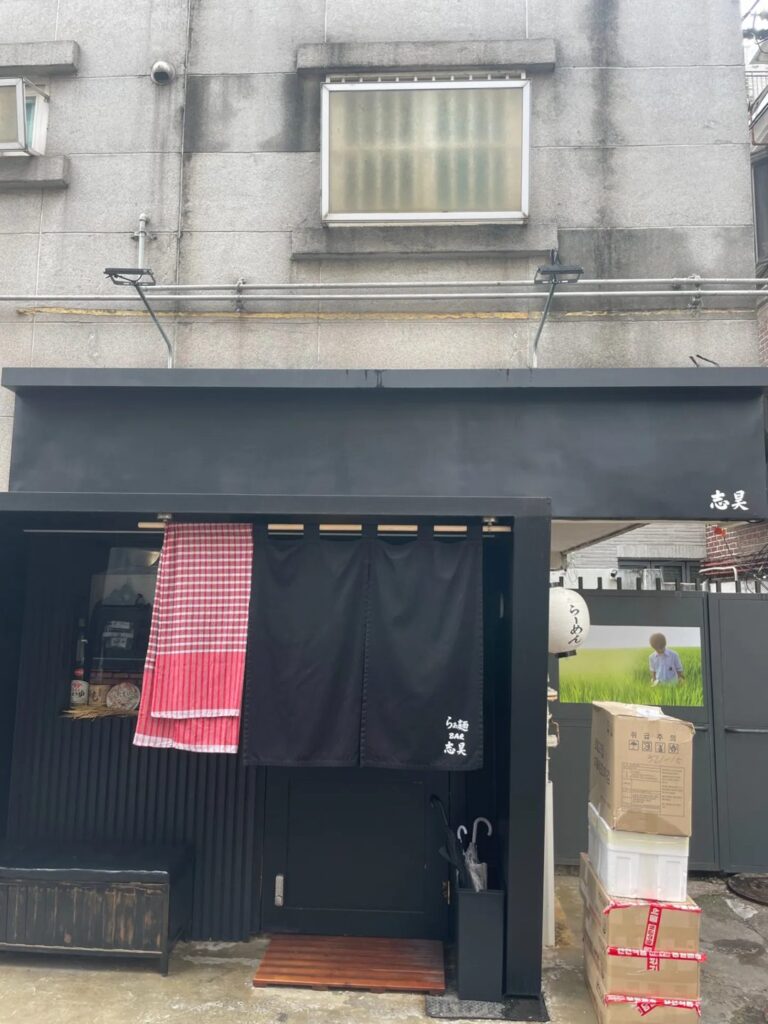
| Address | 101, 1F, 33 Wausan-ro 7-gil, Mapo-gu, Seoul (서울 마포구 와우산로7길 33 1층 101호, Sangsu-dong) |
| Nearest station | Sangsu Station (Line 6), Exit 4, about 210 m |
| Seats | 6 at the counter, with a limited number of bowls per day |
| Hours | Opens at 12:00 for lunch, with an afternoon break and a short evening service. Days off have changed during 2026, so check Instagram or Naver Map. |
| Price | Shoyu ramen, shio ramen and sansho soba ₩13,000 each (2026) |
| Waiting | CatchTable waitlist only, no reservations |
| Map | Open in Naver Map |
Sansho Soba: Seoul Ramen With a Numbing Kick
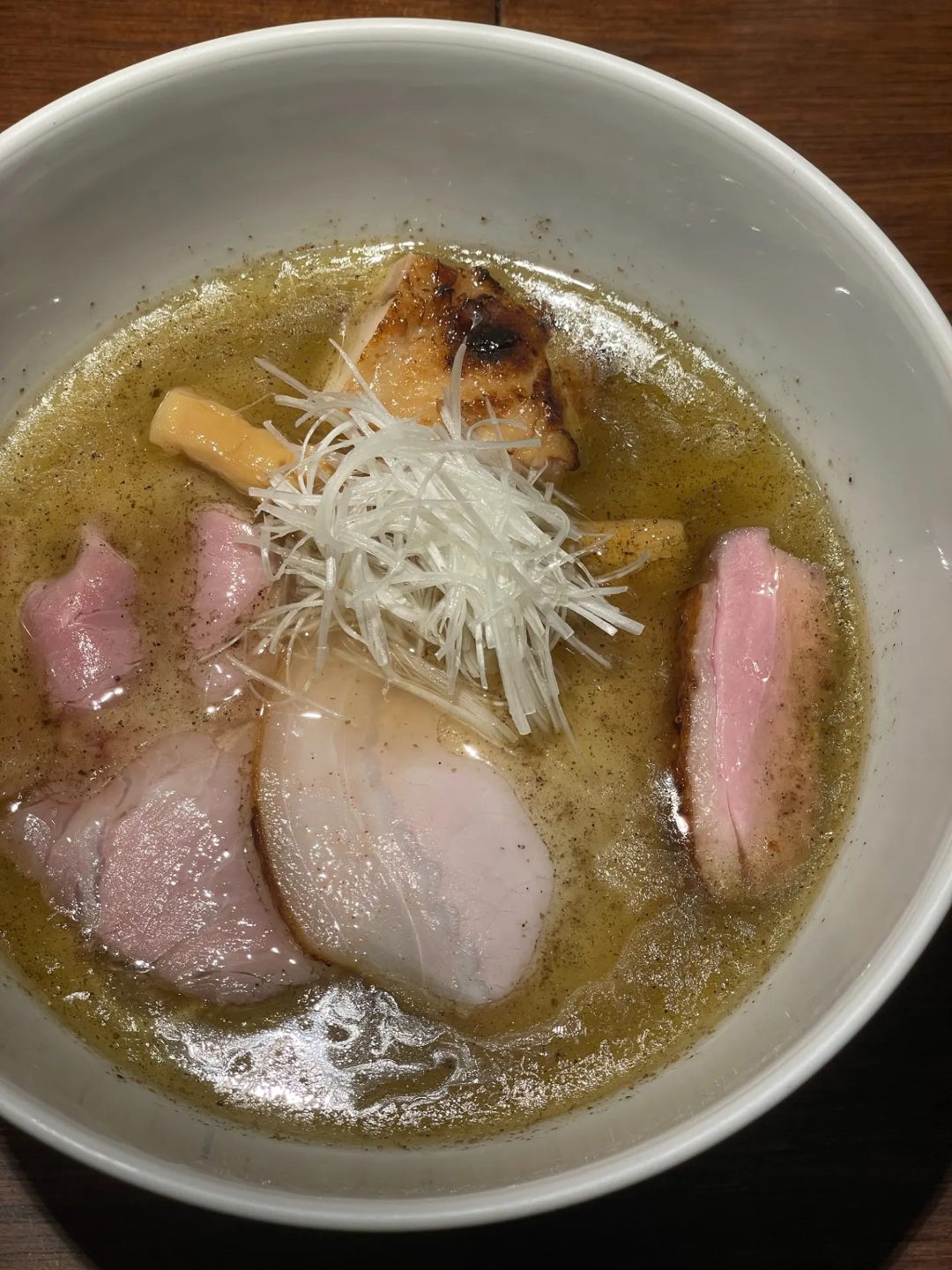
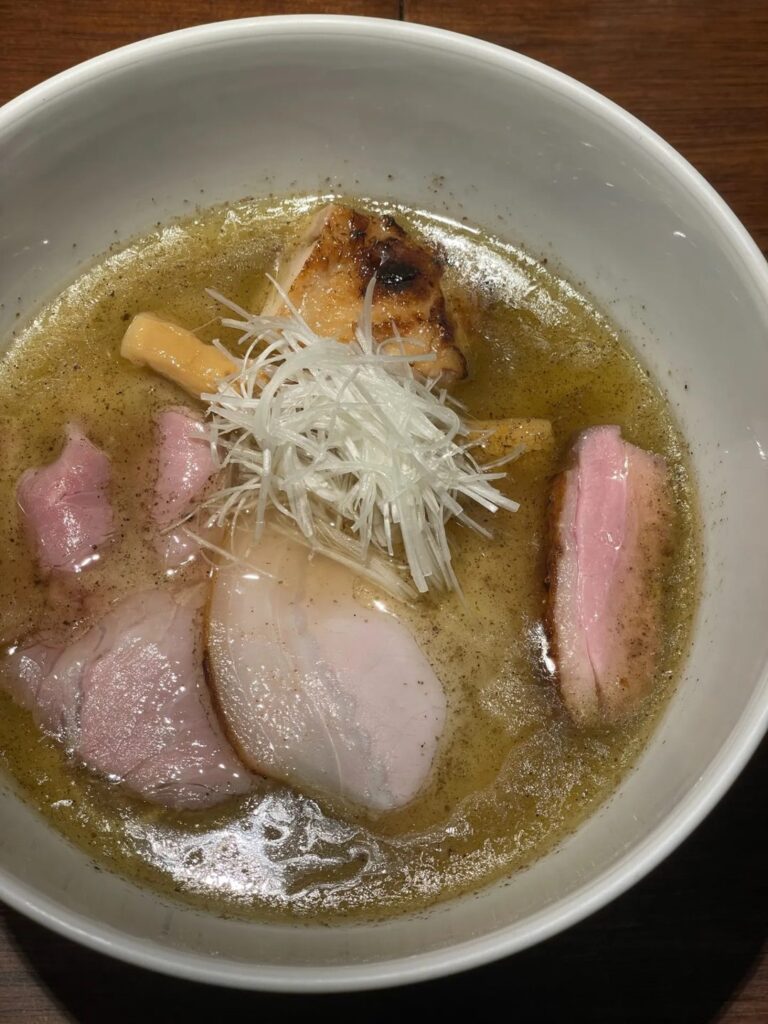
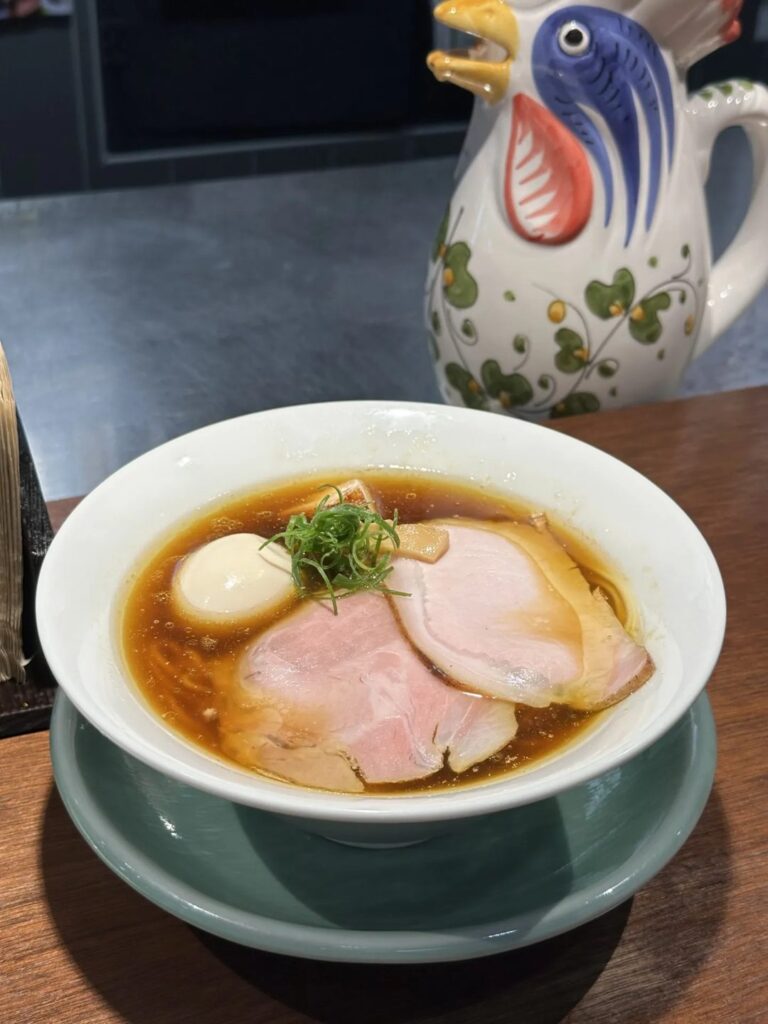
Shikou is Revitguide’s number one Seoul ramen shop. This time I chose the sansho soba, a shio (salt) base with added sansho, the Japanese pepper related to Sichuan pepper. The shop’s own menu says it was created with the taste of Shibasakitei in Tokyo in mind.
However, when I ordered, I was a little worried about the strong aroma of sansho. Even a little too much can numb your tongue, and the aroma lingers so long that it is hard to taste anything else. So I wondered whether it might cover up a well-made shio broth.
On the first sip, as expected, the tingle of sansho comes through quite clearly. However, just when it seems the sansho will take over, the savory depth of the shio broth underneath rises up naturally. The sansho is clearly there, but it does not steal the center of the broth.
In particular, what I liked most was that the bright, clean flavor of the shio tare stays alive to the very end. First, the sansho wakes up your palate, and then the delicate flavor of the shio broth follows. In other words, this is not ramen simply coated in sansho; it feels like a well-made shio broth taken one step further with sansho.
Also, as you can see in the photo, the bowl comes with slices of chashu, a piece of seared chicken, bamboo shoots and a tangle of finely shredded leek.
Two More Visits in June 2026
In June I went back twice, first for the shio ramen and then, the very next day, for the signature shoyu. I rated each of these visits 4 out of 5 (shio review and shoyu review).
Shio Ramen Visit (June 18, 2026)
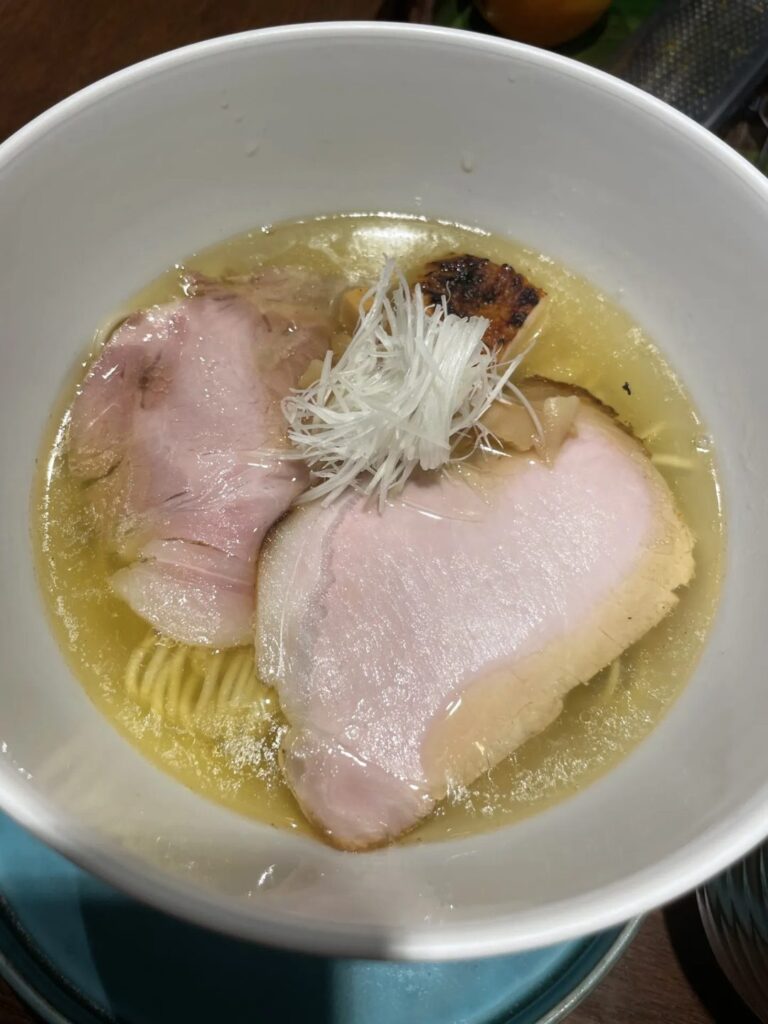
Shikou sits proudly at number one in Revitguide’s ramen ranking, and on this visit I could feel why. The broth made an impression from the first sip. It tasted like a long-simmered stock of pork, duck and chicken, with real depth, and the savory tare blended in well. I especially liked the aroma oil. It added a nutty richness to the whole bowl and lifted the savoriness another notch.
With every bite, the rich broth seemed to cling between the noodles, so the soup and noodles never felt separate. The chicken topping was good too. It was fairly thick, yet not tough at all, and it melted softly in the mouth. Clear, savory broth with a vivid hit of salt, nutty aroma oil, soft noodles and moist chashu: I could not find a real gap anywhere in the bowl.
Also, thanks to the remote waitlist, I walked straight in without a long wait. Once inside, the staff greeted me with a smile, checked whether I was right-handed, and told me to say so if the bowl was too salty or anything felt off. Small touches like these added up to the impression of a very polished shop.
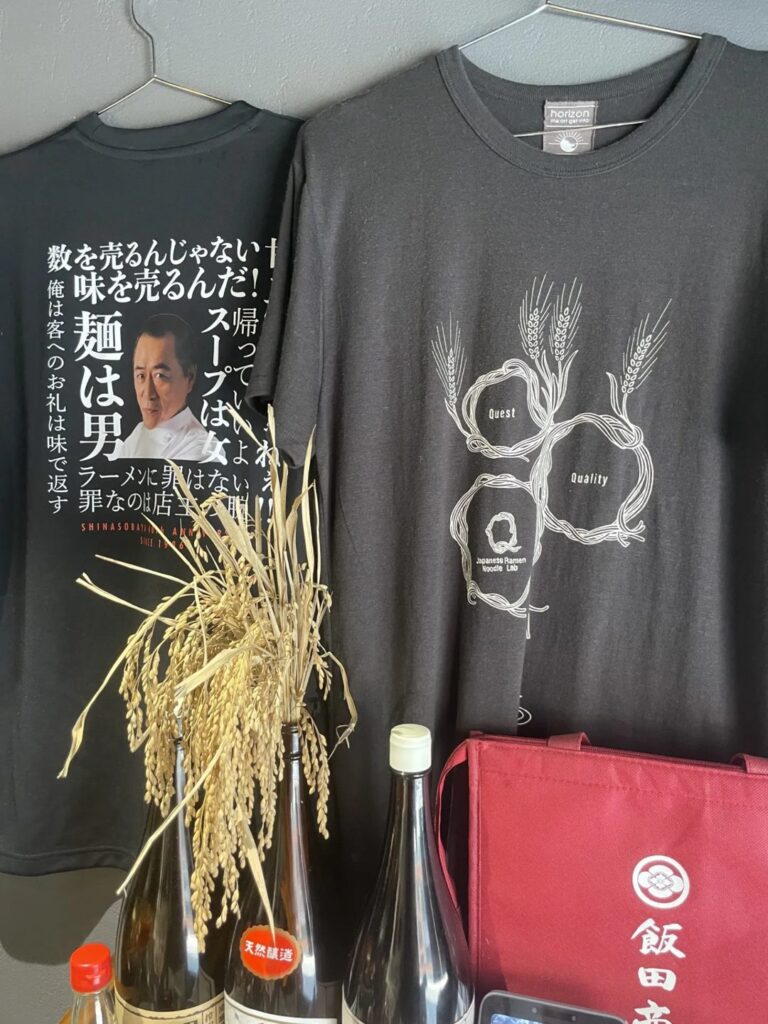
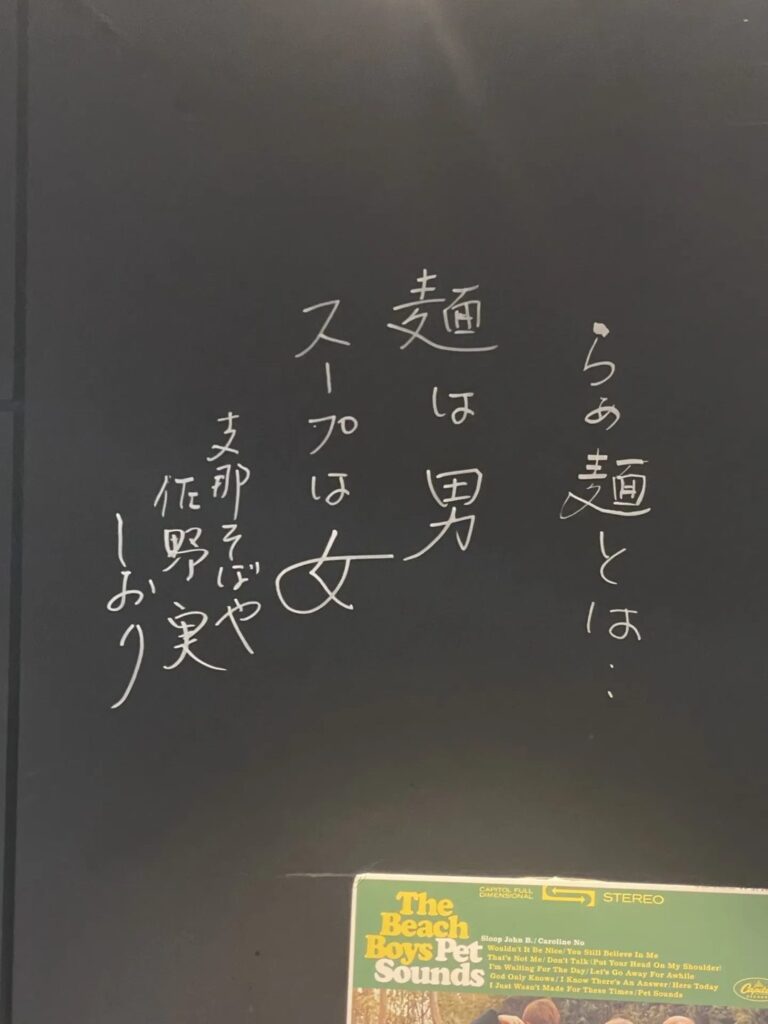
Besides that, the interior and props stood out, and each piece hinted at how seriously the team takes ramen. Inside hangs a T-shirt of Sano Minoru, the legendary Japanese ramen craftsman nicknamed the “ramen demon”. Next to it is a board signed by his wife. If you love ramen, these are fun details to spot. Overall, taste, service and the details of the space all fit together, and beyond simply serving a tasty bowl, you can feel the attitude this shop brings to ramen.
Shoyu Ramen Visit (June 19, 2026)
This time I was lucky enough to sit where I could see the kitchen. Watching each bowl come together, I got the sense that nothing was done carelessly. I think the charm of ramen lies in its variety, and in that sense Shikou shows its own direction very clearly. The tea at my seat was good too. Another guest happened to ask what it was, so I learned it was green tea.
First of all, the bowl looked beautiful. It made me wonder whether this is one of the neatest, most refined shoyu ramen you can eat in Korea right now. (I especially recommend adding the loin chashu.) The layer of oil comes in first, soft and deep, and underneath it a light acidity keeps the broth fresh. You can add orange zest, but the base was so good that I did not ask for it. Looking back, I wish I had tried it. Finally, the noodles are cooked a little softer and slide down easily. Next time I want to try one of the rice bowls.
Seoul Ramen Menu and Prices at Ramen Bar Shikou
| Bowl | Korean | Price |
|---|---|---|
| Shoyu ramen (signature, Tokyo-style soy sauce) | 쇼유라멘 | ₩13,000 |
| Shio ramen (salt) | 시오라멘 | ₩13,000 |
| Sansho soba (shio with sansho pepper) | 산초소바 | ₩13,000 |
- Toppings: Visitors in 2026 mention extras such as egg, additional chashu and a limited duck steak, which often sells out early.
- How to order: Order and pay at the kiosk, then hand your ticket to the staff. The kiosk has limited orders to one bowl per person.
- No kids zone: The shop is listed as a no kids zone.
How the Waitlist Works at This Seoul Ramen Shop
Because this Seoul ramen counter has only six seats, the line moves slowly, and waits of one to three hours are common in 2026 visitor reports. Here is how the system works:
- On-site waitlist: The CatchTable on-site waitlist opens when the owner arrives in the morning, usually around 8 to 9 a.m.
- Remote waitlist: Remote registration on the CatchTable app opens 30 minutes before each service (around 11:30 for lunch and 16:30 for dinner), if spots remain.
- Sell-outs: When the day’s bowls run out, CatchTable simply shows the service as closed.
- Tip: Do not wait outside too early. Check your place in the app and come back when only one or two groups are ahead of you.
Is This Seoul Ramen Worth the Wait?
Overall, it was so good that I would order the sansho soba again next time. I want to work my way through the rest of the menu, but it will not be easy to give up the sansho soba. The title of Revitguide’s number one ramen shop is clearly not there for nothing. Shikou is a ramen shop I want to visit a few more times and try each bowl one by one. My rating: 4.5 out of 5 for the sansho soba visit, and 4 out of 5 for each of the two June visits.
2. Naniyori (나니요리), Songpa: Rich Iekei Ramen
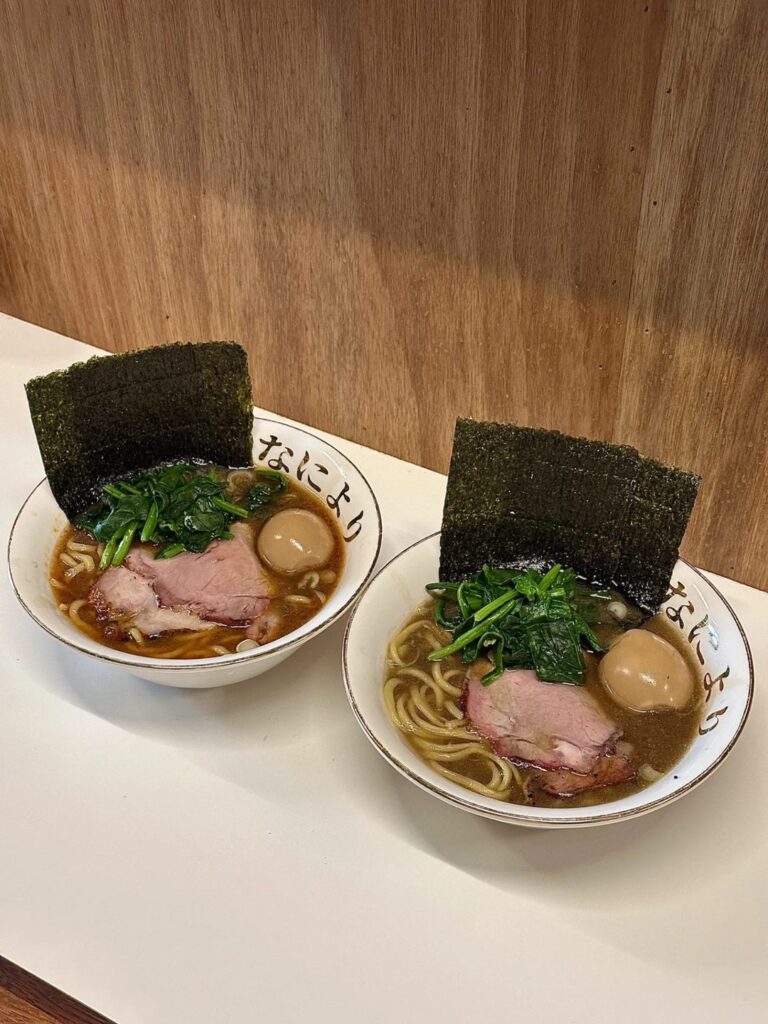
Of the top three ramen shops on Revitguide, Naniyori was the only one I had not yet visited. We ordered one spicy iekei ramen and one regular. It is a bit too strong to eat every day, but you can clearly see why people line up for it. Also, the thick, rich broth and the thick noodles went together surprisingly well. It was not the style of ramen I was used to, but the flavor fully backs up its strong personality, so I could only be satisfied.
The waitlist opens at 10 a.m. I signed up at 10:02, and I still started eating at almost noon. The popularity is clearly earned. Still, the online waitlist means you do not have to stand in line the whole time. A day later, I was already thinking about it again.
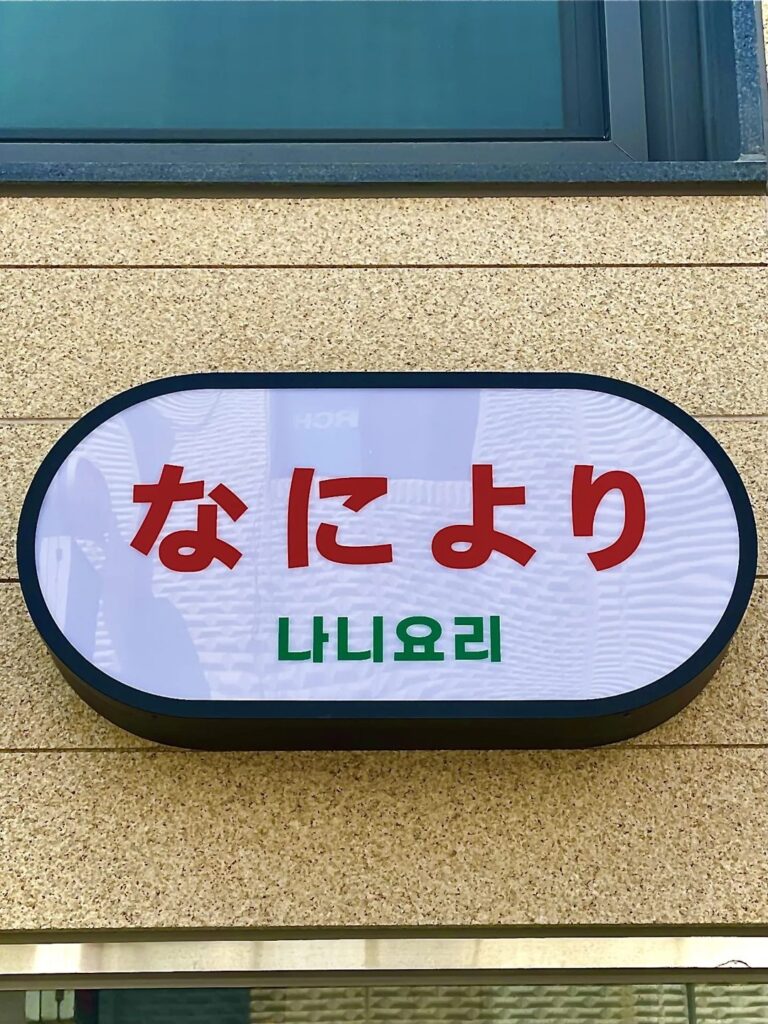
- Address: 1F, 4 Baekjegobun-ro 46-gil, Songpa-gu (서울 송파구 백제고분로46길 4 1층), near Songpanaru Station
- Price: iekei and spicy iekei about ₩11,000 each, with spinach, egg and chashu as extra toppings (2025 listing)
- Hours: listed as about 11:30 to 20:00. Revitguide lists Mondays and Thursdays as days off, so check Naver Map first.
- Waiting: the online waitlist opens at 10:00 and fills fast
- Map: Open in Naver Map | Original review on Revitguide
3. Menya Jun and Soba House Menya Jun, Hongdae and Yeonnam
Menya Jun (멘야준, 麺屋純) runs two shops near Hongik University Station. The original Menya Jun on Donggyo-ro is best known for shio, while its sister shop, Soba House Menya Jun in Yeonnam-dong, focuses on shoyu. I visited both.
Menya Jun Hongdae: Tokusen Shio Ramen
I had a morning appointment in Mapo and got hungry. Most shops open at 11:30, but Menya Jun opens at 11:00, and that alone was reason enough to head there. Before going in, I read through its Revitguide reviews, and the shio ramen with its light, clear broth got especially good marks.
Personally, I prefer iekei ramen with a rich broth over clear soups. Even so, Menya Jun felt like a textbook example of a clean, clear broth ramen. I came right at opening, yet more than ten groups were already waiting, so it quickly made sense why it has become one of the area’s top ramen shops. The food and the friendly service made it a satisfying meal.
I ordered the tokusen (special) shio ramen. What stayed with me was the chicken skin topping, lightly torched. It was only one piece, but it was the kick I remembered until the end.
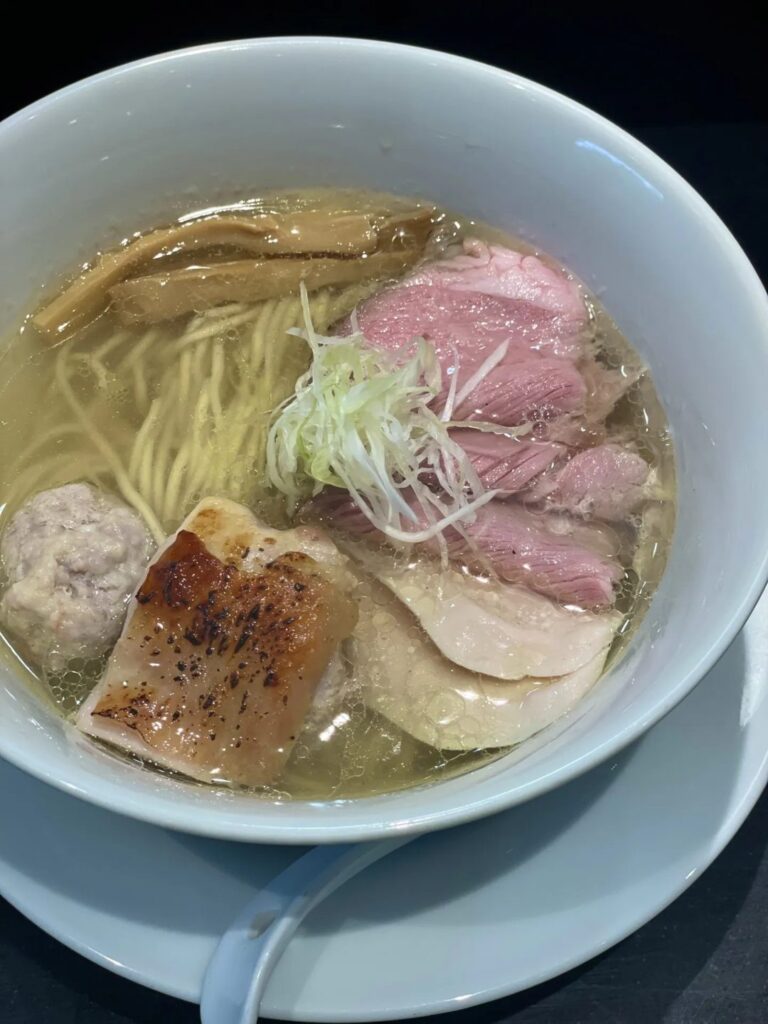
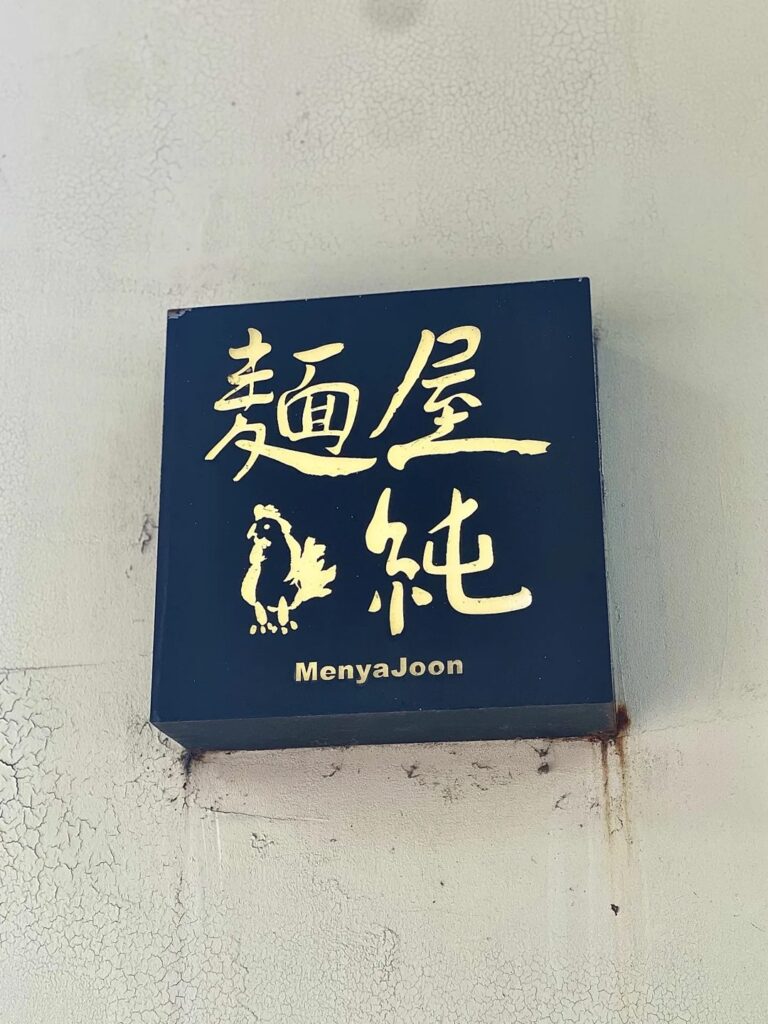
- Address: 128 Donggyo-ro, Mapo-gu (서울 마포구 동교로 128), between Hapjeong, Sangsu and Hongik University stations
- Hours: daily 11:00 to 20:30, no break time (2026 visitor posts)
- Price: shio, shoyu and black shoyu ramen ₩11,000; tokusen versions with extra chashu and a chicken meatball ₩14,000; egg extra
- Waiting: CatchTable waitlist, kiosk ordering, no parking
- Map: Open in Naver Map | Original review on Revitguide
Soba House Menya Jun Yeonnam: Shoyu Ramen
This is a shoyu ramen that nails the idea of “salty, but not salty.” With soy sauce ramen, if the seasoning is even slightly off, it quickly tips toward tiring or too salty. Soba House Menya Jun hits that balance precisely. The soy sauce is clearly present, but the saltiness never covers the whole flavor.
In addition, the toppings are another clear strength. The sheer number of them catches your eye, yet none looked like they were added just for show. The dumpling-style topping was especially unusual, and the chashu was tender, with no off flavors and plenty of juice. This is a place that reminds you how much balance matters in shoyu ramen.
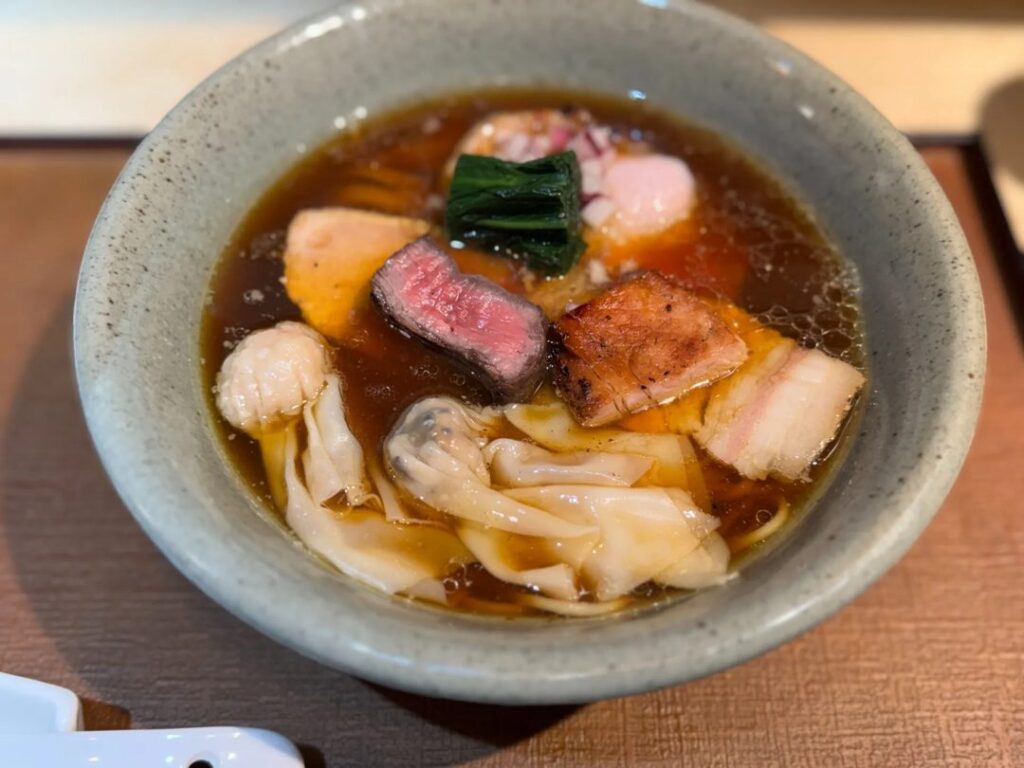
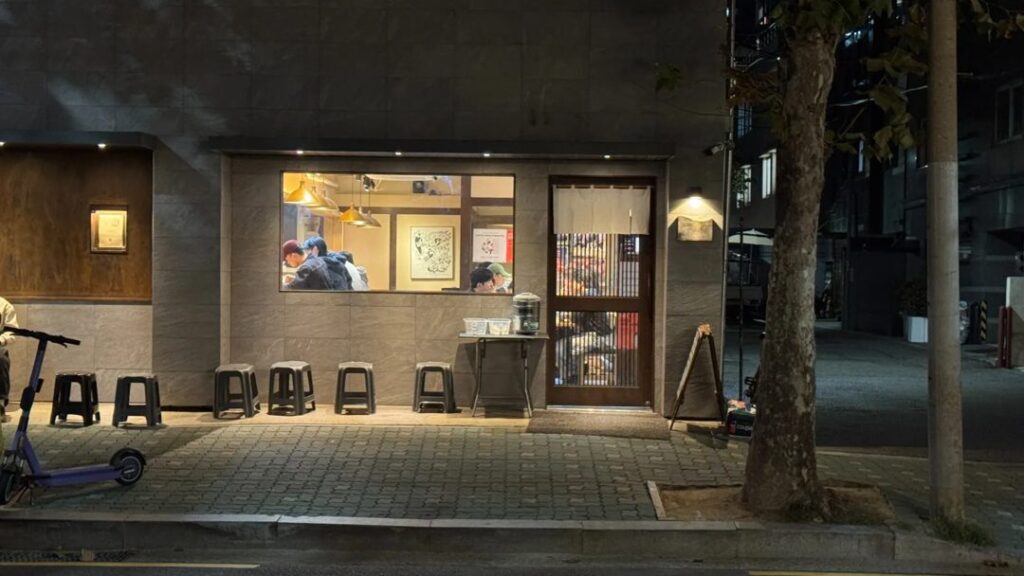
- Address: 1F, 84 World Cup buk-ro 6-gil, Mapo-gu (서울 마포구 월드컵북로6길 84 1층), about 370 m from Hongik University Station
- Hours: opens 11:00 and closes around 20:00, with a weekday break of about 15:00 to 17:00 (visitor posts); closed on major holidays
- Price: tokusen shoyu ramen ₩16,500, tokusen white shoyu ₩16,800, chashu shoyu ₩13,500 (CatchTable)
- Waiting: CatchTable waitlist, no parking
- Map: Open in Naver Map | Original review on Revitguide
Another Visit to Menya Jun Hongdae (October 2026, Rated 3.5)
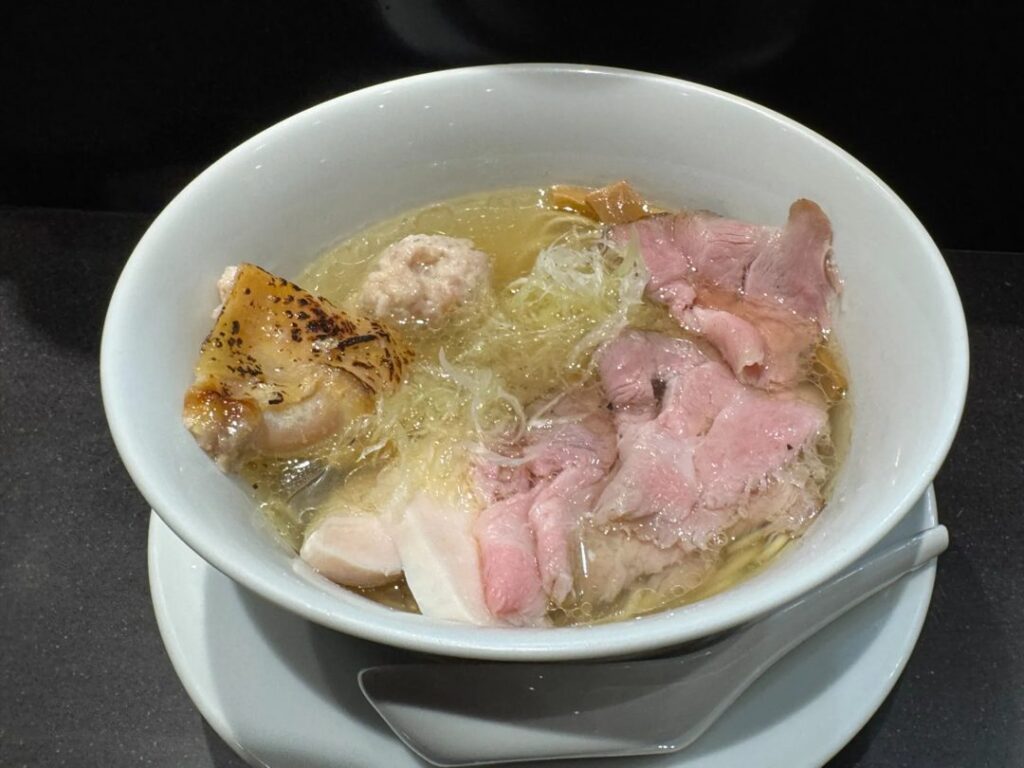
This time I went for dinner instead of the opening rush. The shio ramen is built on a clear, clean chicken broth: the stock reaches you before the salt, with clear umami. The noodles are a medium thickness that suits the clear soup. The toppings are the highlight: the special shio ramen comes with ham chashu, chicken thigh, chicken breast chashu and a meatball, and every one of them was good.
Original review on Revitguide.
4. Heeok (희옥), Mangwon: Rich Shio Ramen
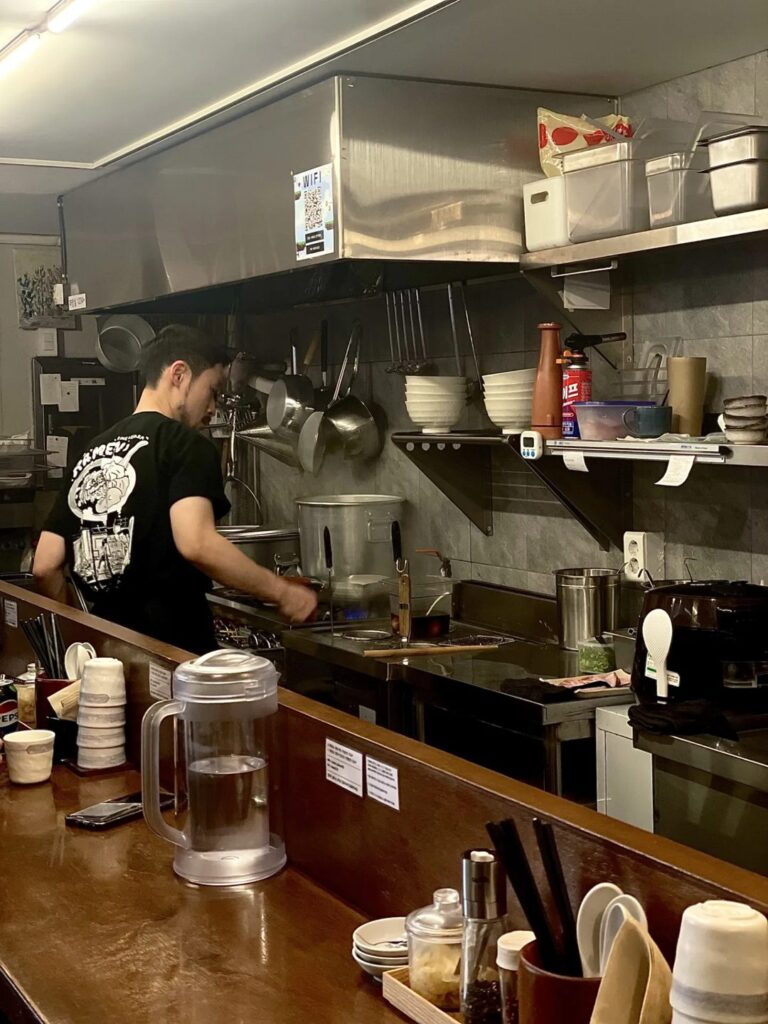
People say the wait is just part of the experience at Heeok. I went with friends who know ramen well, and this was my first proper step into the world of ramen shops. Talking with them, I was surprised by how varied and deep that world is, from the ingredients used for the broth to its color.
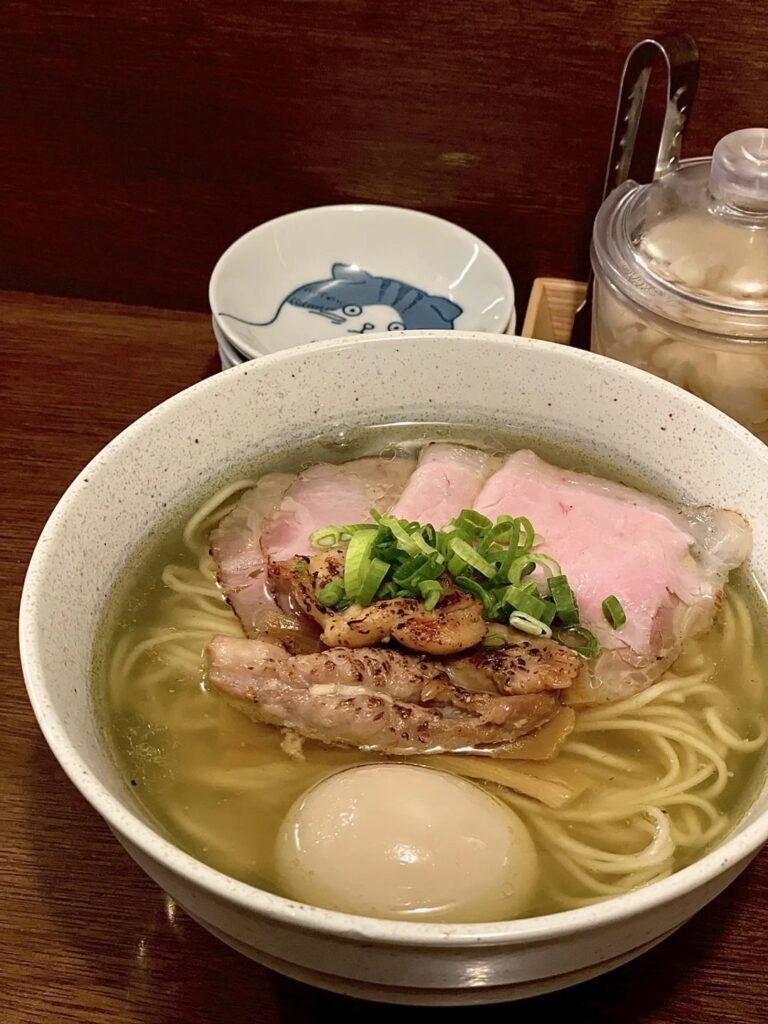
Since it was my first ramen, I chose the clear shio ramen. Heeok’s broth, with oil floating on top, tasted very rich. Some might call it a little salty, but I liked it. I picked the tokusen shio ramen, which comes with more chashu than the regular bowl, and that turned out to be a very wise choice.
- Address: 102, 74 World Cup-ro 19-gil, Mapo-gu (서울 마포구 월드컵로19길 74 어쩌다가게 102호), Mangwon-dong
- Hours: Mon to Fri 11:00 to 20:00 (last orders 14:30 and 19:30), Sat 11:00 to 15:00, break 15:00 to 17:00, closed Sundays. The shop prepares about 70 bowls a day and posts closures on Instagram (@heeok_official).
- Price: shio and black shoyu ramen ₩10,000; the tokusen bowl I had was ₩13,500. Noodles are made in-house.
- Map: Open in Naver Map | Original review on Revitguide
Ramen Near Seoul: Anyang and Uiwang
Just south of the city, local ramen fans often call three shops Anyang’s big three: Ramen Gurakbu, Menkyudan and Shinmen. Ramen Gurakbu’s address is in Uiwang, but it sits right next to Anyang. If you are a ramen fan, they make a good day trip, and you can even visit two in one day, as I did.
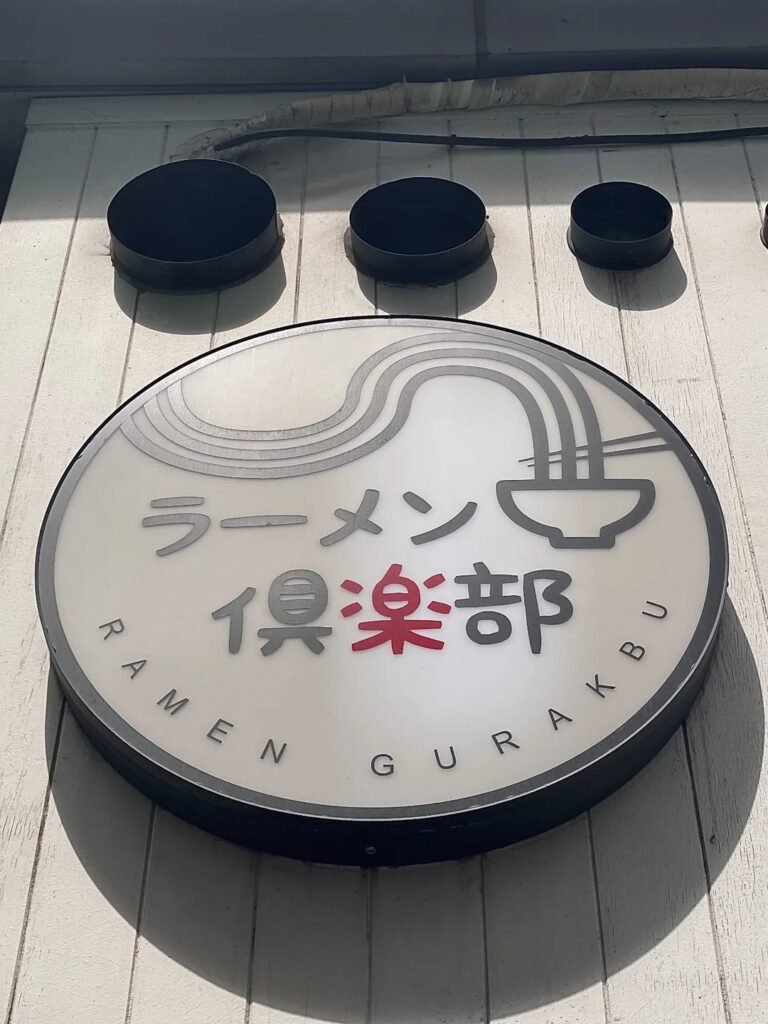
5. Ramen Gurakbu (라멘구락부), Uiwang
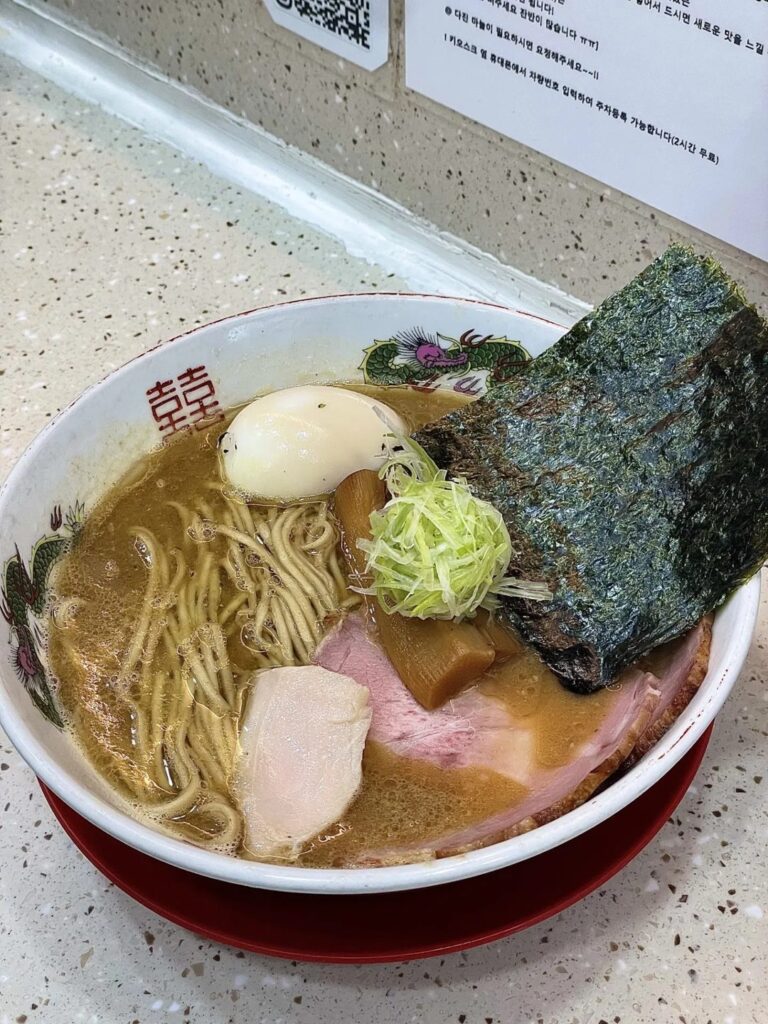
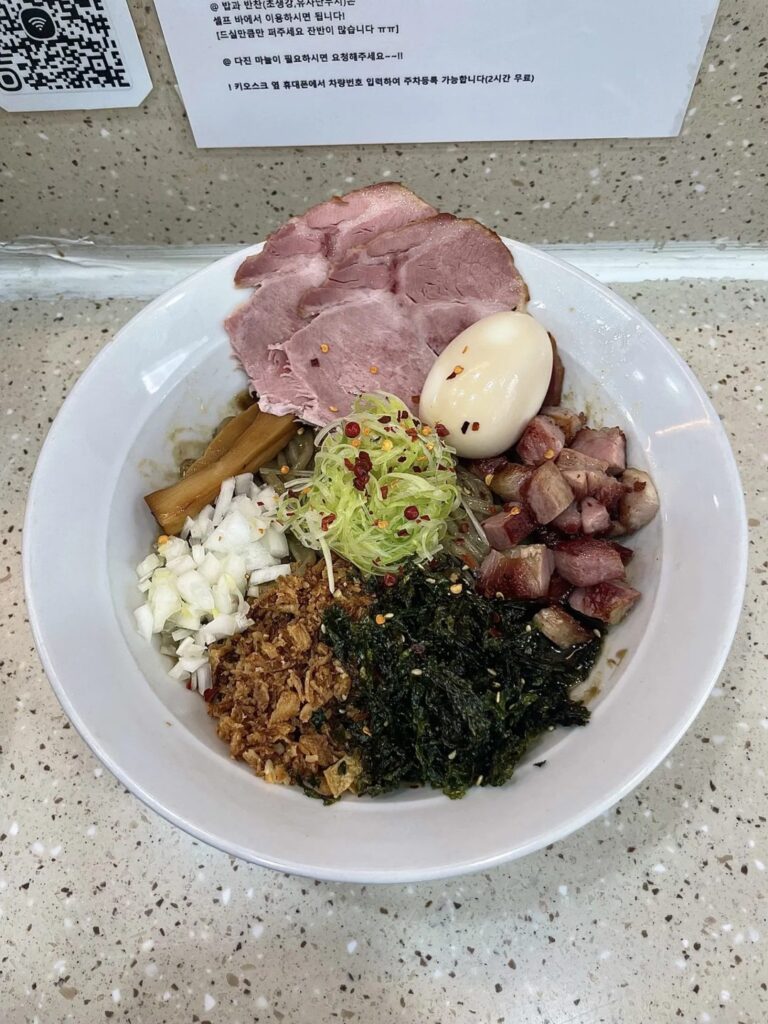
There was a brutal 180-minute wait, but the remote waitlist meant I did not have to wait long on site. I went with a companion and ordered the shoyu paitan and the anchovy bibim ramen.
The shoyu paitan was clean, a textbook bowl that even ramen beginners can enjoy easily. The flavor almost made me wonder if I was in Japan, and it was light enough that I could have added rice to the broth without it feeling heavy.
The anchovy bibim ramen, on the other hand, is hard to recommend to beginners. It felt like the ultimate thick, rich bowl, and opinions will likely split. I did not dislike it, but by the end it felt a little salty. Still, there were many kinds of chashu, and picking them out one by one was fun.
- Address: 112, 28 Gyewondaehak-ro, Uiwang-si, Gyeonggi-do (경기 의왕시 계원대학로 28 112호)
- Hours: daily 11:00 to 19:30, break 15:00 to 17:00, lunch last order 14:30 (October 2026 visitor post)
- Price: niboshi shoyu paitan and anchovy bibim ramen ₩12,500 each; egg extra
- Waiting: on-site tablet waitlist from about 9:00, then CatchTable after the 11:00 opening; two hours of free parking in the building
- Map: Open in Naver Map | Original review on Revitguide
6. Menkyudan (멘큐단), Anyang: Tsukemen
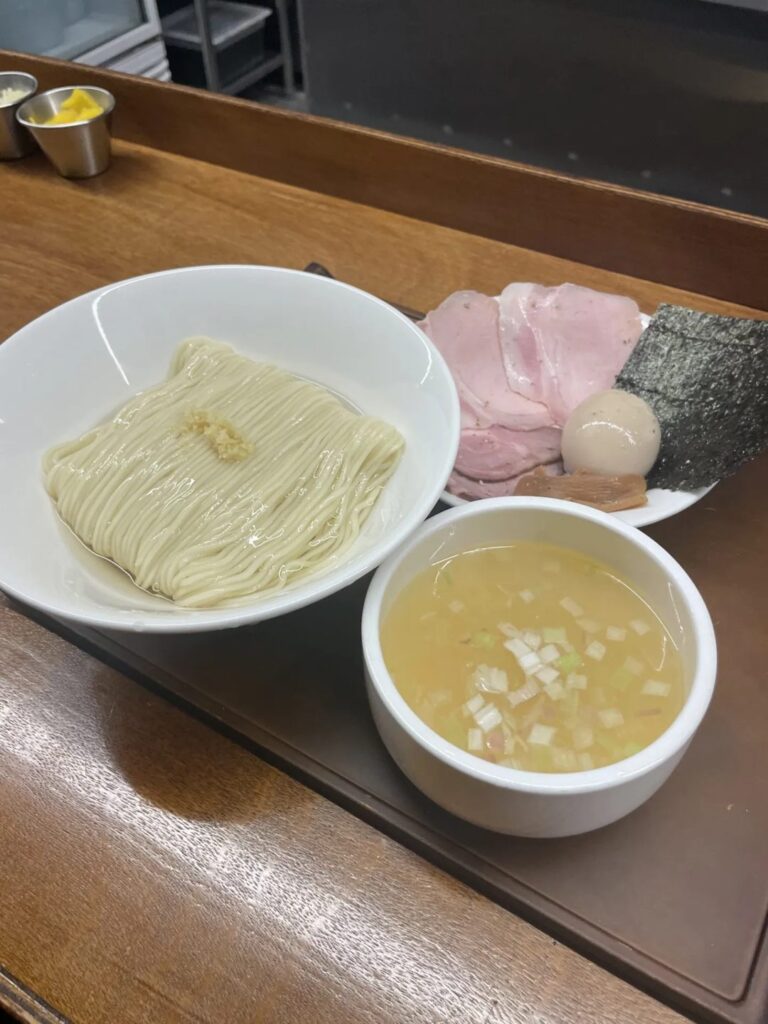
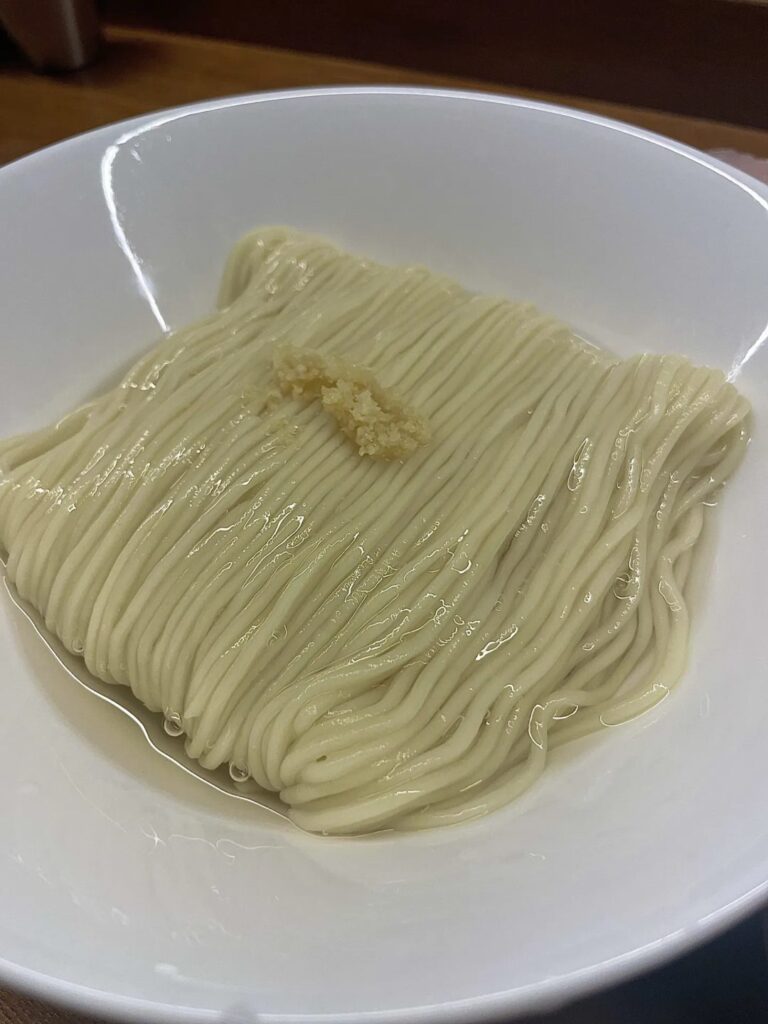
Tsukemen is ramen where you dip the noodles into a thick broth. I arrived around 5 p.m., and most ingredients had already run out, so tsukemen was the only choice left.
First, I noticed the noodles. The glossy strands were lined up neatly, which strongly gave me the feel of a shop people call one of the big three. The dipping broth had a rich salt base, and with little else getting in the way, it showed the essence of shio clearly.
I wish I could compare it with other tsukemen, but I have not had many, so I cannot give a relative verdict. At least I fully understood why this place is called one of the big three, and it set my standard for tsukemen, the first I had ever tried.
- Address: 101, 1F, 19 Gwanpyeong-ro 69beon-gil, Dongan-gu, Anyang-si (경기 안양시 동안구 관평로69번길 19 1층 101호)
- Hours: about 11:30 to 18:30, closed Mondays and Tuesdays. The shop prepares about 120 portions a day and closes early when they sell out.
- Price: shio and shoyu ramen ₩10,000; kombu-sui tsukemen (shio or shoyu) ₩12,000; miso chashu-don ₩3,500
- Map: Open in Naver Map | Original review on Revitguide
7. Shinmen (신멘), Anyang: Niboshi Shoyu Paitan
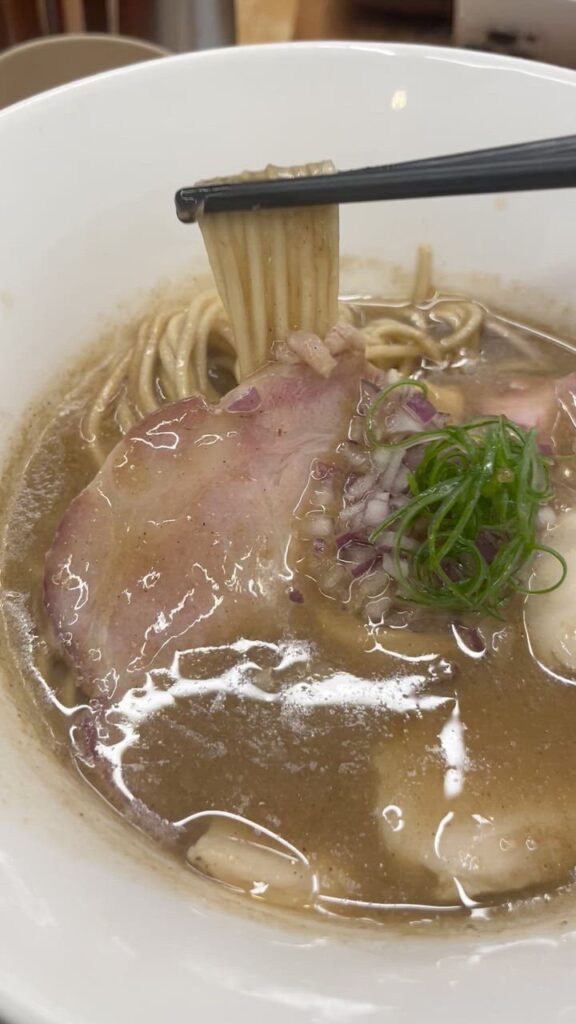
This was my last bowl in Anyang that day, so I chose the thick, rich, heavy niboshi shoyu paitan. As you can tell just from looking at the broth, it is the exact opposite of a clear, bright cheongtang ramen. Even so, it was so well made that I ended up drinking almost all of that rich broth.
Besides the broth, the chashu was memorable too, especially the thick, square-cut piece, which felt fresh to me. The noodles were cooked well and soaked up just enough of the broth, so I slurped them down to the end.
On top of that, the service and mood were good. I came at the end of a long, tiring day, and since most of the guests seemed to be regulars, the small greetings they traded made the room feel warmer. Now I want to go back for Shinmen’s other bowls, and next time I will say hello to the owner too.
- Address: 101, 1F, Hogye Kumho Eoullim shopping arcade, 20 Hoseong-ro, Dongan-gu, Anyang-si (경기 안양시 동안구 호성로 20 호계금호어울림 상가 1층 101호)
- Hours: about 11:30 to 19:30, break 15:00 to 17:30, closed Mondays (2026 visitor posts). Check the shop’s Instagram for changes.
- Parking: the arcade’s small lot behind the building
- Map: Open in Naver Map | Original review on Revitguide
More Seoul Ramen Rated 3.5
These extra picks are adapted from visits by Revitguide reviewer 호미식 (Homisik), who rated each 3.5 out of 5.
Jinsei Ramen (진세이라멘), Yeonnam
I came for the tsukemen. The richness of the dipping broth and the bounce of the noodles were solid overall. Other reviews mention so-so service, so I went in with low expectations and focused on the food. The broth was thick and rich, and the very thick noodles chewed well. Being able to have noodles this thick as tsukemen is the big draw.
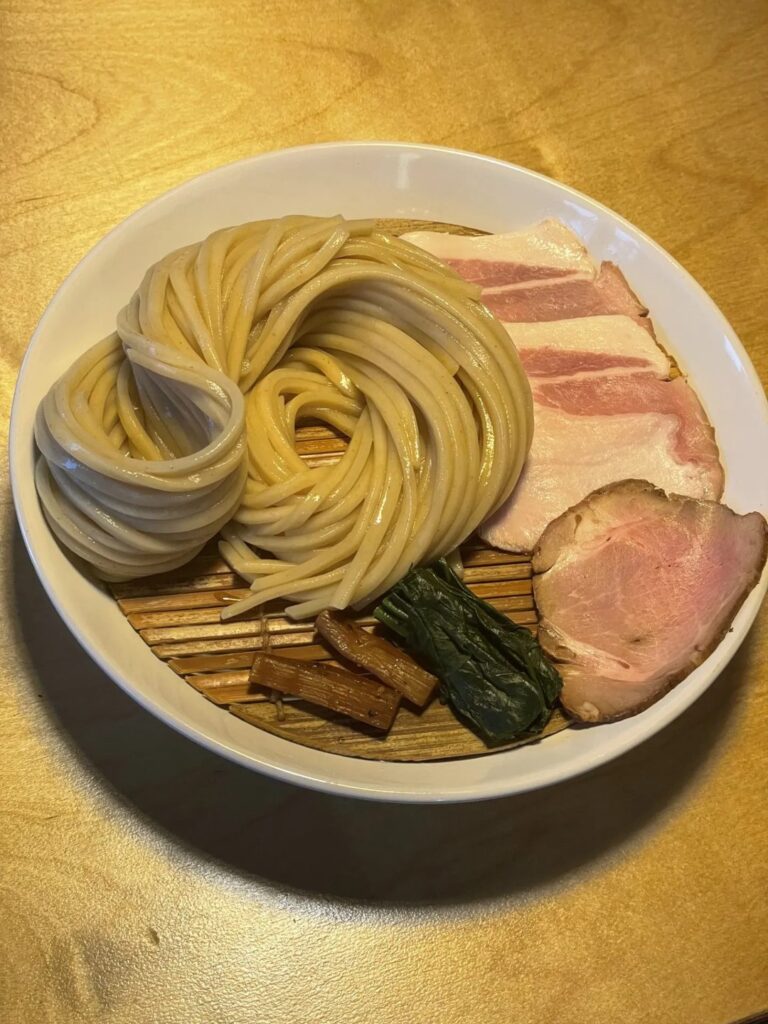
Where: Yeonnam-dong, Mapo-gu (2F). Open in Naver Map. Original review on Revitguide.
Damtaek (담택), Mapo
A shio ramen shop with a Japanese feel inside and out. Menu names are Japanese words written in Korean, but the kiosk shows explanations, and the staff spoke Korean fluently. The basic shio ramen showed what the shop is about: clear broth, distinct salt umami, no strong added aromas like yuzu. Toppings felt a little light, but the basic bowl was under ₩10,000 with one free rice and one free noodle refill, so the value was good.
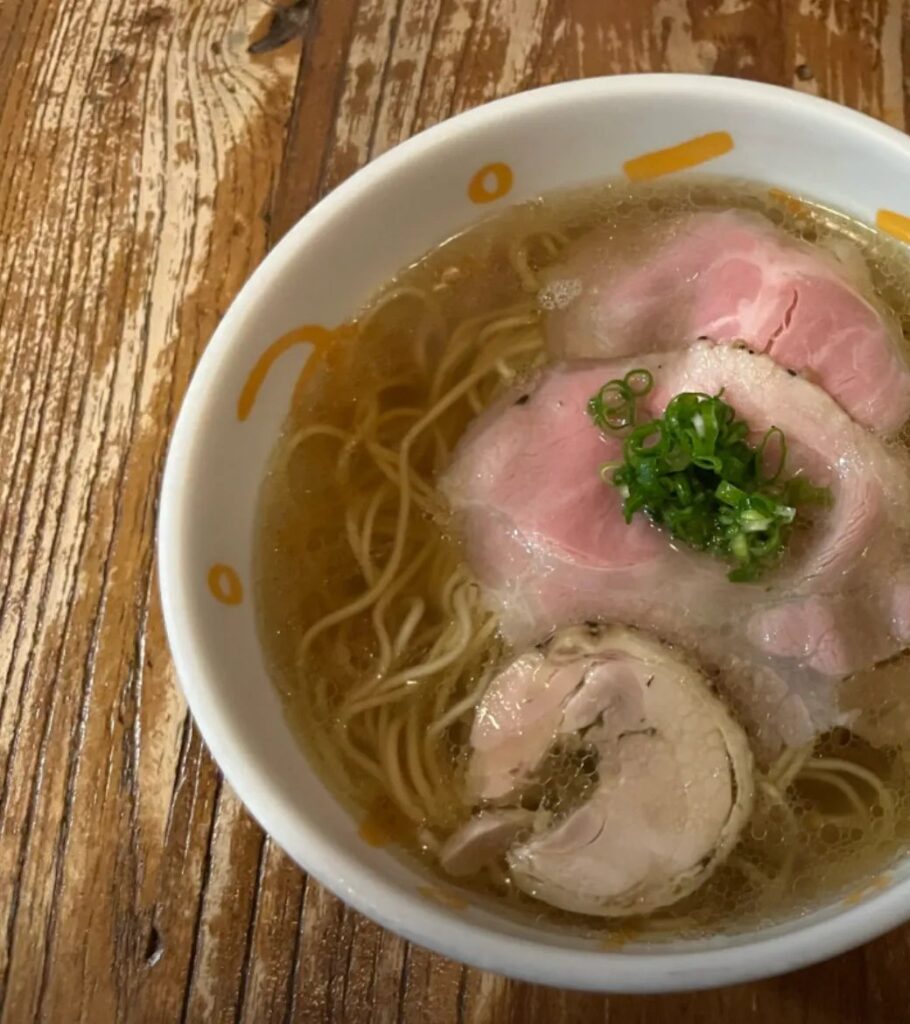
Where: Donggyo-ro 12an-gil, Mapo-gu. Open in Naver Map. Original review on Revitguide.
Irie Ramen (이리에라멘), Hapjeong
I came back for the summer-only cold ramen. The toppings were chashu, green onion, crispy fried shallots and, unexpectedly, a large piece of soft eggplant that blended in well. The broth is built on niboshi and other dried seafood and did not taste thin even served cold. The noodles were firm and springy. A seasonal bowl with real polish; there was already a short line at weekday dinner opening.
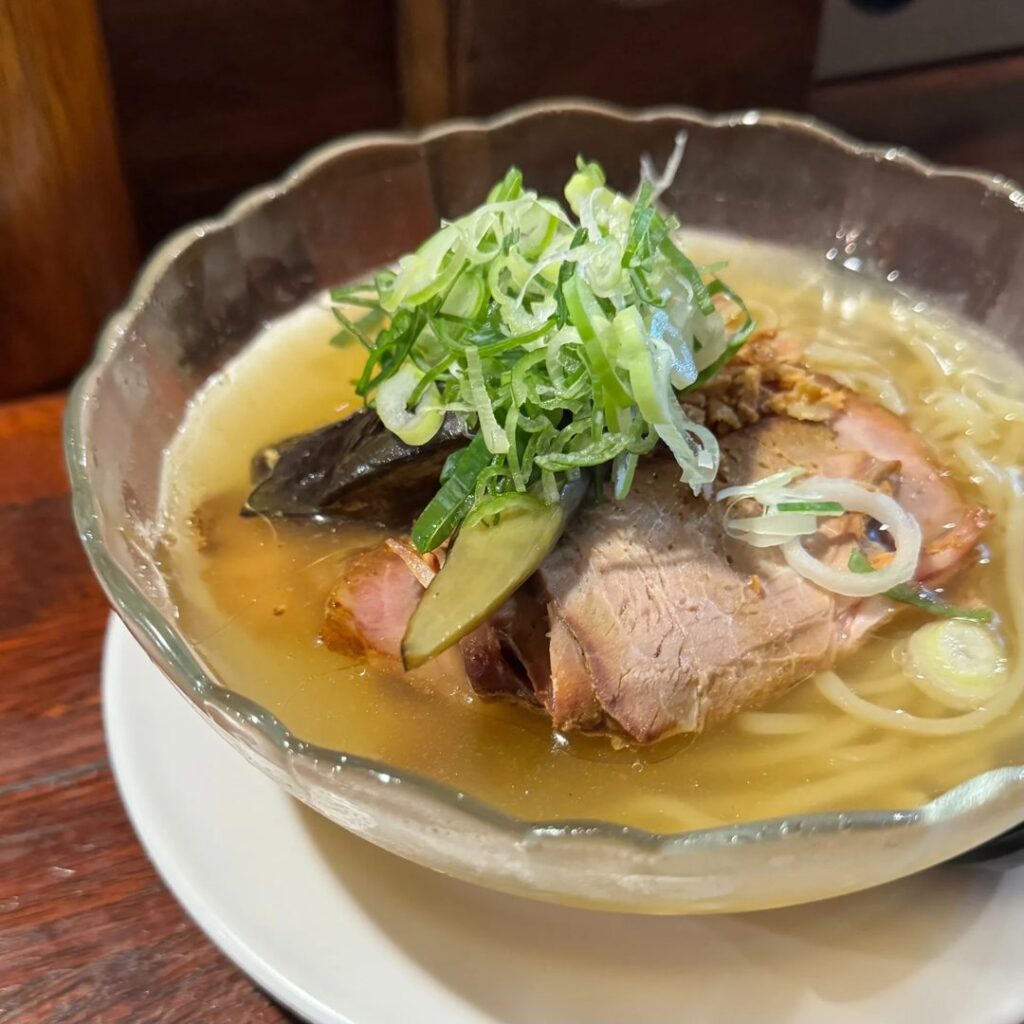
Where: Hapjeong-dong, Mapo-gu. Open in Naver Map. Original review on Revitguide.
Wasshoiken (왓쇼이켄), Gangnam Station
Hidden inside a shopping building, it was the only place nearby with a line. The service stood out: a server brought me an apron for my white shirt before I asked. I asked for a saltier, Japanese-style broth, and it was just right for me. The tonkotsu was rich but clean, not greasy, and free rice made it a full meal. Good value for tonkotsu near Gangnam Station.
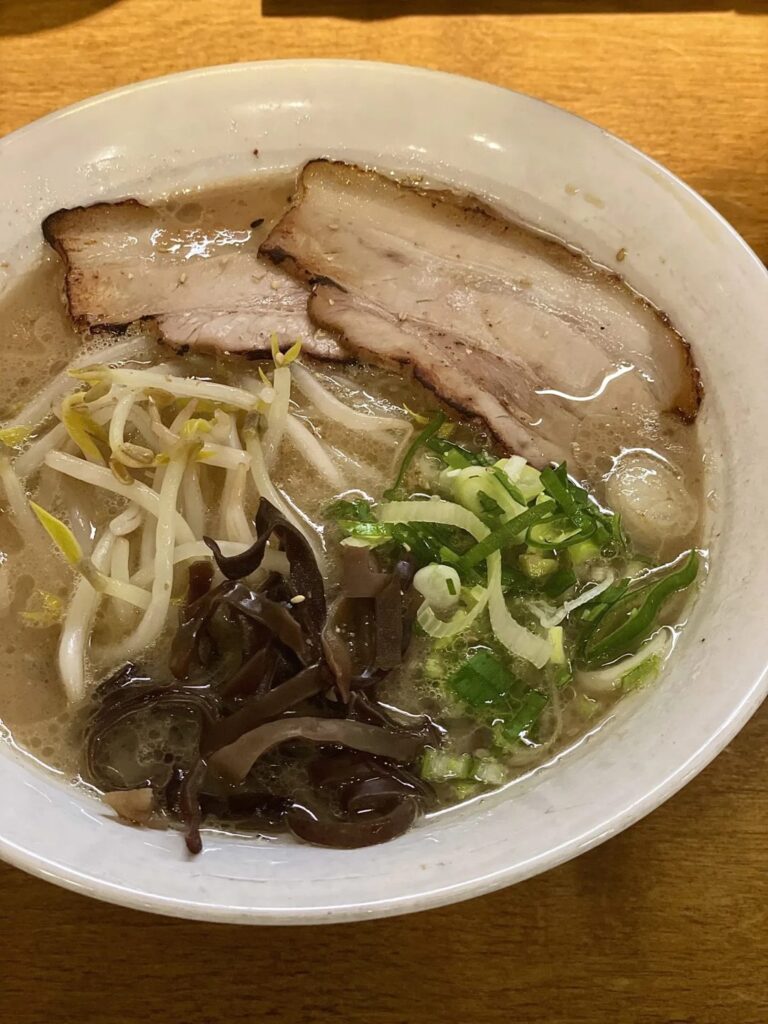
Where: B1, Teheran-ro 4-gil 46, Gangnam-gu. Open in Naver Map. Original review on Revitguide.
Tsuki Ramen (츠키라멘), Jonggak
Tucked into the basement of a busy building near Jonggak Station, so it is a little hard to find. Shoyu and shio had sold out, and I had heard the mazemen was good, so I ordered the gyokai bibim. The anchovy flavor was gentle, and the seasoning was balanced so it did not get tiring by the end. The chashu was not memorable. I was told tsukemen is available from 12:30.
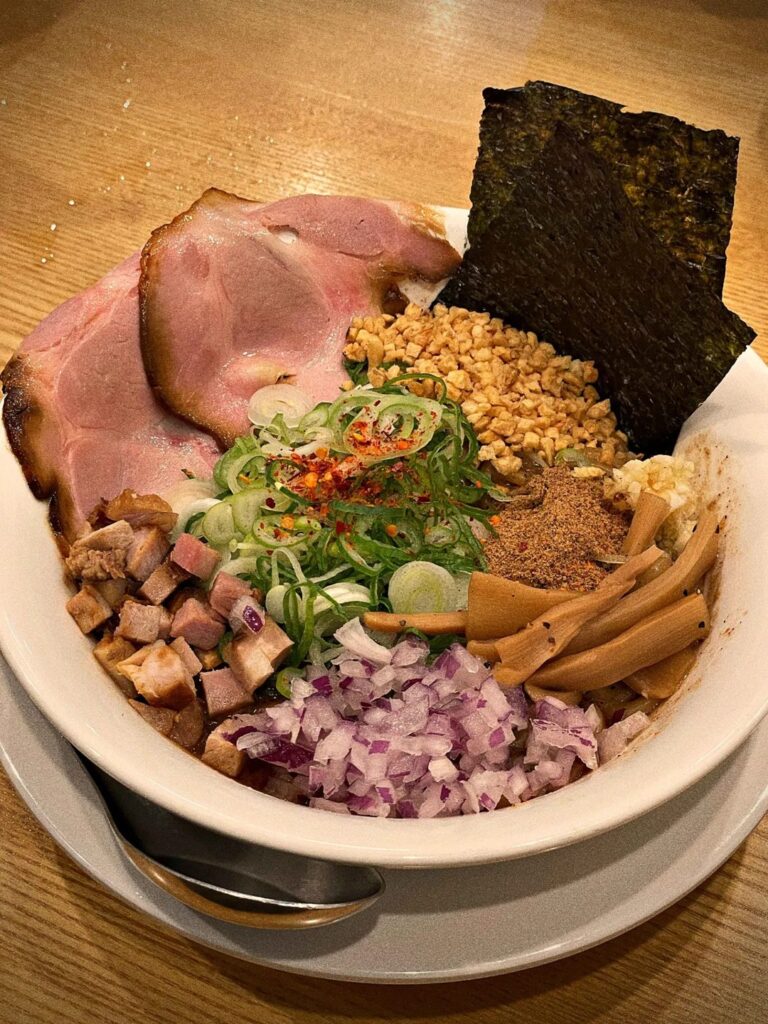
Where: B1, Le Meilleur building near Jonggak Station, Jongno-gu. Open in Naver Map. Original review on Revitguide.
Tips for Eating Seoul Ramen
- Use the CatchTable app. Most of these shops run a remote waitlist, so you can sign up and wait somewhere else instead of standing in line.
- Mind the break time. Many shops close between about 15:00 and 17:00, and some only open on certain days.
- Expect sell-outs. Small shops prepare a fixed number of bowls and close early when they run out. Instagram is usually the fastest place to check.
- Order at the kiosk. Kiosks often allow one bowl per person, and extras such as eggs or more chashu cost a little more.
Eating around Hongdae and Mapo? See our picks for Seoul coffee shops, the Hongdae section of our guide to the best Korean restaurants in Seoul and our list of the best Korean BBQ in Seoul. For more Japanese food, try our guides to sushi in Seoul and omakase in Seoul. If you prefer Korean noodles, read about Pyongyang naengmyeon at Seoryung.
FAQ
Where is Ramen Bar Shikou?
It is at 33 Wausan-ro 7-gil in Sangsu-dong, Mapo-gu, about 210 m from Exit 4 of Sangsu Station on Line 6, a short walk from Hongdae.
How much does a bowl of Seoul ramen cost?
Most bowls in this guide cost ₩10,000 to ₩14,000 in 2026, and premium bowls with extra toppings reach about ₩16,000 to ₩17,000. At Ramen Bar Shikou, each bowl (shoyu, shio or sansho soba) costs ₩13,000, and toppings cost extra.
Can I book a table at Seoul ramen shops?
Usually not. Ramen Bar Shikou takes no reservations, only the CatchTable waitlist, which you can join on site in the morning or remotely 30 minutes before each service. Most other shops here also use a CatchTable or online waitlist.
What is sansho soba?
It is a shio (salt) ramen seasoned with sansho, a Japanese pepper with a citrusy aroma and a light numbing tingle.
Which Seoul ramen shop is best for beginners?
Clear broth shops are the easiest start. Heeok’s shio ramen was my very first ramen shop bowl, Menya Jun is a textbook clear broth, and Ramen Gurakbu’s shoyu paitan is approachable too. Iekei at Naniyori and the anchovy bibim ramen at Ramen Gurakbu are much stronger.
We checked prices and hours in November 2026, and they can change. Check Naver Map before you go.