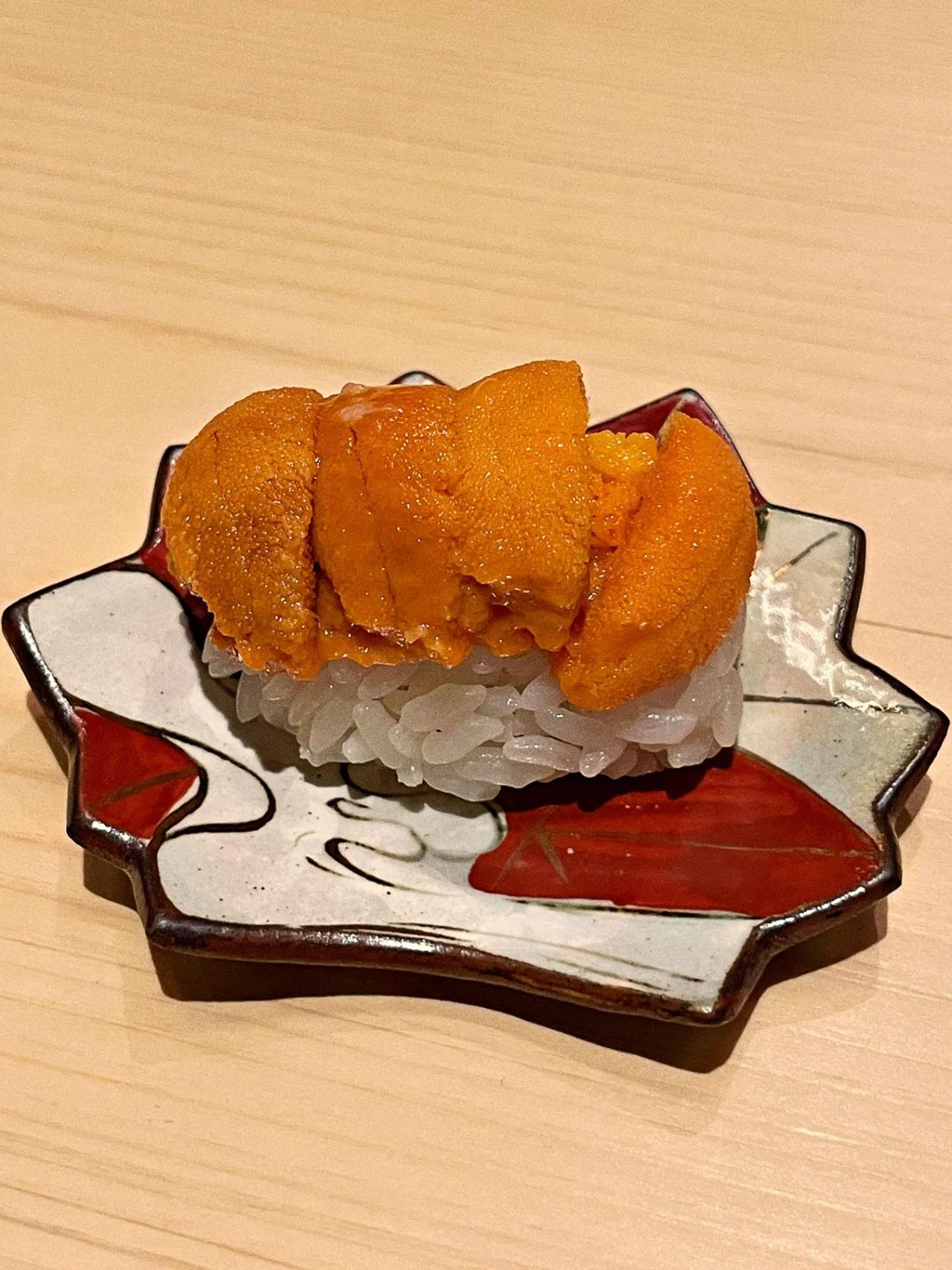
Looking for great sushi in Seoul without paying ₩300,000 or more for dinner? Lunch is the answer. Many of Gangnam’s best omakase counters serve a shorter lunch course for about half of their dinner price. Below are six counters where lunch costs between ₩80,000 and ₩140,000, with photos from real visits, the prices we paid, and how to book them as a visitor.
The picks below are adapted from visits by Revitguide reviewer 호미식 (Homisik), who rated each 4 out of 5. Each section links to the original Korean review.
In Japanese, these restaurants are called sushiya (寿司屋). Koreans often call them 스시 오마카세 (sushi omakase). If you want a higher-end counter instead, see our reviews of Sushi Saito Juyon, Jungdae and the four-seat Sushi Sainjo.
What to Know About Sushi in Seoul
Seoul has a large and fast-moving sushi omakase scene, and most of the serious counters for sushi in Seoul sit in Gangnam: Cheongdam, Sinsa, Apgujeong and Nonhyeon. At an omakase, the chef decides the menu. Then you sit at the counter and receive one piece at a time, usually starting with small dishes and ending with tamago (sweet egg) and dessert.
Sushi words you will hear in Seoul
- Tsumami: small cooked or raw dishes served before the nigiri.
- Nigiri: a slice of fish (neta) pressed onto seasoned rice (shari).
- Akazu: red vinegar made from sake lees. Several counters below season their rice with it, which gives a darker color and a deeper, tangier taste.
- Edomae: the Tokyo style of sushi, where fish is often aged, cured or marinated before serving.
Lunch vs dinner prices for sushi in Seoul
Lunch is usually a shorter course with fewer tsumami. As a result, it costs about half as much. For example, Taku charges ₩100,000 for lunch and ₩200,000 for dinner, Sushi Minami ₩120,000 and ₩230,000, and Sushi no Aya ₩140,000 and ₩280,000. Note that drinks are extra, and many counters charge corkage if you bring your own bottle.
Sushi counter etiquette in Seoul
- Arrive on time. Most counters start everyone together, so a late guest holds up the whole room.
- Eat each piece soon after it is placed in front of you. You can use your hands or chopsticks.
- Tell the restaurant about allergies when you book. Many chefs will swap a piece, as we saw at Sushi Minami.
- Skip strong perfume. The counter is small, and smell matters with raw fish.
Sushi in Seoul: Price Comparison
| Counter | Area | Lunch | Dinner | What we paid | Best for |
|---|---|---|---|---|---|
| Ooki (오오키) | Nonhyeon | From ₩80,000* | Check CatchTable | ₩80,000 lunch | Value |
| Taku (타쿠) | Sinsa, Apgujeong | ₩100,000 | ₩200,000 | ₩100,000 lunch | Warm hosting, grilled dishes |
| Sushi Minami (스시 미나미) | Cheongdam | ₩120,000 | ₩230,000 | ₩120,000 lunch, ₩230,000 dinner | Easy subway access, tuna finale |
| Sushi Shimizu (스시 시미즈) | Sinsa, near Dosan Park | ₩120,000 | From about ₩240,000 | ₩120,000 lunch | A calm, filling lunch |
| Sushi Senren (스시 센렌) | Sinsa, Apgujeong | About ₩130,000 | Check CatchTable | ₩130,000 lunch | Ankimo and aged fish |
| Sushi no Aya (스시노아야) | Cheongdam | ₩140,000 | ₩280,000 | ₩134,000 lunch (Feb 2026) | A design-led room and dessert |
*Price we paid in March 2026. Prices for sushi in Seoul change often, so always check the booking page before you go.
1. Ooki (오오키)
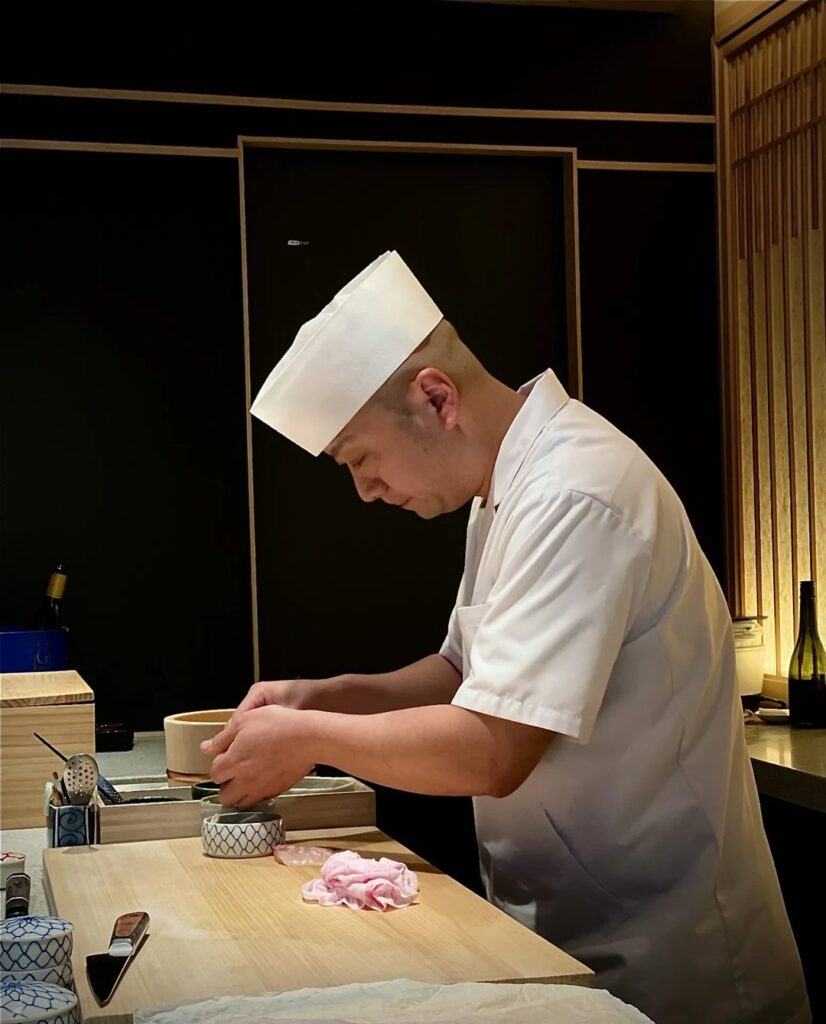
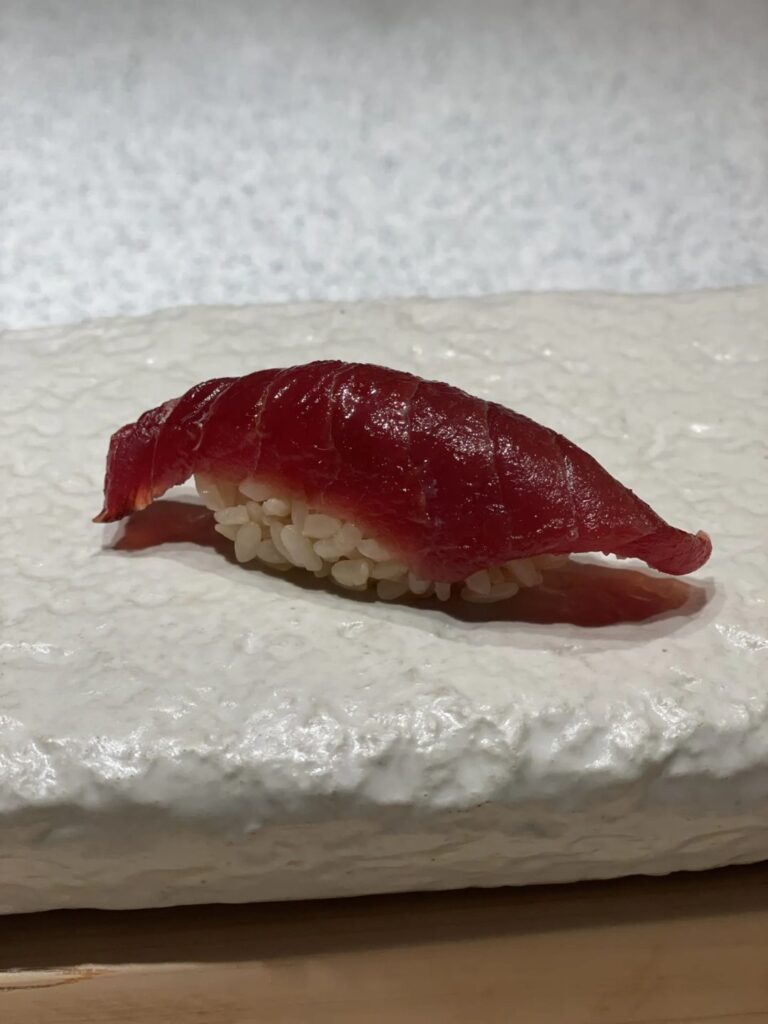
This meal was worth more than its price. Ooki is hard to book even once, and on this visit our group actually booked out the whole counter, thanks to a fellow Revitguide member who arranged it. It made for a really special day.
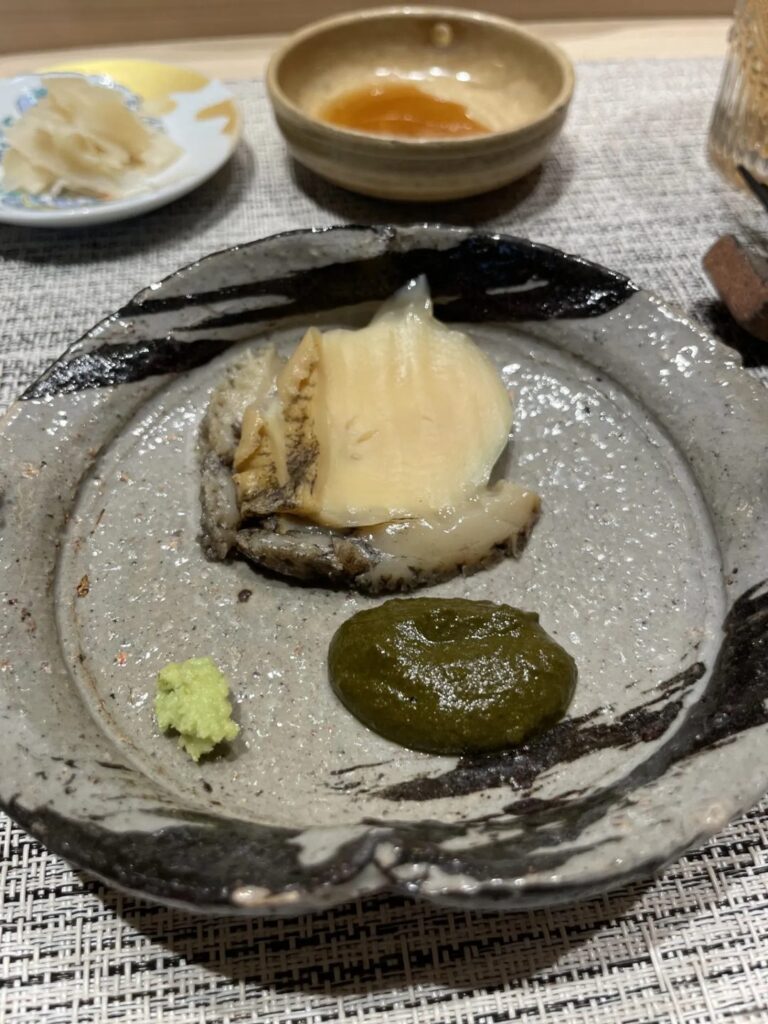
At the same time, the chef did not push hard with conversation. Instead, he set a mood where all of us could relax and enjoy ourselves. As for the food, it was very good, and I cannot think of a single moment that felt off or disappointing. Also, the fish held up well, and the seasoning and temperature of the rice suited me.
Better with good company
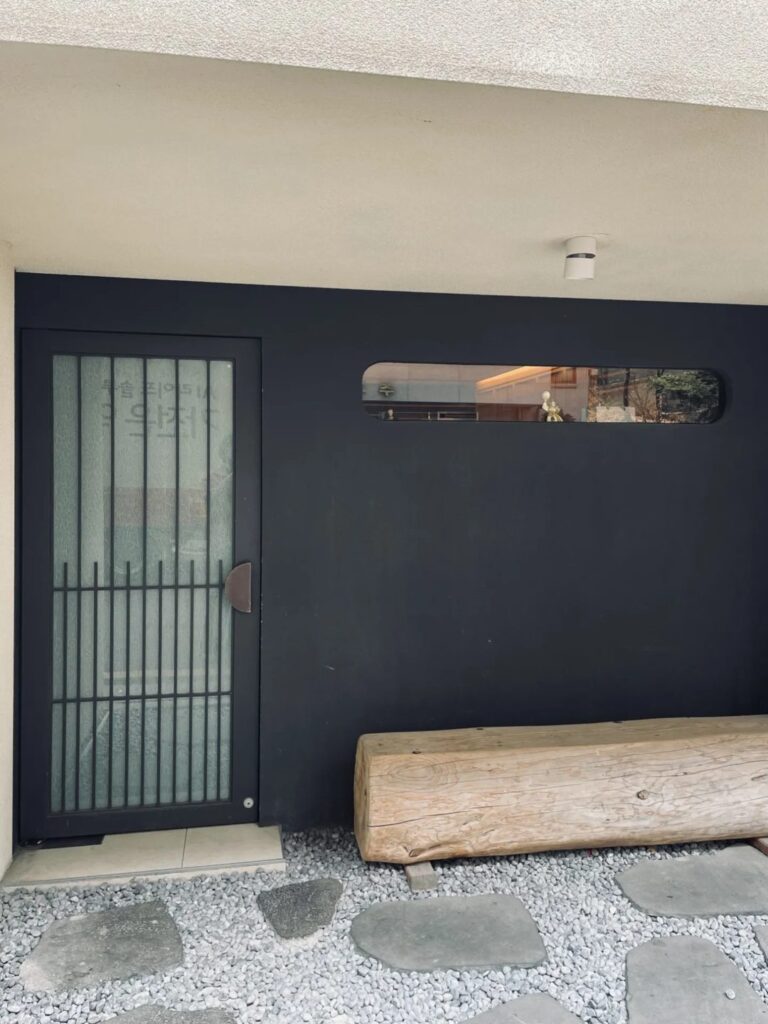
My one small regret was that neither the entrance nor the room had much that expressed Ooki’s own identity. Even so, this day taught me that omakase really shines when you go with people you get along with. It was a happy time, and all I remember is laughing. Add the chef’s delicious food to that mood, and it became one of my best food experiences.
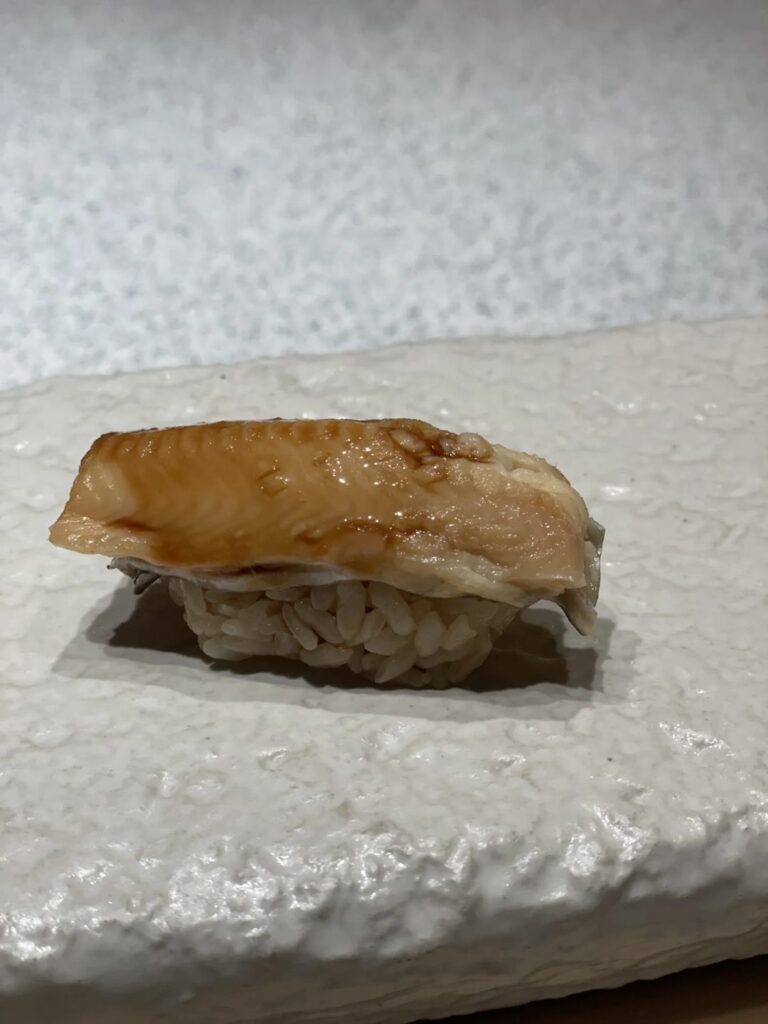
Good to know: I visited in March 2026, when Chef Oh Yong-tak still ran the counter. He left at the end of that month to open Taku (below). According to 2026 visitor posts, Ooki stays open with a different chef, so expect a different style from the one I describe here.
- Address: 101, 27 Nonhyeon-ro 124-gil, Gangnam-gu, Seoul (서울 강남구 논현로124길 27 101호)
- Station: Hakdong Station (Line 7), Exit 1, about 200 m
- Booking: CatchTable. Closing days differ between sources, so check before you go.
- Map: Open in Naver Map
- Original review on Revitguide
2. Taku (타쿠)
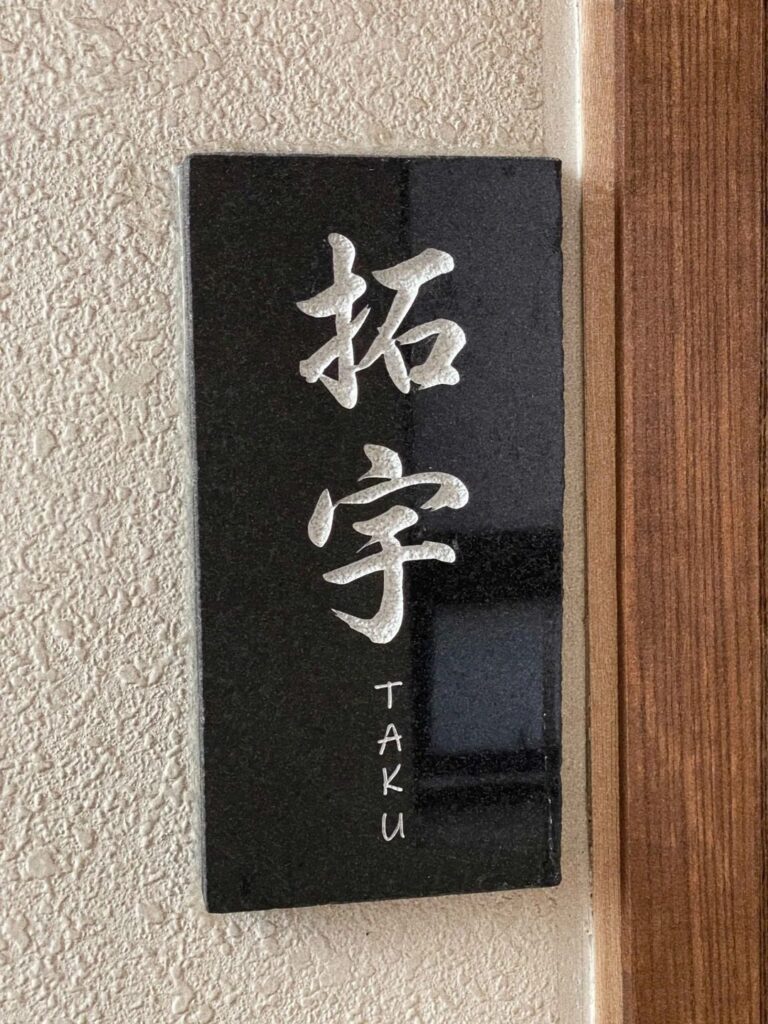
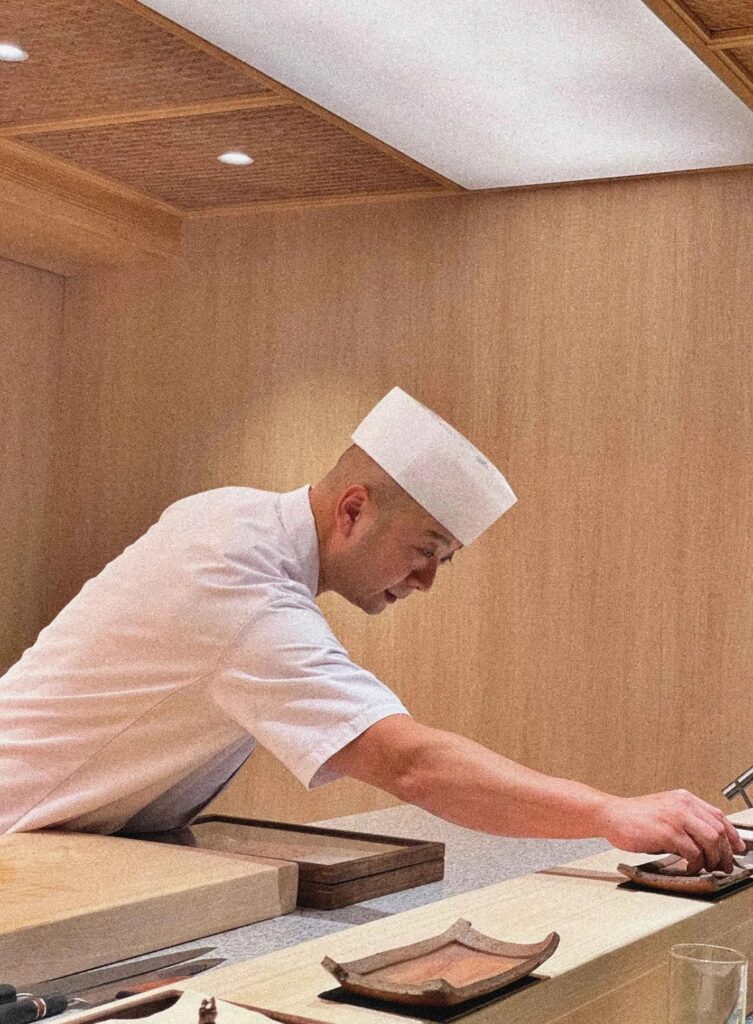
Taku is the new counter of Chef Oh Yong-tak, the chef I met at Ooki. It sits near Apgujeong in Sinsa-dong. In fact, from the moment I walked in, I could feel how much preparation had gone into this space.
Red vinegar rice and straw-seared fish
In the sushi, the red vinegar rice (akazu shari) clearly stood out. It never pushed too hard. Even so, its gentle acidity woke up my appetite and lifted the flavor of each topping. The rice I had hoped for from this chef was as charming as ever.
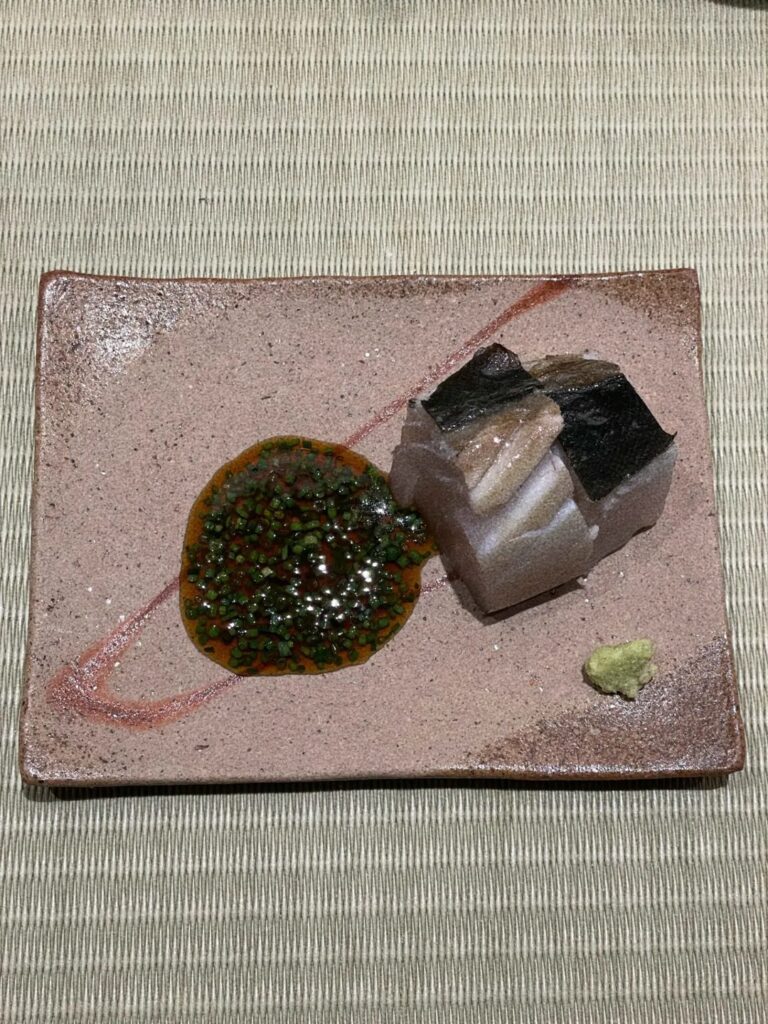
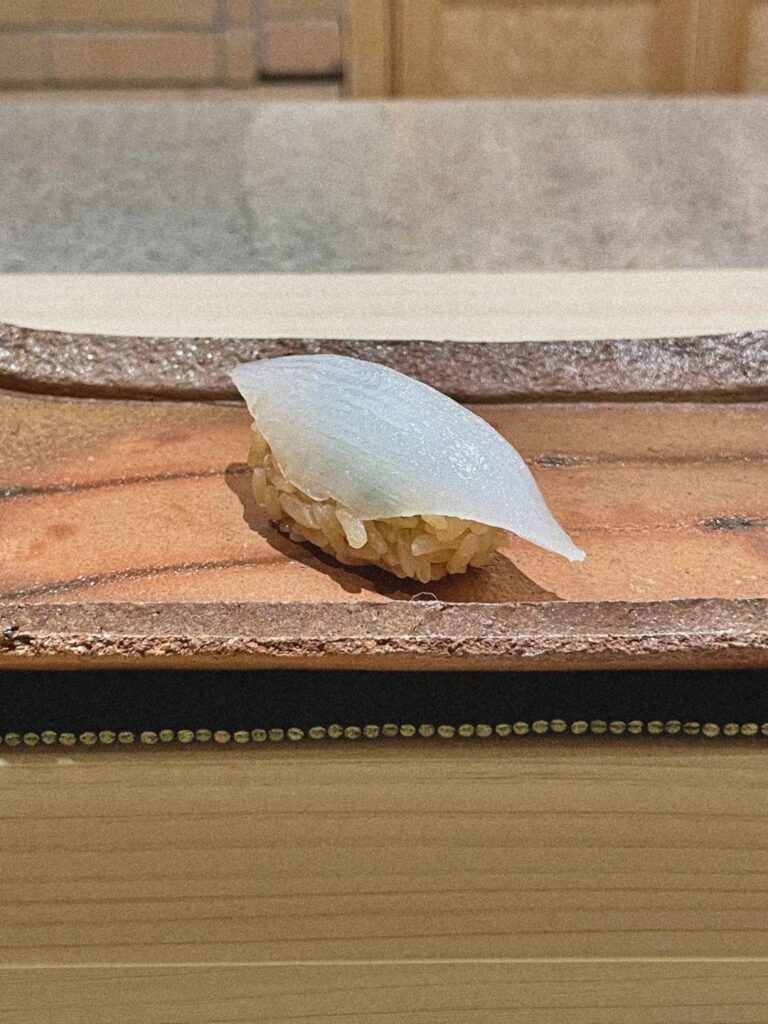
The tsumami I remember most was Spanish mackerel (sawara) seared over burning straw right in front of us. In addition, the Kyushu striped squid melted in my mouth. Even “soft” does not quite cover it.
Hosting with perfect timing
Above all, the chef’s hosting impressed me as much as the food. He is already known for it, and now I finally understand why. He keeps the flow and focus of the meal intact, yet he makes guests laugh at just the right moments. However, it is different from simply being a funny talker. He watches each guest so that the mood never sags, but the hosting never takes over from the food. For me, that balance between a good meal and a cheerful room felt like his real strength.
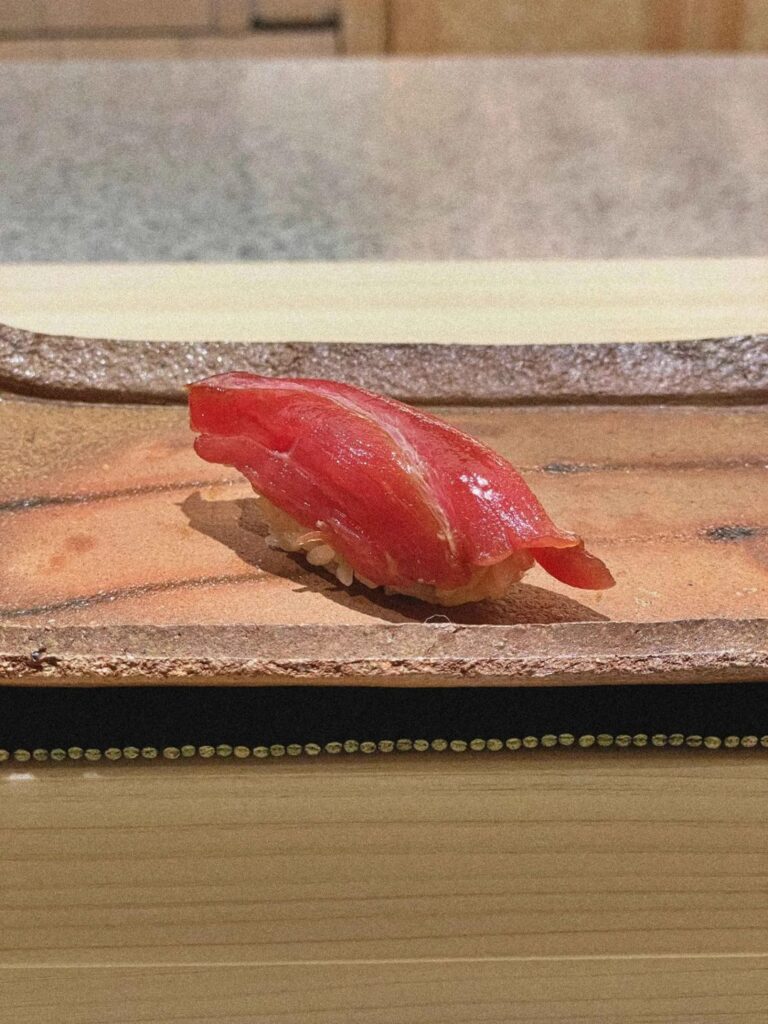
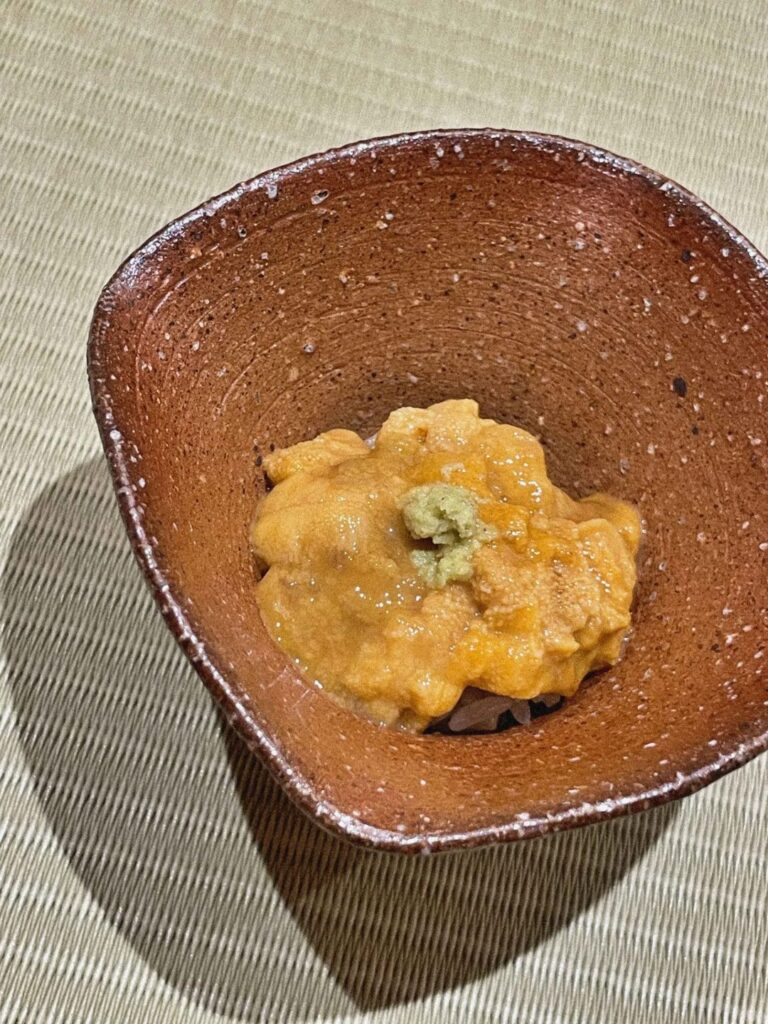
When I visited in September 2026, Taku was already booked solid until January. I am excited to see how good the meals here will get as this new space builds up some history.
- Address: 2F, 14 Nonhyeon-ro 161-gil, Gangnam-gu, Seoul (서울 강남구 논현로161길 14 2층)
- Station: Apgujeong Station (Line 3), about 400 m
- Price: lunch ₩100,000, dinner ₩200,000. Seven counter seats, up to four people per booking.
- Closed: Sundays and Mondays
- Booking: CatchTable. The next month’s seats open on the 20th at midnight, and they go fast.
- Map: Open in Naver Map
- Original review on Revitguide
3. Sushi Minami (스시 미나미)
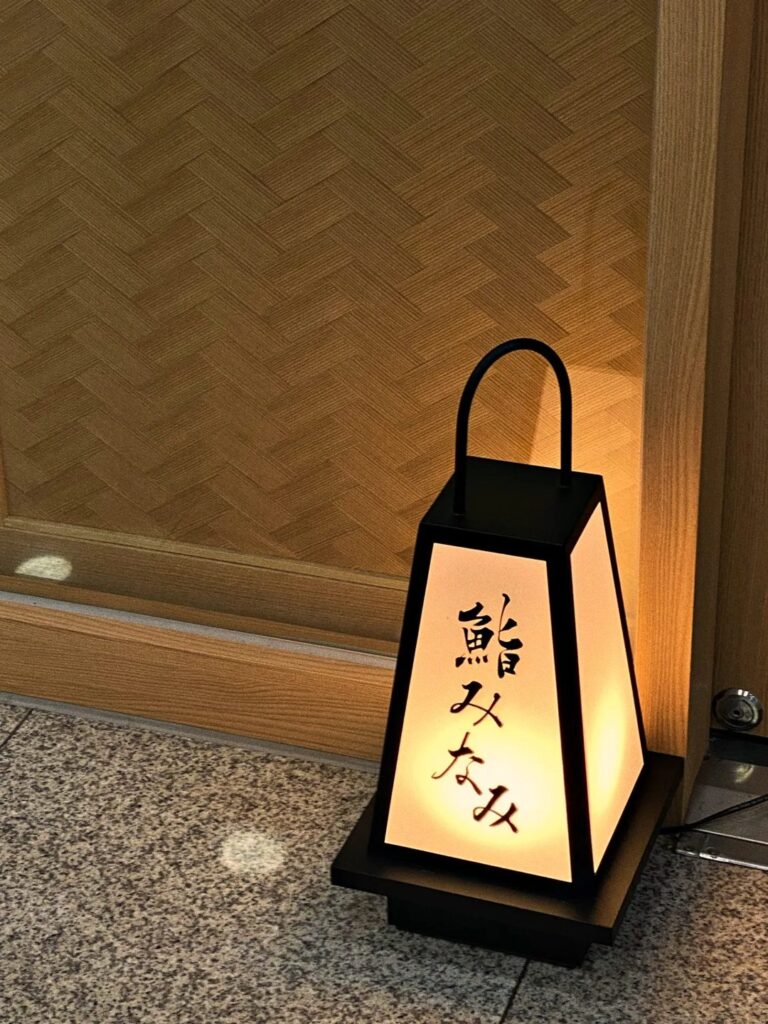
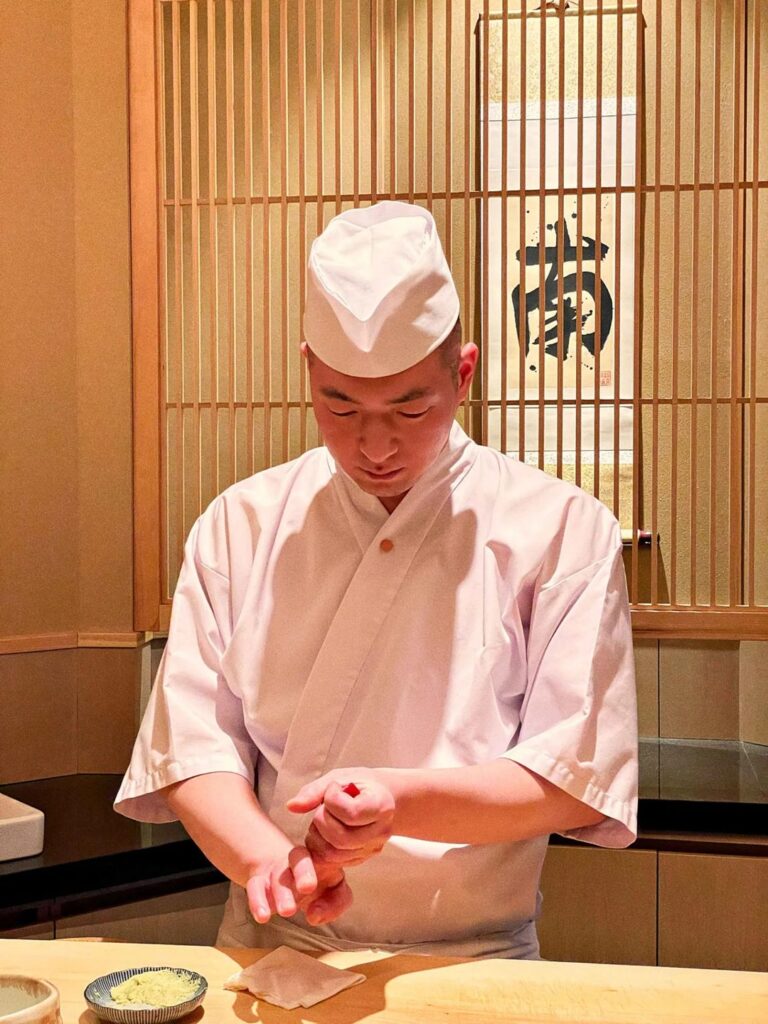
Sushi Minami is the counter of Chef Nam Sung-hoon. He trained at Sushi Saito in Tokyo and later worked at Sushi Saito Juyon in Seoul, then opened Minami in December 2025. The name comes from the Japanese reading of his family name, 南. I went twice, first for lunch and then for dinner.
Lunch (September 2026)
I came curious because it was a new place, and to sum up first, the lunch went beyond my expectations. Even at lunch, the course from tsumami to nigiri was solid. In other words, no part felt weak, and the flow carried on naturally.
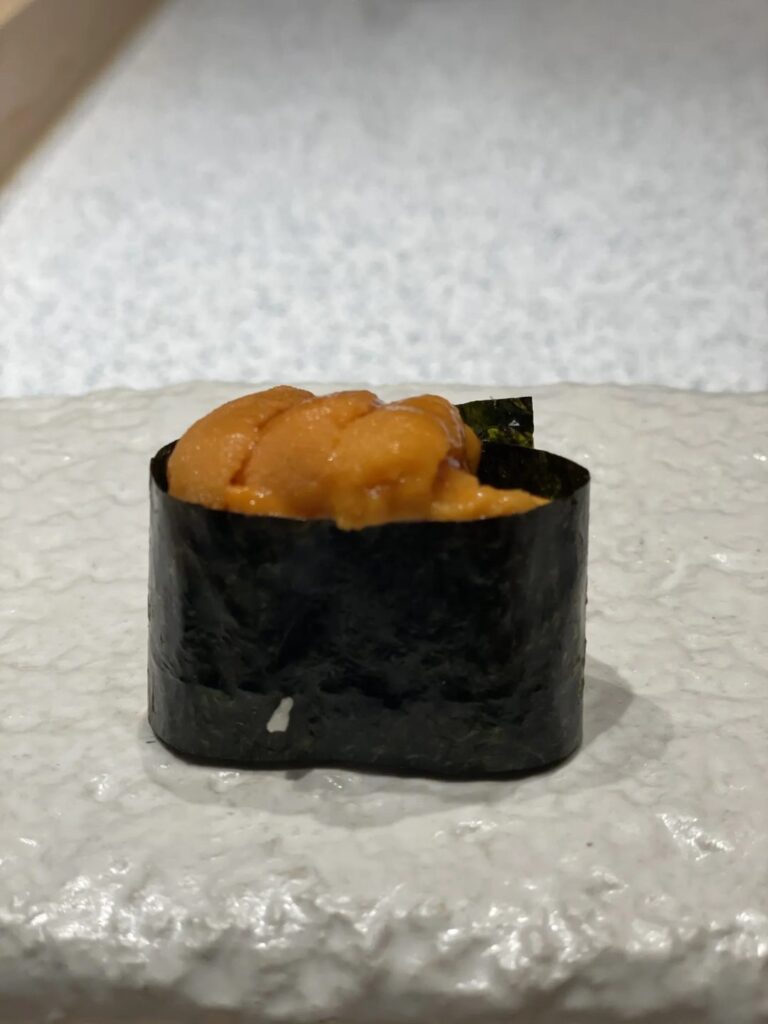
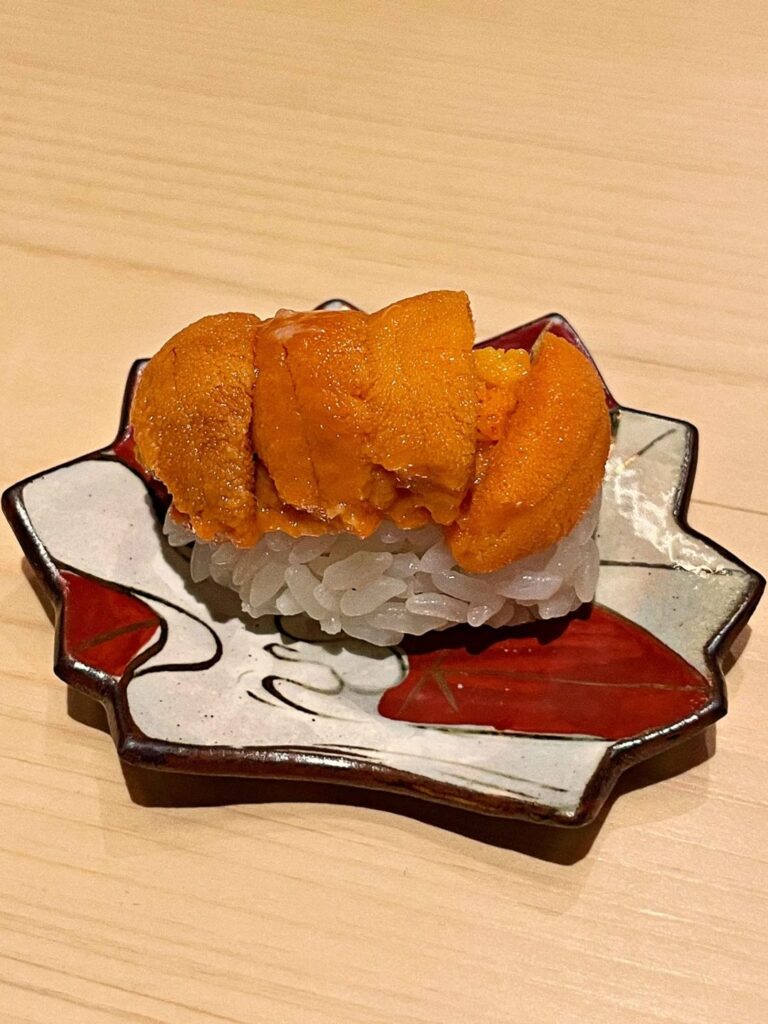
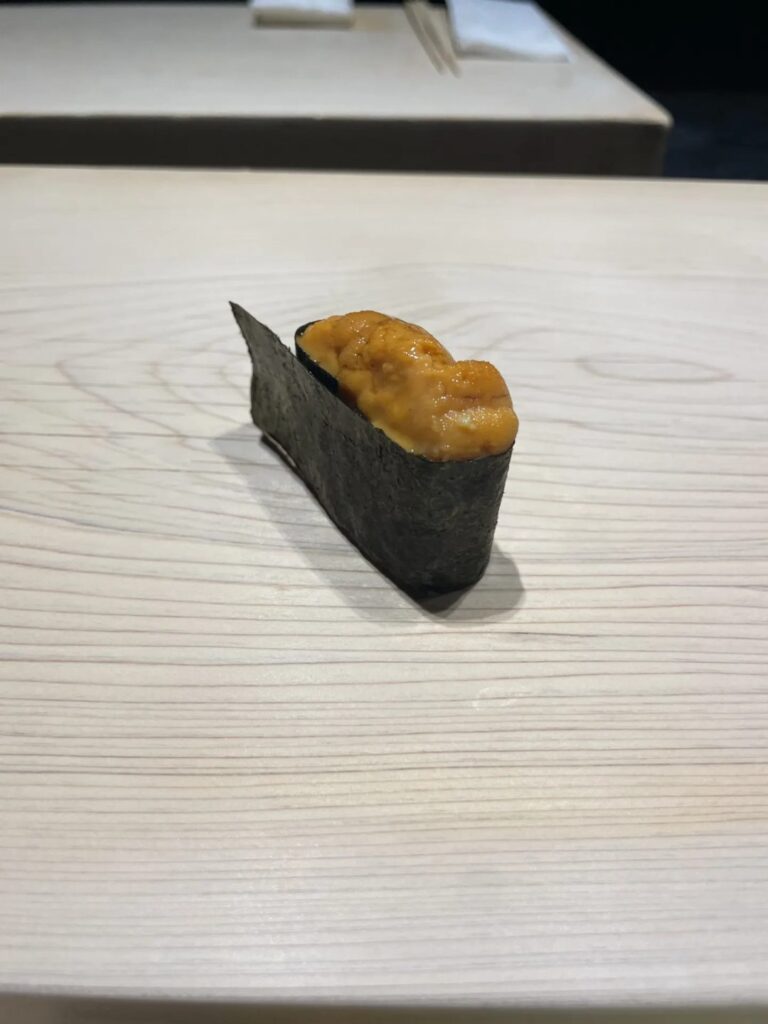
What I liked most was the build-up to the tuna. Instead of opening with the strongest ingredients, the course stacks flavors one by one and reaches its finale with tuna. Meanwhile, the rice supported the toppings rather than showing off, and the sea urchin was especially good.
The hosting also stuck with me. For example, when a guest at another seat could not eat an ingredient, the chef swapped in a different piece right away. I felt that he watches each guest closely. Minami had not been open long, yet both the food and the service already felt steady. If lunch is this good, what is dinner like? I wanted to come back for dinner next.
Dinner (October 2026)
So the lunch brought me back for dinner. Chef Minami lifts the mood of the whole counter with his cheerful hosting. That day some guests arrived late. As a result, he thanked those of us who had waited by serving us marinated tuna on the side. It was a small gesture, but I relaxed before the course had even started.
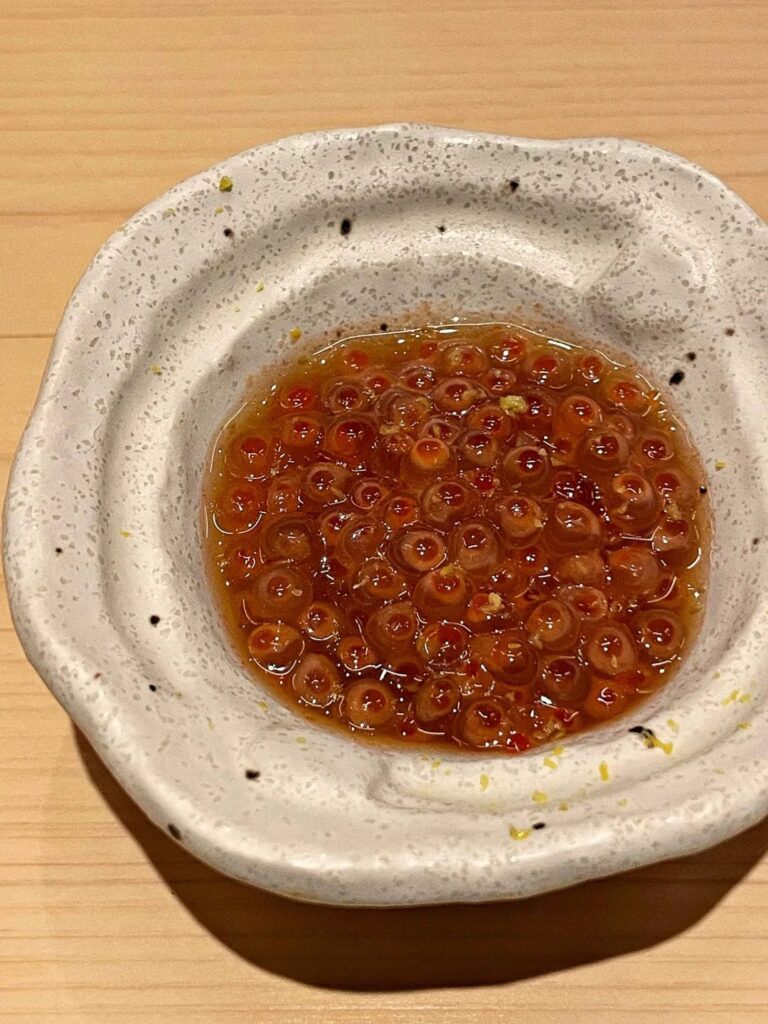
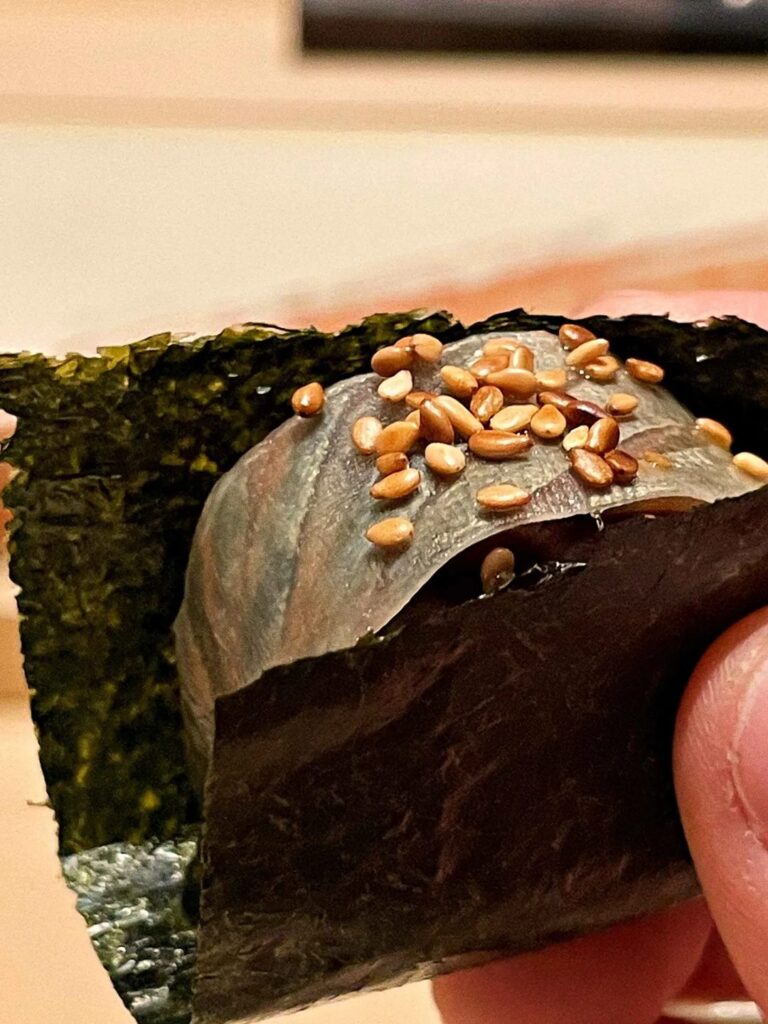
The course showed real ambition about ingredients, and the chef’s confidence came through in both the tsumami and the nigiri. The ikura that opened the tsumami popped nicely in my mouth, and the mackerel bo-zushi was tasty too. Herring also appeared that night. In fact, the chef told us herring is hard to get even in summer, and they were lucky to get some this time. After hearing that story, it somehow tasted even better.
Ankimo and autumn nigiri
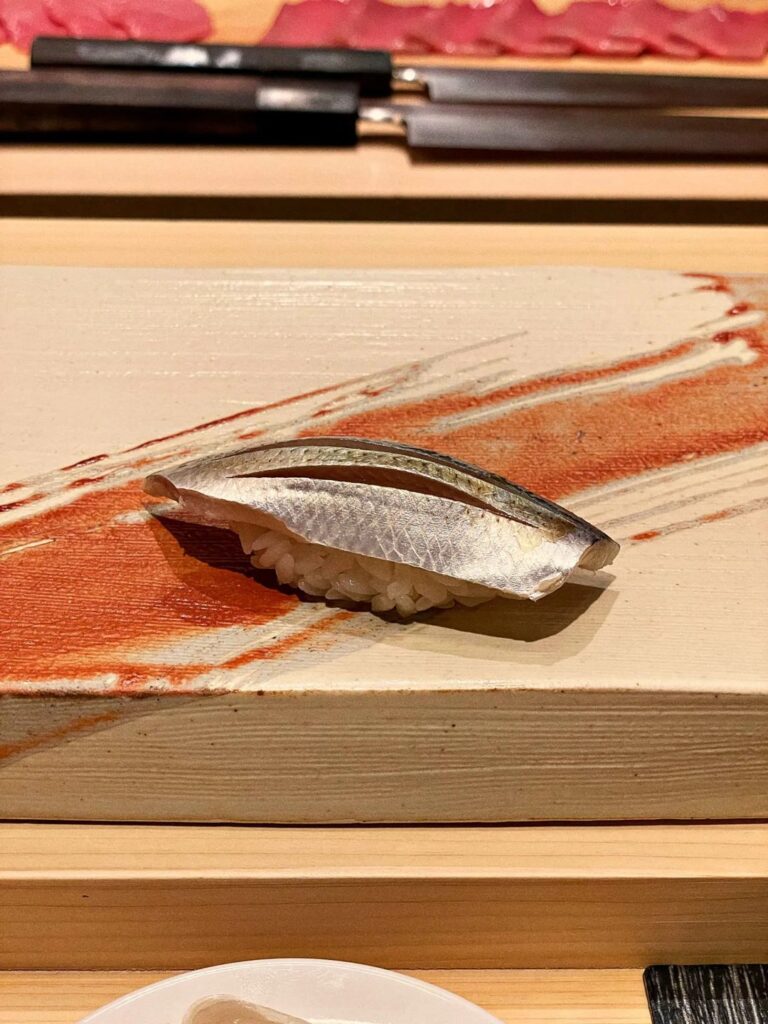
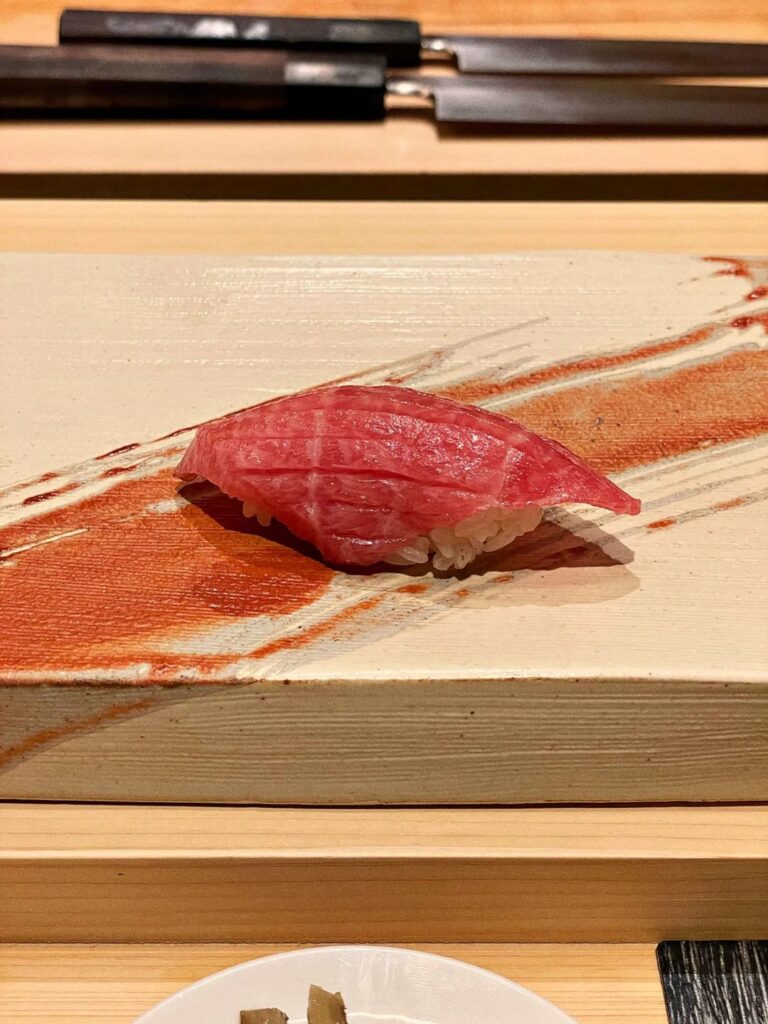
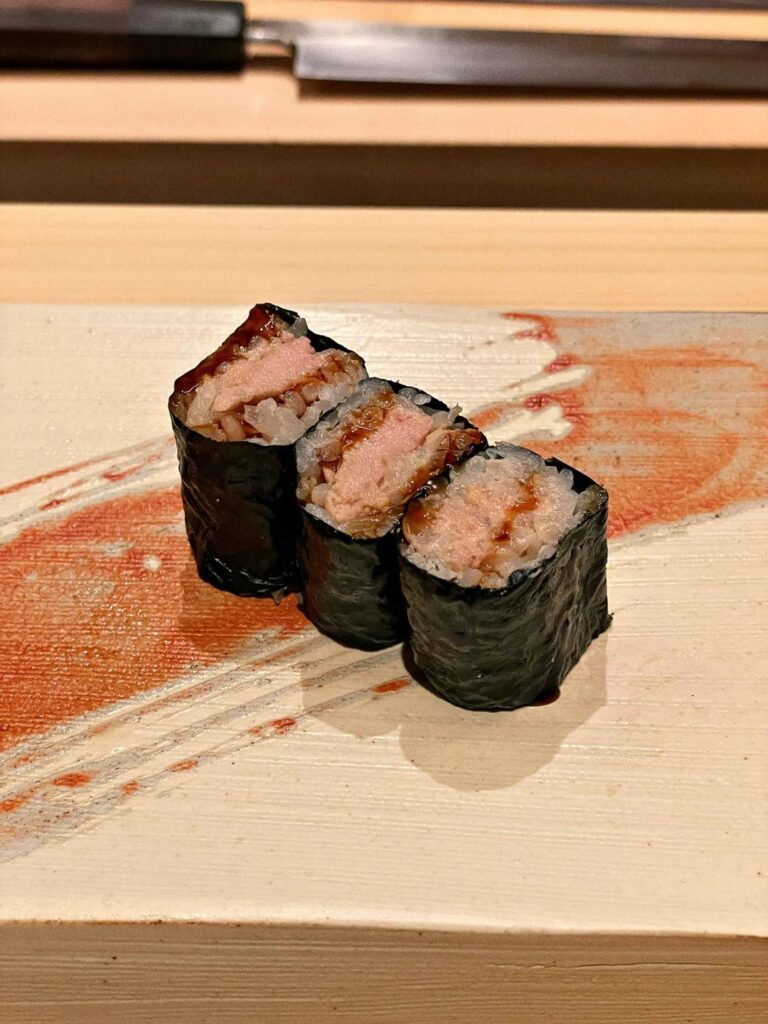
Still, the dish I remember most was the ankimo (monkfish liver). It crumbled softly, then a sweet, nutty richness spread in waves. Softness stayed with me more than heaviness. Then, moving on to the nigiri, I could clearly feel the season, as fish gets fattier in autumn. Starting with yellowtail, then gizzard shad, bigfin reef squid and tuna, every piece was evenly good. Nothing caught, and I could just follow the flow and eat comfortably.
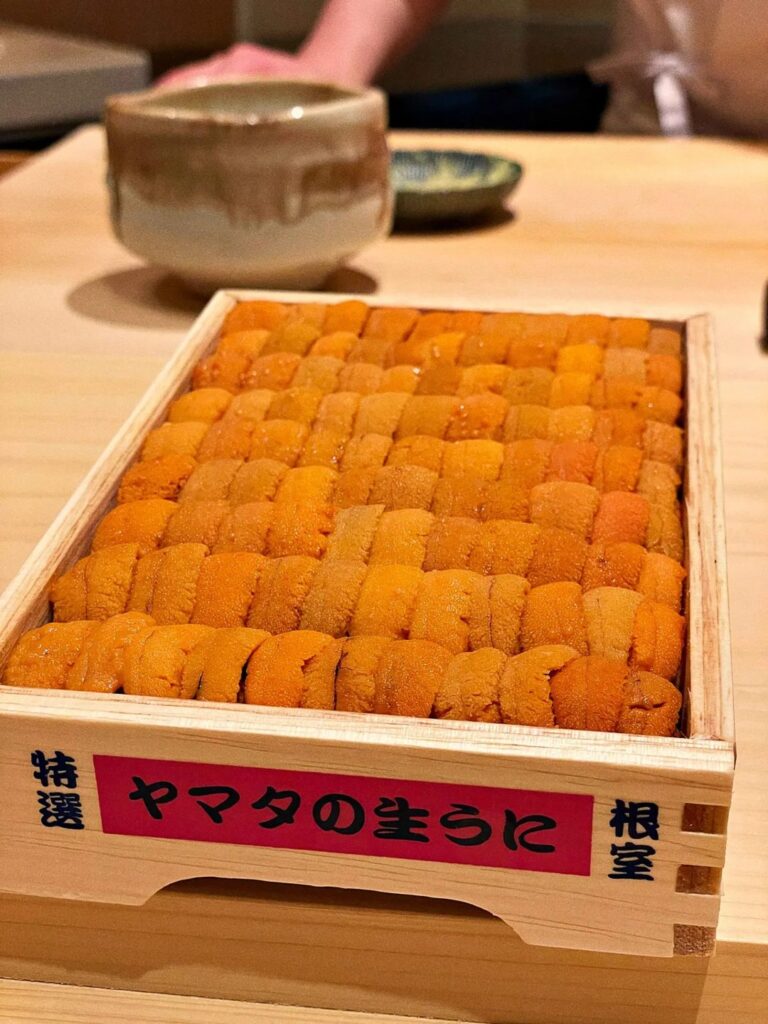
After that, the miso soup was good, and the sea urchin that day was in perfect shape, without a hint of fishiness. The course closed with an ankimo roll, which let me taste that ankimo one more time and ended things neatly. Finally, as we finished, the chef thanked Revitguide users for visiting and following the restaurant since it opened. Across lunch and dinner, I found a place with no gaps in its course or its hosting.
- Address: B1, Geumha Building, 401 Hakdong-ro, Gangnam-gu, Seoul (서울 강남구 학동로 401 금하빌딩 B1)
- Station: Gangnam-gu Office Station (Line 7 and Suin-Bundang Line), Exit 4, right next to the building
- Price: lunch ₩120,000, dinner ₩230,000. About six to seven counter seats.
- Closed: Sundays and Mondays
- Booking: CatchTable
- Map: Open in Naver Map
- Original reviews on Revitguide: lunch and dinner
4. Sushi Shimizu (스시 시미즈)
Shimizu is a space that has built up about ten years of history, and you can quietly feel the long experience of Chef Lee Kwang-ryeol. Overall, both the price and the taste satisfied me. The restaurant is near Dosan Park, one of Seoul’s pricier areas, so being able to have lunch at this price felt like a real perk.
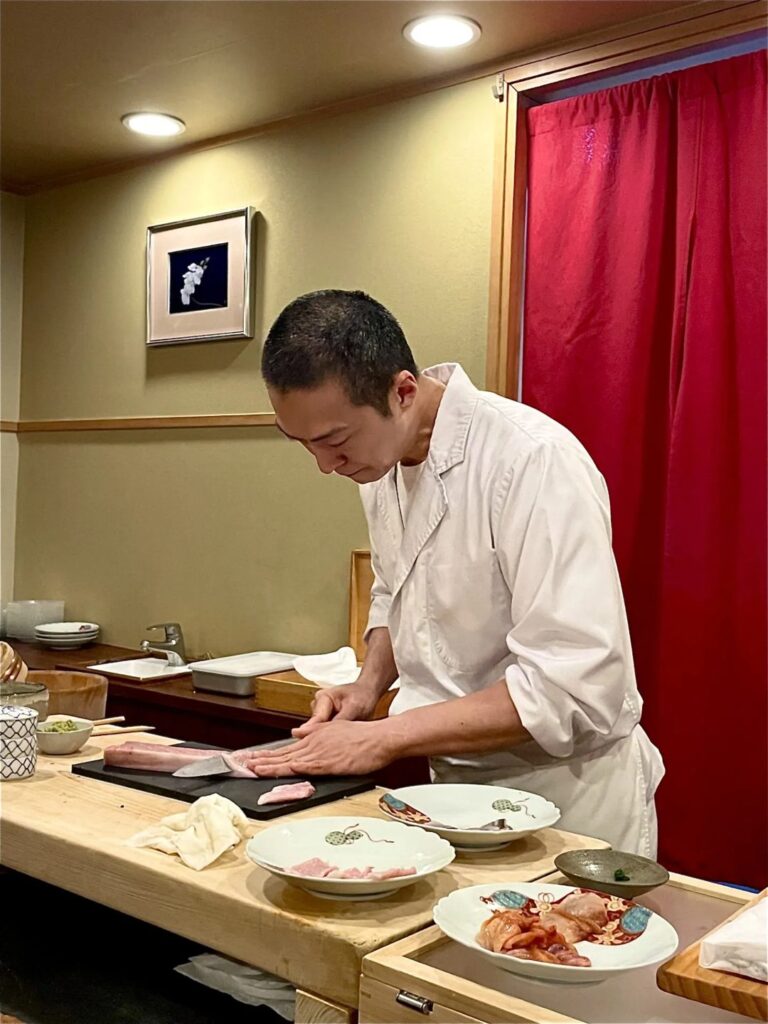
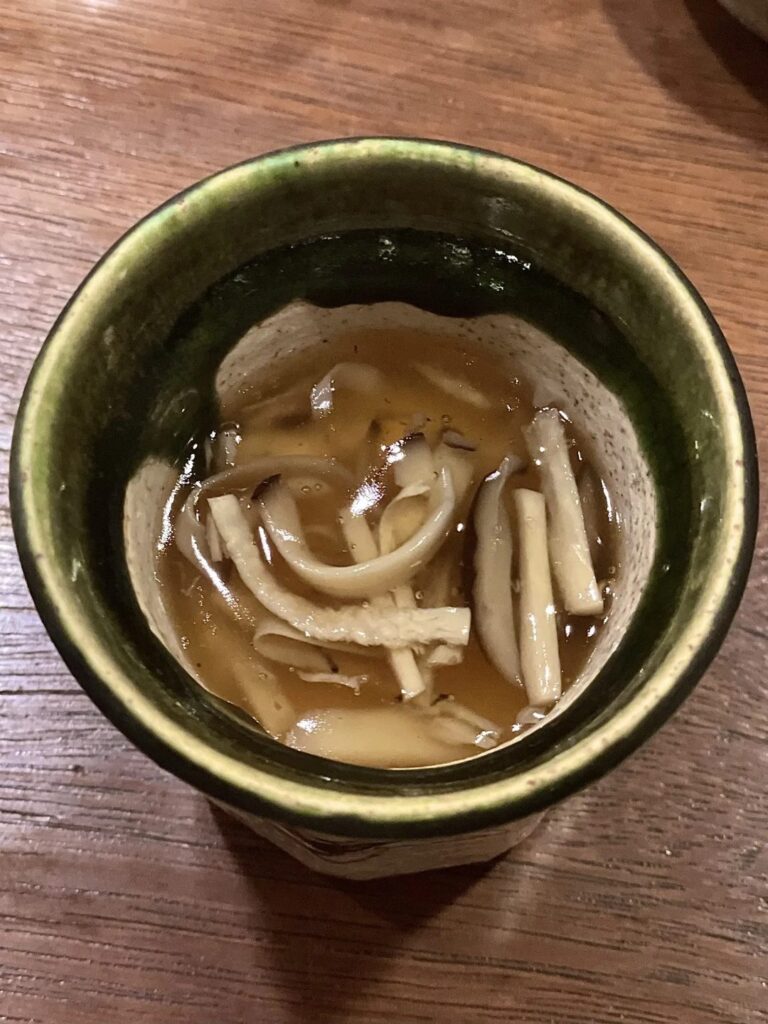
First, the course started with chawanmushi and stayed solid throughout. Even for lunch, it was filling. My best pieces were the sweet shrimp, the amberjack (kanpachi), the horse mackerel (aji) and the sea urchin roll.
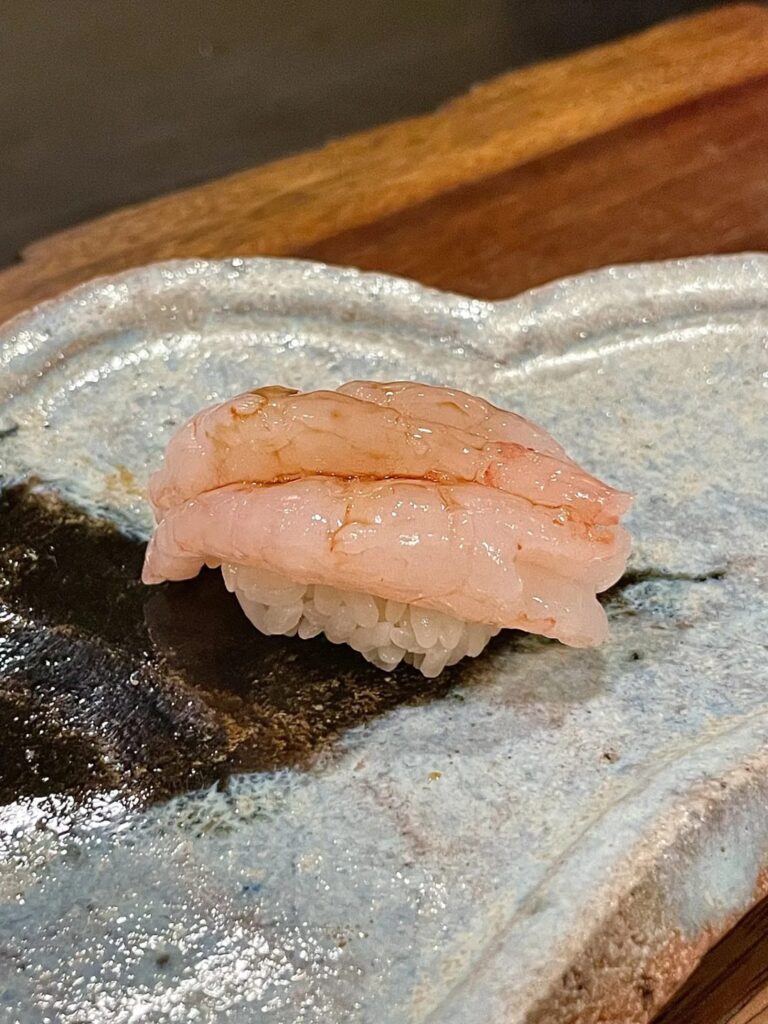
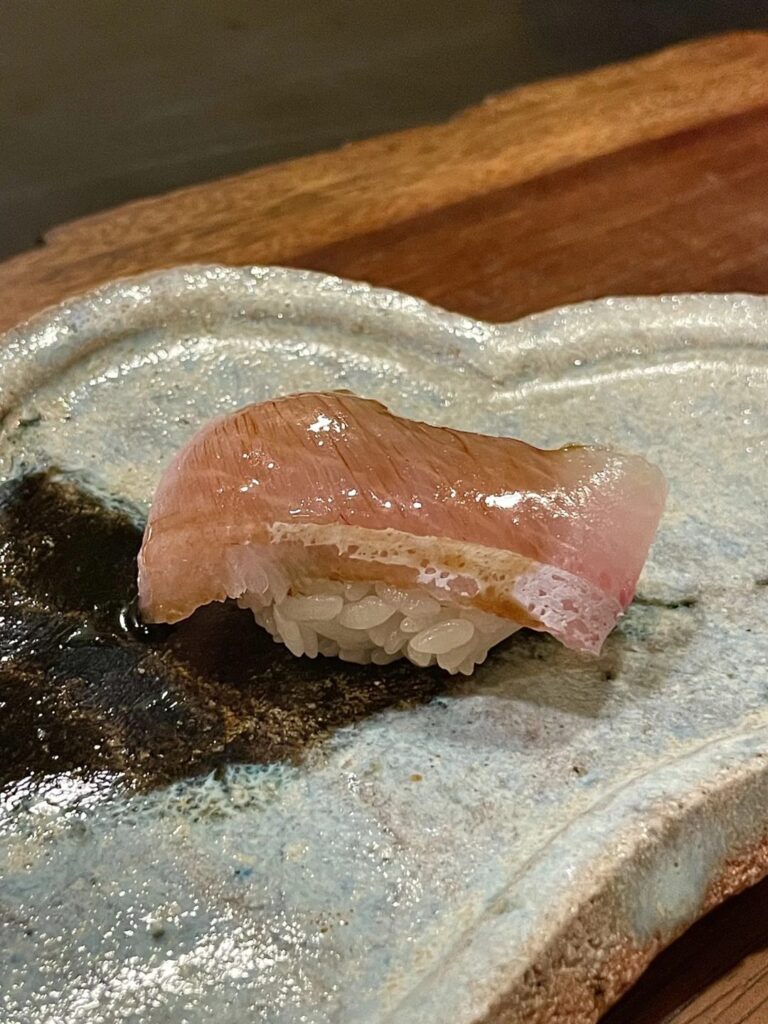
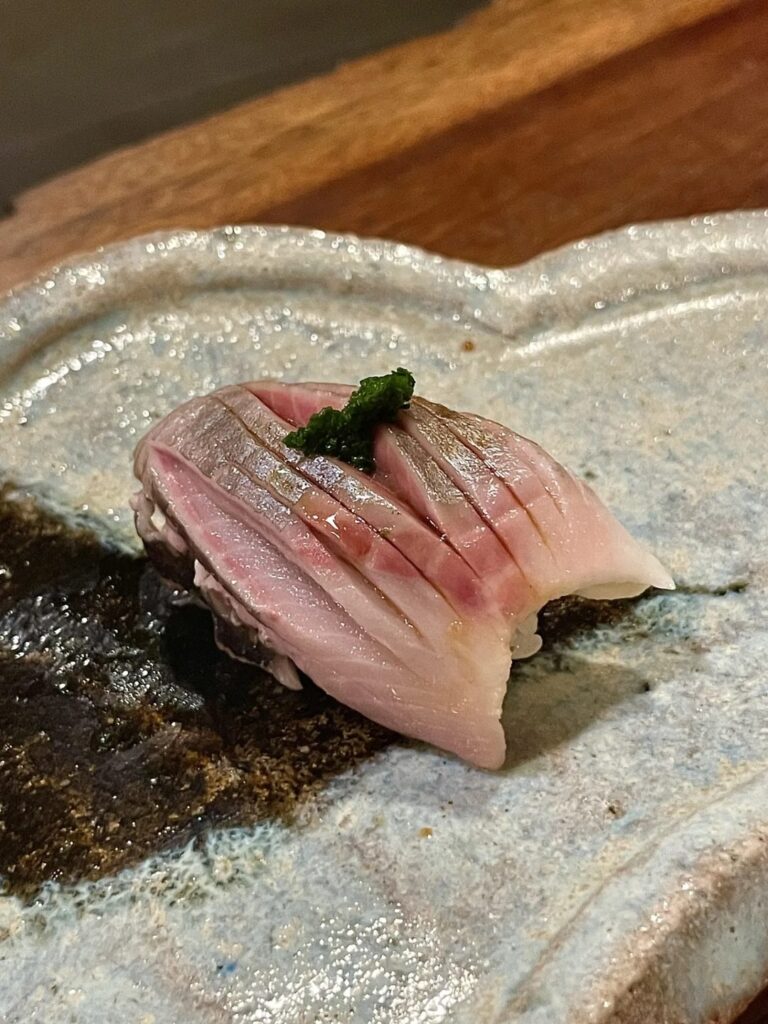
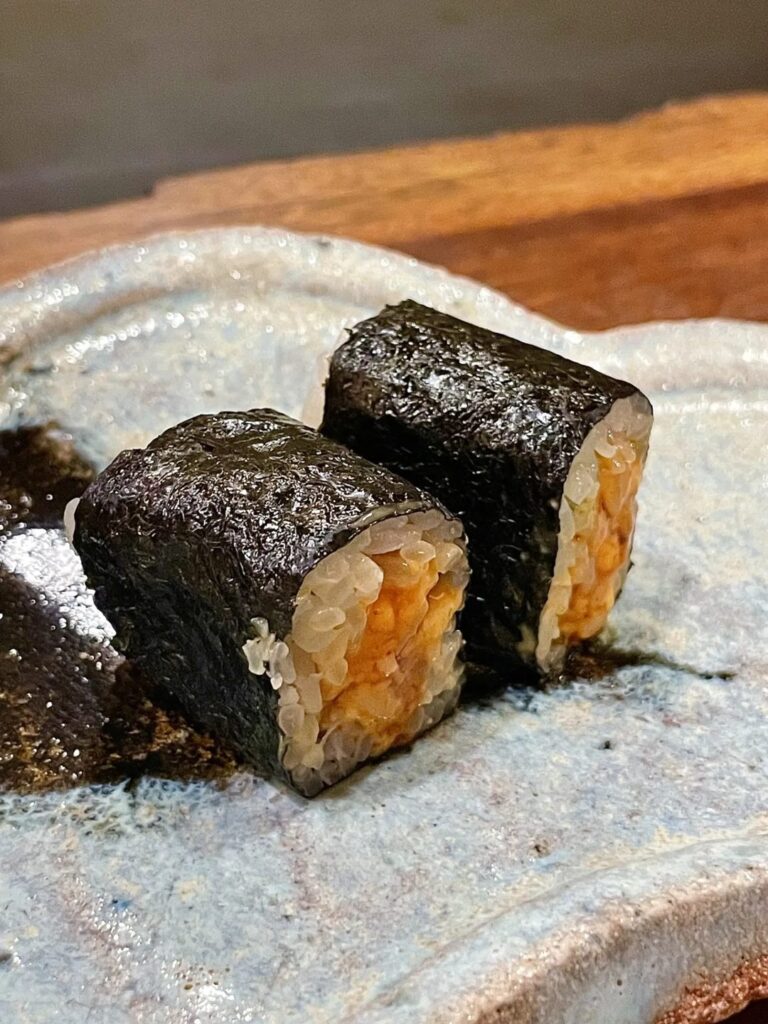
On top of that, the chef’s quiet hosting added to the meal. He is not the type to start conversations first. However, if you have a question, he explains things kindly and naturally. I would recommend Shimizu to anyone who wants warm hosting that never feels like too much.
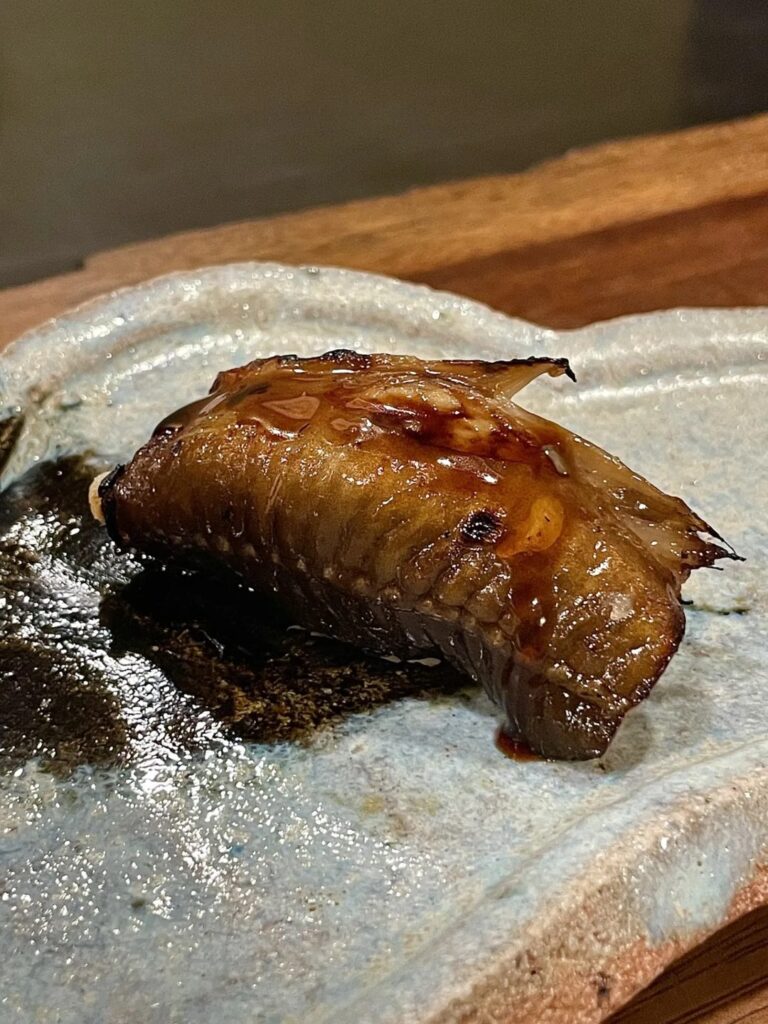
- Address: B1, 11-3 Eonju-ro 152-gil, Gangnam-gu, Seoul (서울 강남구 언주로152길 11-3 B1). There is no big sign outside, so follow the map.
- Hours: Monday to Saturday 12:00 to 21:30, break 14:00 to 16:00. Closed Sundays.
- Price: lunch ₩120,000. Dinner was about ₩240,000 in mid-2026.
- Booking: CatchTable
- Map: Open in Naver Map
- Original review on Revitguide
5. Sushi Senren (스시 센렌)
Senren is a sushiya that comes up a lot on Revitguide these days. It is run by Chef Kwon Se-hoon and opened in 2026. The name 洗練 means “refinement”.
The chawanmushi that opened the tsumami made a strong first impression. At first I expected a light opener, but the impact hit from the very first dish. The katsuo (bonito) had been aged for three days. Because it was in season, it tasted at its very best.
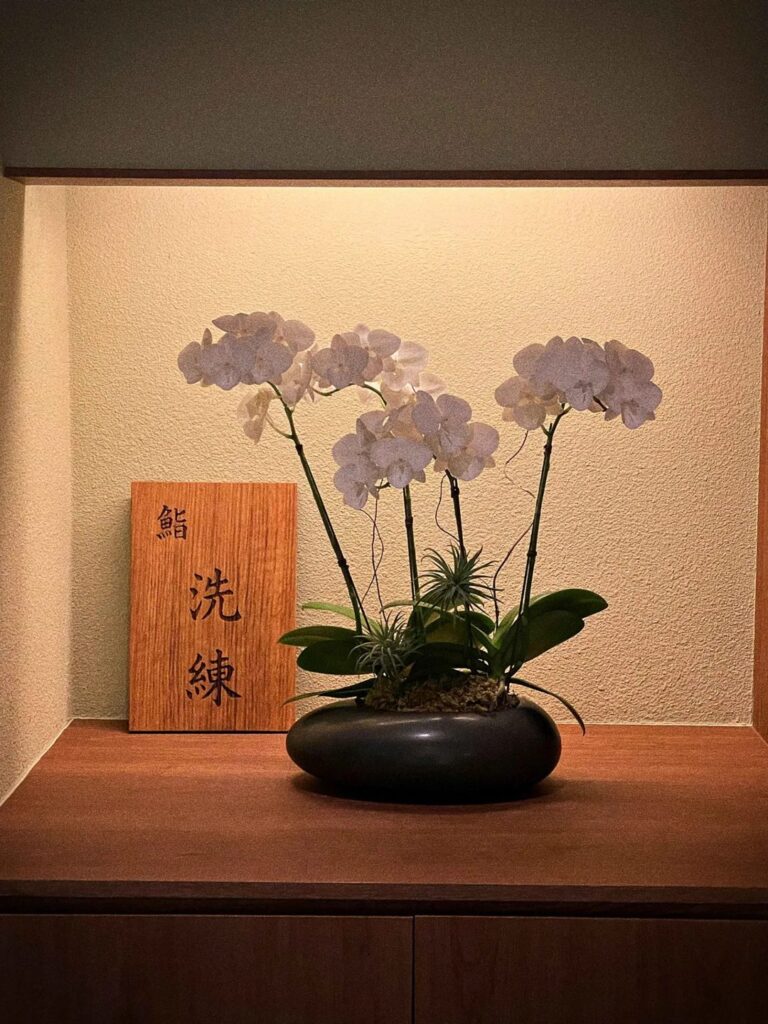
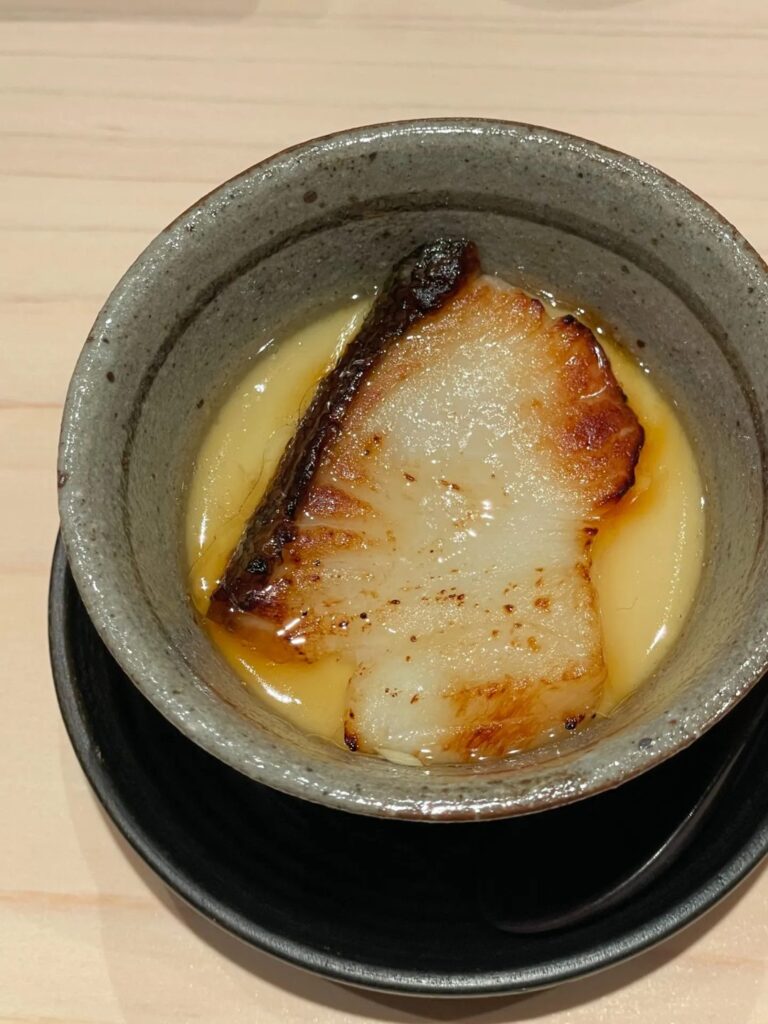
My favorite tsumami was the ankimo. It had a thick texture that reminded me of peanut butter, and its aroma lingered long after each bite. In short, that plate pushed my satisfaction to the top before the nigiri had even started.
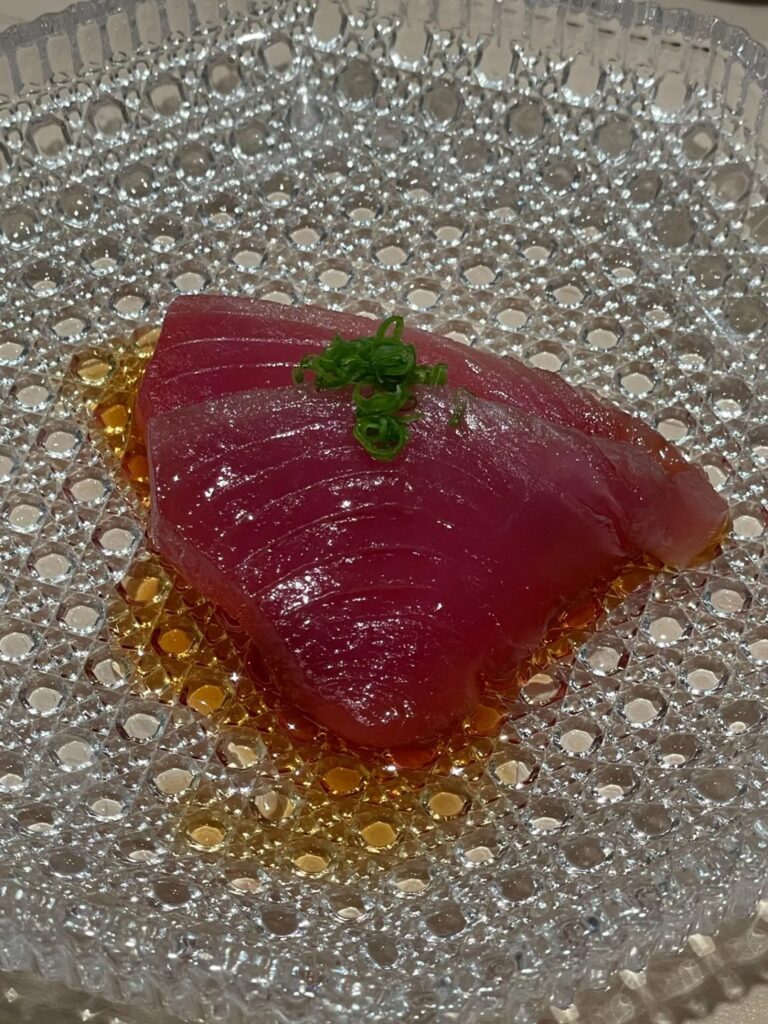
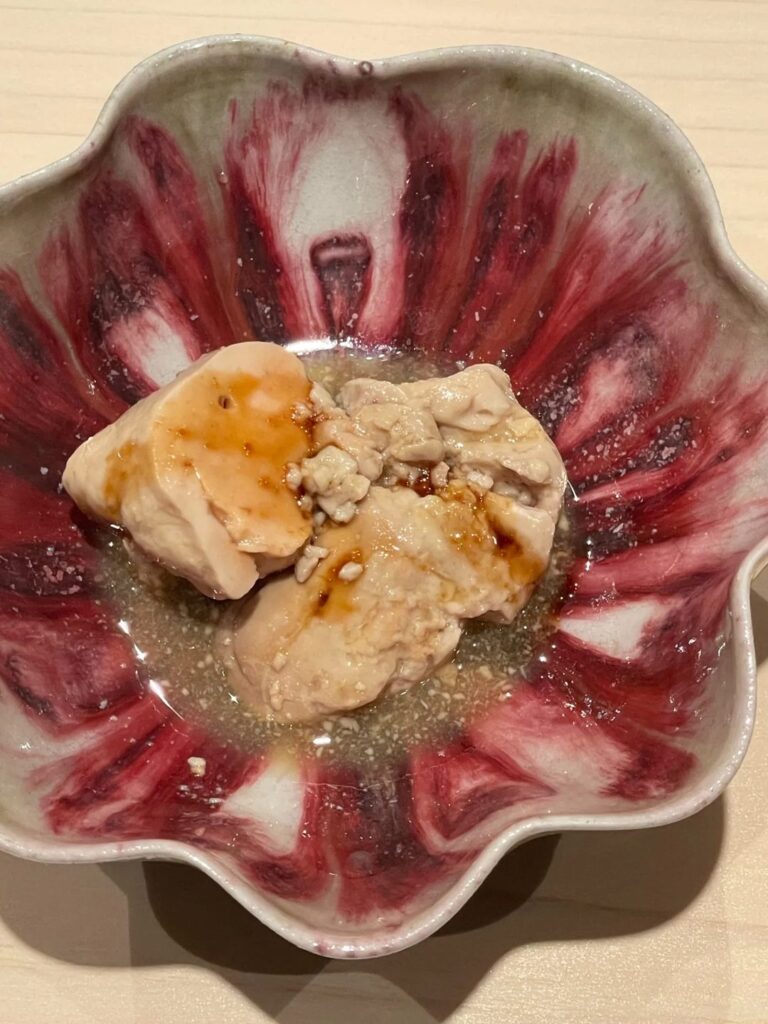
Red vinegar rice and aged fish
The nigiri style also suited me personally. The rice uses red vinegar and feels slightly loose, yet it never falls apart. In other words, rather than packed tight, each grain stays separate while the piece keeps its shape. Sea bream, striped jack (shima-aji), ikura and yellowtail came in turn. Of these, the gizzard shad from Kumamoto, aged for about 13 days, was especially delicious.
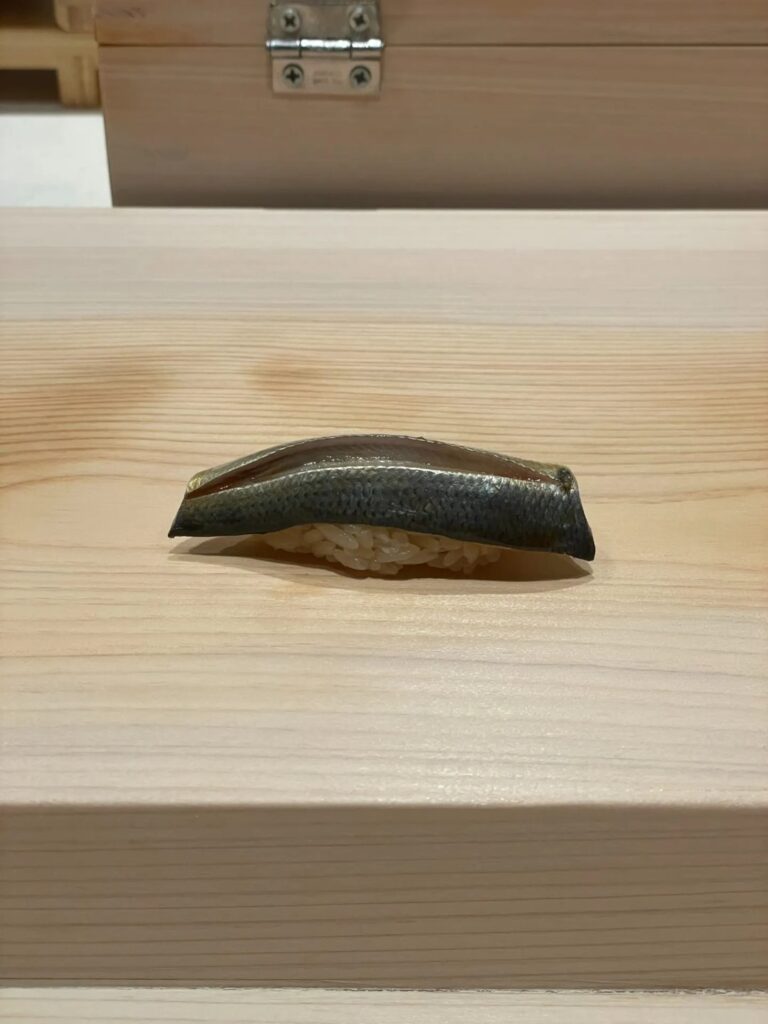
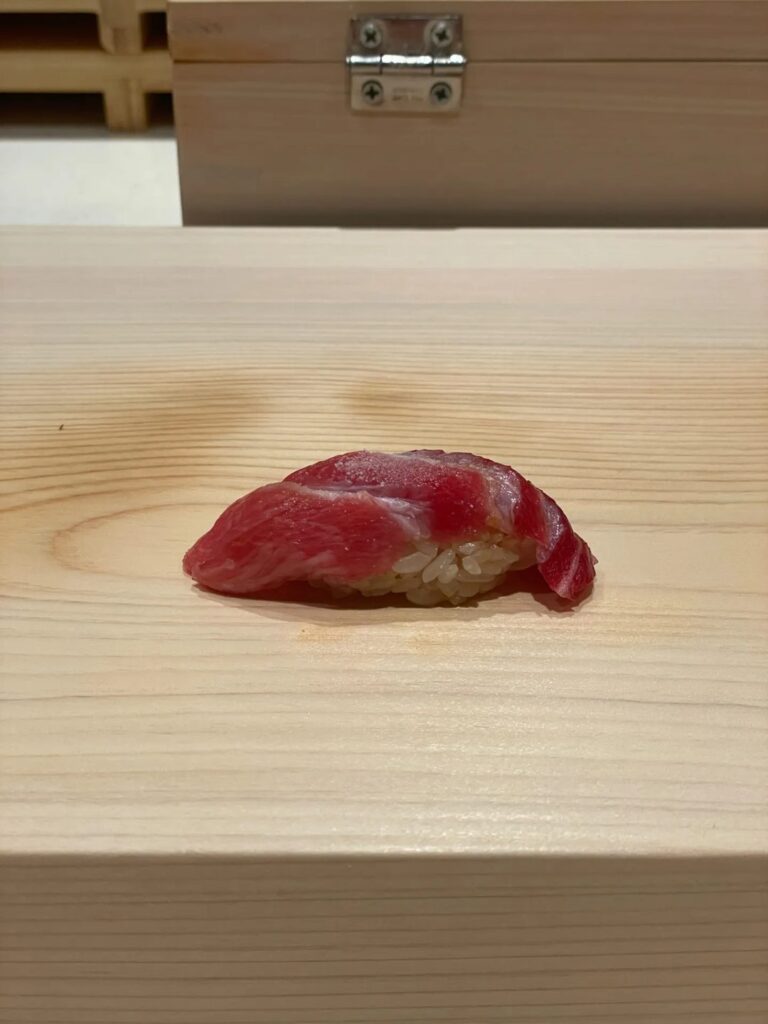
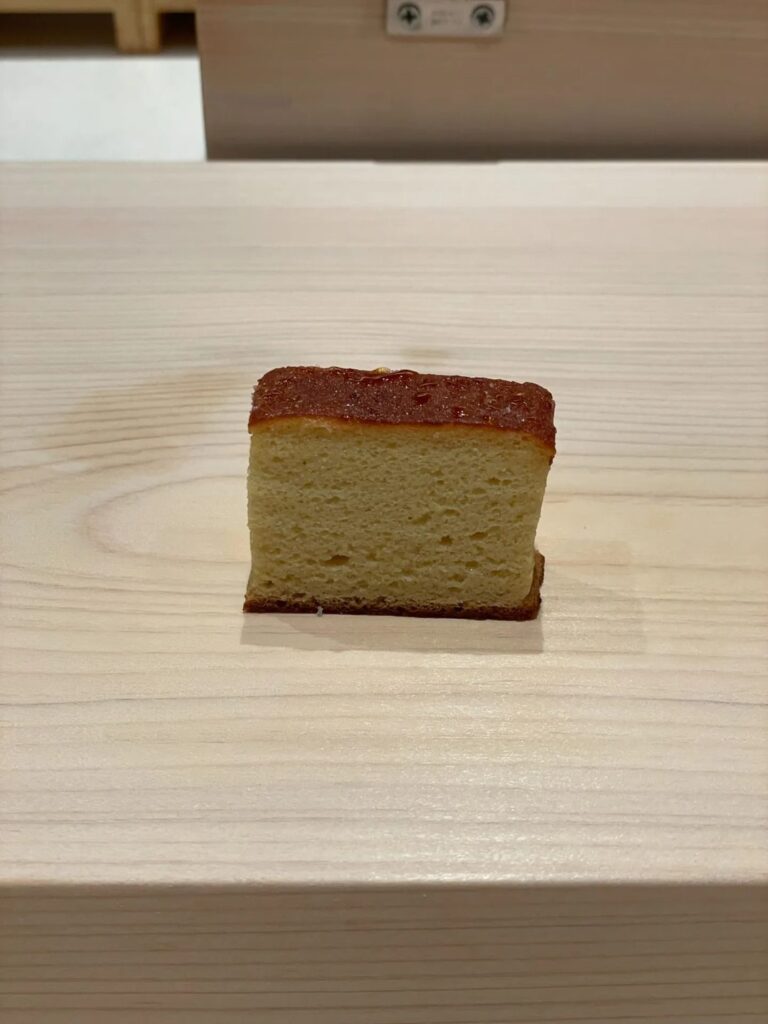
Next came wild tuna from Oma in Aomori as chutoro and otoro, then straw-seared katsuo and anago, and finally the tamago. The tamago was sweet, and one side was lightly toasted for a little crunch. Instead of ending on softness alone, it left a small twist, which made the finish fun.
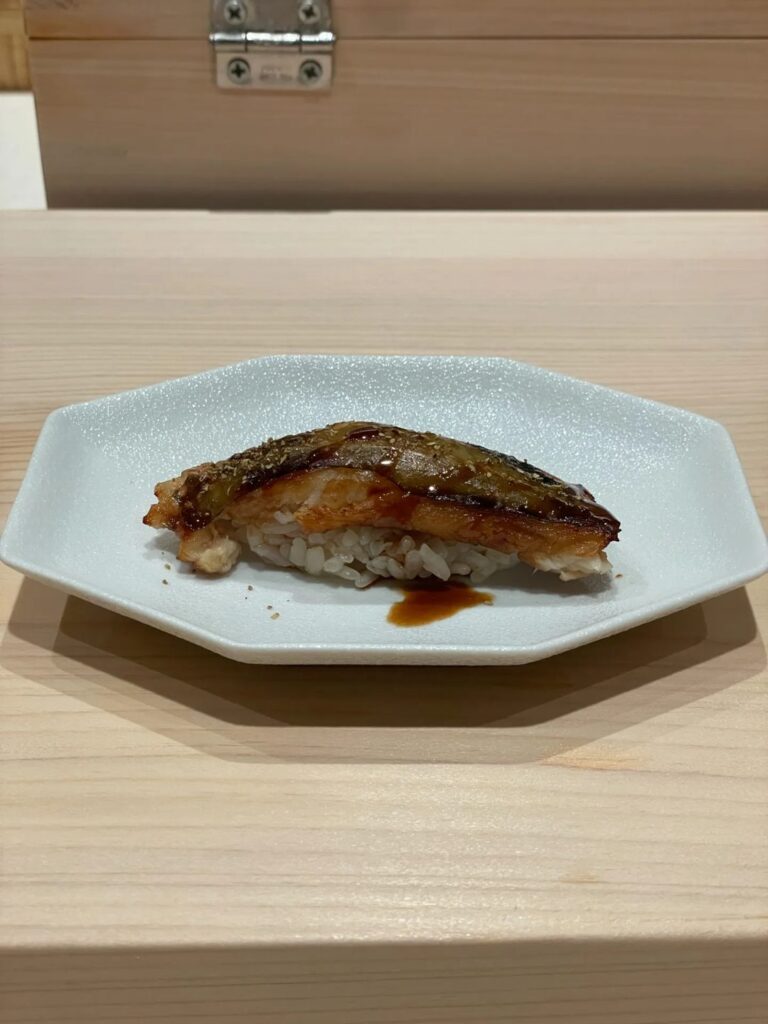
Quiet but attentive
The chef is on the quiet side. Even so, he answered every question with care and checked in now and then to see if we were enjoying the meal. Likewise, the manager and the assistant chef kept checking whether we needed anything. Thanks to all of them, I left even more satisfied. I now understand why everyone on Revitguide praises Senren, and I am curious what this young, skilled chef will serve as the years go by.
- Address: 1F, 9-4 Nonhyeon-ro 163-gil, Gangnam-gu, Seoul (서울 강남구 논현로163길 9-4 1층)
- Station: Apgujeong Station (Line 3), about a 5-minute walk
- Price: lunch was ₩110,000 and dinner ₩210,000 when it opened in mid-2026. I paid ₩130,000 for lunch in October 2026, so check CatchTable for the current price.
- Closed: Sundays and Mondays
- Booking: CatchTable. Seats for the next month open on the 20th.
- Map: Open in Naver Map
- Original review on Revitguide
6. Sushi no Aya (스시노아야)
Sushi no Aya is led by Chef Kim Kwang-min, who trained at Sushi Kanesaka in Ginza. It opened in Nine One Hannam in 2020 and moved to Cheongdam in 2026. I visited the old Hannam space in February 2026, just before the move, and Chef Lee Jong-jin served our part of the counter.
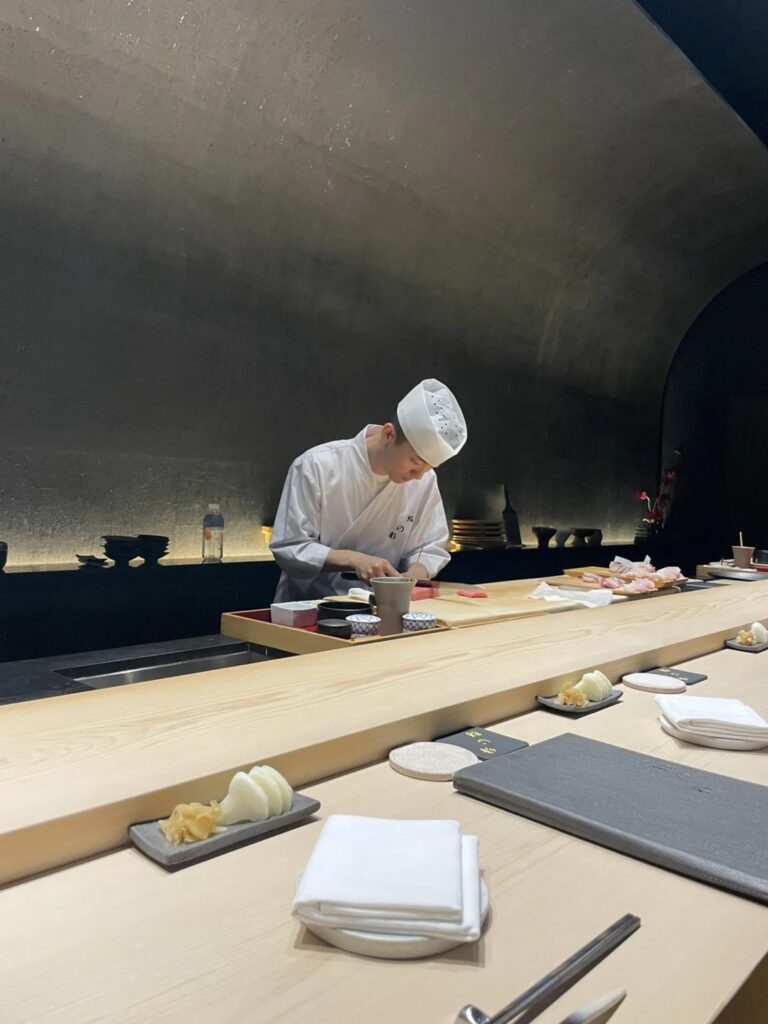
To begin with, you walk through an entrance that looks like a secret NASA base, into a cave-like room. The space was overwhelming from the very first look.
A lunch with a strong flow
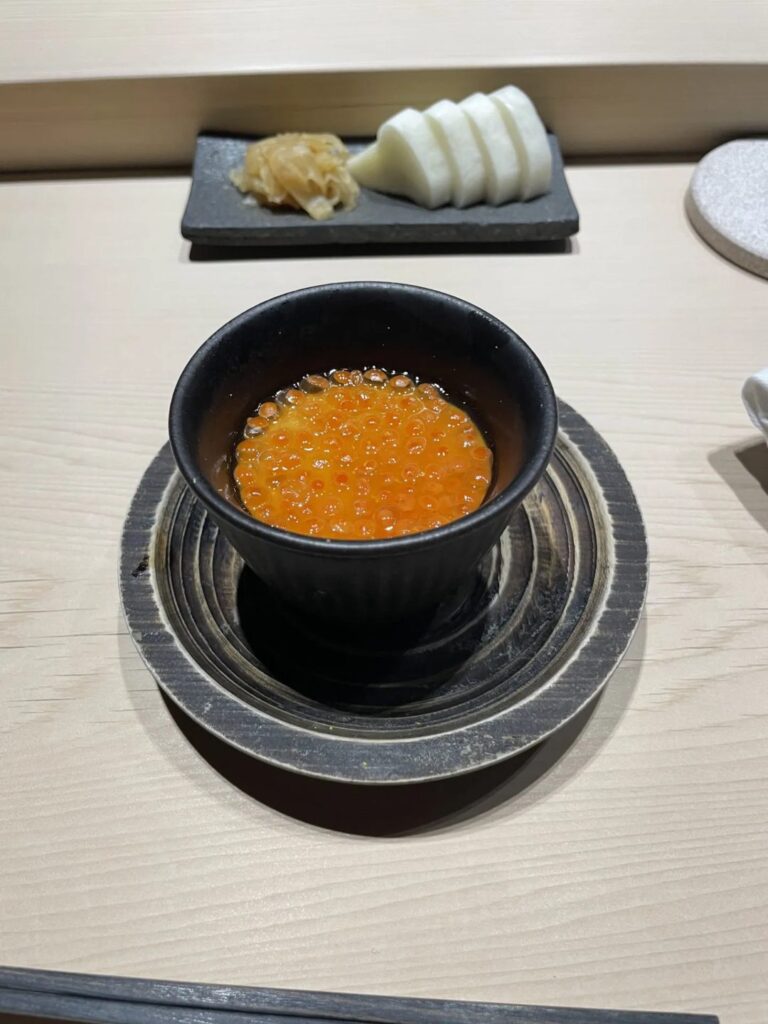
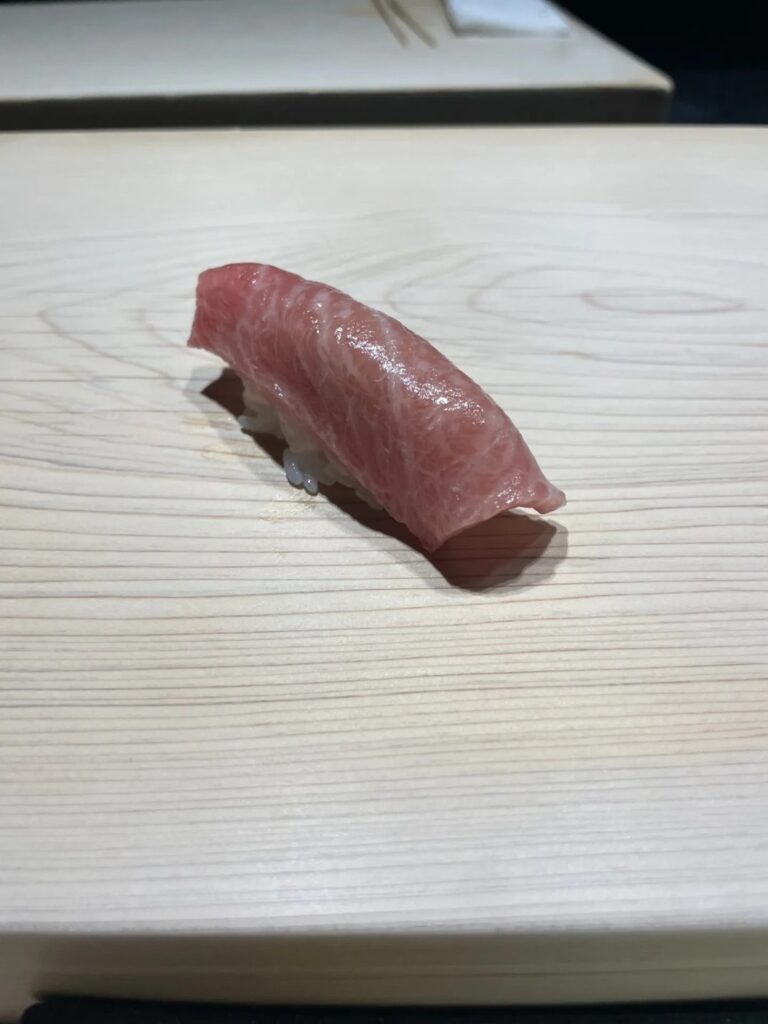
As for the food, it was a lunch whose structure and flow were especially charming. It began with steamed egg topped with salmon roe. After that, from chewy pieces of sushi to pieces that melted softly, everything was excellent overall. The bluefin tuna belly was as good as I expected, and the mackerel, smoked only on the surface, impressed me most. Even better, it kept a gently cooked, nutty aroma with no fishy smell at all.
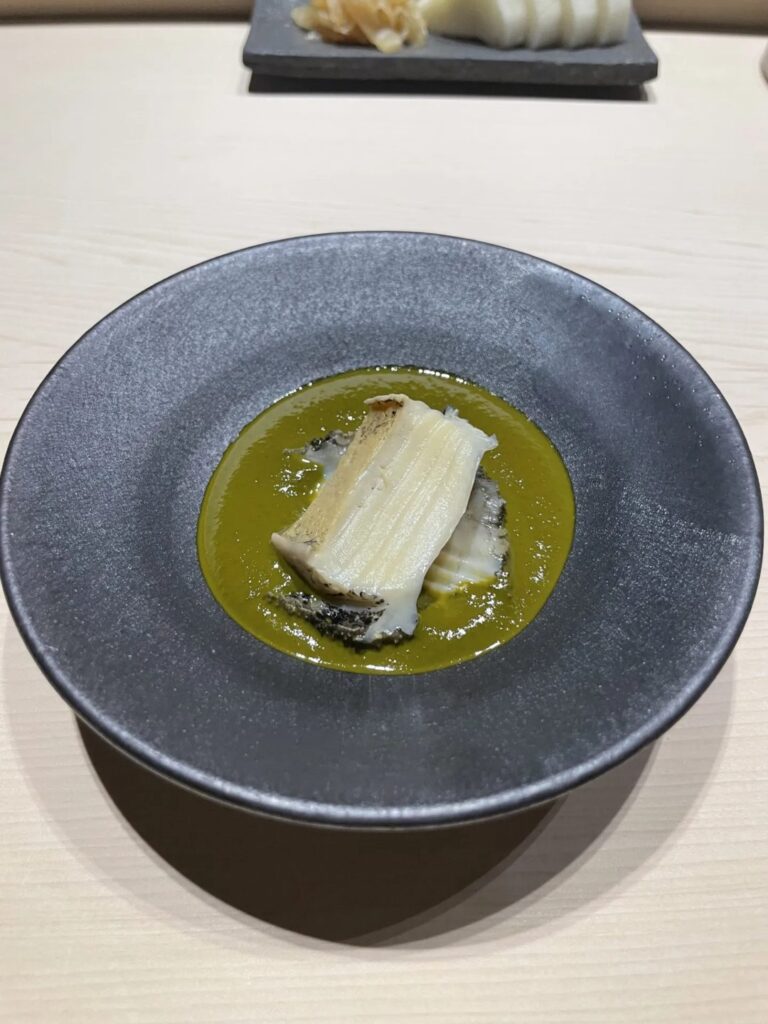
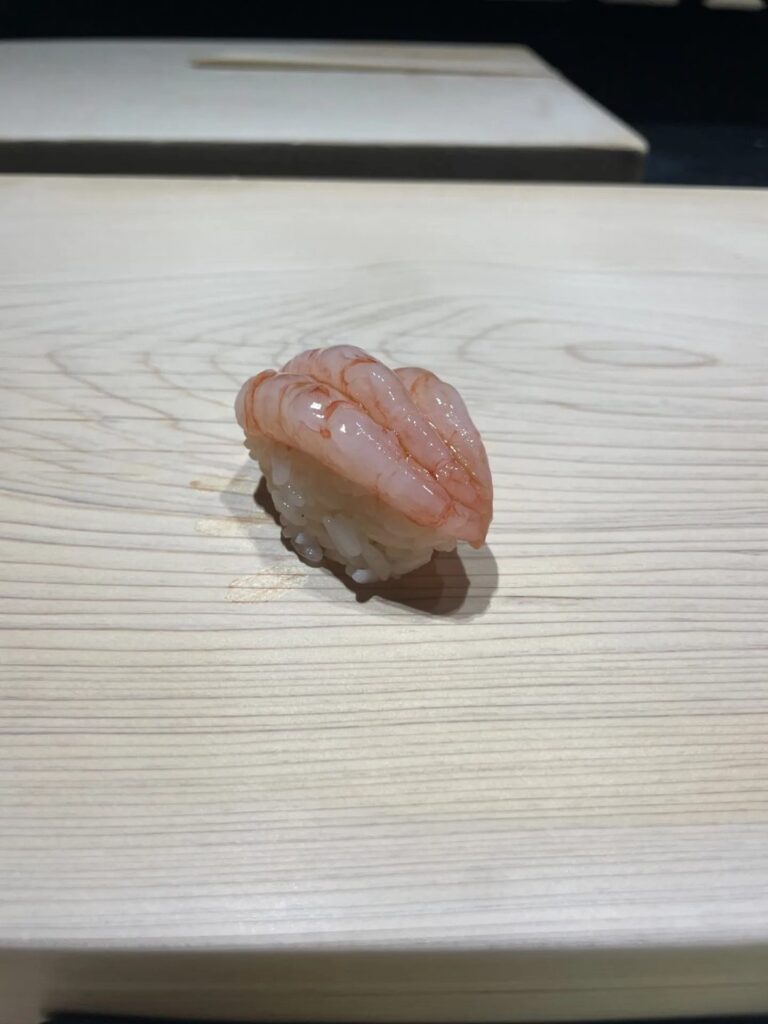
My one personal regret was the gizzard shad served in the middle to late part of the meal. Specifically, it was a little tough, and a very faint fishy note remained.
Cream-soft beer and a whisky finish
Meanwhile, the beer that came with the meal had such a soft head that it felt like cream. Then, for dessert, a splash of whisky on the hojicha ice cream brought out the sweetness and flavor in a surprising way. Finally, a matcha that was rich without being bitter closed the meal on a clean, happy note. They told us Aya would soon leave Hannam for Cheongdam, so I left looking forward to the next meeting there with good company.
- Address (since June 2026): 2F, 19 Apgujeong-ro 79-gil, Gangnam-gu, Seoul (서울 강남구 압구정로79길 19 2층). The new room is different from the Hannam space described above.
- Station: Apgujeong Rodeo Station (Suin-Bundang Line), about 760 m
- Hours: 12:00 to 21:30 with a break from 14:30 to 18:00
- Price: lunch ₩140,000, dinner ₩280,000. No children up to elementary school age.
- Booking: CatchTable, which opens seats on a rolling 30-day basis
- Map: Open in Naver Map
- Original review on Revitguide
Tips for Booking Sushi in Seoul
- Use CatchTable Global. It is the English version of Korea’s main booking app, and you can sign up with Google or Apple and pay with a foreign card. All six counters here take bookings on CatchTable.
- Mark the opening date. Popular counters release a whole month at once. Taku and Senren open the next month’s seats on the 20th, while Sushi no Aya opens seats every day for the next 30 days.
- Read the cancellation rules. Since December 18, 2025, Korea’s Fair Trade Commission guideline lets reservation-based restaurants such as omakase charge a no-show penalty of up to 40% of the bill, if they tell you the policy in advance. Each restaurant sets its own deposit and refund schedule, so check it before you confirm.
- Book small. Many counters accept up to four people per booking, and seats are side by side.
- Watch for weekday closures. Many sushi counters in Seoul close on Sundays and Mondays, so plan your Gangnam lunch for Tuesday to Saturday.
Together, these six counters show how wide the range of sushi in Seoul has become, from an ₩80,000 lunch in Nonhyeon to a ₩280,000 dinner in Cheongdam. Want something more casual? Try the raw fish market at Noryangjin. For Japanese fine dining beyond sushi, read our reviews of Mitou and Gaggen, or browse our guide to Michelin restaurants in Seoul and the best Korean restaurants in Seoul.
FAQ
How much does sushi in Seoul cost at an omakase?
At the counters in this guide, lunch costs ₩80,000 to ₩140,000 per person and dinner about ₩200,000 to ₩280,000, before drinks. Top counters such as Sushi Saito Juyon charge more than ₩350,000 for dinner.
Is lunch omakase worth it?
Yes, if you want to try a famous chef for less. Lunch usually has fewer tsumami, but the nigiri, the rice and the hosting are the same. At Sushi Minami, our reviewer enjoyed lunch so much that he went back for dinner.
Can foreigners book sushi in Seoul?
Yes. Download the CatchTable Global app, sign up with Google or Apple, and pay any deposit with a foreign card. Some counters fill up within minutes of opening, so book as soon as seats are released.
What if I cancel or miss my booking?
Each restaurant shows its own rules before you confirm. A typical pattern is a full refund if you cancel a few days ahead and little or nothing on the day. A no-show can cost up to 40% of the meal at omakase restaurants under the 2025 guideline.
Which Seoul sushi counter is best for a first omakase?
Sushi Minami is the easiest to reach, right by a subway exit, and its chef is cheerful and welcoming. Sushi Shimizu suits guests who prefer a calm, quiet counter.
We checked prices and hours in November 2026, and they can change. Check Naver Map before you go.