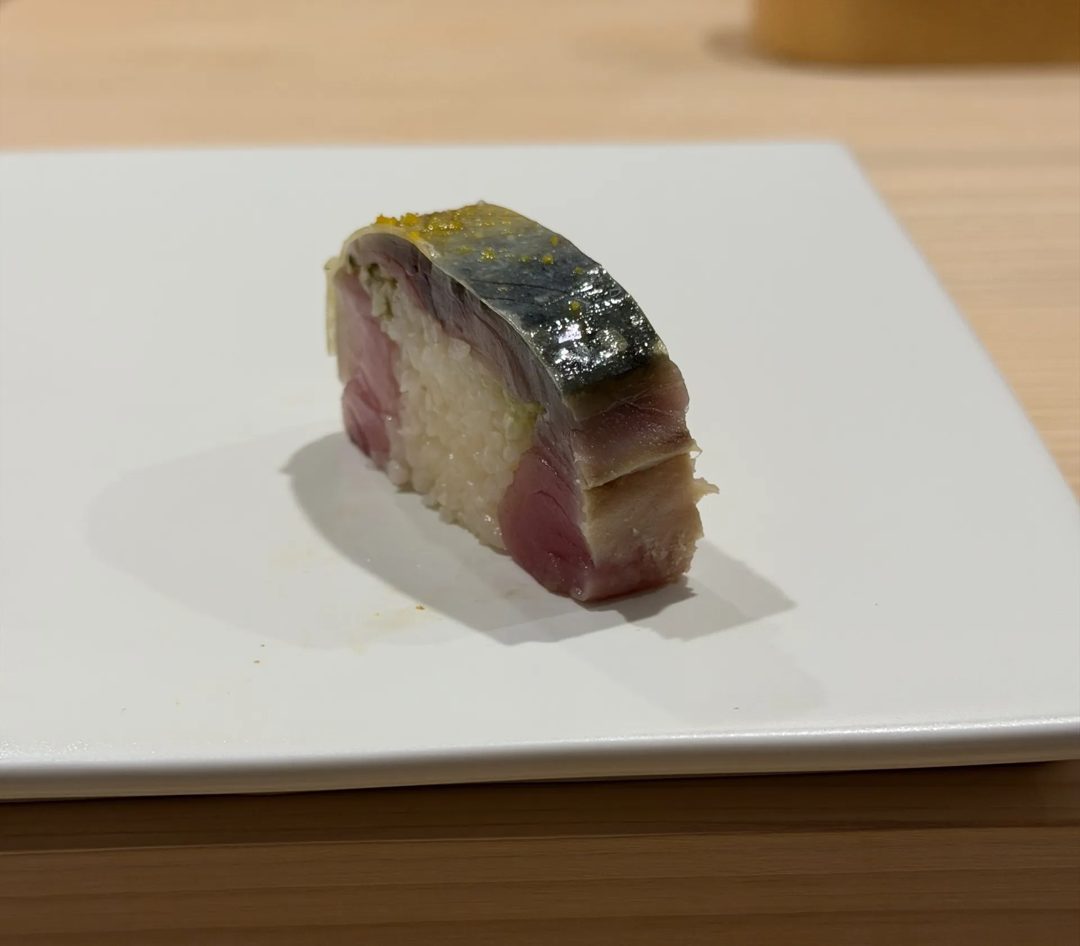
Daejeon restaurants rarely make it onto a first Korea itinerary, yet the city sits less than an hour from Seoul by KTX. Most visitors come for a box of pastries from Sungsimdang near Daejeon Station. However, the wider Chungcheong region also has serious sushi and Italian cooking. This guide covers four places our reviewer visited in July 2026: two in Daejeon, one in Cheongju and one in Chungju.
The picks below are adapted from visits by Revitguide reviewer 호미식 (Homisik), who rated each 4 out of 5. Each section links to the original Korean review.
If you are based in Seoul, compare these with our guides to lunch omakase in Seoul and three Seoul omakase counters worth booking twice.
Daejeon Restaurants and Chungcheong Picks at a Glance
| Restaurant | City | What to order | I paid | Best for |
|---|---|---|---|---|
| Sushi Hosan (스시호산) | Daejeon | Dinner omakase, mackerel bo-zushi | ₩250,000 | A relaxed, generous sushi counter |
| Sway (스웨이) | Daejeon | Sage tajarin | ₩28,000 | Fresh pasta and wine |
| Osteria Moon (오스테리아문) | Cheongju | Chef’s course, octopus, tenderloin | ₩100,000 | A classic Italian meal |
| Pincio Sale (핀치오살레) | Chungju | Italian course with local ingredients | ₩57,000 | A chef who tells stories |
Prices are what our reviewer paid in July 2026 and include drinks where ordered. Courses change with the season, so check current prices before you book.
How to Reach These Daejeon Restaurants From Seoul
- Daejeon: The KTX from Seoul Station reaches Daejeon Station in about 50 minutes to 1 hour 10 minutes. The SRT from Suseo Station in Gangnam takes about an hour. Some trains stop at Osong instead, so check the stops when you book.
- Cheongju: Cheongju’s KTX stop is Osong Station, about 40 to 50 minutes from Seoul Station. Osong is outside the old downtown, so plan on a taxi or bus to Seongan-gil, where Osteria Moon is.
- Chungju: The KTX-Eum on the Jungbu Naeryuk Line runs from Pangyo Station to Chungju in about 1 hour 5 minutes. As of October 2026 there were only four trains a day, so plan your meal around the timetable.
Both Daejeon restaurants in this guide are in Seo-gu, a short taxi ride from Daejeon Station. Also, Daejeon and Cheongju are close enough to combine in one day, while Chungju works better as its own trip.
1. Sushi Hosan (스시호산): The Classic Among Daejeon Restaurants
When people talk about sushi in Daejeon, one name always comes up: Sushi Hosan. It has represented the city for a long time, so my expectations were high. I think it met them fully.
The chef kept the food coming nonstop while naturally leading the mood at the counter. He focused on his hands while preparing each piece, then started a conversation at just the right moment. As a result, the evening felt much more relaxed.
Big, generous neta at a Daejeon sushi classic
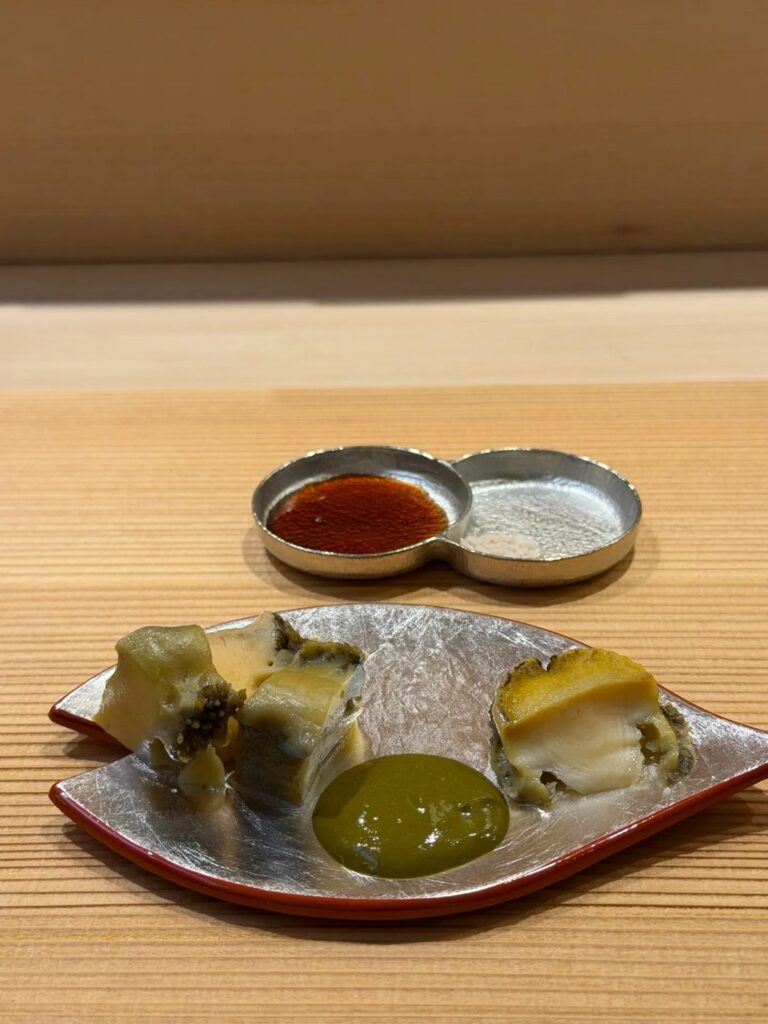
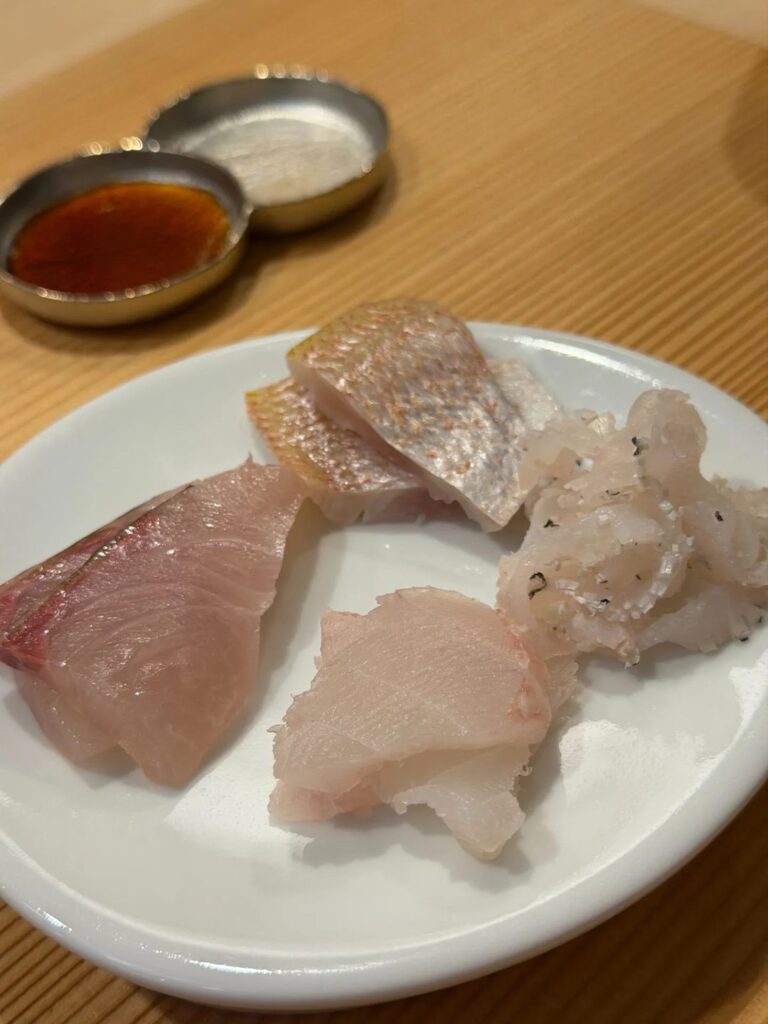
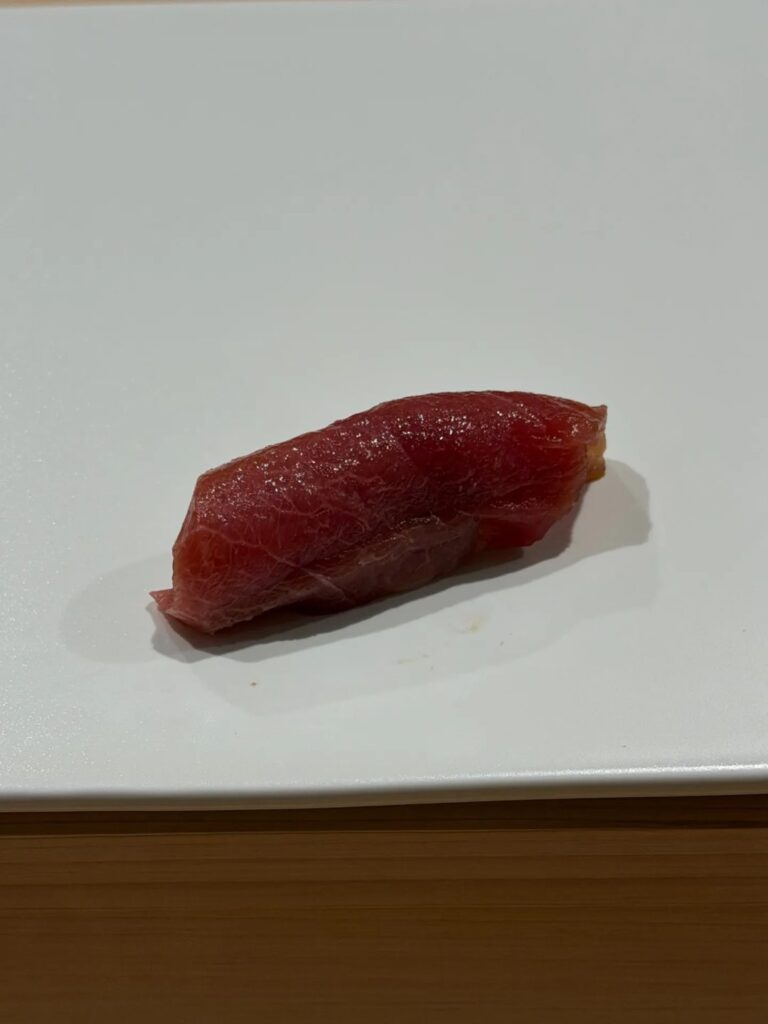
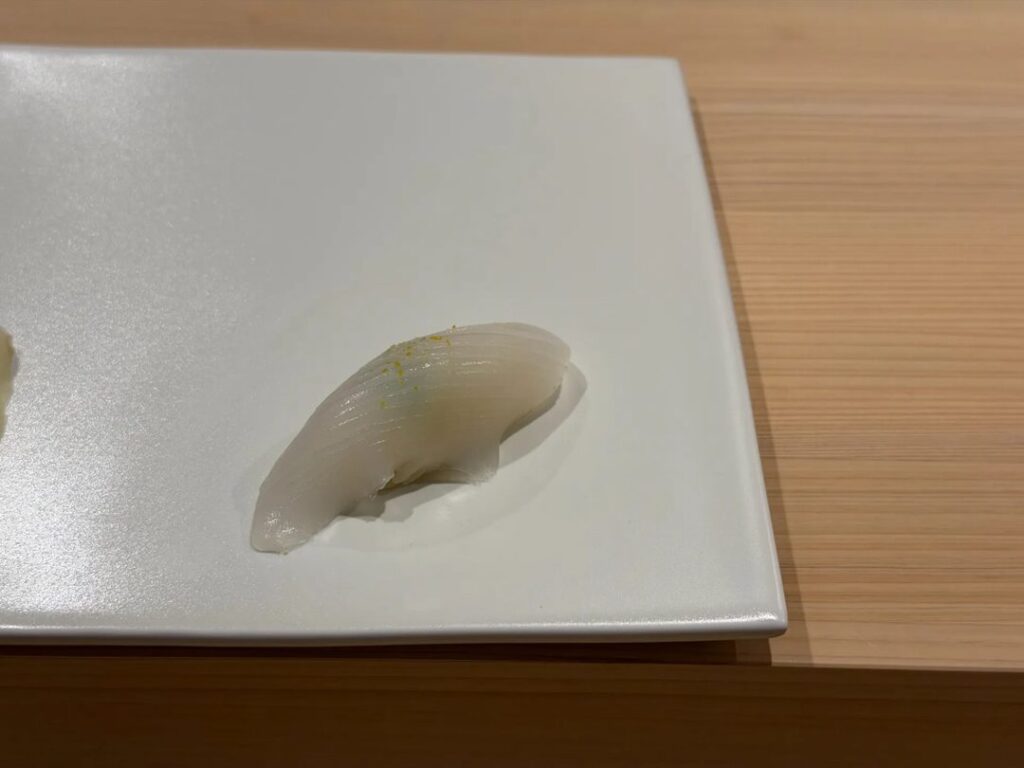
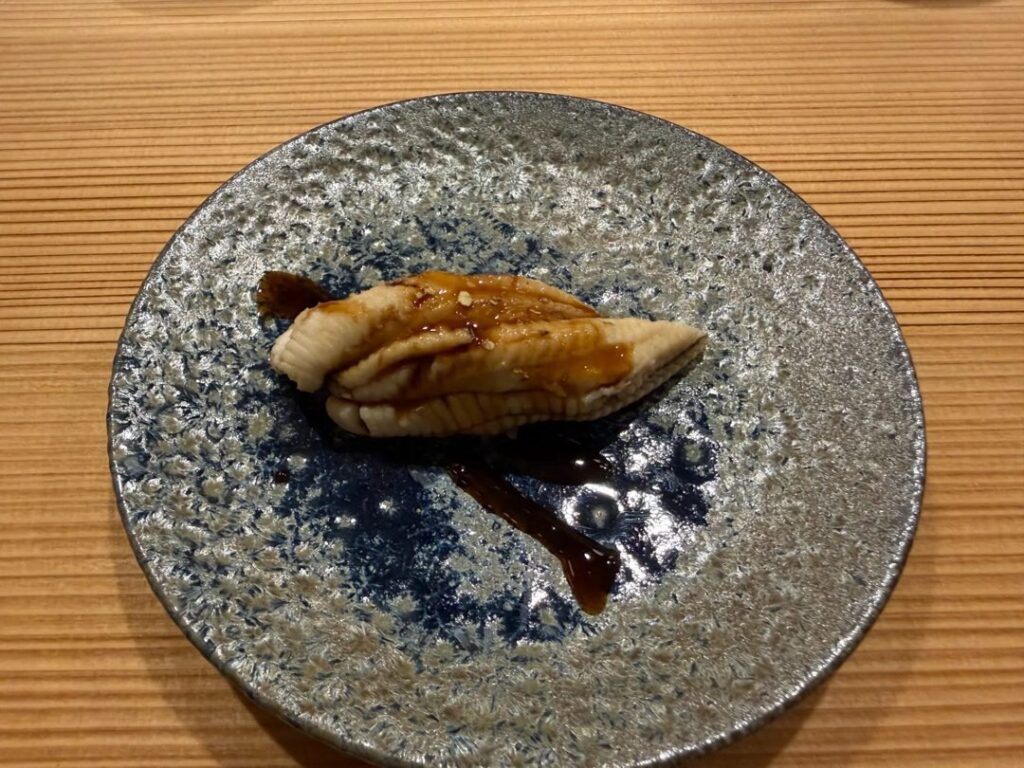
The neta was generally large and generous. Rather than over-decorating the ingredients, the kitchen served them in good condition and in plenty. The cuttlefish was finely scored to bring out its sweetness and texture, and the botan shrimp melted softly in my mouth. Chewier ingredients, like horse clam (wang-ureok jogae), came in midway, so the course never felt monotonous.
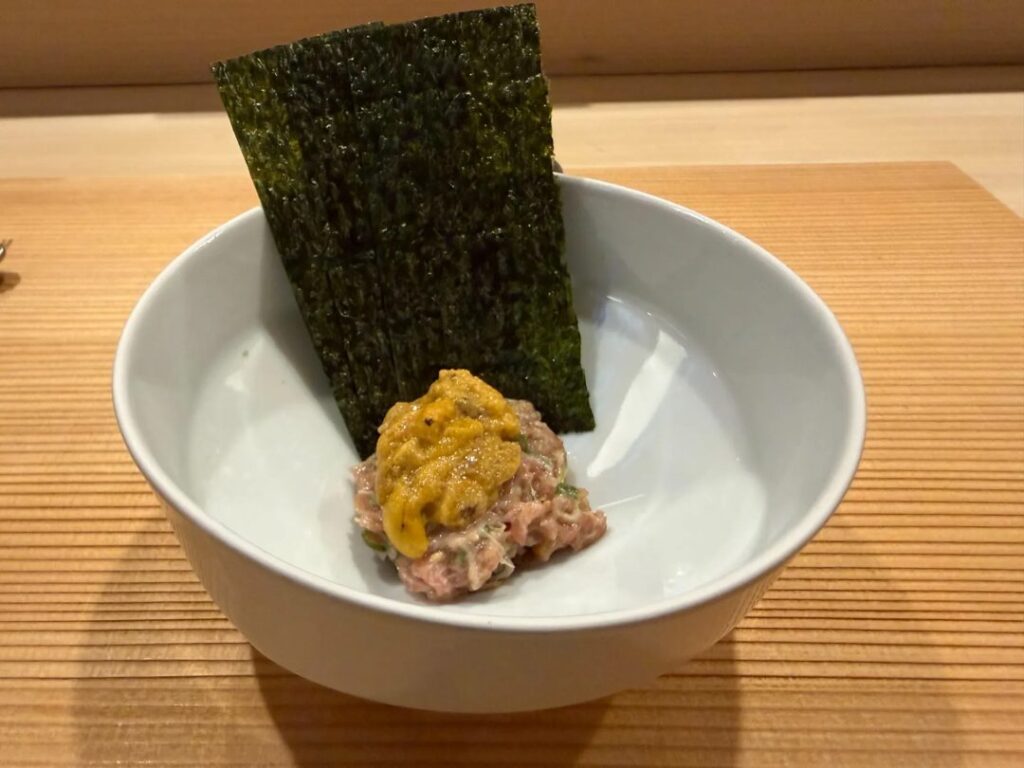
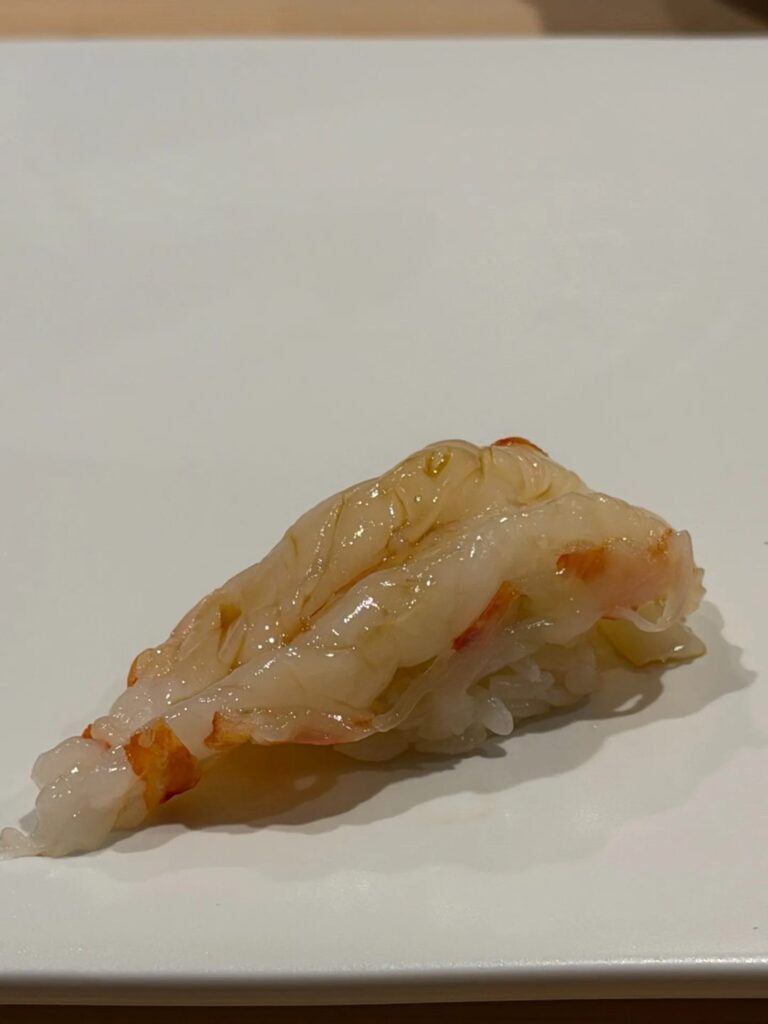
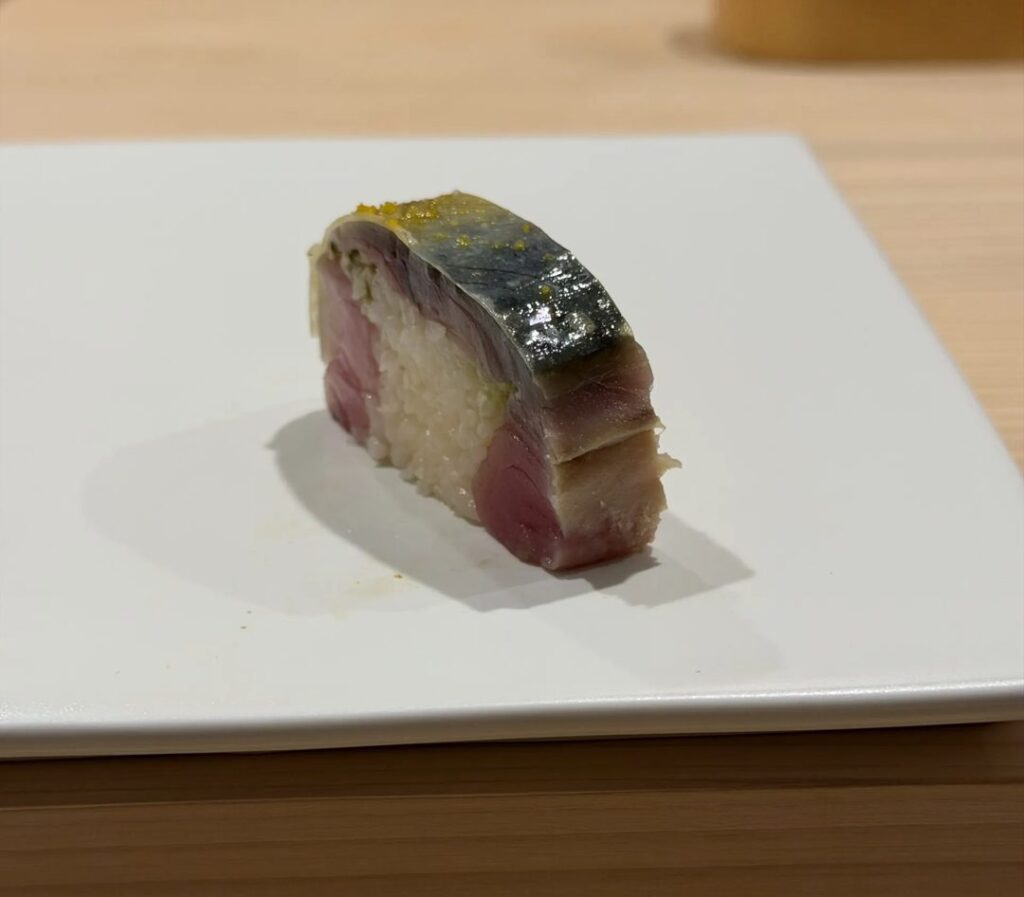
The piece I remember most was the mackerel bo-zushi. The rich mackerel and rice filled my mouth with a heavy, satisfying bite, and it was simply delicious. That one piece seemed to show the generous character of the place.
A full course that never drags
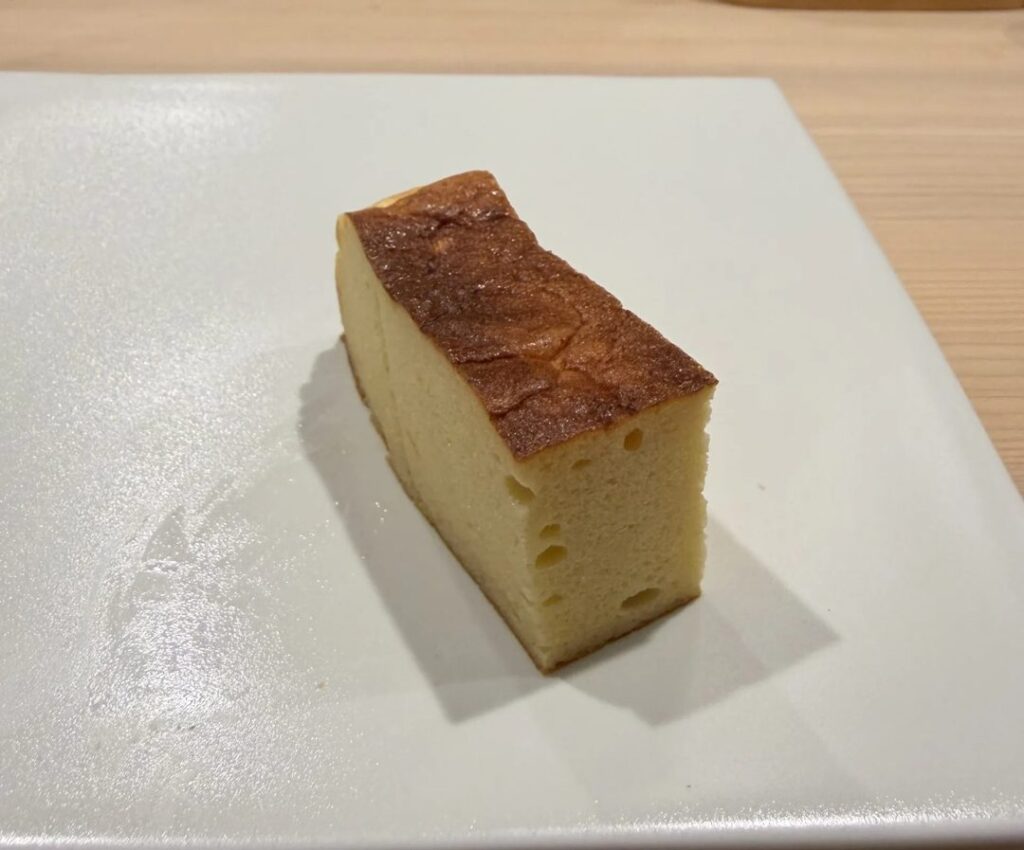
The portions were not small either. From tsumami to nigiri and the final dessert, I was quite full by the end. Still, the meal never felt long, probably because food and conversation took turns and time simply flowed.
It suits a day when you want delicious food and a cheerful atmosphere more than precise tension. I think it has been loved in Daejeon for so long not only because of the sushi, but also because this counter puts people at ease. Sushi Hosan is a place I want to visit every time I come to Daejeon.
Good to know: Sushi Hosan
- Address: 1F, Haegarden Central Park, 366 Daedeok-daero, Seo-gu, Daejeon (대전 서구 대덕대로 366 해가든센트럴파크 1층)
- Chef: Lee Seung-cheol, who trained at Ariake, the Japanese restaurant of The Shilla Seoul, according to local press and guides
- Getting there: Visitor guides put it about 1 km from Government Complex Daejeon Station (Line 1), Exit 3. A taxi is easier.
- Hours: A 2026 listing shows dinner from 19:00. Open days have changed over the years, so check by phone.
- Price: Dinner omakase from ₩250,000 (2026 listing). I paid ₩250,000.
- Booking: Phone 042-482-0053. Seats are hard to get, and earlier visitors say the next month’s bookings open at the start of each month.
- Map: Open in Naver Map
- Original review on Revitguide
2. Sway (스웨이): Fresh Pasta Among Daejeon Restaurants
Sway is a place that fresh pasta lovers mention again and again. After my visit, the reason turned out to be simple. Rather than making the sauce flashy, the kitchen focuses on how the noodles can taste their best.
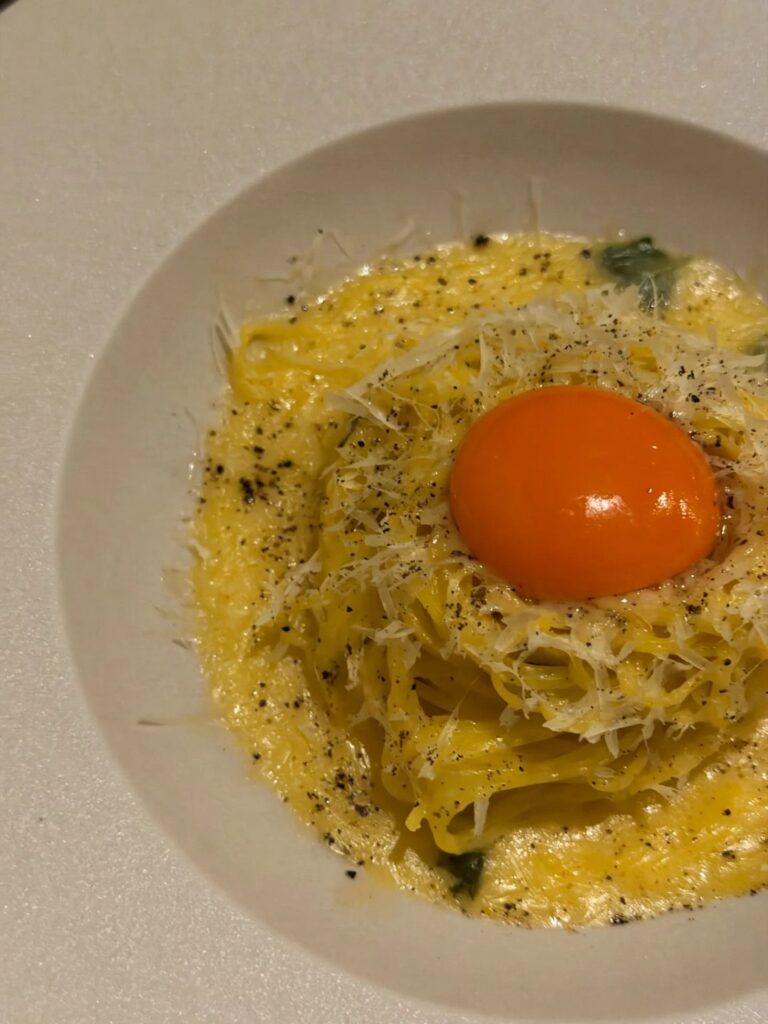
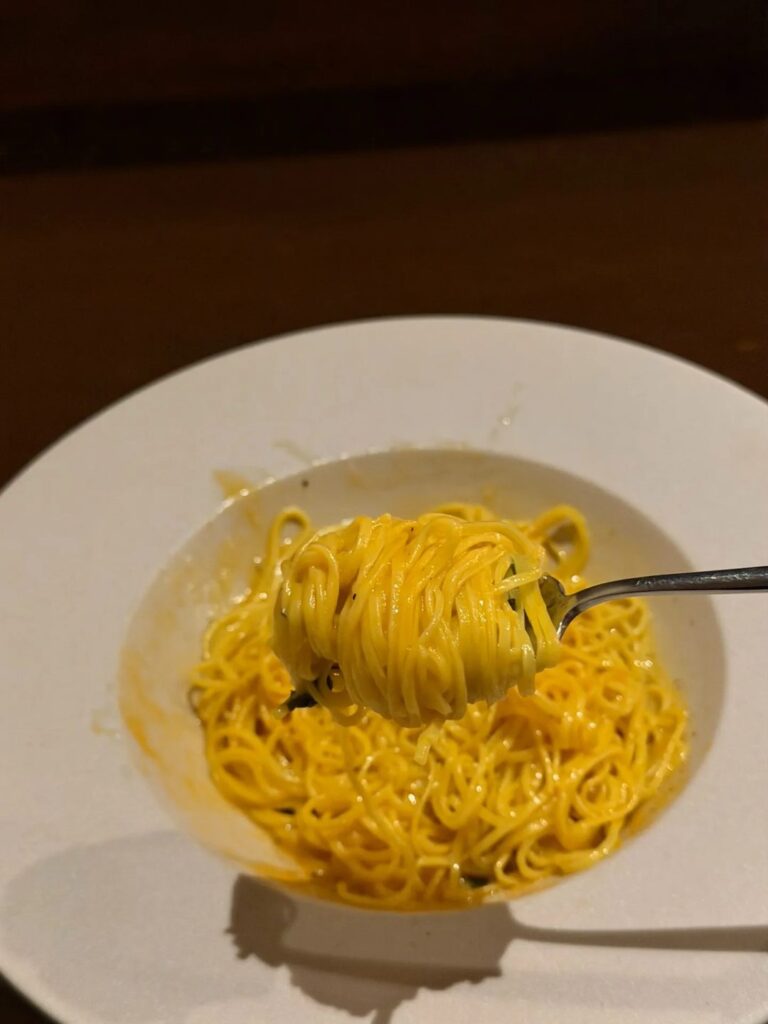
The first dish I had, sage tajarin, looked plain. However, the moment you break the yolk and mix it into the noodles, the butter and cheese come together as one. Instead of pushing a strong flavor, a nutty aroma spreads slowly. The sage did not overstate itself either, so the balance held until the last bite.
Above all, the noodle texture was good. It kept the softness of fresh pasta without breaking easily, and it held just the right amount of sauce. It reminded me that even with the same pasta, a different noodle can change the whole mood of a dish.
The staff’s explanations stood out too. They naturally guided us on the order of eating and the ingredients, so it was easy even on a first visit. The room also suits taking your time with wine or another drink. If you love fresh pasta, Sway is worth a stop. In particular, if you care more about a well-made plate than flashy plating, you will probably be even happier.
Good to know: Sway
- Address: 1F, 31-6 Munjeong-ro 150beon-gil, Seo-gu, Daejeon (대전 서구 문정로150번길 31-6 1층), in Tanbang-dong
- Hours: A late-2025 visitor reported dinner from 17:30 with last order at 21:00 and no lunch service. Closing days change, so check Instagram (@sway_ap) or CatchTable.
- Price: Sage tajarin was ₩25,000 on the late-2025 menu. I paid ₩28,000.
- Booking: CatchTable. Phone 0507-1391-4347.
- Map: Open in Naver Map
- Original review on Revitguide
3. Osteria Moon (오스테리아문), Cheongju
If you have already tried the Daejeon restaurants above, Cheongju is the next stop. Osong Station is only about 15 to 20 minutes from Daejeon by KTX.
If I could eat only one meal in Cheongju, where would I go? Osteria Moon was one of the names locals mentioned most. People described it less as a good pasta place and more as a restaurant that tries to carry Italian food culture as it is, so I was curious. Booking was close to essential, and even in the calm room you could tell many guests had come with high expectations.
The interior was less flashy than I expected. Instead, it felt as comfortable as an old osteria. Every prop and piece of furniture fit together without exaggeration, and the space stayed focused on the meal itself.
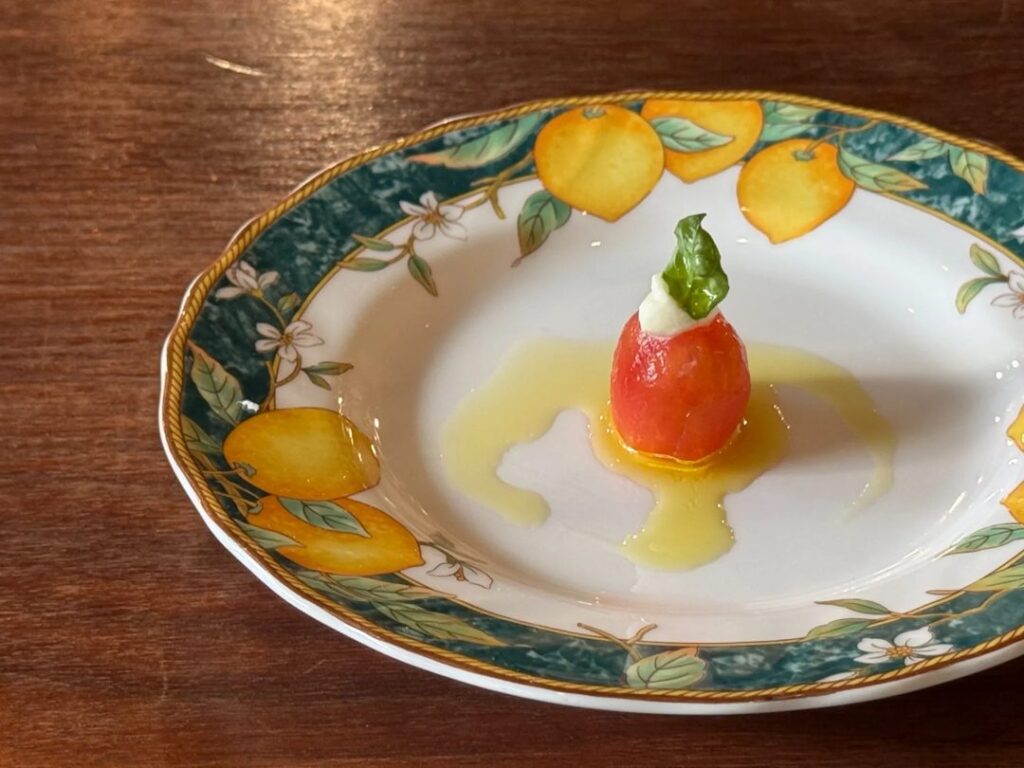
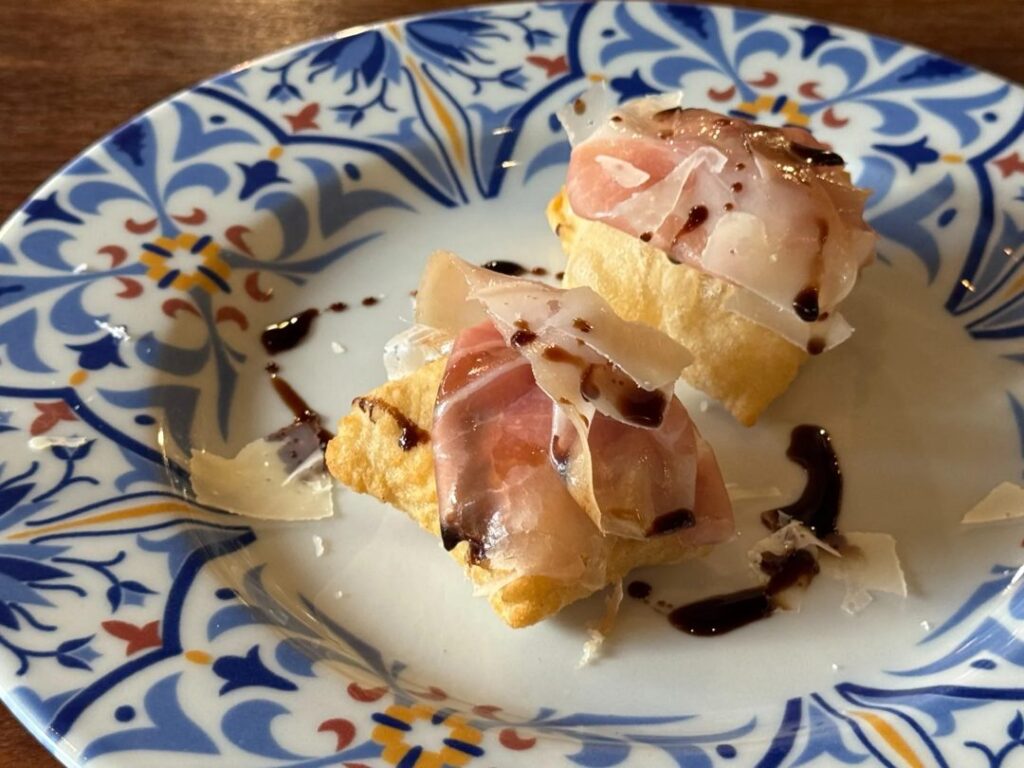
From tomato to charcoal octopus
The course opened with a tomato and a small bite to wake up the palate. The flavor needed no long explanation. Its fresh acidity cleaned my mouth and made me look forward to the next dish.
Next came warm bread topped with prosciutto and cheese, which felt surprisingly familiar. The aged balsamic was not too sour and left a gentle sweetness that balanced the salty prosciutto. Rather than relying on rare ingredients, the kitchen has a good sense of where to place each one.
For me, the biggest surprise was the octopus. Kissed with charcoal, it was not tough at all, and it flowed naturally with the potato base the more I ate. The truffle stayed in the background and only lifted the overall flavor a little. On this plate, the potato played an even more impressive role than the octopus.
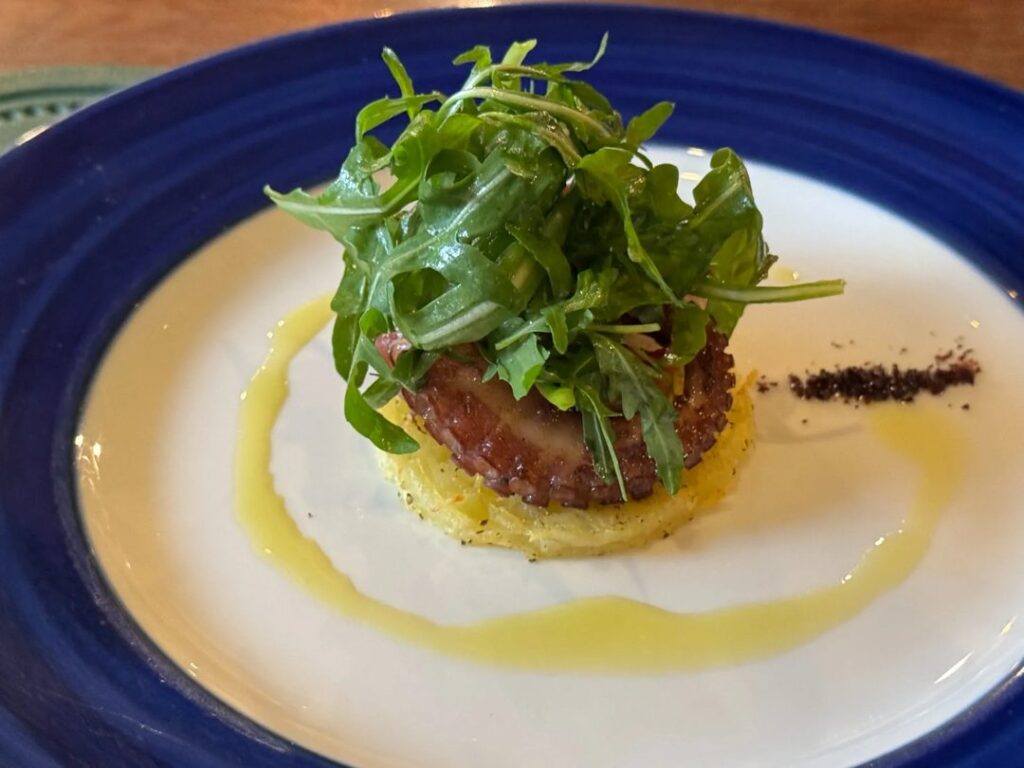
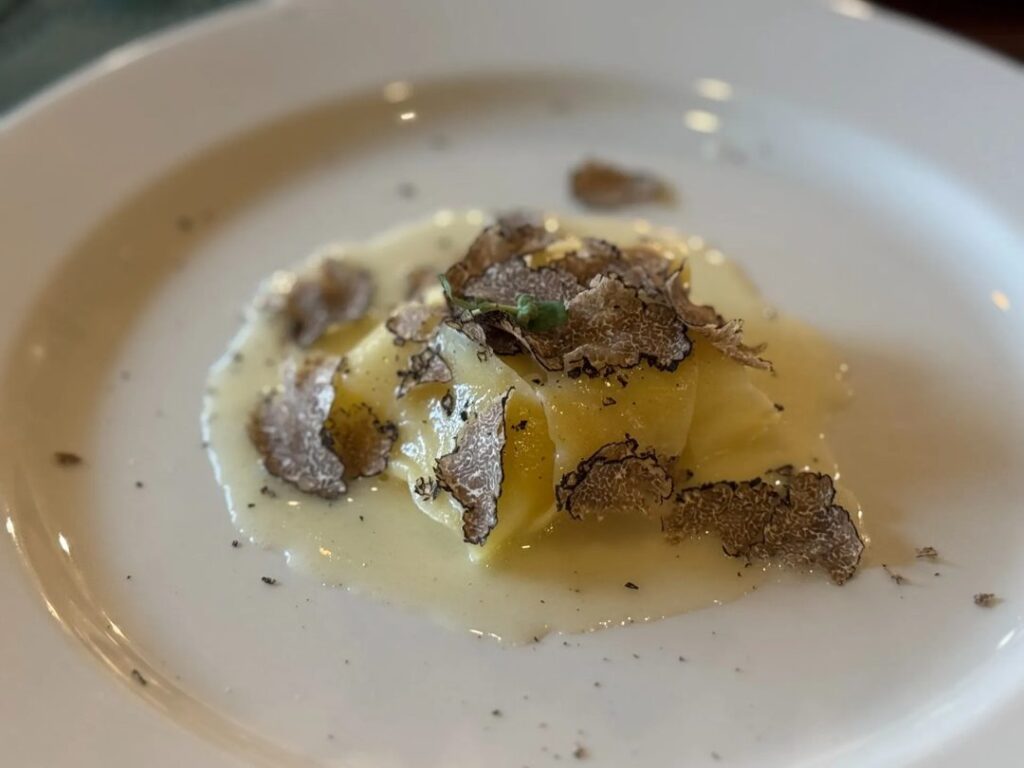
Fresh pasta, a cleansing drink and the tenderloin
The pasta alone is reason enough to come back. The fresh noodles had real bounce, and the butter-based sauce was rich but not heavy. I felt none of the fatigue that cream or oil pasta can bring, and the flavor held to the end. Even with familiar ingredients, it felt like something new, probably thanks to the balance of noodles and sauce.
The cleansing drink served midway was also good. It was not a formality. It actually cleaned my palate and made the next dish taste sharper again.
The main, a beef tenderloin, was the most satisfying dish of the day. The cooking needed no comment. It was so tender I barely needed a knife, and the sauce supported the meat without hiding its flavor. In particular, the red wine sauce made the beef taste a step deeper instead of covering it.
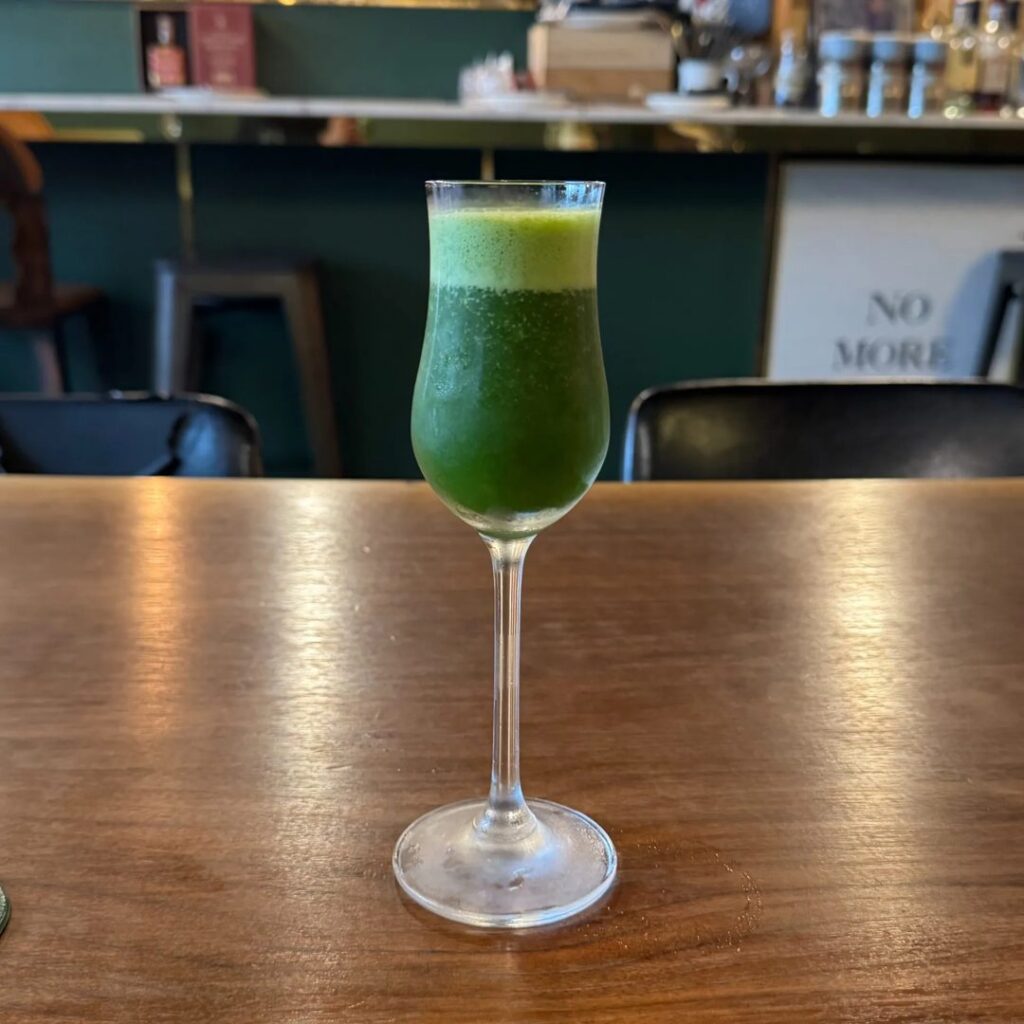
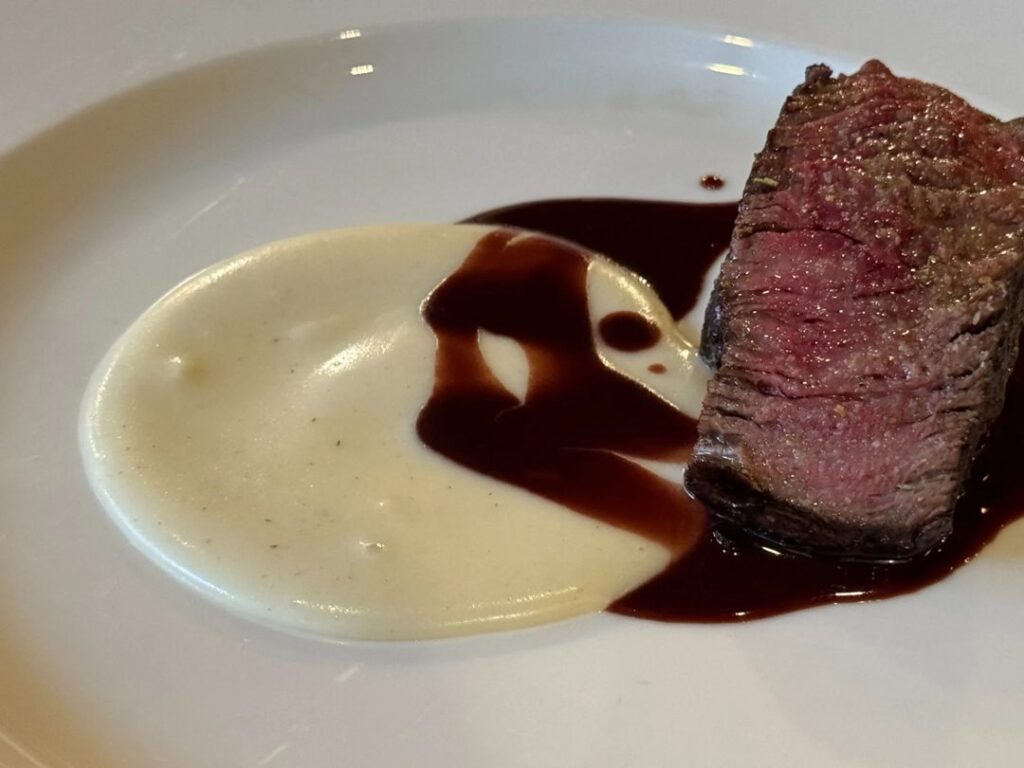
One thought stayed with me after the meal. This is less a restaurant that reinterprets Italian food for Korean tastes and more one that tries to deliver the Italian way as faithfully as possible, from ingredients to cooking. One meal was enough to understand why so many people in Cheongju talk about it. I was clearly full, yet I felt light afterward. It reminded me that a good course is made by its flow, not its size.
Good to know: Osteria Moon
- Important: Several 2026 visitors report that Osteria Moon will stop operating at this address after December 2026 and plans to move. Check Instagram (@osteria_moon) before you plan a trip.
- Address: 1F, 31-22 Sangdang-ro 143beon-gil, Sangdang-gu, Cheongju (충북 청주시 상당구 상당로143번길 31-22 1층), near Seongan-gil
- Chef: Kim Mun-hyeon opened the restaurant in 2017. Since 2019 it has held the Ospitalità Italiana certification, a program run by Italian chambers of commerce, according to the Chungbuk Ilbo.
- Hours: 11:30 to 21:30 with an afternoon break (about 15:00 to 17:00), closed Tuesdays
- Price: À la carte pasta is mostly in the ₩20,000s and ₩30,000s. I paid ₩100,000 for the chef’s course.
- Booking: CatchTable, and booking is close to essential. A paid public car park is about a minute’s walk away.
- Map: Open in Naver Map
- Original review on Revitguide
4. Pincio Sale (핀치오살레), Chungju
A good course often shows off a chef’s technique. At Pincio Sale, though, what I felt was closer to the person than to technique. Throughout the meal, the chef talked less about the ingredients themselves and more about why he chose them and which memories started each dish. Home, family and everyday life came naturally to the table, so the course flowed like one story rather than a list of dishes.
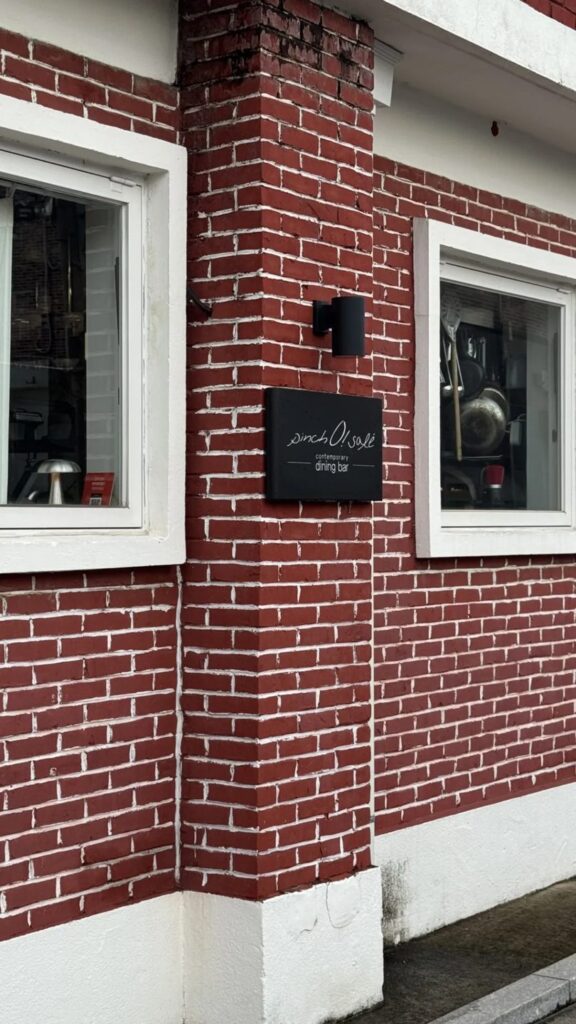
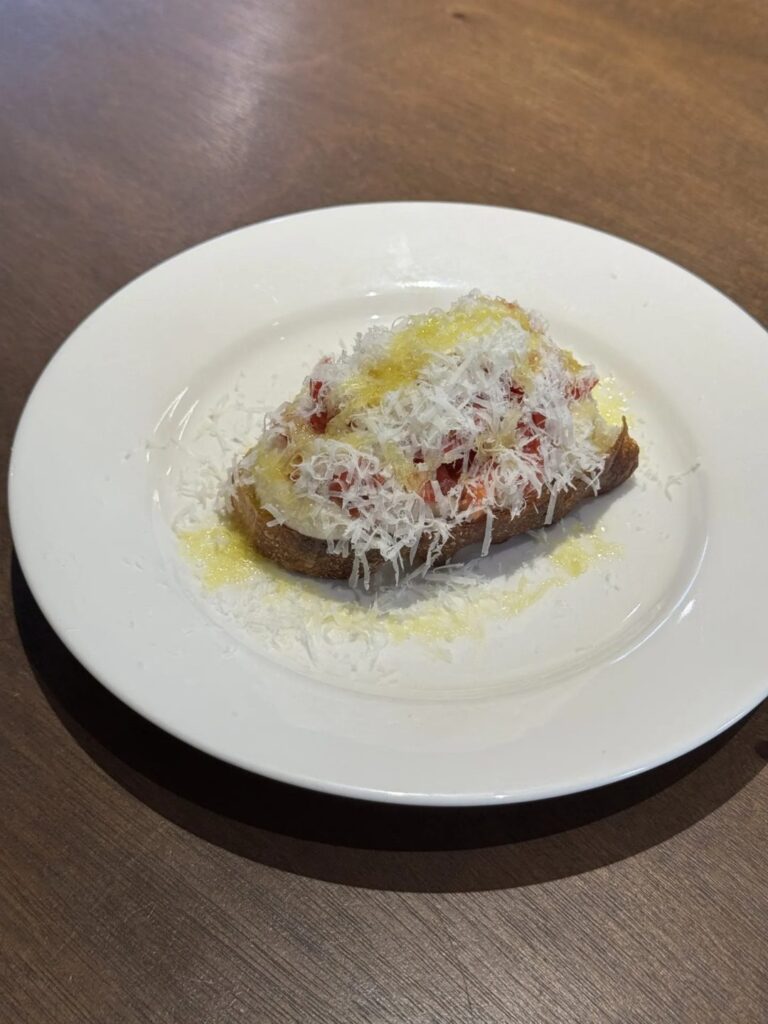
The meal began with a warm welcome tea. Next came the chef’s own bread with a béchamel made from tofu and marinated tomatoes. The ingredients were familiar, but the expression followed Italian grammar. From the first course, I could see which direction this restaurant was facing.
A pork broth inspired by dwaeji gukbap
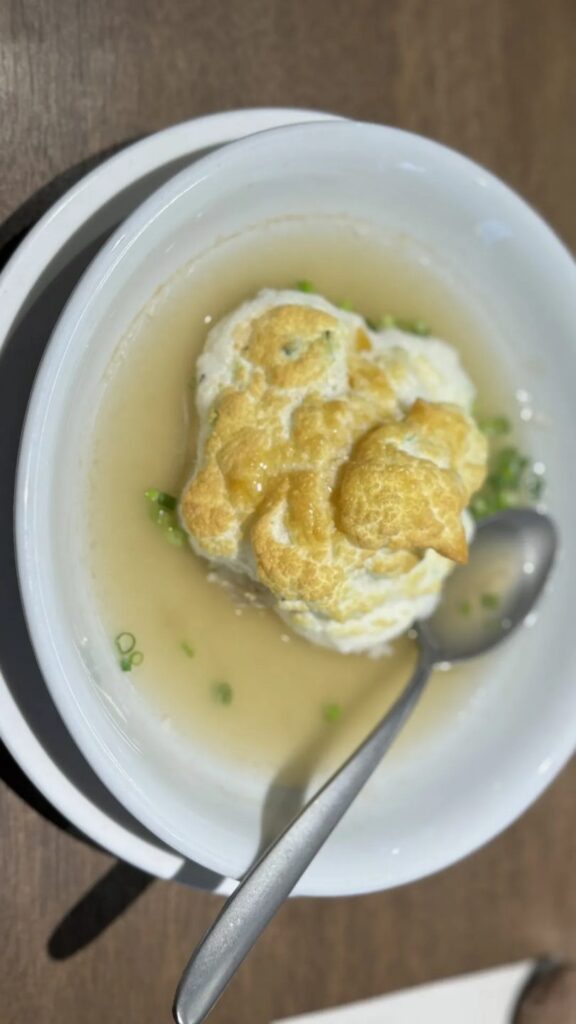
The dish that impressed me most was a broth made from pork. After hearing that it was inspired by dwaeji gukbap, every spoonful became more interesting. Meat and a meringue sat on top of a clear, deep broth. It turned the familiar image of pork rice soup into something completely different. Rather than reproducing tradition, it felt like a translation into a new language.
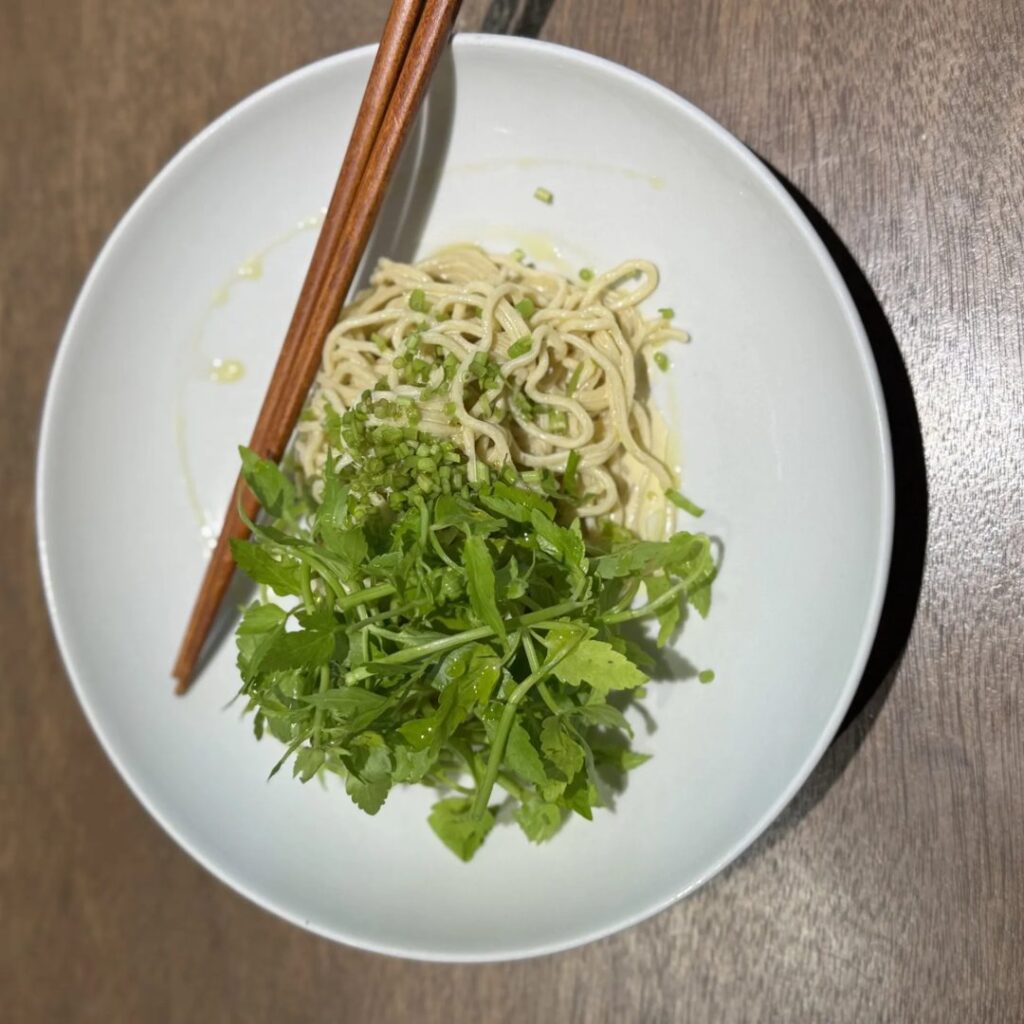
The perilla oil noodles that followed showed the character of the course best. What stayed with me first was that the perilla oil was pressed by the chef’s mother-in-law. The aroma spread gently instead of taking over, and fresh greens kept the dish light. Good ingredients and a story, rather than flashy technique, sat at the center of this plate.
Crème brûlée and moka pot coffee
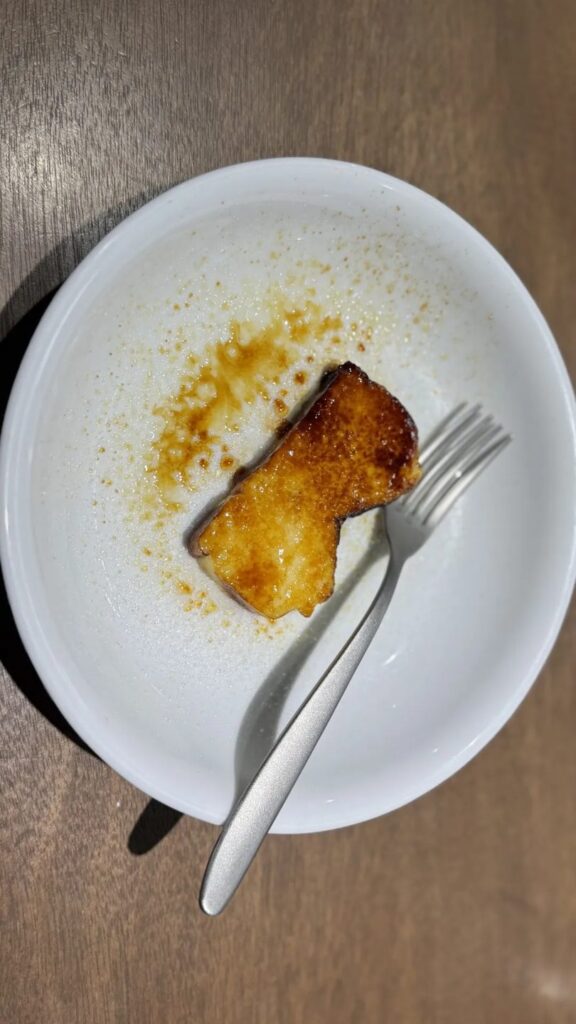
Dessert kept the mood of the meal. A Greek yogurt crème brûlée balanced fresh acidity and a soft texture and closed the meal comfortably. The last coffee was a little special. You choose the beans, and the chef brews it in a moka pot. It felt less like the end of the meal and more like time to keep talking. Even the coffee was designed as part of the course.
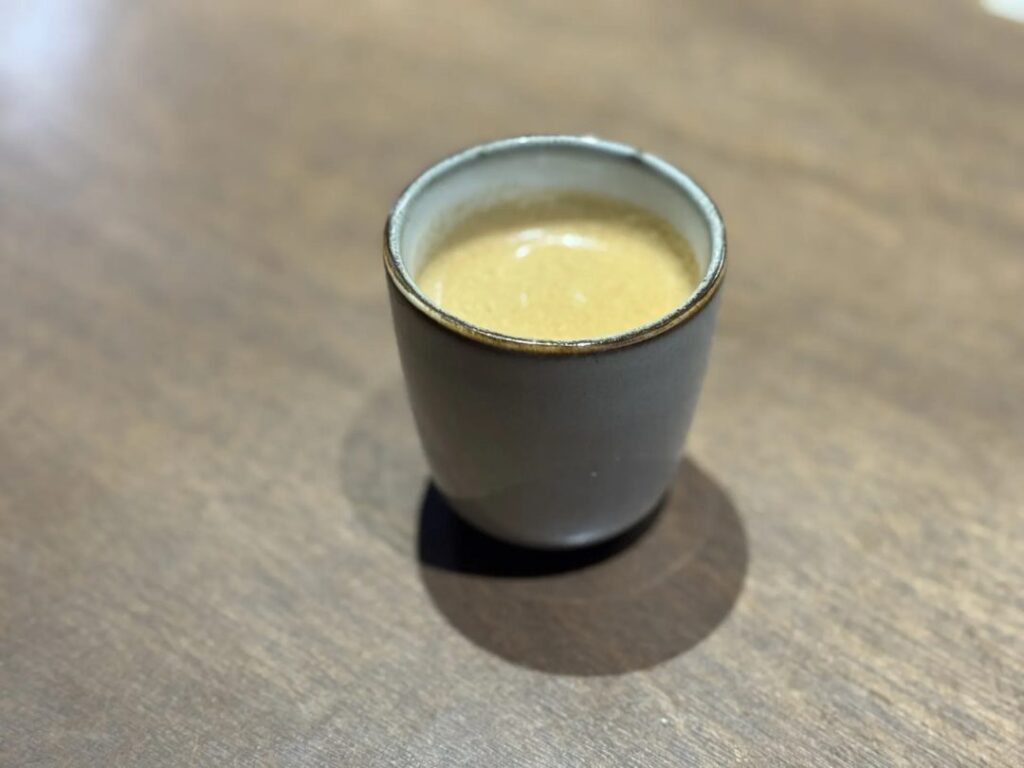
Pincio Sale is not a restaurant you remember for flashy plating or strong flavors. Instead, it folds the chef’s stories and familiar ingredients from Chungju into an Italian course. Its food is less a creation meant to show new flavors and more one person telling his story through cooking. Perhaps that is why people make Chungju their destination just to hear it in person.
Good to know: Pincio Sale
- Address: A-dong #2, 4 Gwana 5-gil, Chungju (충북 충주시 관아5길 4 에이동 2호), inside the Goti Mansion complex in the old Gwanagol neighborhood
- Hours: 12:00 to 21:00 with a 15:00 to 17:00 break, last orders 14:30 and 20:30, closed Tuesdays (2026 visitor reports)
- Price: Courses run roughly ₩30,000 to ₩120,000 depending on the number of dishes, and visitors say lunch and dinner cost the same. I paid ₩57,000.
- Booking: Courses are booked on CatchTable. À la carte is walk-in only and may not be possible on busy days. One drink per person is required.
- Parking: None at the restaurant. Visitors use the Gwanagol public car park nearby.
- Map: Open in Naver Map
- Original review on Revitguide
More Daejeon Restaurants and Chungcheong Picks Rated 3.5
These extra picks are adapted from visits by Revitguide reviewer 호미식 (Homisik), who rated each 3.5 out of 5. They are good stops if you are already in the area, from old jjamppong houses in Gongju to Byeongcheon sundae near Cheonan.
Daejeon Restaurants Worth a Stop
Sariwon (사리원), Dunsan-dong
Whenever my schedule takes me through Daejeon, Sariwon comes to mind. The hanwoo bulgogi is the signature: the seasoning is not too sweet or punchy, so the flavor of the thinly sliced beef comes through, and the mushrooms, scallions and glass noodles keep it balanced. On a solo return visit I could not order bulgogi, but the naengmyeon alone made a satisfying meal. It is an easy place to bring parents or family.
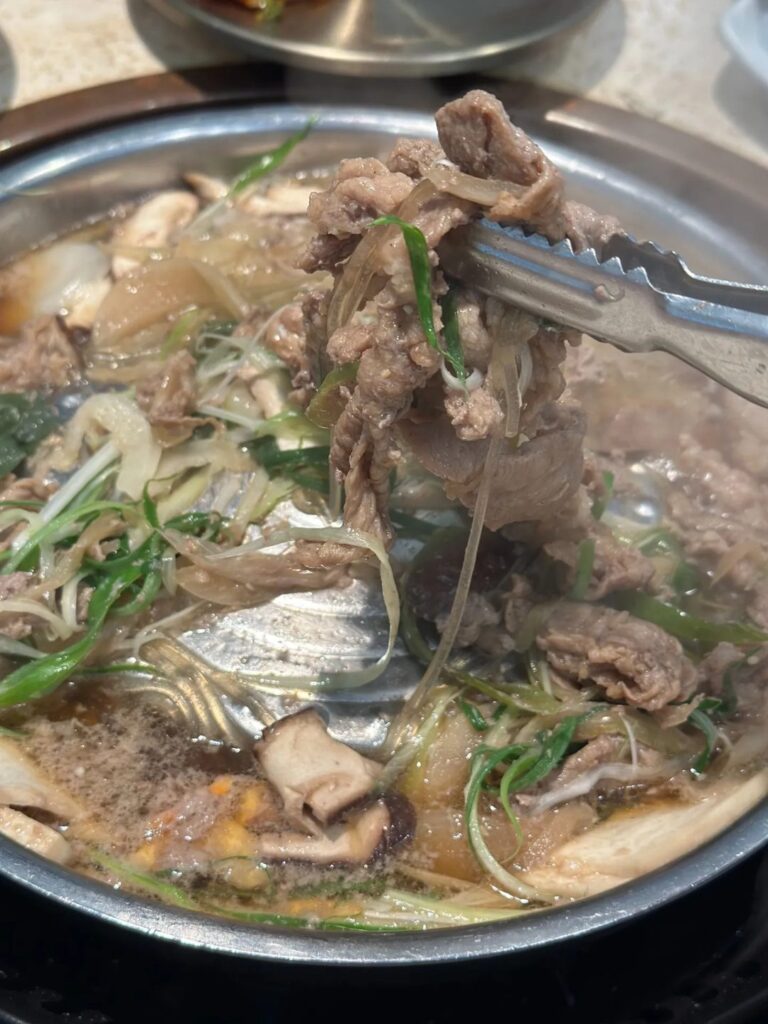
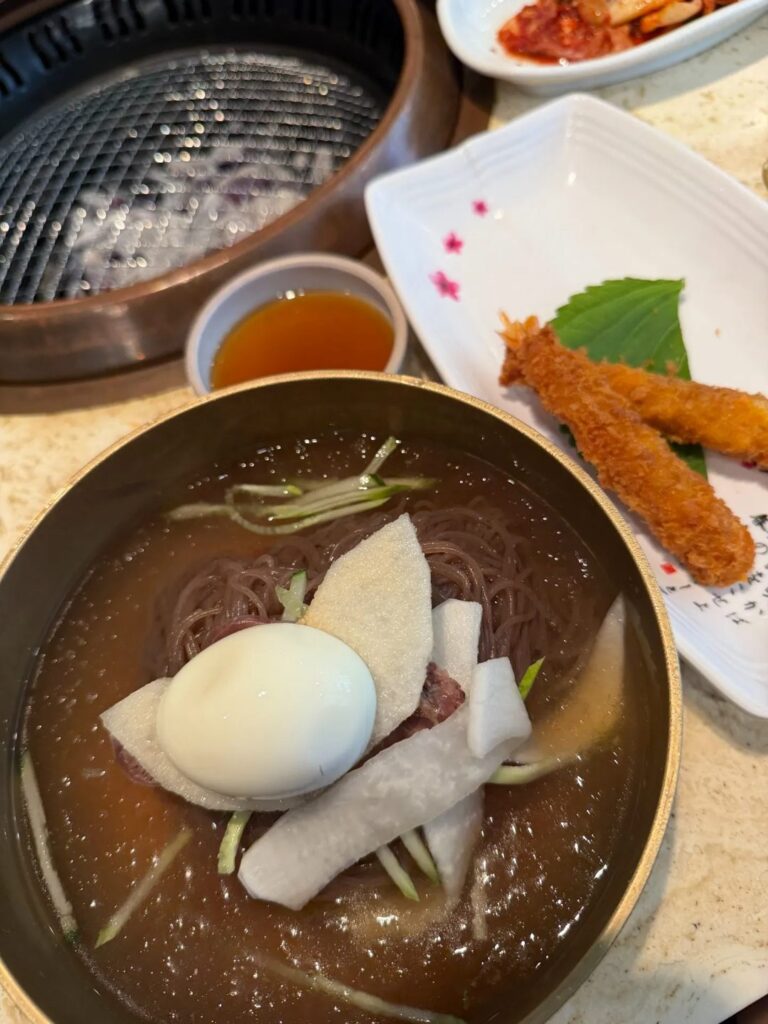
Where: 2F, 77 Dunsan-ro 31beon-gil, Seo-gu, Daejeon (사리원 본점). Open in Naver Map. Original reviews on Revitguide: visit 1, visit 2.
Hanyoung Sikdang (한영식당), Oryu-dong
This is a famous dakbokkeumtang (spicy braised chicken) spot, and years after my first visit it was still packed, with about 20 teams ahead of me even after the lunch rush. The second floor keeps the line moving, so I waited about 20 minutes, then another 20 while the pot cooked at the table. The broth gets a sweet depth from scallions and onions, it is spicy enough to make you sweat without hurting, and it gets better as it reduces.
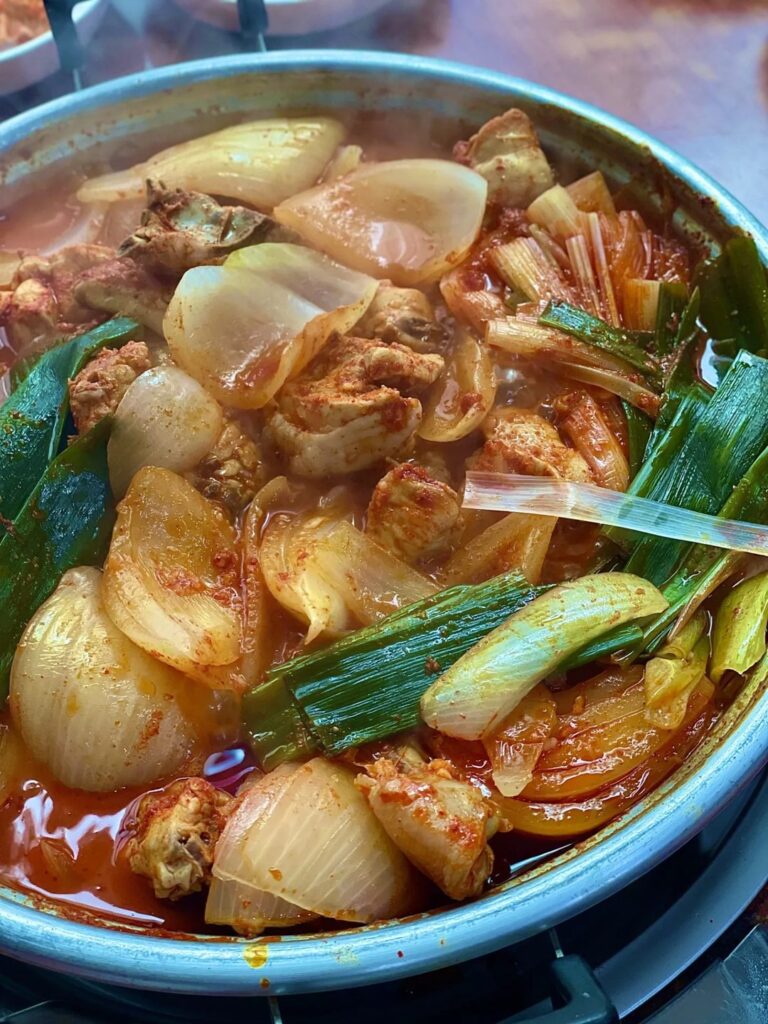
Where: Oryu-dong, Jung-gu, Daejeon (한영식당 대전). Open in Naver Map. Original review on Revitguide: read it here.
The Han Dining (더한 다이닝), Yuseong-gu
The courses start with plates that do not look Korean at all and end with rice, soup and banchan, and I liked that arc. My favorite was the abalone toast, rich with liver sauce and finished with lime. The pine nut noodles with melon and cucumber felt lighter than I expected, and the tteokgalbi had real texture and a hint of charcoal.
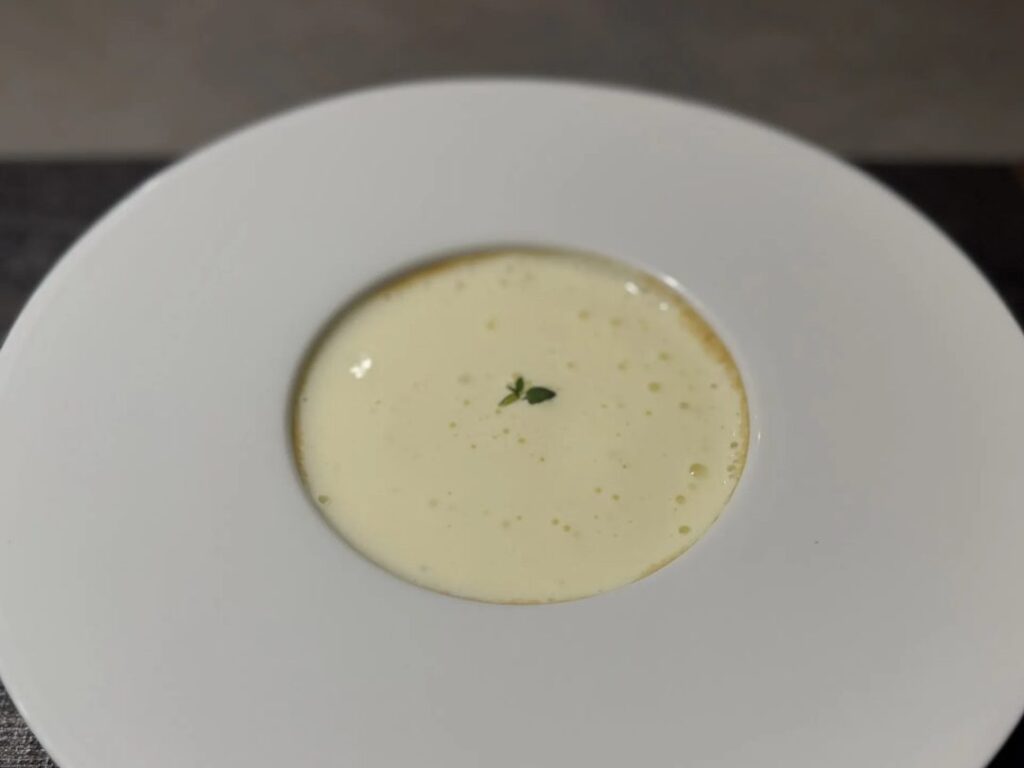
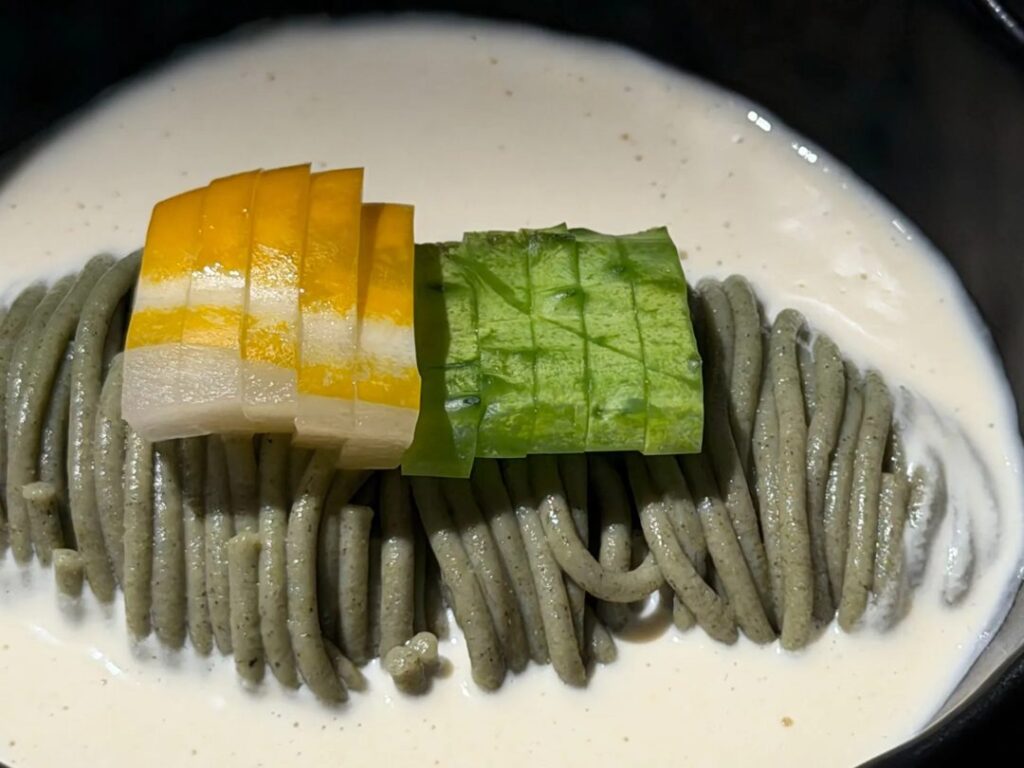
Where: B1, 81 Wonsinheung-ro 40beon-gil, Yuseong-gu, Daejeon (더한 다이닝). Open in Naver Map. Original review on Revitguide: read it here.
Pizzeria Da Ali (피제리아다알리), Yuseong-gu
Da Ali is certified by the Neapolitan pizza association, but what stayed with me was the pizza itself. The rim was airy, the base thin but not floppy, and I nearly finished a whole pie without feeling heavy. The margherita let each ingredient show: tomato that was not too sour, milky cheese and a quick hit of basil.
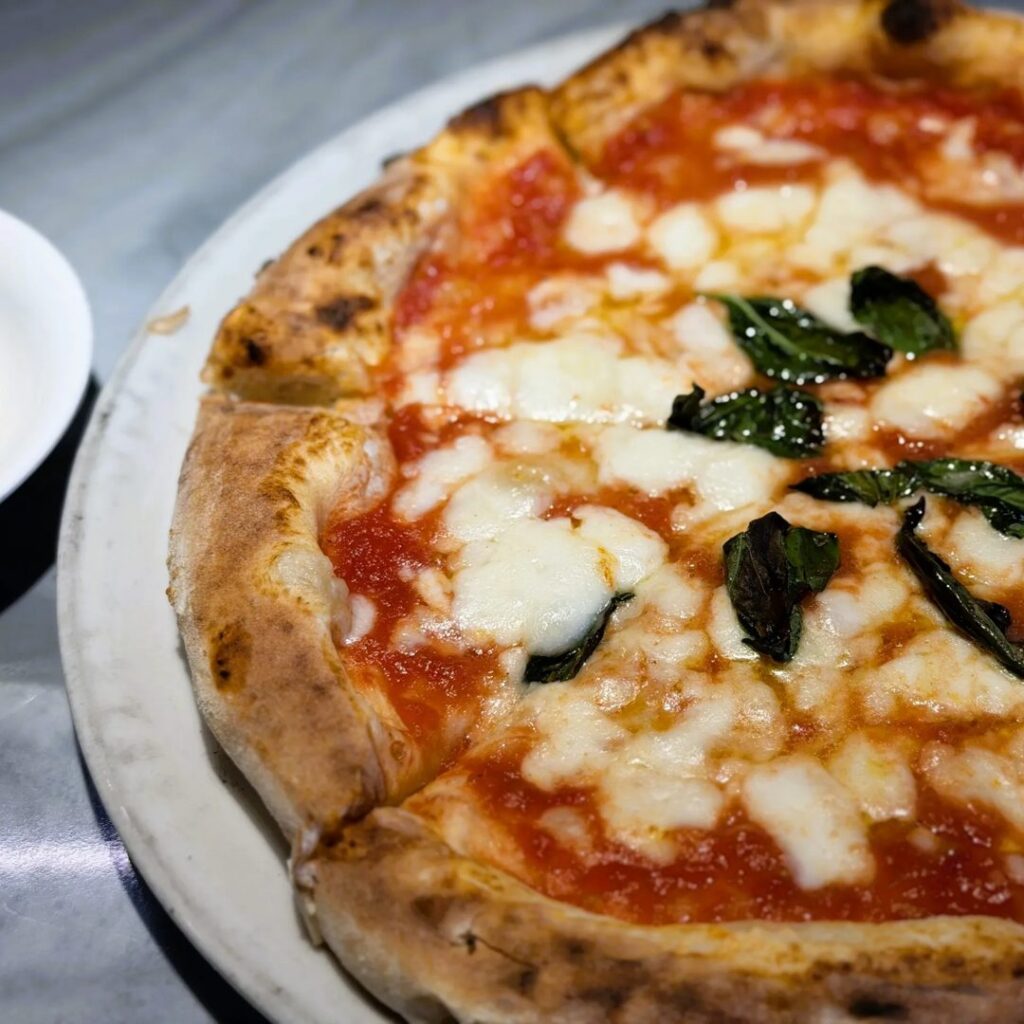
Where: 40-5 Jijok-ro 349beon-gil, Yuseong-gu, Daejeon (피제리아다알리). Open in Naver Map. Original review on Revitguide: read it here.
Byeongcheon Sundae, Cheonan
Cheonghwajip (청화집)
When people talk about Byeongcheon sundae, this name comes up first, and one bowl explained why. The gukbap broth is close to clear and comfortable rather than thick, and the sundae is packed with filling more than glass noodles, so it has real chew. On my second visit nothing had changed, and that consistency felt like its biggest strength.
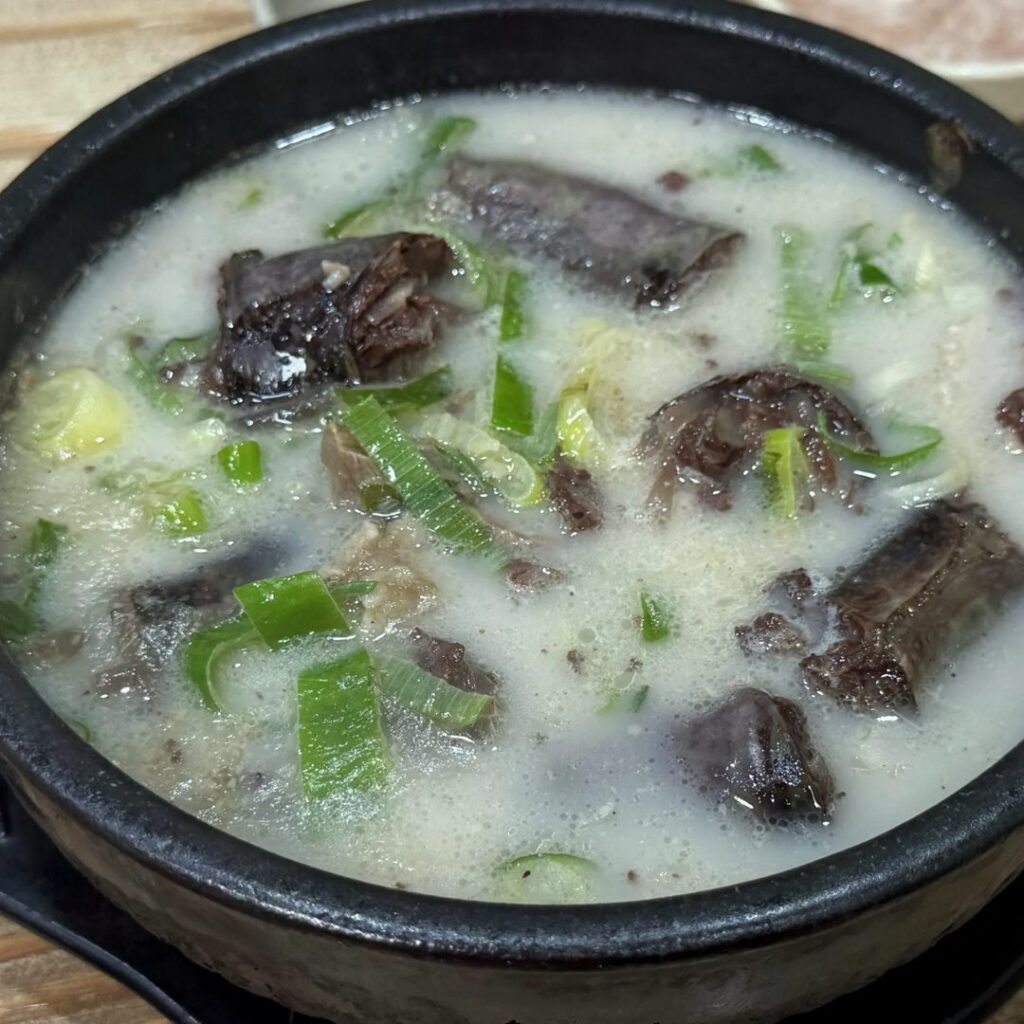
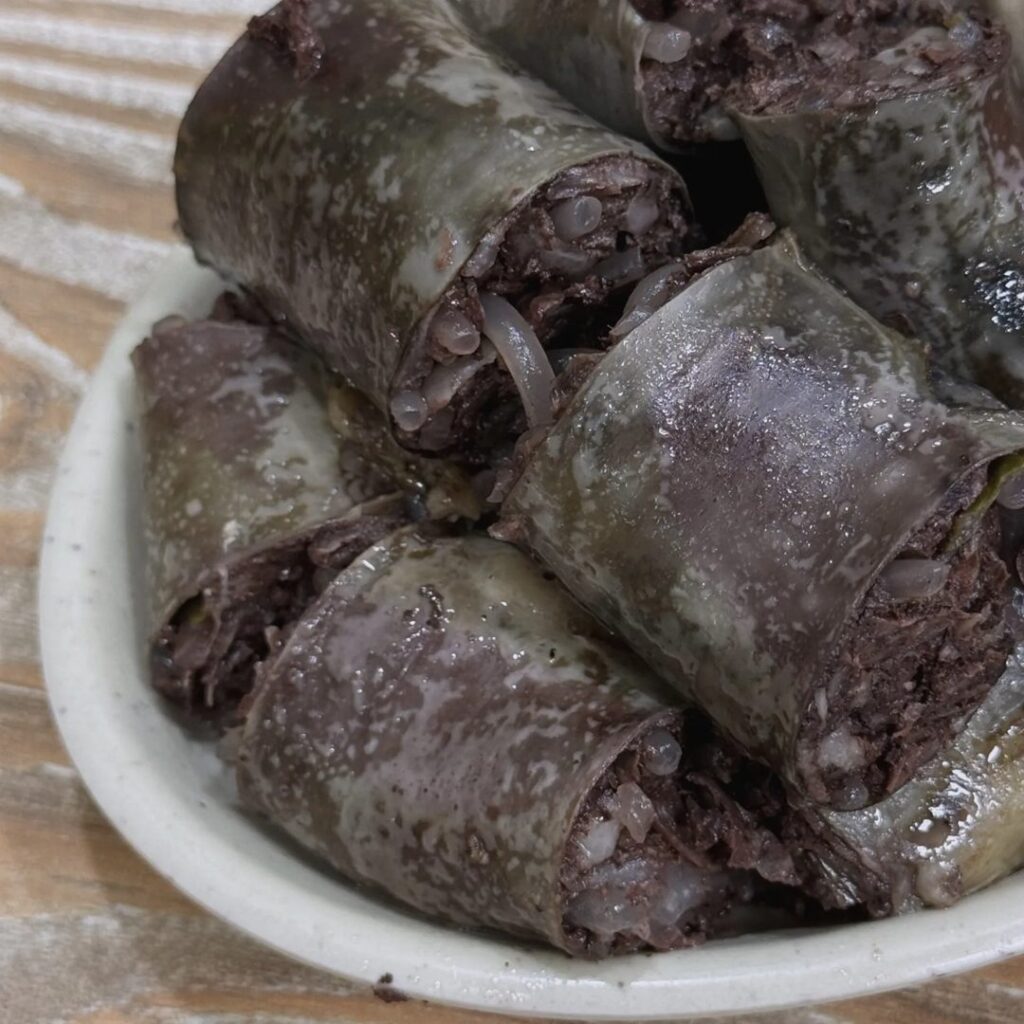
Where: 1749 Chungjeol-ro, Byeongcheon-myeon, Cheonan (청화집 병천). Open in Naver Map. Original reviews on Revitguide: visit 1, visit 2.
Chungnamjip Sundae (충남집순대)
I tried this one as takeout, which let me focus on the sundae alone. It was clean and classic, with a savory, dense filling that ordinary sundae rarely matches. I ate two bowls of rice with it. Read more about sundae styles in our Korean sundae guide.
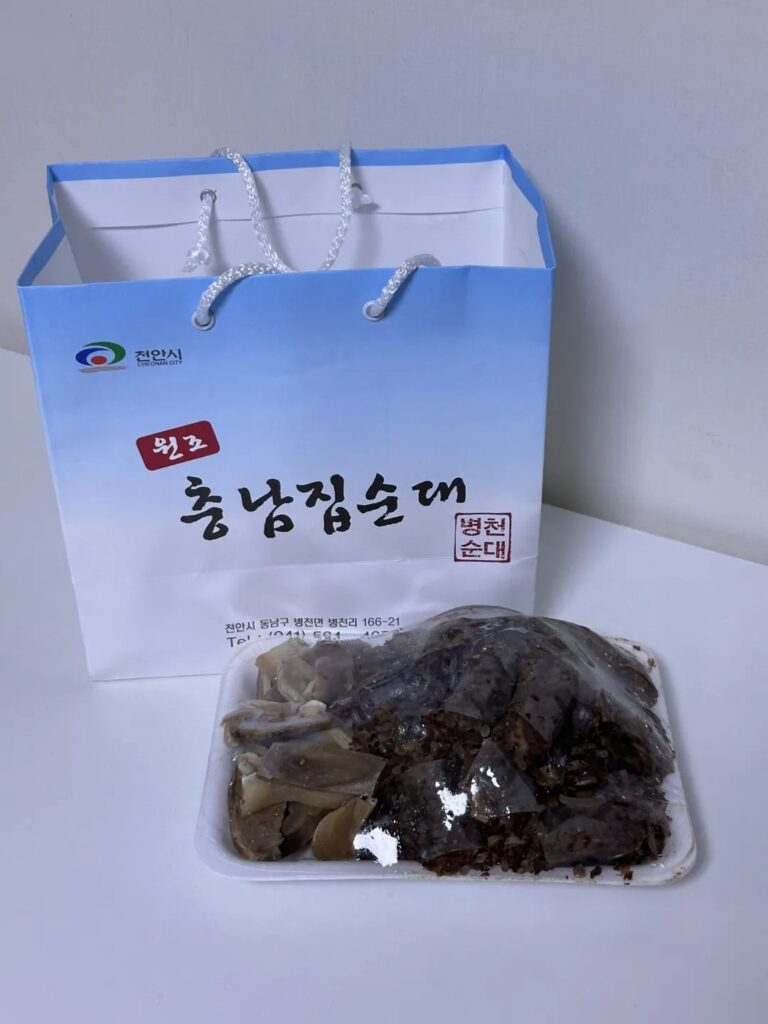
Where: 1748 Chungjeol-ro, Byeongcheon-myeon, Cheonan (충남집순대). Open in Naver Map. Original review on Revitguide: read it here.
Gongju Jjamppong Houses
Gongju is known for its old Korean-Chinese restaurants, many open only around lunch. For more on the dish, see our jjamppong guide.
Donghaewon (동해원)
A waiting line is normal here, and hours are short. The jjamppong is not the usual seafood style: the broth leads with a deep pork savoriness and smoky vegetables, heavy but easy to finish, with a generous pile of squid and vegetables and noodles that stay springy. The thin, crisp tangsuyuk was a good match. It has run for over 50 years on just a few dishes.
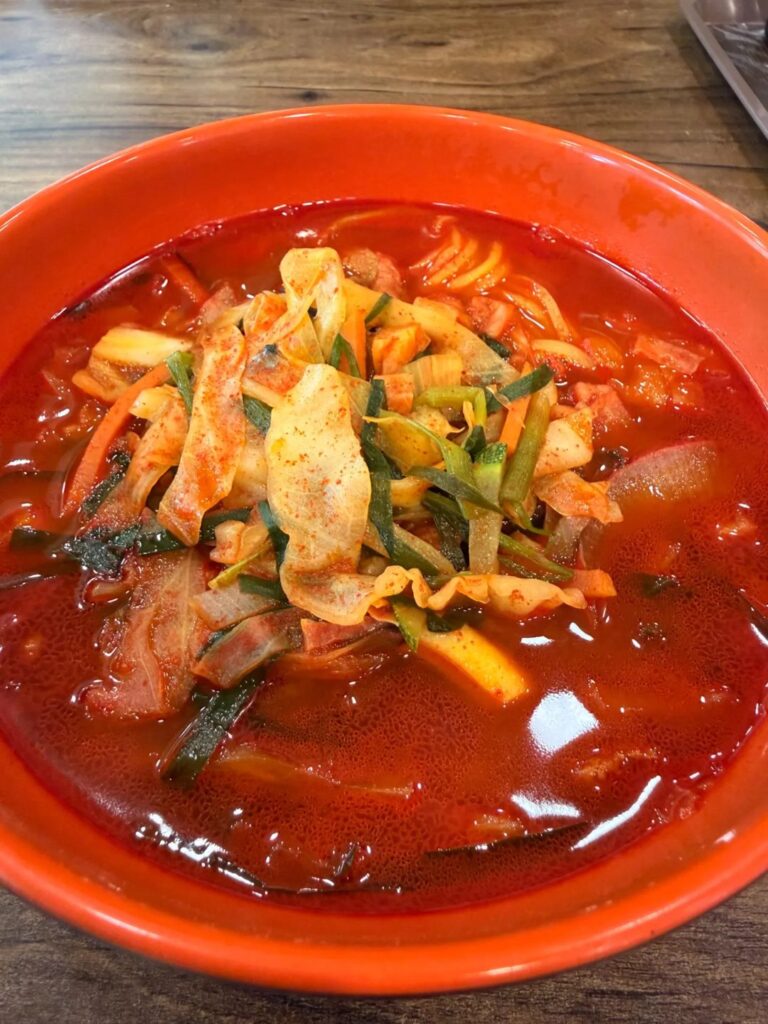
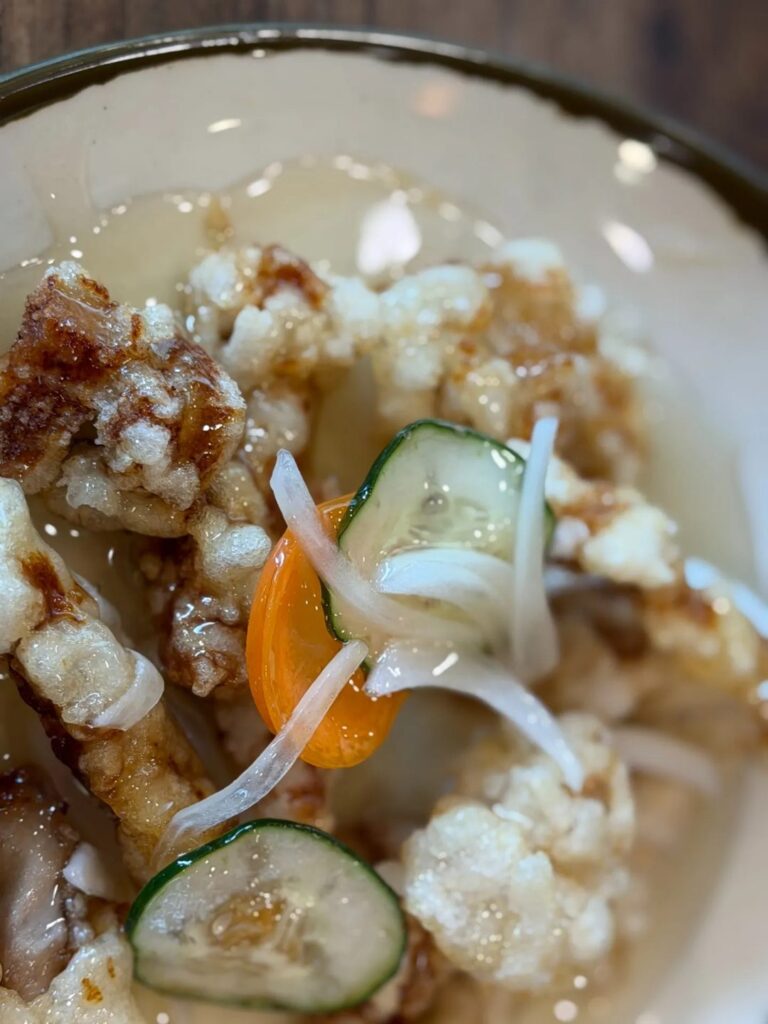
Where: 22 Napdari-gil, Sohak-dong, Gongju (동해원 공주). Open in Naver Map. Original review on Revitguide: read it here.
Jangsunru (장순루)
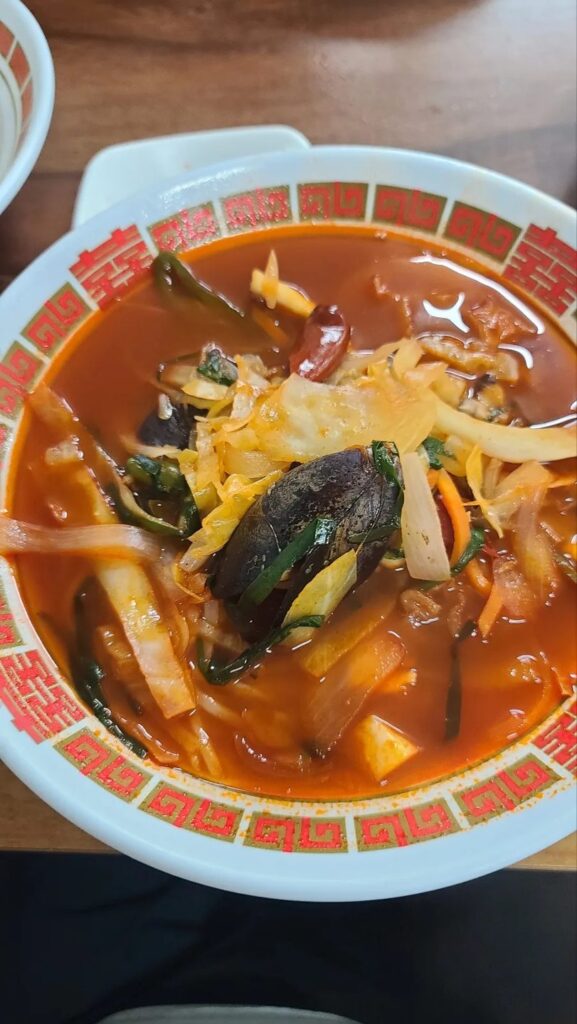
Open since 1982 and only at lunch. The gochu jjamppong looks fierce under a layer of chopped chili, but the broth leans on clean seafood and vegetable flavor, with a heat that made me sweat without hurting. The self-serve sweet iced coffee afterward was a fun old-school finish. Of the Gongju bowls, this is one I would return for.
Where: 5-12 Mabang-gil, Gyeryong-myeon, Gongju (장순루). Open in Naver Map. Original review on Revitguide: read it here.
Jinheunggak (진흥각)
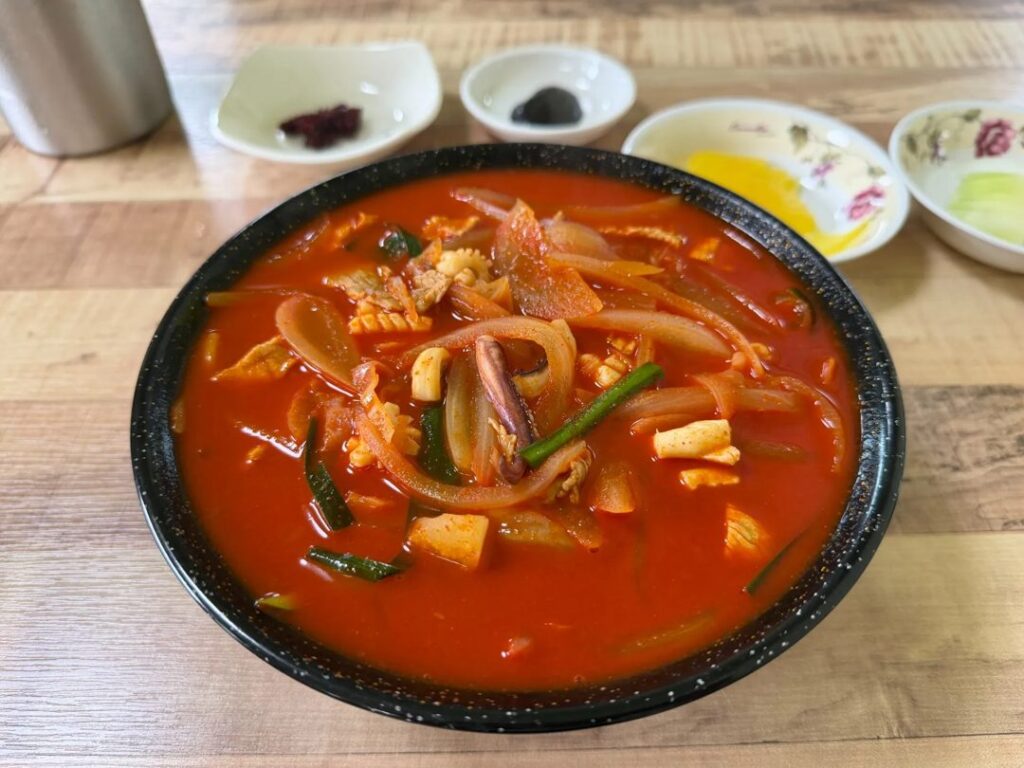
Open from 11:00 to about 14:00 with just jjamppong and jajangmyeon, a format the reviewer says has held since 1979. The bowl is packed with pork, squid, shrimp, onion and zucchini. The broth starts mild, with sweetness from the vegetables, and it is hard to stop eating. Good if you prefer gentle jjamppong over a fiery one.
Where: 20 Gamyeong-gil, Gongju (진흥각 공주). Open in Naver Map. Original review on Revitguide: read it here.
Cheongun Sikdang (청운식당)
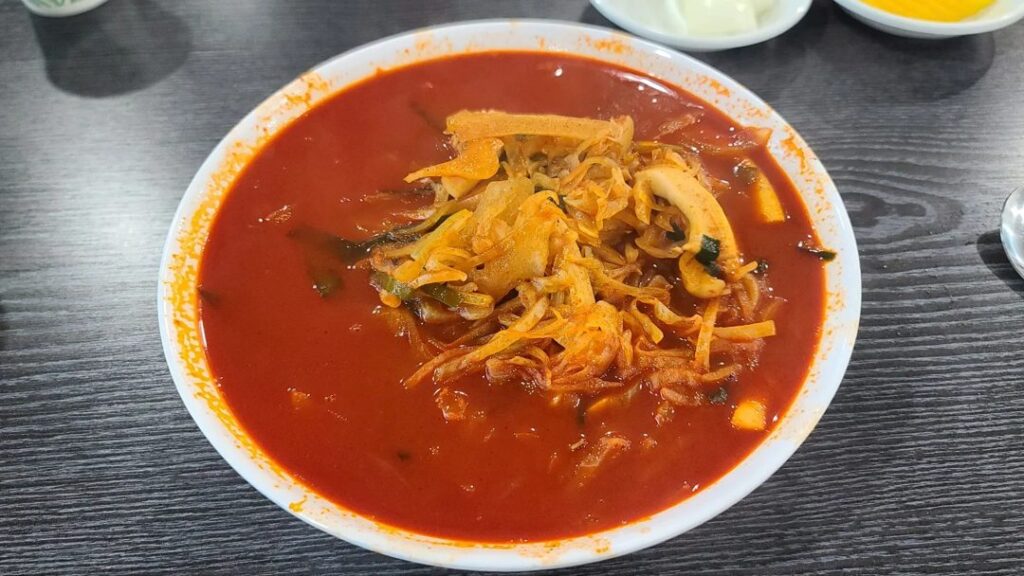
Lunch only, just jajang and jjamppong, and no rice for sale, so locals bring their own. The broth is thick and rich, layered with seafood and an oily savoriness, and made me want to add rice the whole time. Mussels and squid were generous. The noodles are thick and soft. The dining room was tidy, and there was enough parking.
Where: 321-8 Uidang-ro, Uidang-myeon, Gongju (청운식당 공주). Open in Naver Map. Original review on Revitguide: read it here.
Sejong and Cheongju
Pizzeria Giallo (피제리아지알로), Sejong
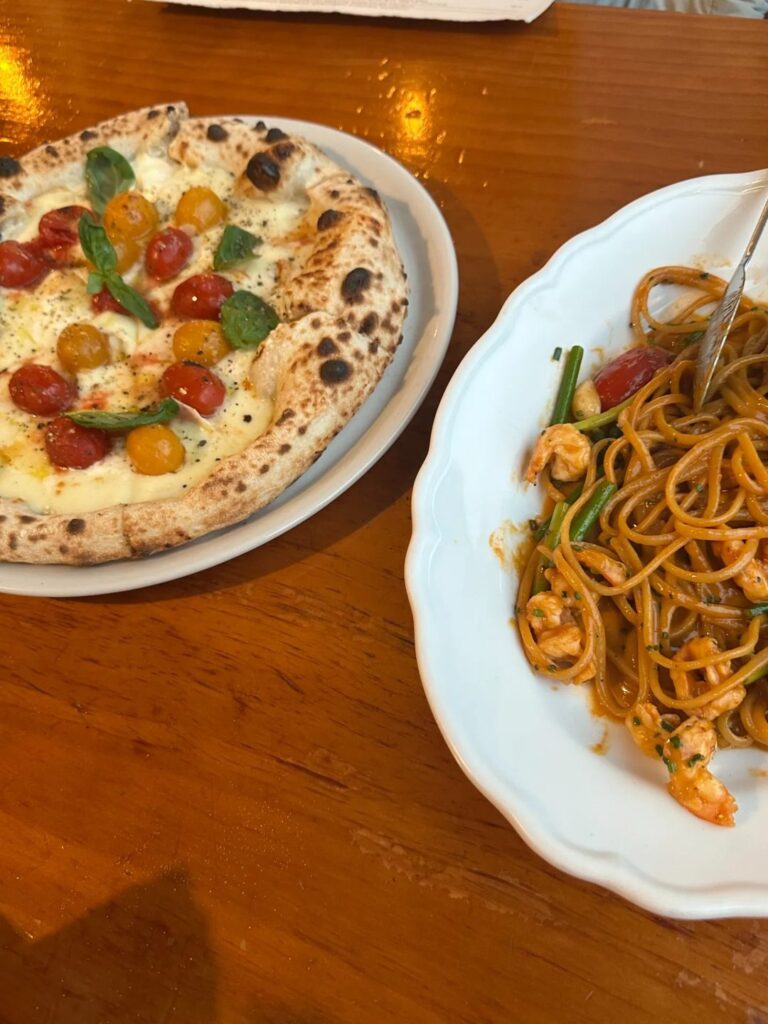
Wood-fired pizza usually makes me remember the dough, but here it was the tomatoes. The datterini pizza was just cheese, basil and different colored tomatoes, yet the tomatoes led every bite. I liked the bisque linguine just as much, with butter and tomato acidity trading places.
Where: 137 Sicheong-daero, Sejong (피제리아지알로). Open in Naver Map. Original review on Revitguide: read it here.
Sushi Kitae (스시키타이), Cheongju
I wanted one sushi meal in Cheongju and chose this lunch course. It builds steadily rather than opening with fireworks, and the sweet shrimp was the standout, melting on the tongue with a clear sweetness. Balance over flash, portions more generous than I expected for lunch, and good value overall.
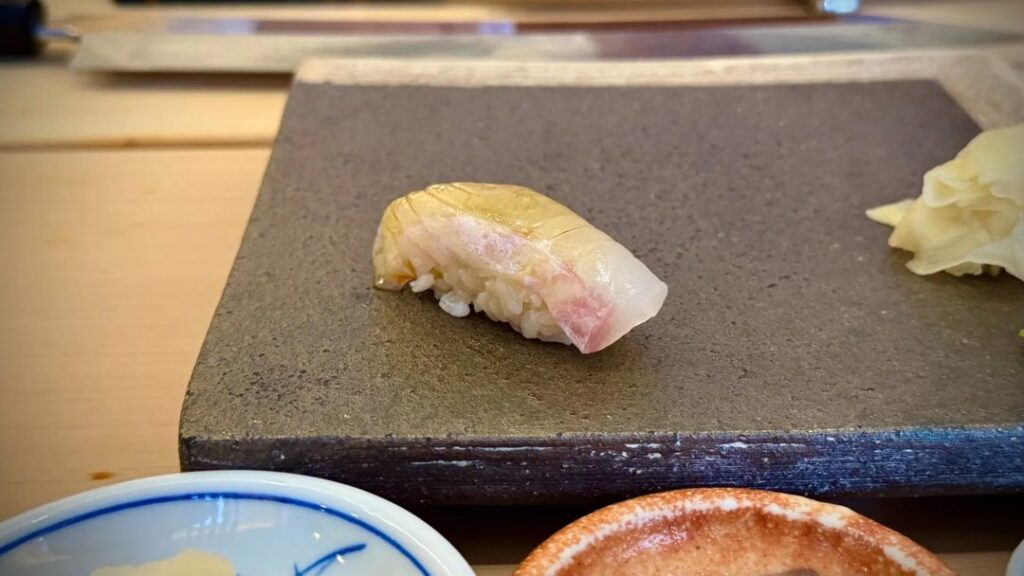
Where: 4F, 15 Jinjae-ro 109beon-gil, Heungdeok-gu, Cheongju (스시키타이). Open in Naver Map. Original review on Revitguide: read it here.
Comfort Coffee (컴포트커피), Cheongju
I had heard it does a good flat white. The room is calm with wood furniture and fresh flowers. The flat white was not milky-heavy, the espresso nutty and easy rather than sharply acidic. No flashy desserts, just good coffee in a comfortable space.
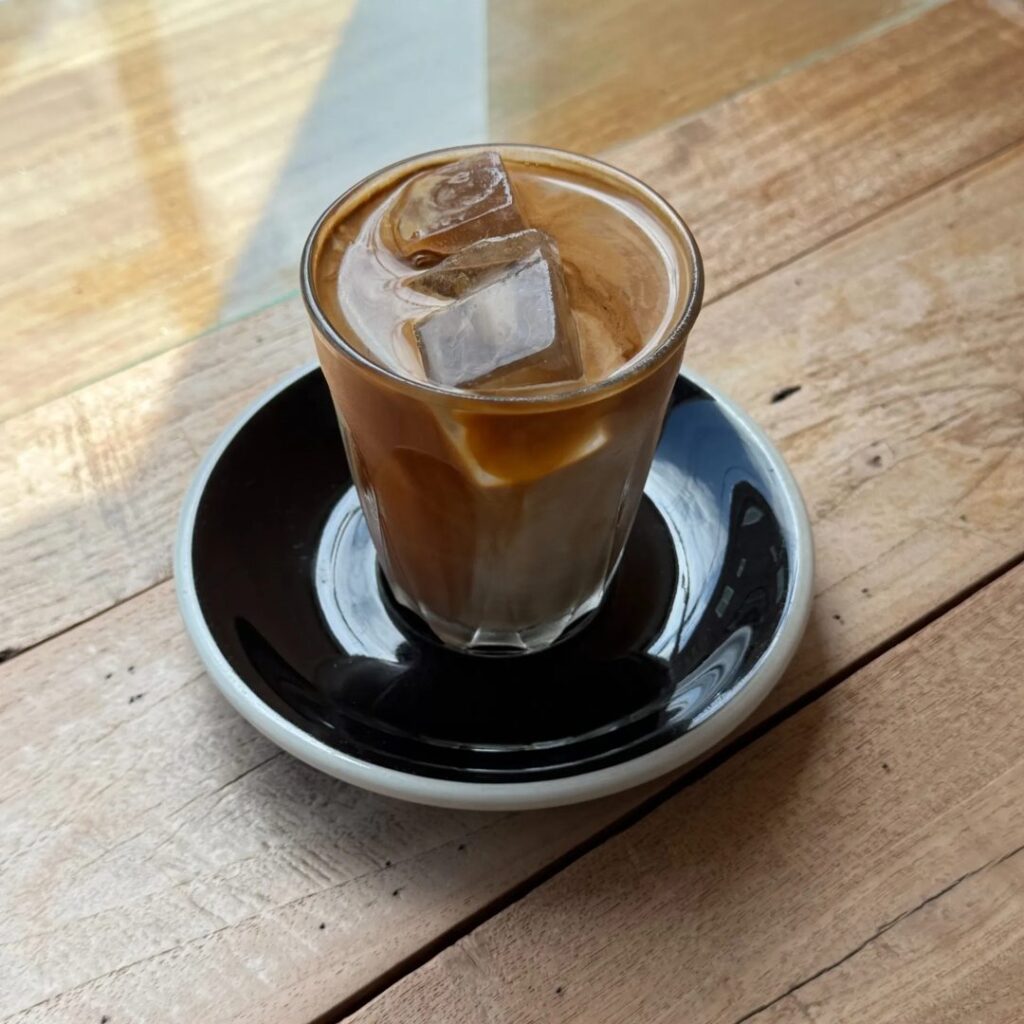
Where: Uncheon-dong, Heungdeok-gu, Cheongju (컴포트커피 청주). Open in Naver Map. Original review on Revitguide: read it here.
Jincheon and Chungju
Alla Pala (알라팔라), Jincheon
The myeongnan (pollock roe) pizza was bold, with salty roe softened by egg yolk and a little chili oil, and gamtae seaweed adding a sea note. The margherita was lighter and showed the basics. Fun to share several pies, and a nice surprise in Jincheon.
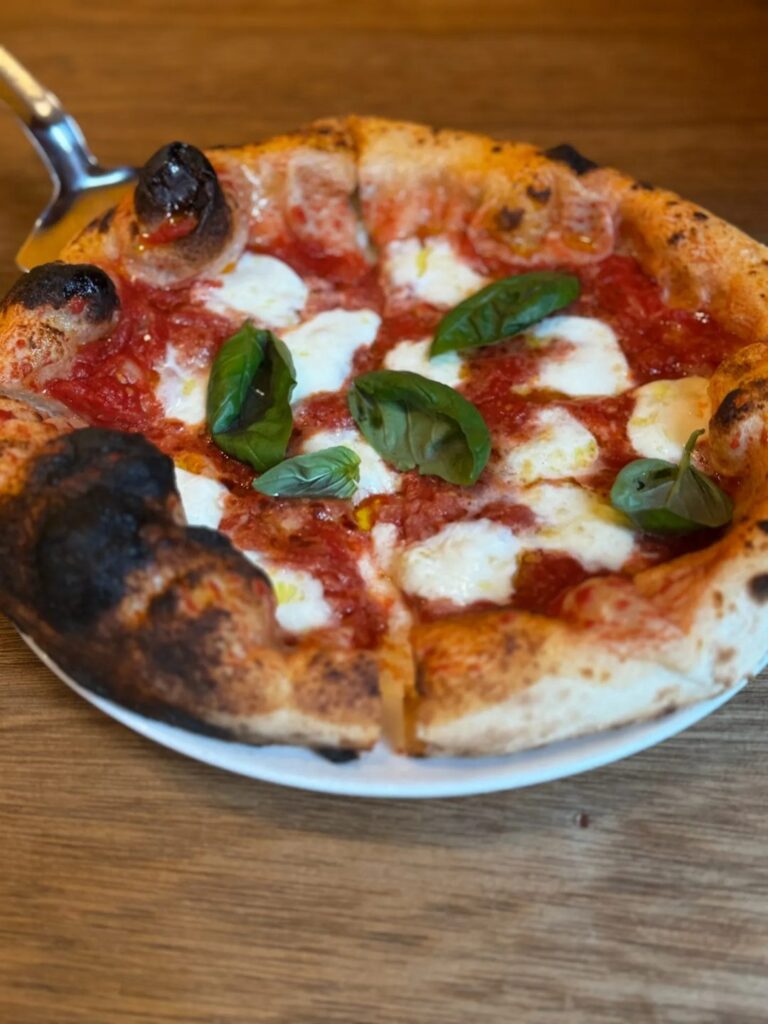
Where: 27-2 Daewol 1-gil, Deoksan-eup, Jincheon (알라팔라 진천). Open in Naver Map. Original review on Revitguide: read it here.
Mison at Yuwonjae (유원재), Suanbo
Yuwonjae is a hot spring hotel in Suanbo, Chungju, and dinner at its restaurant Mison comes with the stay. I ate in a private dining space, unhurried. The cooking uses Korean ingredients and seasonal produce but is not a typical hanjeongsik: plates are simple, textures vary, and portions let you stay focused to the end. Eating right after the hot spring made it more memorable. The hotel received one MICHELIN Key in the 2026 hotel selection. My visit was in April 2025.
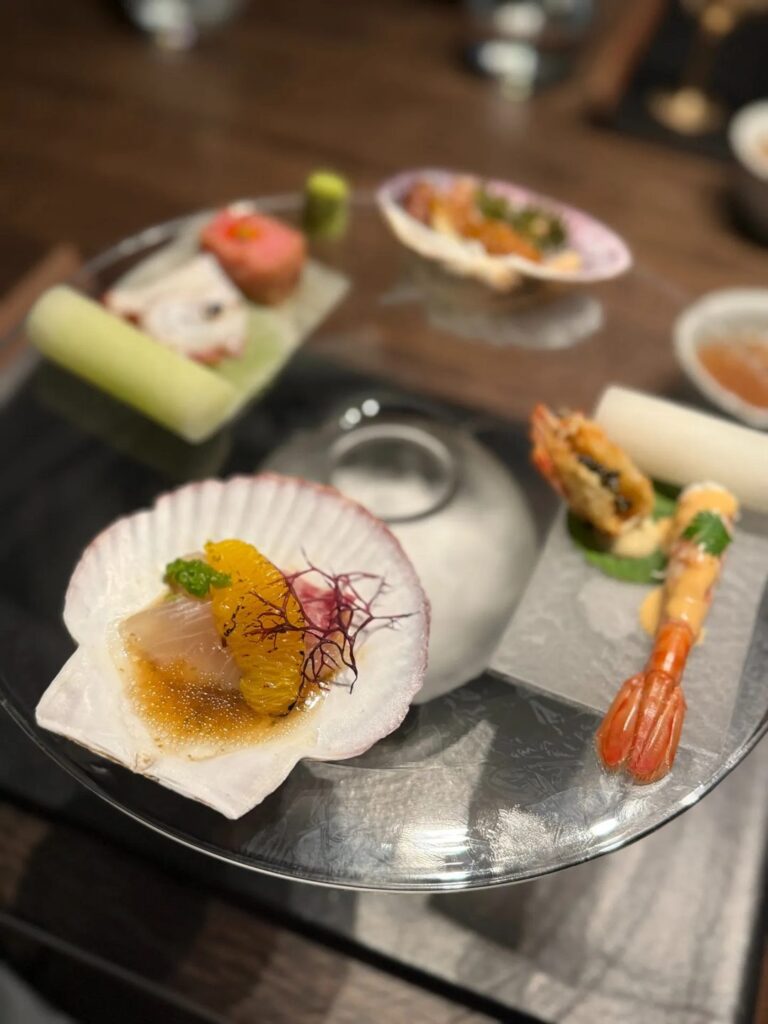
Where: 6 Jujeongsan-ro, Suanbo-myeon, Chungju (유원재). Open in Naver Map. Original review on Revitguide: read it here.
Tips for Visiting Daejeon Restaurants and Chungcheong
- Book early. Popular Daejeon restaurants like Sushi Hosan fill up fast, and so do Osteria Moon and the Pincio Sale courses. Walk-ins are not guaranteed.
- CatchTable is the easiest way to book Sway, Osteria Moon and Pincio Sale. For phone-only bookings like Sushi Hosan, a hotel concierge can help.
- Check train times before you book a table, especially for Chungju, where KTX-Eum trains are few.
- These restaurants are not in the MICHELIN Guide, which in Korea covers Seoul and Busan.
Beyond Daejeon Restaurants: More Korea Food Guides
Short on time? Then stick to the Daejeon restaurants and add a pastry stop at Sungsimdang near Daejeon Station before your train back.
- Sushi in Seoul: 6 Lunch Omakase Counters Worth Booking
- Omakase Seoul: 3 Sushi Counters Worth Booking Twice
- Napoli Matfia’s Vesuvio: Italian Fine Dining in Seoul
- Dwaeji Gukbap in Busan: Eomyongbaek Review
- Gwangju Food: Dining Sojae
- Best Korean Restaurants in Seoul
FAQ
How do I get from Seoul to Daejeon restaurants?
Take the KTX from Seoul Station to Daejeon Station, about 50 minutes to 1 hour 10 minutes, or the SRT from Suseo Station in about an hour. Both Daejeon picks here are in Seo-gu, a short taxi ride from the station.
Is Sushi Hosan hard to book?
Yes. It is a small counter with a long local following. Bookings are taken by phone, so call well ahead or ask your hotel to help.
Is Osteria Moon in Cheongju closing?
Visitors in 2026 report that it will leave its current address after December 2026 and plans to reopen elsewhere. Check its Instagram before you go.
Can I visit Cheongju and Chungju in one trip?
It is possible but slow. Trains between Osong and Chungju run only every couple of hours, so most people visit each city on a separate day or by car.
Are any of these Daejeon restaurants in the MICHELIN Guide?
No. The MICHELIN Guide in Korea currently covers Seoul and Busan, so none of these four has a rating.
We checked prices, hours and booking information in November 2026, and they can change. Check CatchTable or Naver Map before you go.