Finding a great Japanese restaurant in Seoul is easy if all you want is sushi. This guide goes further: a kaiseki counter that serves one of the city’s most talked-about eel rice boxes at lunch, two seasonal kaiseki rooms in Gangnam, two tonkatsu shops where the pork itself is the star, and a tiny yakitori bar that is very hard to book.
The picks below are adapted from visits by Revitguide reviewer 호미식 (Homisik), who rated each 4 out of 5. Each section links to the original Korean review.
If sushi is what you are after, see our guides to lunch omakase counters and omakase in Seoul. For a Michelin-starred kaiseki dinner, read our reviews of Gaggen and Mitou.
Kaiseki, Tonkatsu or Yakitori: Which Japanese Restaurant in Seoul?
Seoul’s Japanese dining scene has grown well beyond sushi bars. So before you pick a Japanese restaurant in Seoul, here is a quick guide to the styles in this list.
- Kaiseki (가이세키): a multi-course Japanese meal built around the season. It grew out of the small meals served with the Japanese tea ceremony, so the pace is calm and each dish is small. Expect ₩150,000 or more for dinner in Seoul, though some places offer simpler lunches for less.
- Washoku (와쇼쿠): traditional Japanese home-style and restaurant cooking. Rice, soup and small side dishes sit at the center.
- Unagi don (장어덮밥): grilled freshwater eel over rice, usually brushed with a sweet soy glaze.
- Tonkatsu (돈카츠): a breaded, deep-fried pork cutlet. Seoul’s newer shops let you choose the pig breed and the cut, and many fry the pork slowly so the center stays pink and juicy. A cutlet set costs about ₩13,000 to ₩32,000.
- Yakitori (야키토리): chicken skewers grilled over charcoal, with a different cut on each stick. Most counters serve a short set course first, then let you add skewers one by one.
| Restaurant | Style | Area | What I had | I paid | Best for |
|---|---|---|---|---|---|
| Sanro (산로) | Kaiseki / unagi lunch | Cheongdam | Unagi don lunch | ₩68,000 | A special lunch |
| Kigo (키고) | Kaiseki | Cheongdam | Seasonal kaiseki dinner | ₩150,000 | A first kaiseki |
| Kirameki (키라메키) | Washoku / kaiseki | Sinsa | Lunch set with many small dishes | ₩55,000 | Kaiseki on a budget |
| Kyokaizen Hannam (교카이젠) | Tonkatsu | Hannam | Purebred Duroc mixed cutlet | ₩23,000 | Pork nerds |
| Sendo (센도) | Tonkatsu | Songpa | Sang rosu katsu | ₩16,000 | An easy lunch near Seokchon Lake |
| Yakitori Sho (야키토리 쇼) | Yakitori | Namyeong | Course plus extra skewers and drinks | ₩100,000 | A night out |
1. Sanro (산로): The Unagi Don Lunch
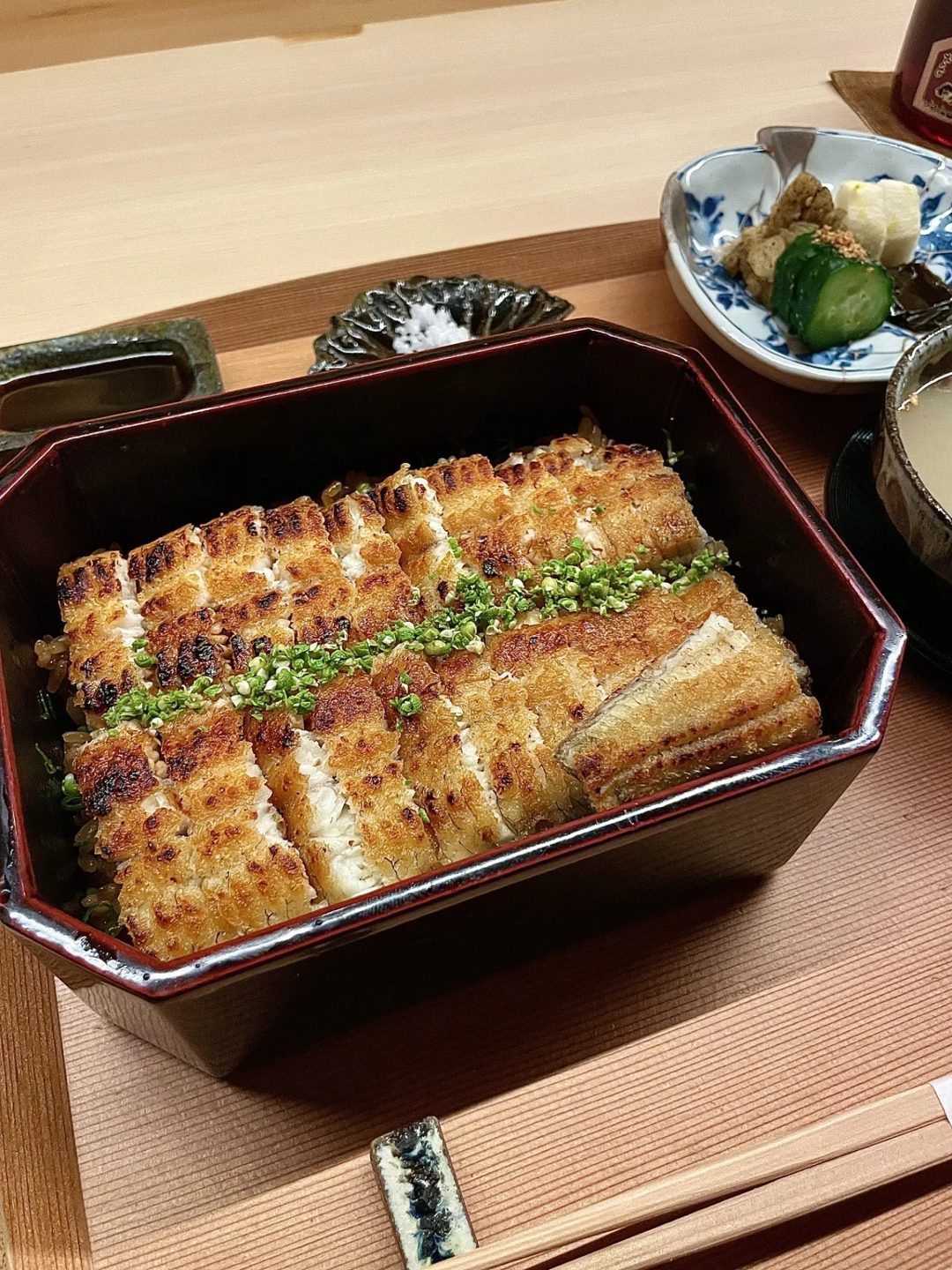
Since this day, ordinary eel has had a hard time impressing me. Sanro’s lunch eel rice box is so famous that it is hard to book, so I had not even tried. Then someone kindly passed their seat on to me, and I finally got to experience Sanro at lunch.
A Japanese restaurant in Seoul that feels like Kyoto
First, the space was overwhelming. The moment I opened the door, it felt like I had gone on a short trip. My only regret was that my photos could not capture the mood. Sanro was originally a high-end kaiseki restaurant focused on dinner, and I was told it started serving eel rice boxes at lunch two or three years ago.
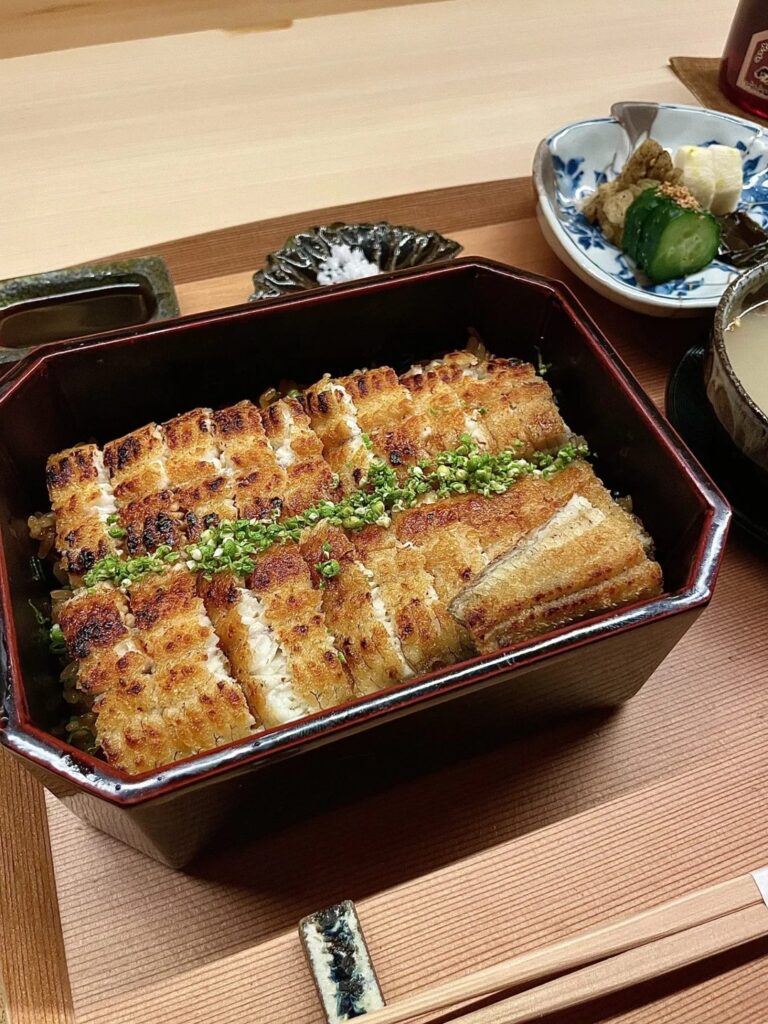
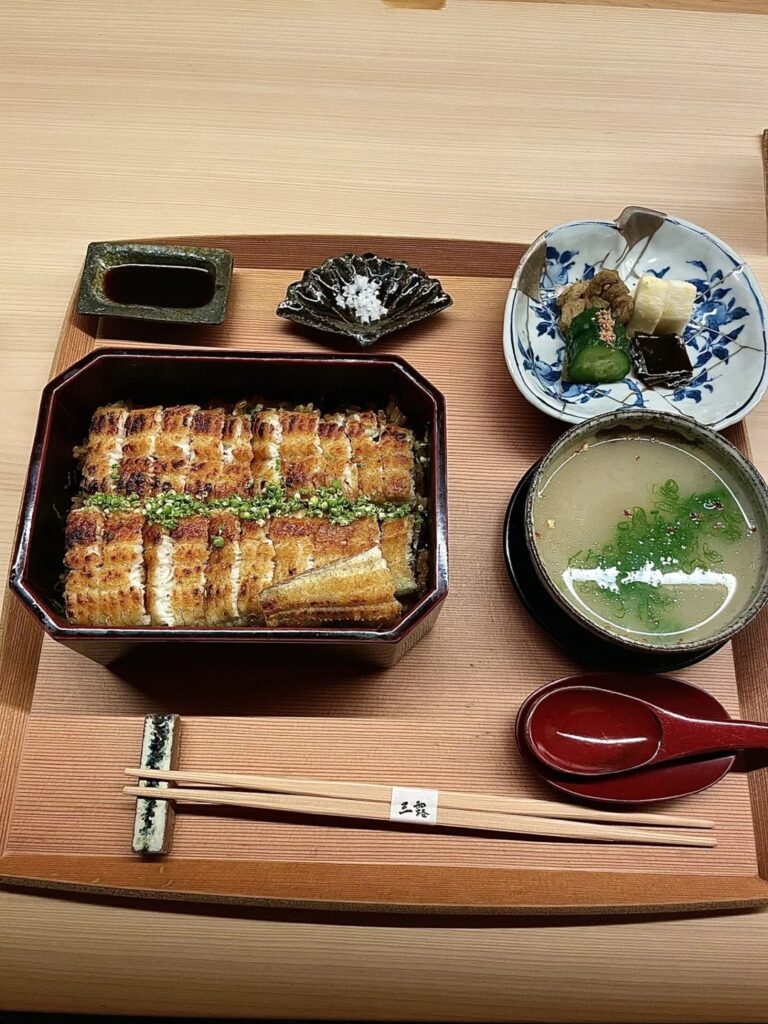
After that, the eel rice box beat my expectations. The eel itself was excellent, but the grilling, done right in front of us over the charcoal, was a work of art. The outside was lightly crisp and the inside was very soft. I did not know eel could be crisp outside and tender inside like that.
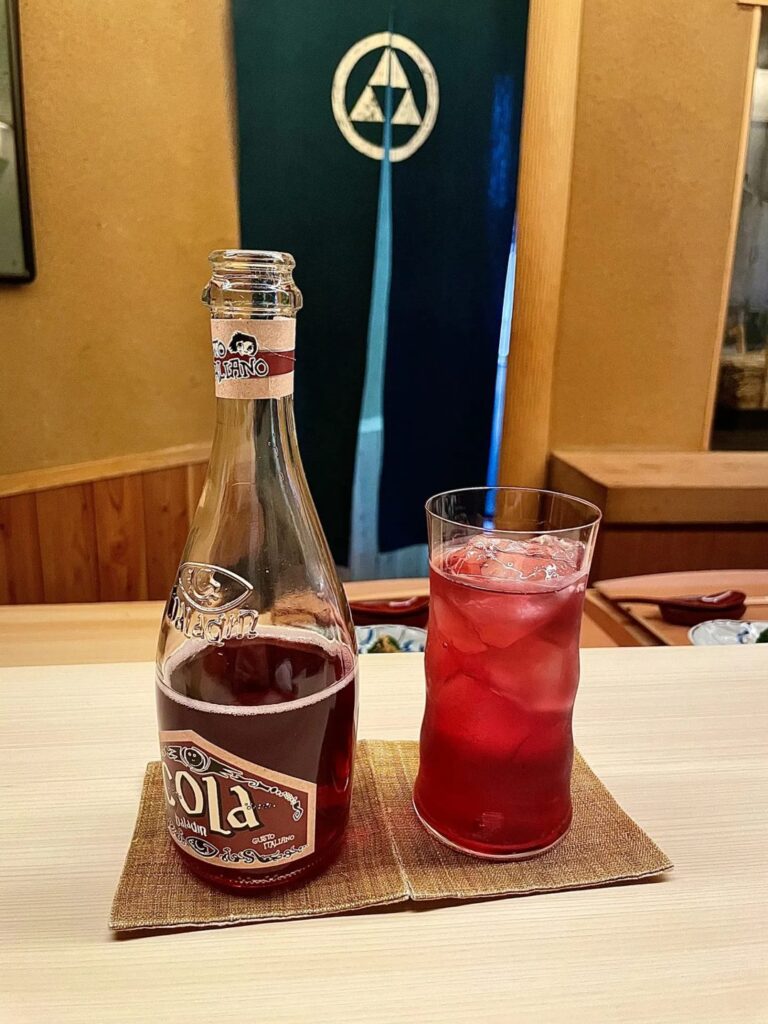
In addition, the portion was bigger than I thought. I usually eat a lot, but I was quite full by the end. The rice was fluffy and went well with the crisp eel. The soup made from eel bones had a deep flavor and left an impression. The Italian cola I ordered was good too. It was not too sweet and cleaned up my palate, so it paired surprisingly well with the eel.
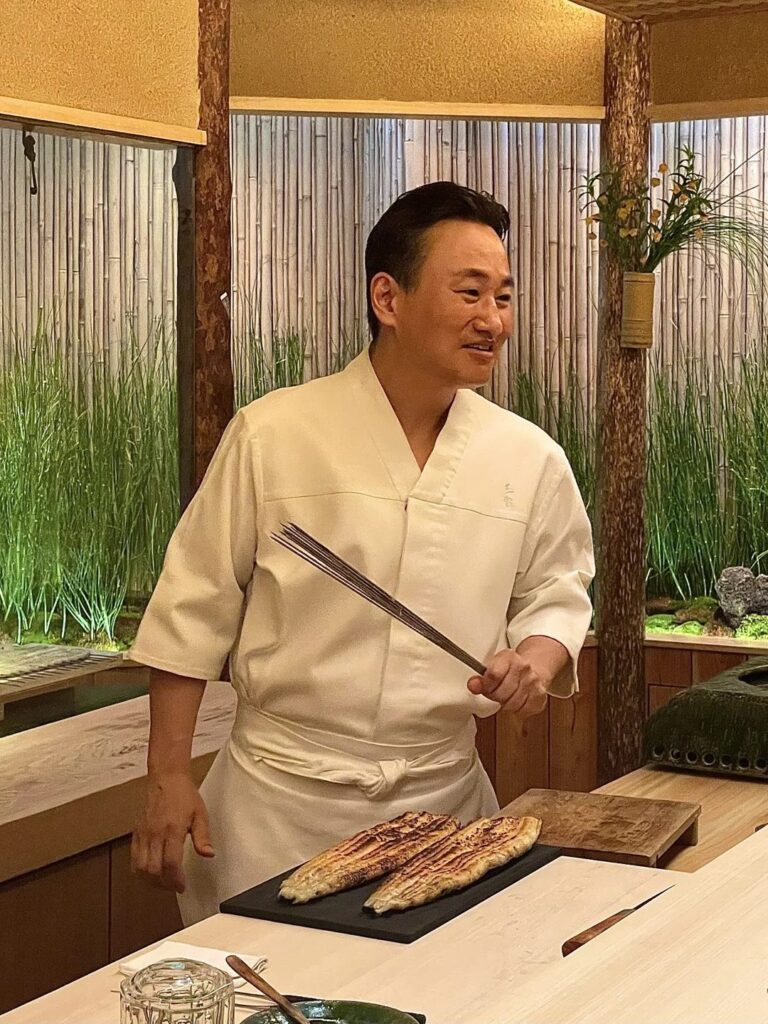
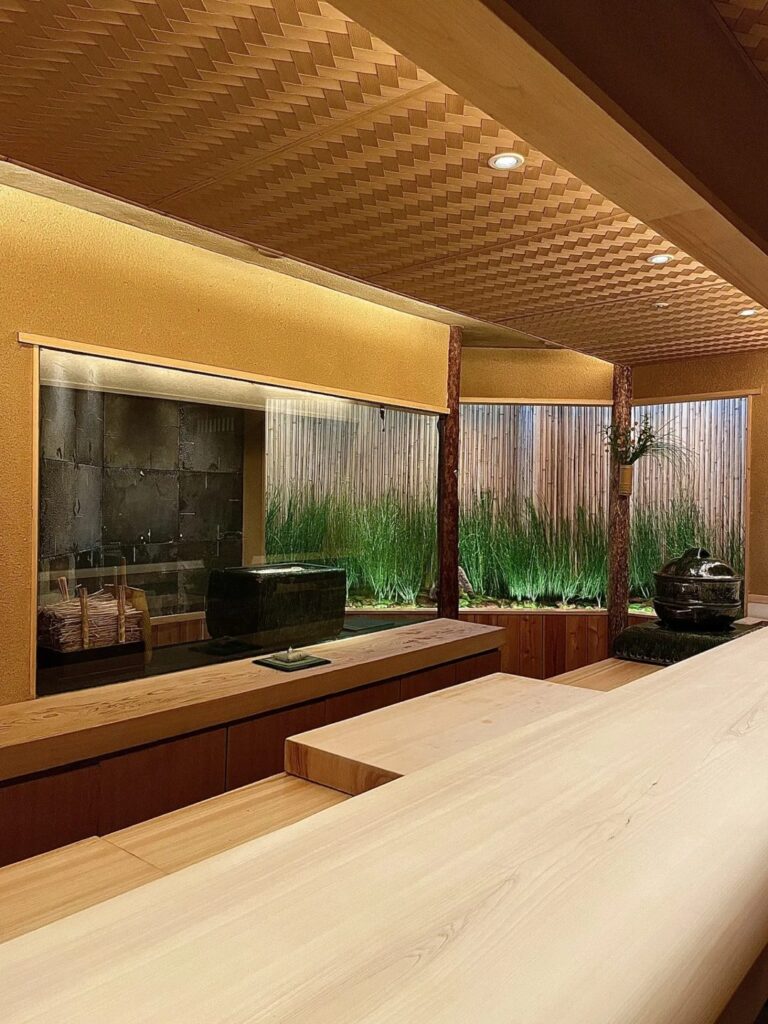
Finally, the chef had a great aura, almost like an actor. His relaxed smile and calm manner kept me in a good mood throughout the meal, and the manager was kind as well. After lunch, I am even more curious about dinner. I definitely want to come back for a Sanro dinner next time.
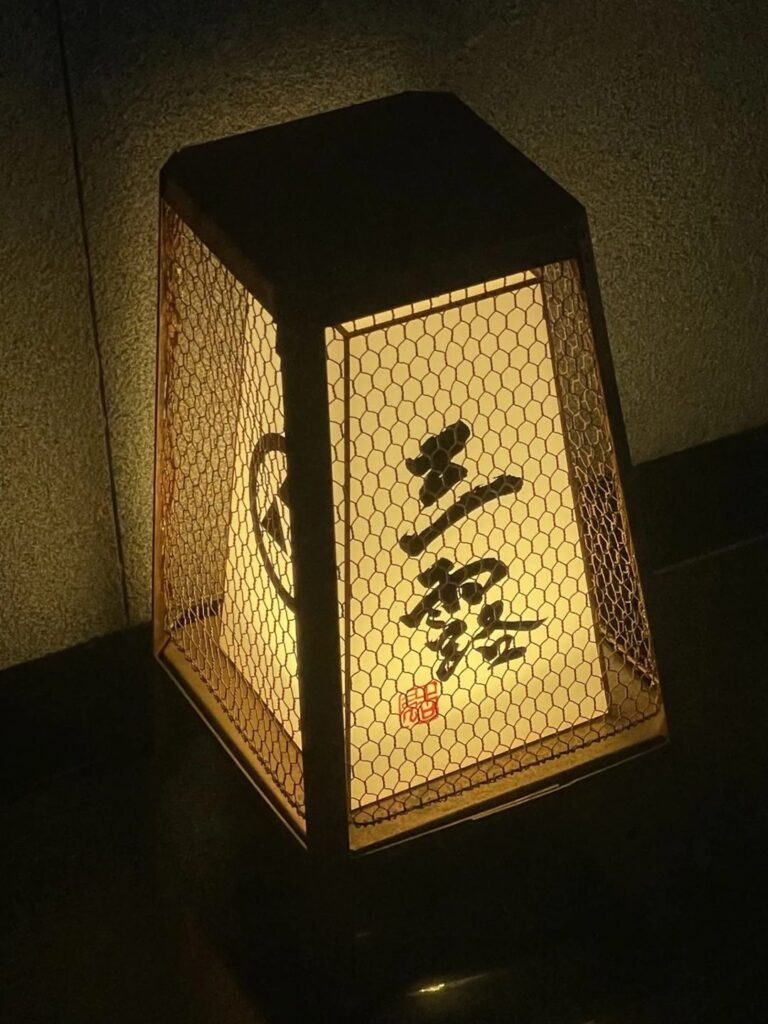
Good to know: Sanro
- Address: 2F, 518 Dosan-daero, Gangnam-gu, Seoul (서울 강남구 도산대로 518 2층)
- Chef: Yoo Sung-yup, who trained at Kikunoi in Kyoto
- MICHELIN Guide: listed in the MICHELIN Guide Seoul 2026 (no star)
- Hours: MICHELIN lists Tuesday to Saturday, lunch from 12:30 and dinner 18:30 to 22:00, closed Sunday and Monday. Some 2026 visitors say the unagi lunch now runs only on Saturdays in two seatings, so check before you go.
- Price: unagi don lunch ₩68,000, dinner kaiseki course ₩380,000 (2026 listings)
- Booking: CatchTable; seats go fast. Valet parking is available.
- Map: Open in Naver Map
- Original review on Revitguide (in Korean)
2. Kigo (키고): A Kaiseki Japanese Restaurant in Seoul for Beginners
After earning my “sushi mania” badge, I took my first step into kaiseki at Kigo. The chef’s explanations kept using the words “these days” and “in season.” I felt I could tell the seasons were changing not by the temperature but by the kaiseki.
Four things that lined up
Service, atmosphere, facilities and taste: all four lined up evenly at this Japanese restaurant in Seoul. The date and course list, handwritten every day, moved me before the meal even began. You could see the care in the food. Each plate felt like a finished work of art. From the soramame (broad beans) at the start to the final dessert, the whole course flowed like one neat set.
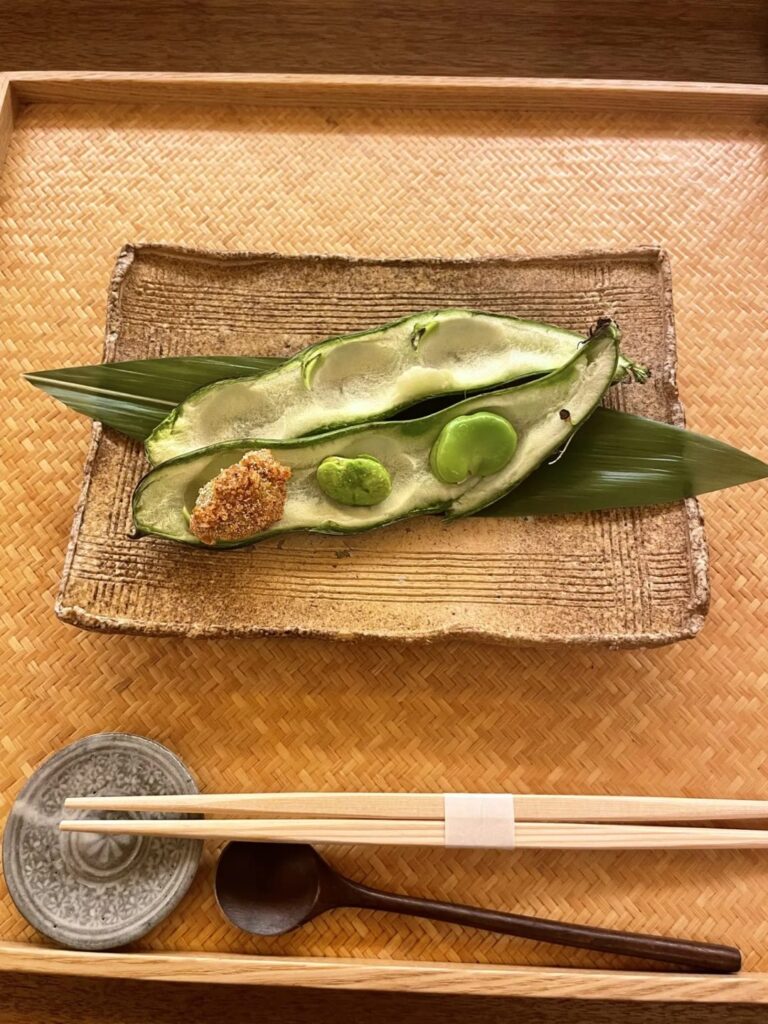
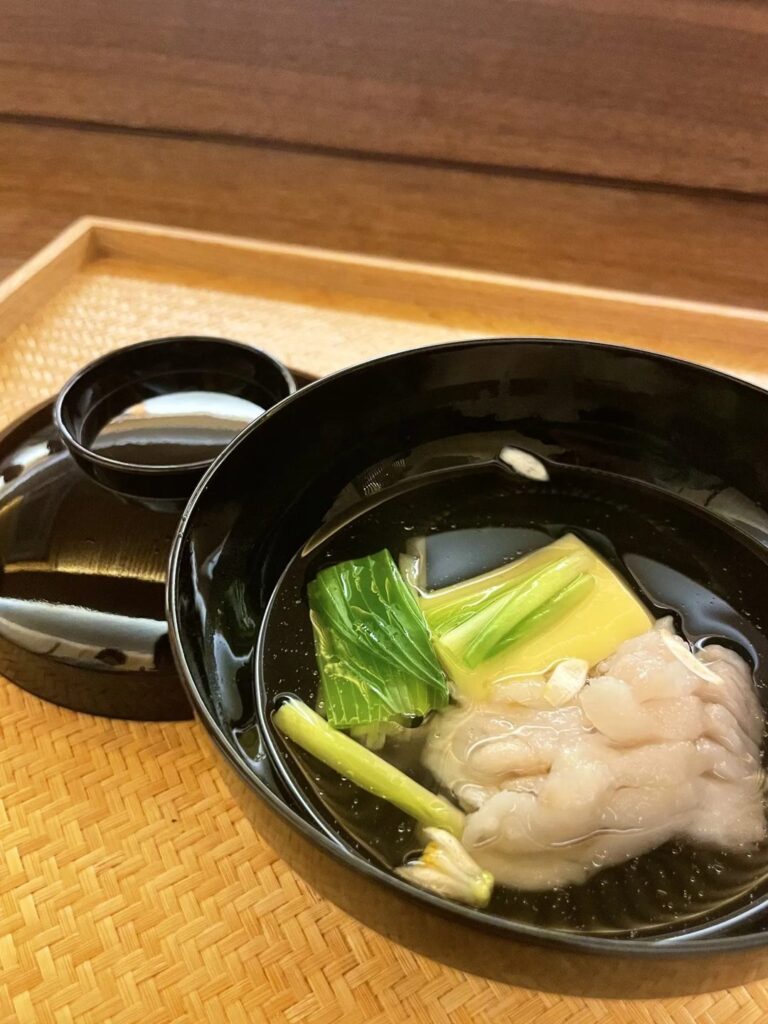
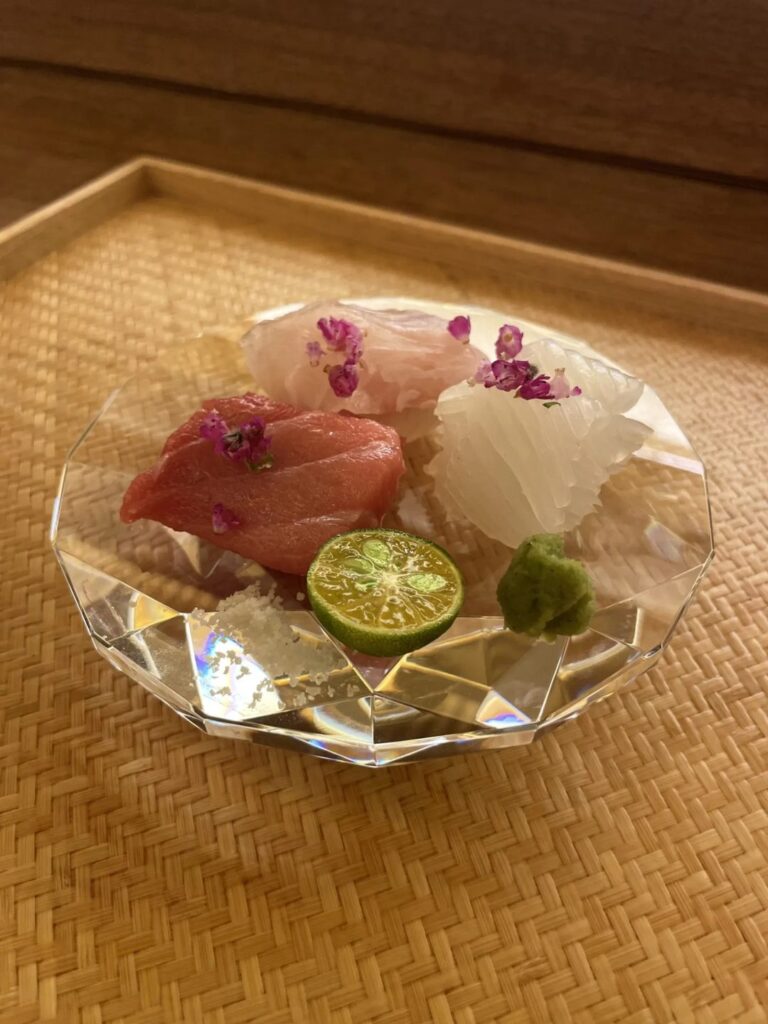
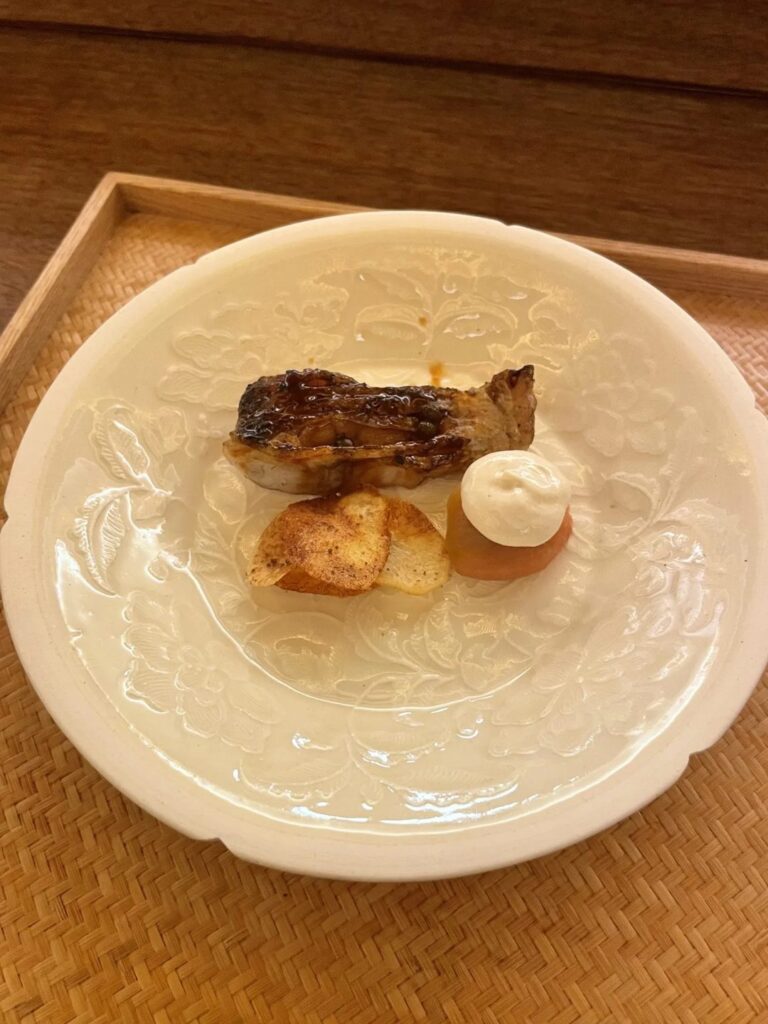
My best pieces were the okdom (tilefish) and the chiayu (young sweetfish). The one I liked least was a shellfish course, which had a slightly fishy note. Also, the matcha at the end was memorable. As you would expect from top-grade matcha supplied by Koyamaen in Kyoto, it was deep right to the finish. As a big matcha fan, I was impressed on the spot.
The chef couple behind Kigo
Maybe because kaiseki is linked to the practice of monks, I could enjoy the whole meal calmly and comfortably, as if I were at a tea ceremony. What completed the experience was the married chef couple. Chef Lee Seong-hyeok’s steady presence and Chef Jeong Min-seon’s delicacy came together and seemed to make Kigo what it is. Just watching them work together made me smile.
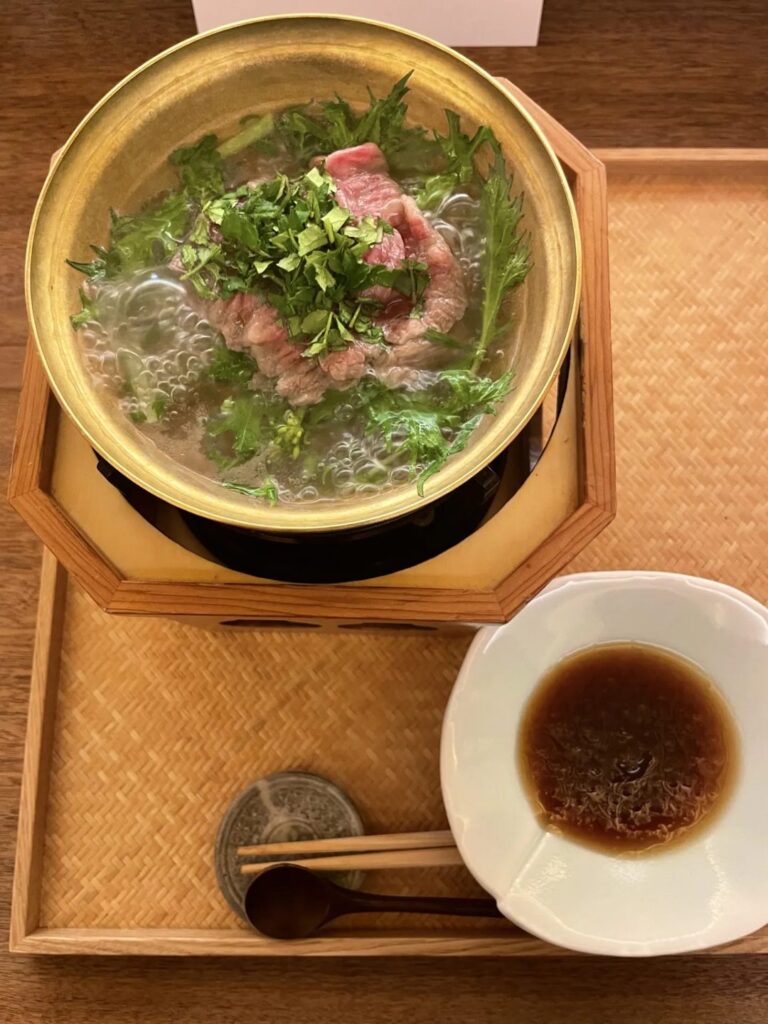
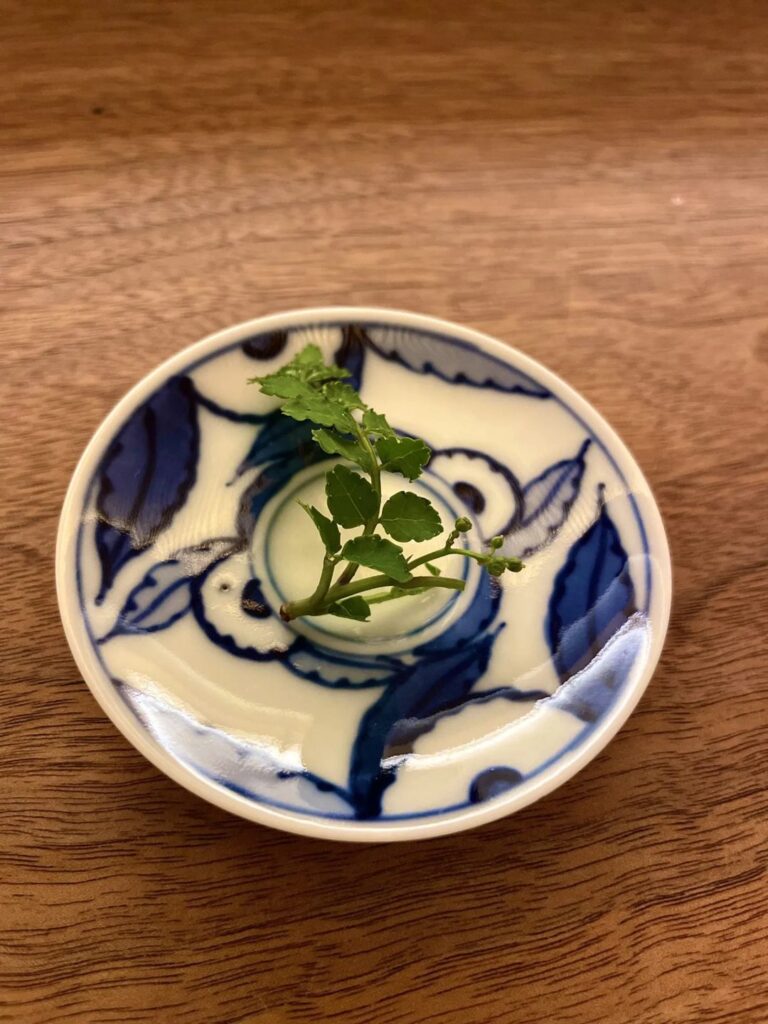
For example, even when no one was watching, they turned around to taste the seasoning. That attitude, not letting even small principles slide, showed how seriously they take their food. Besides that, the chat after the meal was lovely. As a kaiseki beginner, I asked what hana sansho (Japanese pepper flowers) was, and the chef took some out and put it on a plate to show me. I think that moment will stay with me as long as the food. I was told that in May, Kigo serves its most popular dish, a cold noodle course, and I would like to go back then.
Good to know: Kigo
- Address: 5F, 13 Samseong-ro 149-gil, Gangnam-gu, Seoul (서울 강남구 삼성로149길 13 5층)
- Chefs: Lee Seong-hyeok and Jeong Min-seon, a married couple. The CatchTable listing spells the name “Keego”.
- Hours: lunch 12:00 to 14:00 and dinner 18:30 to 22:30 (2026 listings). I could not confirm closing days, so check CatchTable.
- Price: from about ₩150,000 per person on CatchTable (₩150,000 to ₩200,000 depending on the course)
- Booking: CatchTable (Keego). Valet parking is available at the building.
- Map: Open in Naver Map
- Original review on Revitguide (in Korean)
3. Kirameki (키라메키): A Japanese Restaurant in Seoul With a Great-Value Lunch
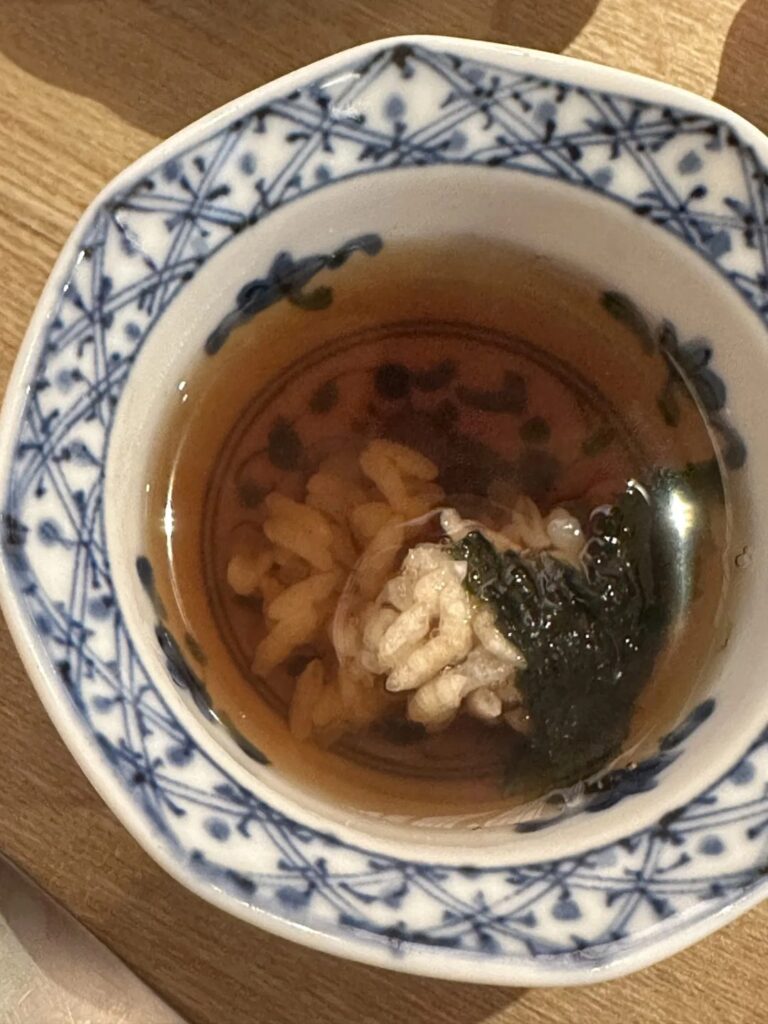
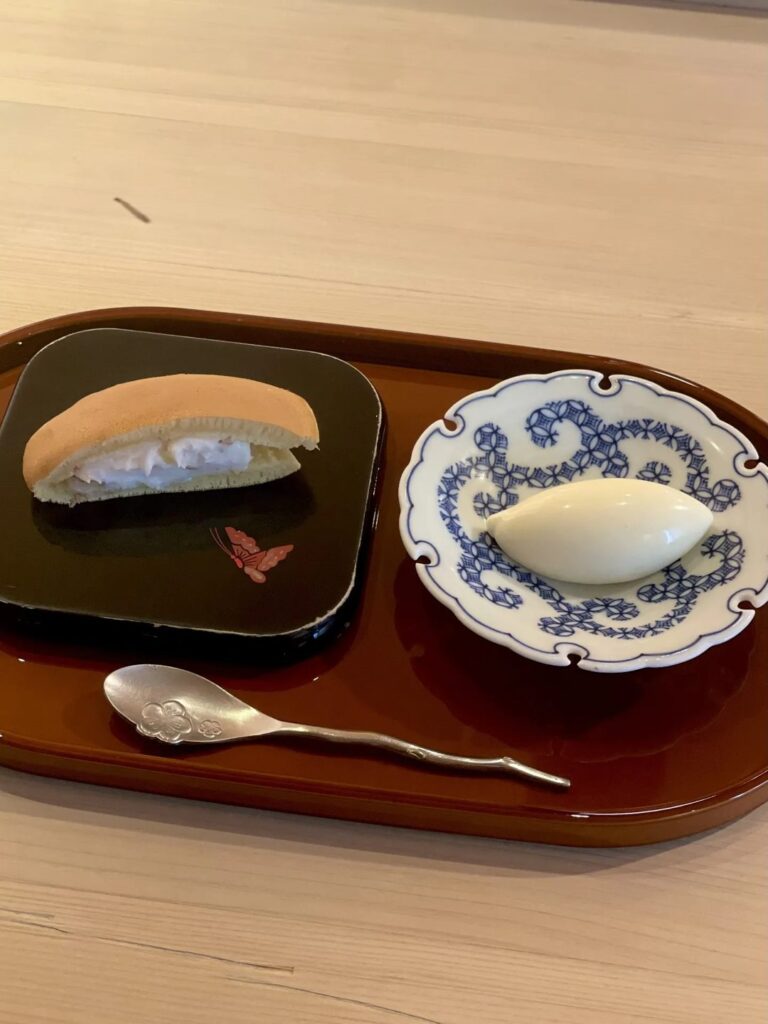
I saw a lunch seat open at Kirameki and booked it right away. The food was straightforwardly delicious, as I expected. The lunch price is relatively easy on the wallet, but you still feel Kirameki’s sense of space and care.
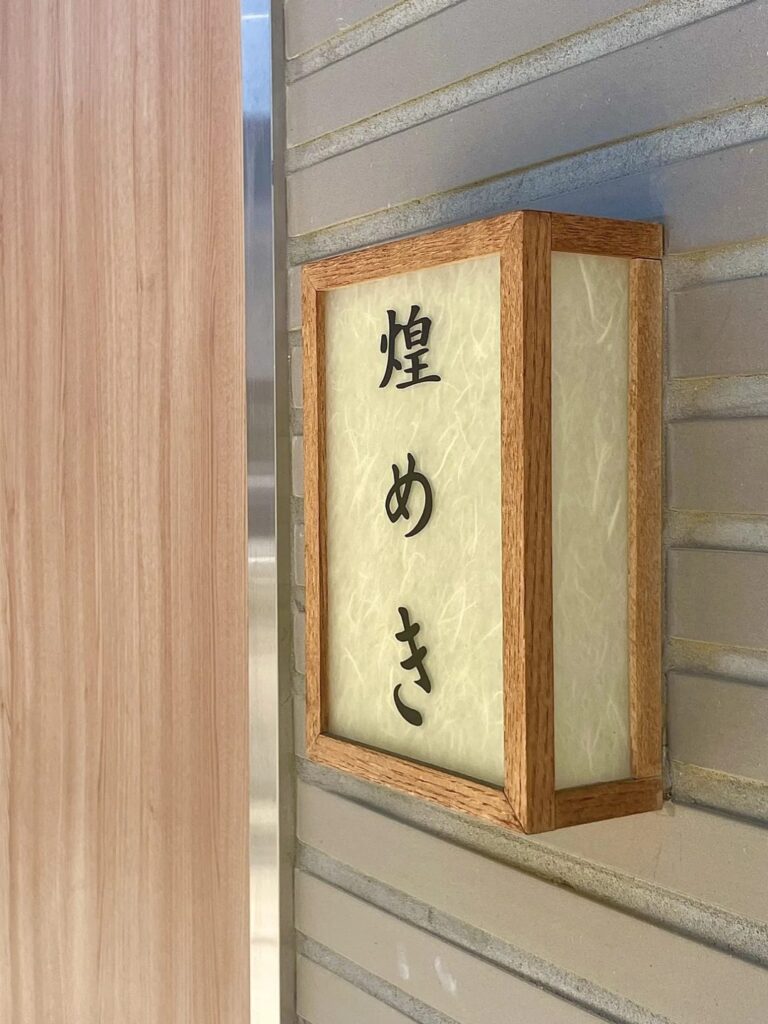
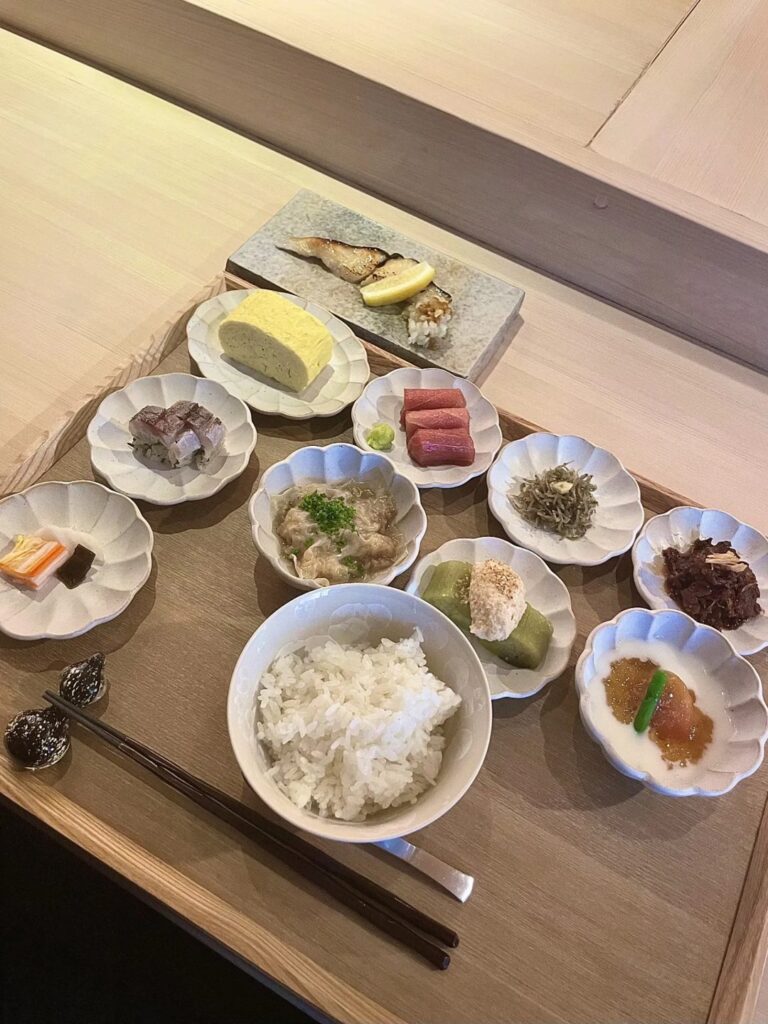
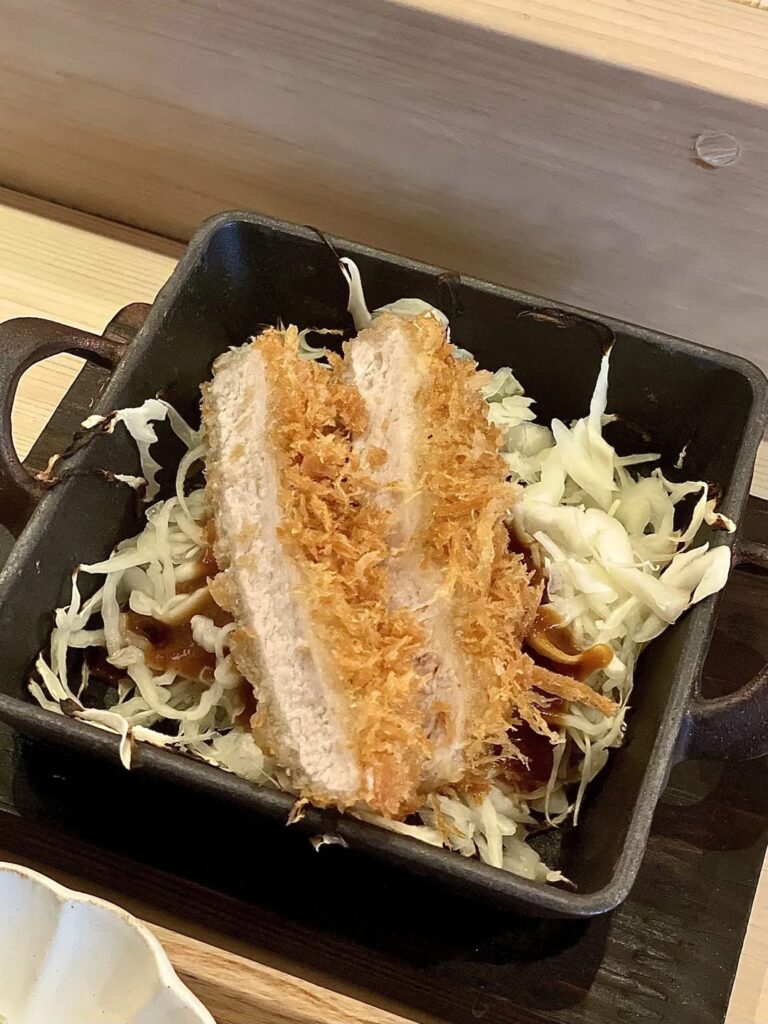
However, rather than a meal that leaves a strong impression, it is a good choice for a light visit when you miss the calm mood of kaiseki and neat Japanese small dishes. Besides the small dishes, the main part also includes grilled fish and even tonkatsu. Add the ochazuke and dessert at the end, and it felt quite generous for the price.
Good to know: Kirameki
- Address: 1F, 18 Dosan-daero 28-gil, Gangnam-gu, Seoul (서울 강남구 도산대로28길 18 1층)
- Chef: Choi Jae-nyeong, who trained at Japanese restaurants in Tokyo. The dinner course centers on donabe (clay pot) rice.
- MICHELIN Guide: listed in the MICHELIN Guide Seoul 2026, and in 2025 too (no star)
- Hours: dinner Tuesday to Saturday 18:30 to 22:00, lunch only on select days, closed Sunday and Monday
- Price: I paid ₩55,000 for lunch in April 2026. Check CatchTable for the current dinner price.
- Booking: reservations only, through CatchTable
- Map: Open in Naver Map
- Original review on Revitguide (in Korean)
4. Kyokaizen Hannam (교카이젠): Tonkatsu by Pig Breed
On my last visit, the purebred Duroc special loin they recommended was delicious, but just a little greasy for me. So this time I thought about trying the tenderloin instead. The staff explained that even with the same purebred Duroc, the mixed plate uses different cuts and might feel less greasy. It struck me again that you can choose a tonkatsu this carefully.
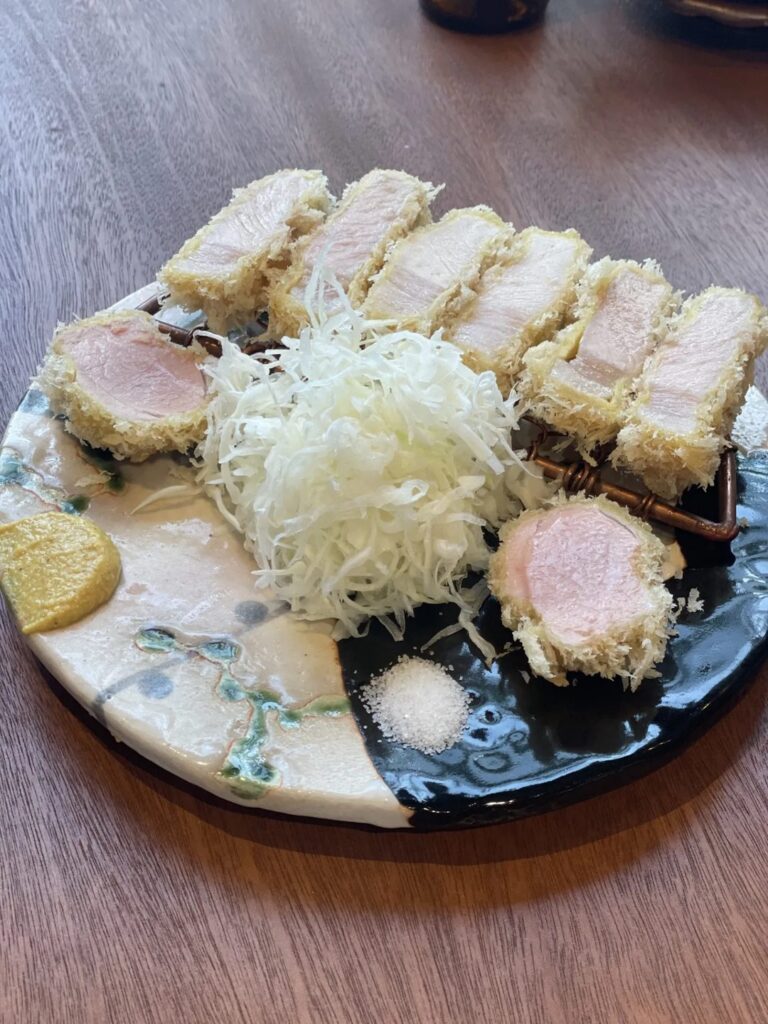
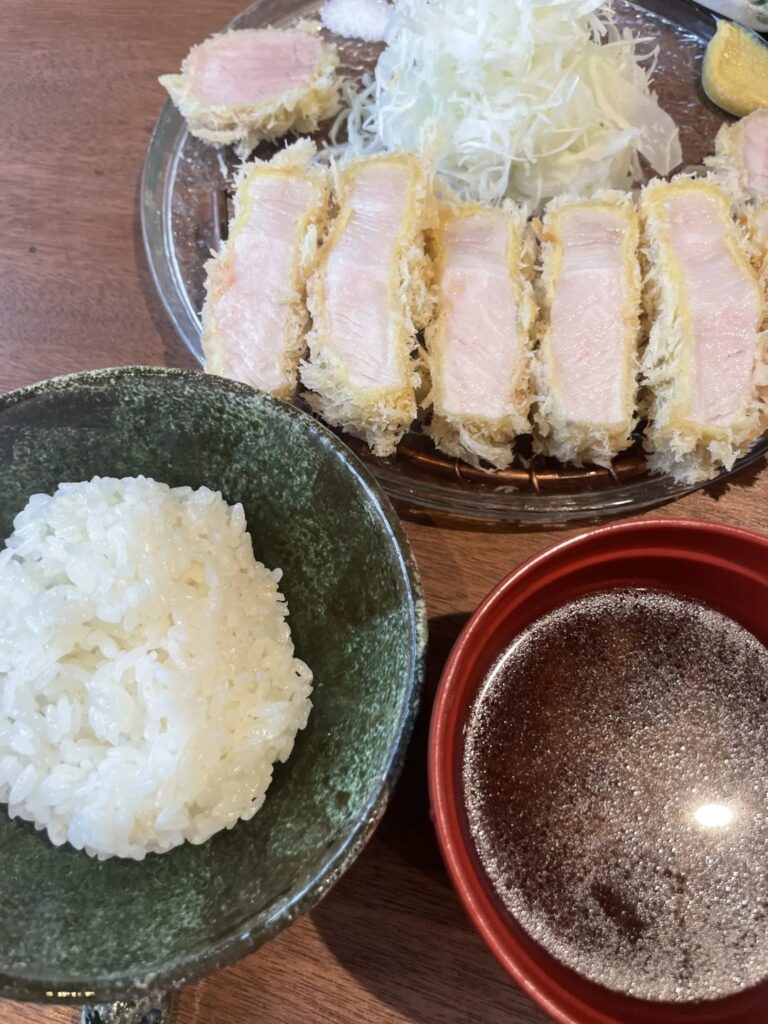
I had planned to try the black pork this time, but after the explanation I went with the purebred Duroc mixed plate. As a result, it really was less greasy than the special loin, and I enjoyed it even more than last time. After two meals, the taste of purebred Duroc feels saved in my memory. Next time I want to try the black pork as I first planned. Comparing it with the Duroc should be fun.
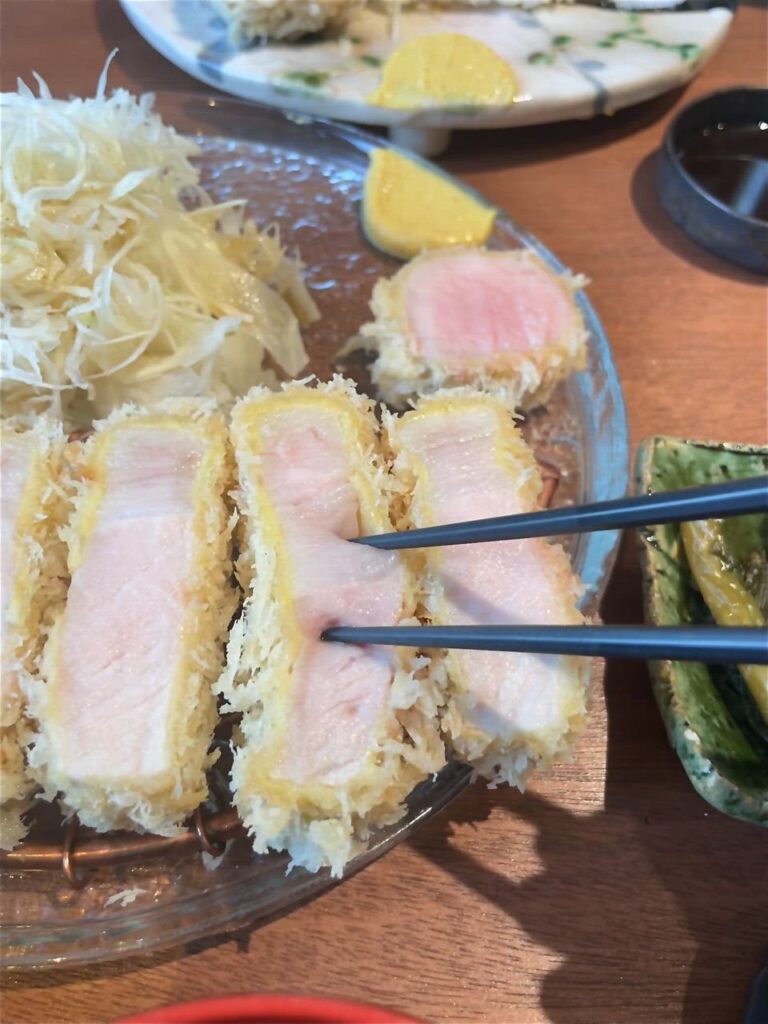
Good to know: Kyokaizen Hannam
- Address: 1F, 65-1 Dokseodang-ro, Yongsan-gu, Seoul (서울 용산구 독서당로 65-1 1층)
- About: the original Kyokaizen is in Pyeongchon, Anyang. The Hannam branch opened in January 2026. The name means “boundary line,” a meeting point between farms and diners. Each day it sells a few pig breeds, such as Berkshire K, purebred Duroc and Nanchuk Matdon, and posts the day’s list on Instagram (@kyokaizen.official).
- Hours: Tuesday to Saturday 11:00 to about 19:30 (last order), break 15:00 to 17:00, closed Sunday and Monday. It may close early when the pork sells out.
- Price (May 2026): purebred Duroc mixed ₩23,000, purebred Duroc special loin ₩24,000, premium loin cuts ₩27,000 to ₩32,000
- Waiting: CatchTable waitlist. You pick your breed and cut when you register. Visitors report on-site sign-up from about 10:30 and remote sign-up from 11:00.
- Getting there: Hannam Station is the closest subway stop (about 7 to 8 minutes on foot); a bus is easier from Hangangjin.
- Map: Open in Naver Map
- Original review on Revitguide (in Korean)
A Second Visit to Kyokaizen Hannam (Rated 3.5)
On an earlier weekday dinner visit there was no wait. I knew nothing beforehand, and the staff greeted me with a basket for my bag. A booklet at the seat lists each pig breed with the farmer’s name, a nice show of respect for the growers. I took the recommendation: purebred Duroc with tenderloin added. It had a layer of fat but was enjoyable rather than heavy, and next time I want to try the leaner breeds.
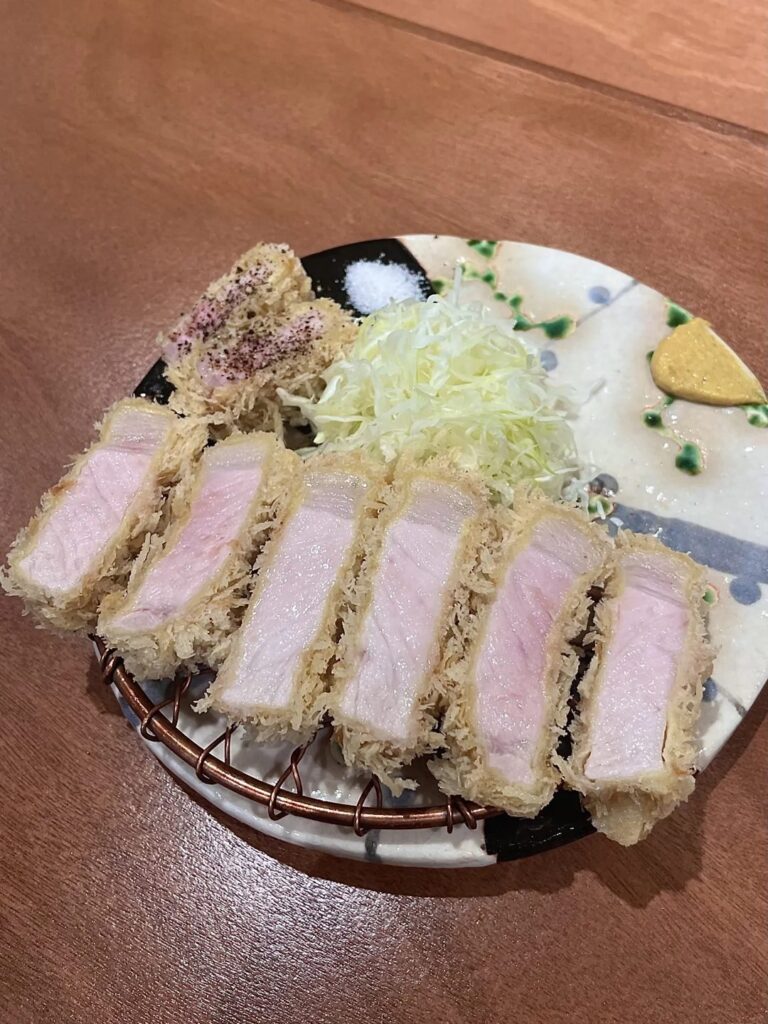
Original review on Revitguide.
5. Sendo (센도): Jamsil Tonkatsu Worth an Early Start
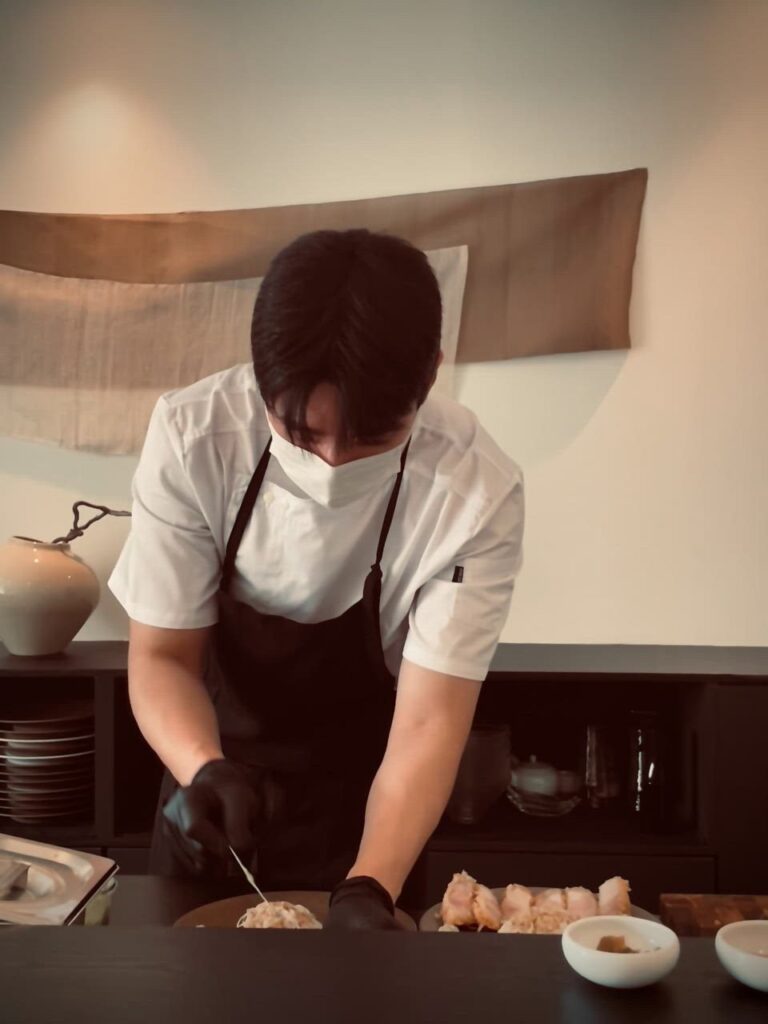
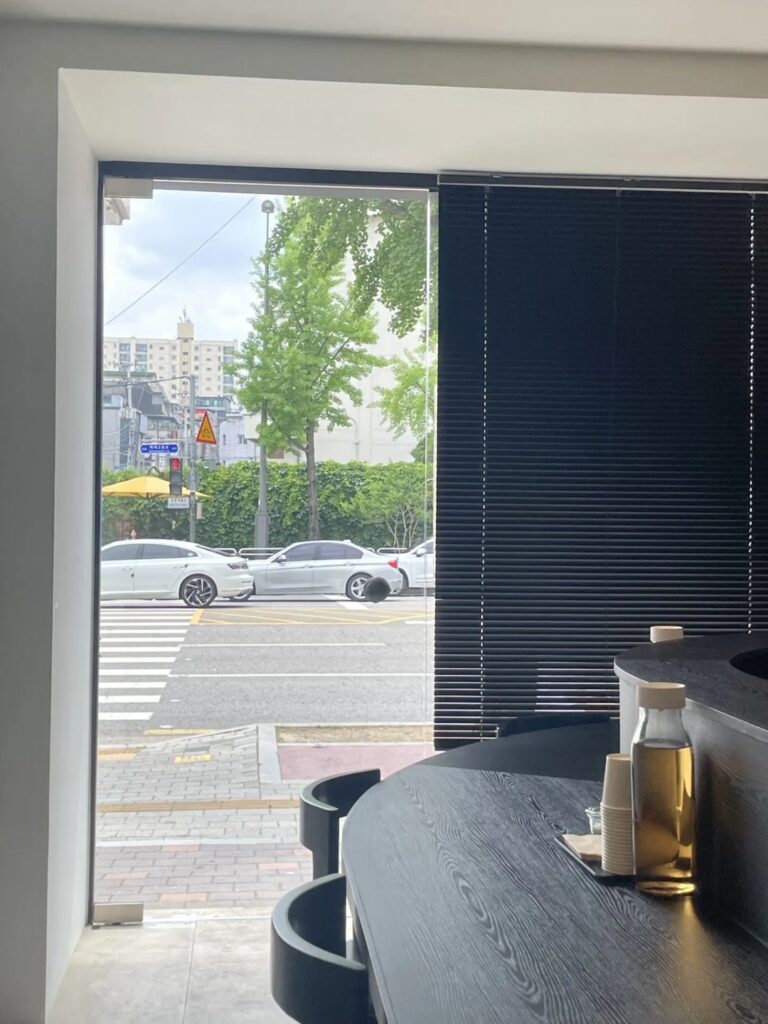
Sendo is a hot Jamsil tonkatsu spot on Revitguide. Reviews said there could be a decent wait, so I planned to be there for the 11:30 opening. It was a hot day, but luckily I arrived first. While I was waiting, the chef came out for a moment and kindly said that if they finished preparing a little early, he would let me wait inside.
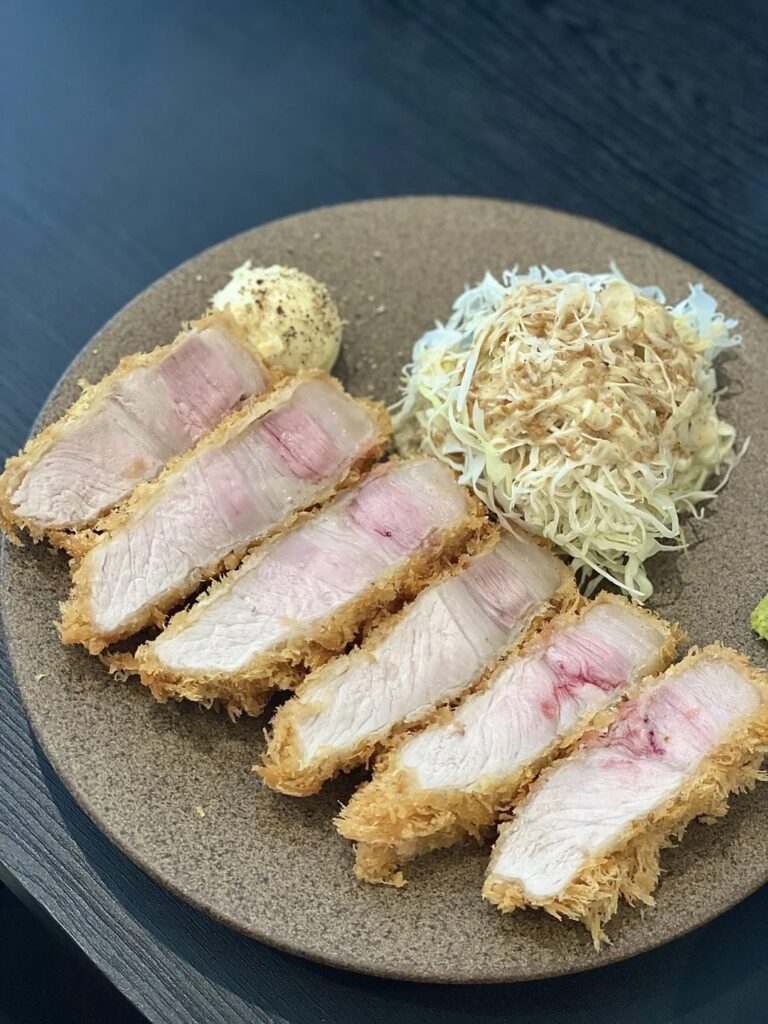
Then, ready to eat tonkatsu happier than anyone, I ordered the sang rosu katsu (premium loin). As I ate, I understood why Sendo is talked about as a hot tonkatsu shop these days. The crust was thin and crisp, and the low-temperature aged pork was tender to bite. Personally, I also liked that the fat did not feel too greasy. The meat had plenty of flavor, yet I could eat it to the end without feeling heavy.
Overall, the service was very satisfying, and the tonkatsu itself was delicious. Songpa, and this area in particular, seems to have a lot of good restaurants. I always struggle to decide where to go around here. From now on, Sendo will come to mind naturally when I want tonkatsu.
Good to know: Sendo
- Address: #103, 411 Baekjegobun-ro, Songpa-gu, Seoul (서울 송파구 백제고분로 411 103호)
- Getting there: about 5 minutes from Songpanaru Station Exit 1, or 6 minutes from Seokchon Station Exit 2. It is close to Seokchon Lake.
- Hours: Tuesday to Sunday 11:30 to 21:00, break 15:00 to 17:00, last order 20:30, closed Monday (2026 visitor posts)
- Price (August 2026): rosu katsu ₩13,500, hire katsu (tenderloin) ₩14,500, sang rosu katsu ₩16,000, mixed ₩17,000
- Map: Open in Naver Map
- Original review on Revitguide (in Korean)
6. Yakitori Sho (야키토리 쇼): A Hard-to-Book Yakitori Bar
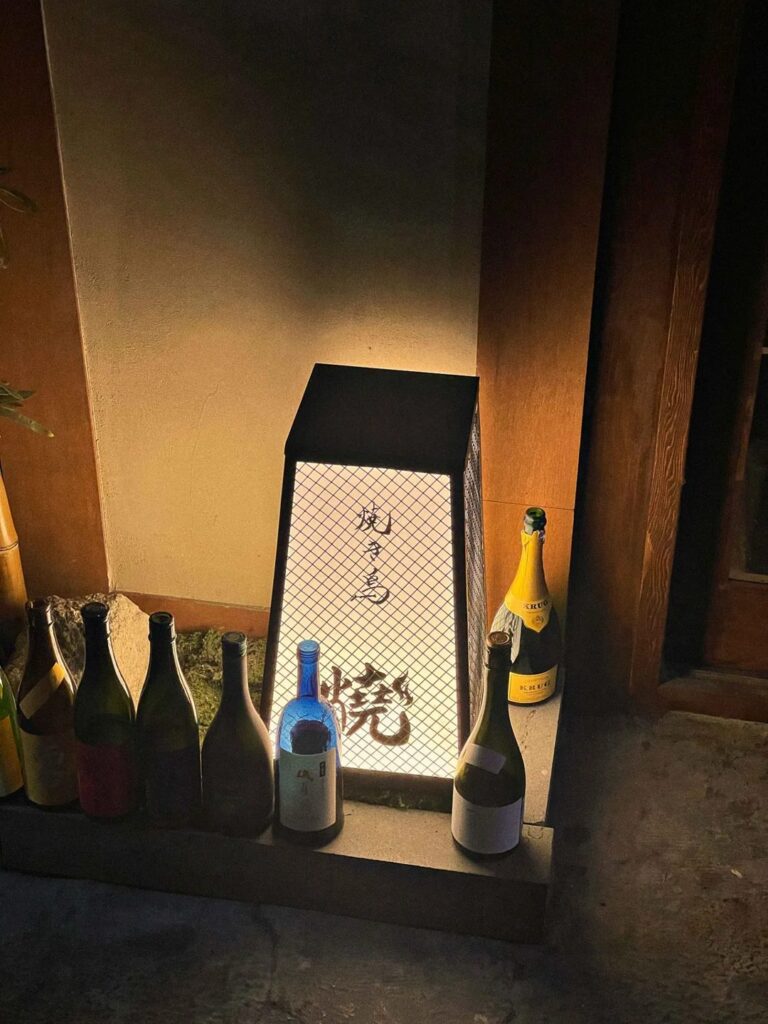
Yakitori Sho is the Japanese restaurant in Seoul I worked hardest to book. This place had great ratings on Revitguide, and food lovers kept praising it. I called over and over to get a booking, so my expectations were high before I even went. Usually, when you expect this much, it is easy to be let down. To give you the conclusion first, it beat even those expectations. Personally, it is the most satisfying yakitori I have had so far.
Salt, skin and special cuts
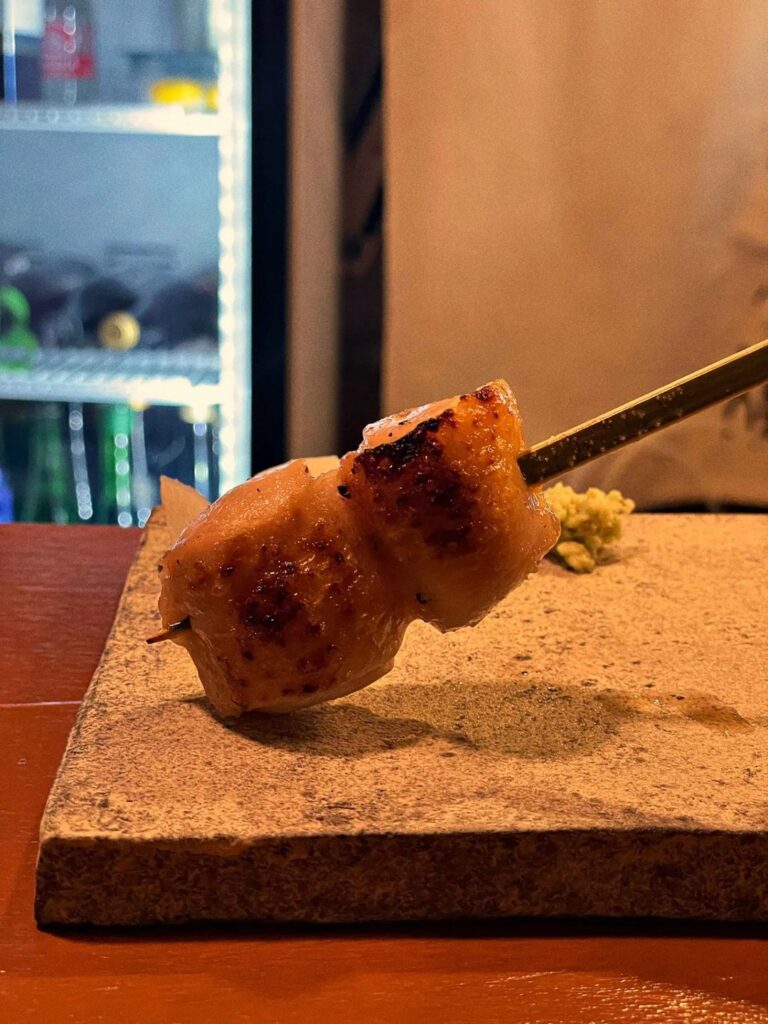
What impressed me most was how they use salt. It went beyond simply seasoning well; it felt like it brought out the exact flavor of each cut. The chicken skin in particular was on another level. The crisp outside, the rich inside and just the right saltiness all came together.
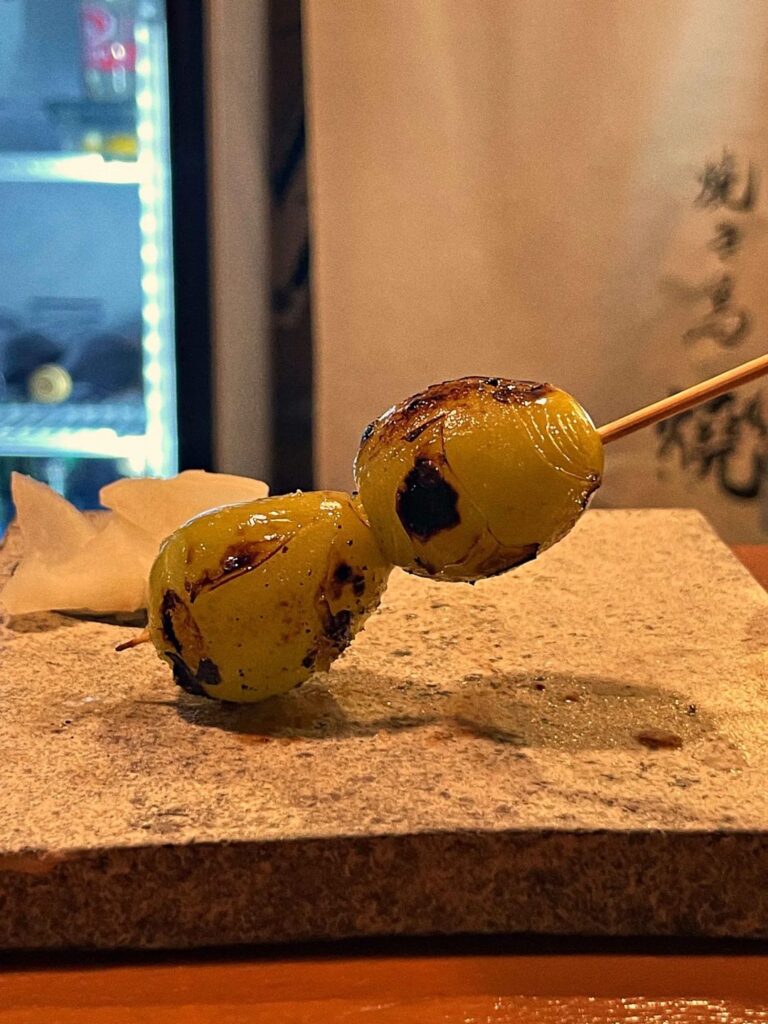
After that, the base course moved through tenderloin, negima, white asparagus, lower leg, two neck cuts, gizzard and shine muscat grapes. On top of that, I added special cuts such as engawa, Achilles and chochin, plus bonjiri (tail), seseri, kawatsuki seseri, dakimi, liver and chicken skin. Each cut had a different texture and amount of fat, so comparing them was a lot of fun. The fact that I kept ordering more after so many skewers says a lot about their skill.
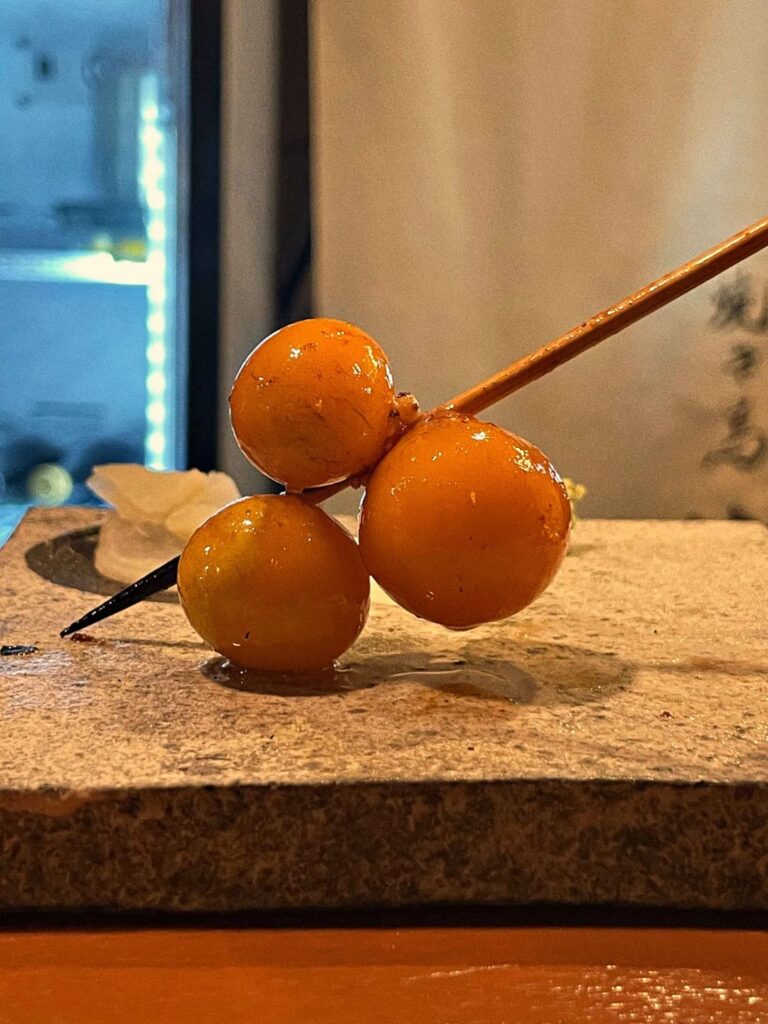
Ramen, beer and the room
The ramen at the end was very good too. I thought it would just be a finish to the course, but it was good enough to compete at a dedicated ramen shop. You can ask for more broth, which is worth knowing. Likewise, the drinks were memorable. The Suntory draft beer was impressive from the first sip. The foam was very smooth, it went down easily, and I almost emptied the first glass in one go. It was in such good condition that I could taste a gentle sweetness. The homemade cola had its own charm, and the sake I ordered paired nicely.
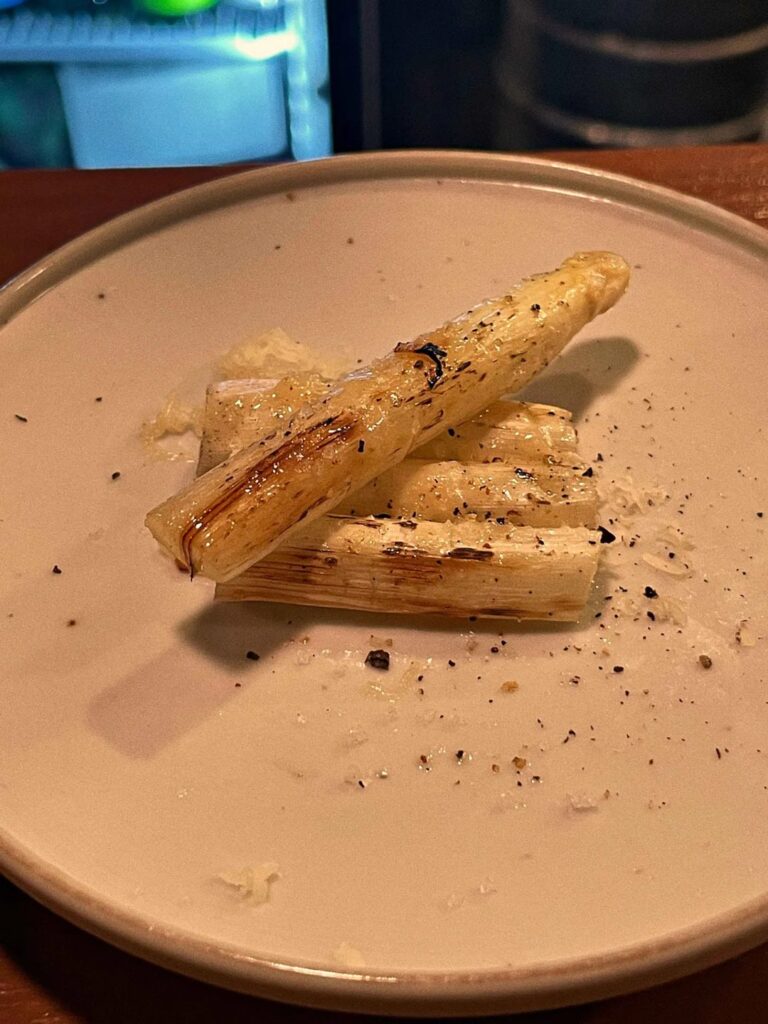
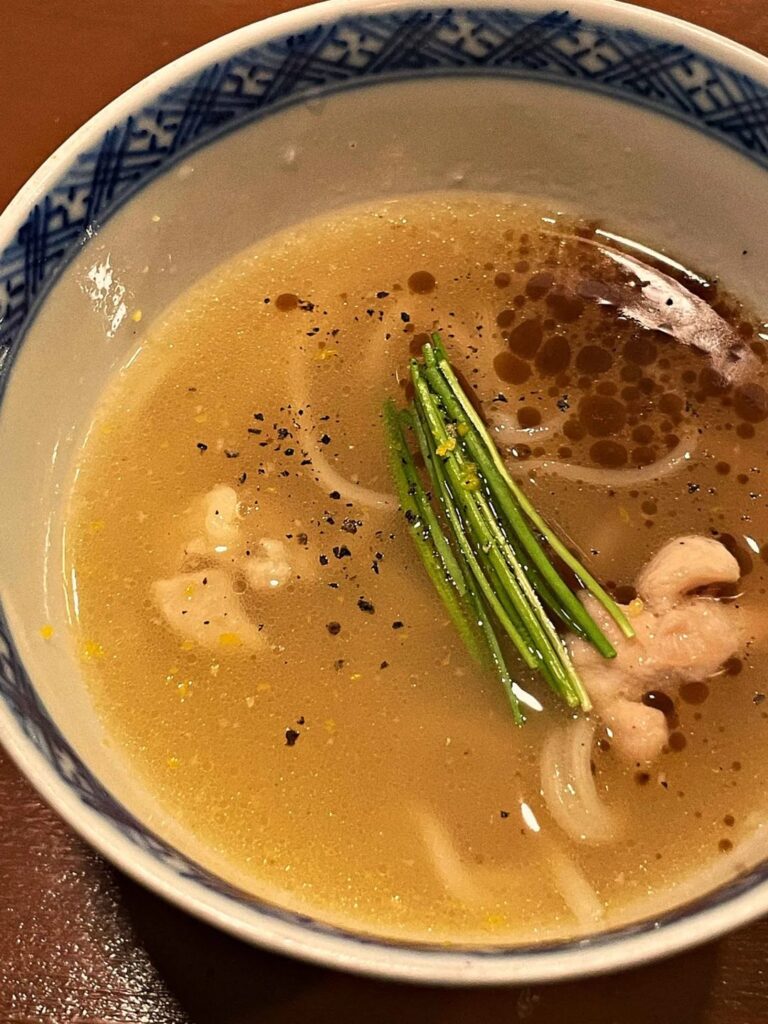
Above all, the space and service were as good as the food. The chef’s wife greets you brightly at the door, and the chef stays quietly focused on cooking while being very kind to guests. J-pop plays in the background, so it feels a little like dropping into a small yakitori bar on a trip to Japan. The restroom is connected inside the shop, so you never have to leave during the meal. In short, there is a reason it is so hard to book. Between the food, space, service and drinks, there was nothing I really missed. From now on, I think I will compare every other yakitori place with this one.
Good to know: Yakitori Sho
- Address: Namyeong Arcade, 5-3 Hangang-daero 84-gil, Yongsan-gu, Seoul (서울 용산구 한강대로84길 5-3 남영아케이드), a short walk from Sookmyung Women’s University Station
- Seats: a small counter of about seven seats
- Hours: two seatings, from 17:00 and from 19:00, about two hours each; closed Sunday and Monday (the shop’s Instagram)
- Price: a mid-2026 blog lists a 7-skewer set at ₩28,000, with extra skewers ordered one by one. I paid ₩100,000 with many extras and drinks.
- Drinks: one drink per person; corkage ₩30,000 per bottle of wine or sake (2026 visitor posts)
- Booking: reservations only. The method has changed during 2026 (Instagram DM, then phone calls for the next month), so check @yakitorisho on Instagram first.
- Map: Open in Naver Map
- Original review on Revitguide (in Korean)
More Japanese Restaurant in Seoul Picks Rated 3.5
These extra picks are adapted from visits by Revitguide reviewer 호미식 (Homisik), who rated each 3.5 out of 5.
Heki (헤키), Mapo
We shared the hirekatsu, torikatsu and mixed katsu sets. The tenderloin was thicker and softer than at Kyokaizen Hannam, which suits me better, and dipping it in salt and truffle oil worked surprisingly well. I registered on the waitlist in the morning and ate around 1:30 p.m. on a weekday, and more than ten groups were still waiting outside.
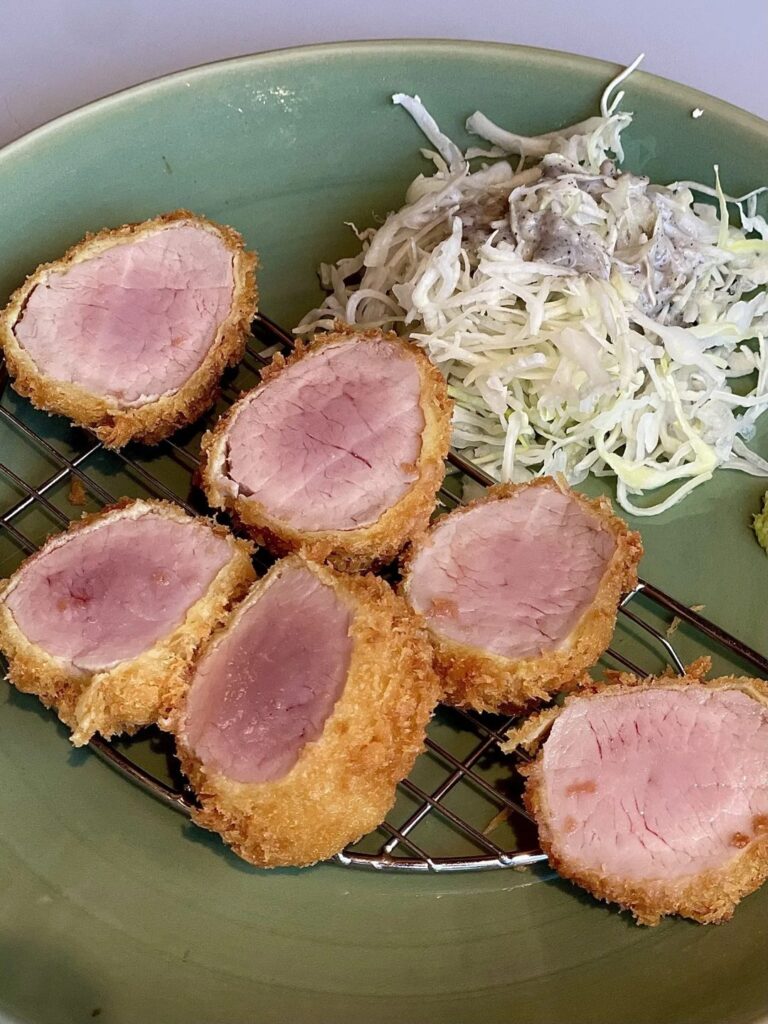
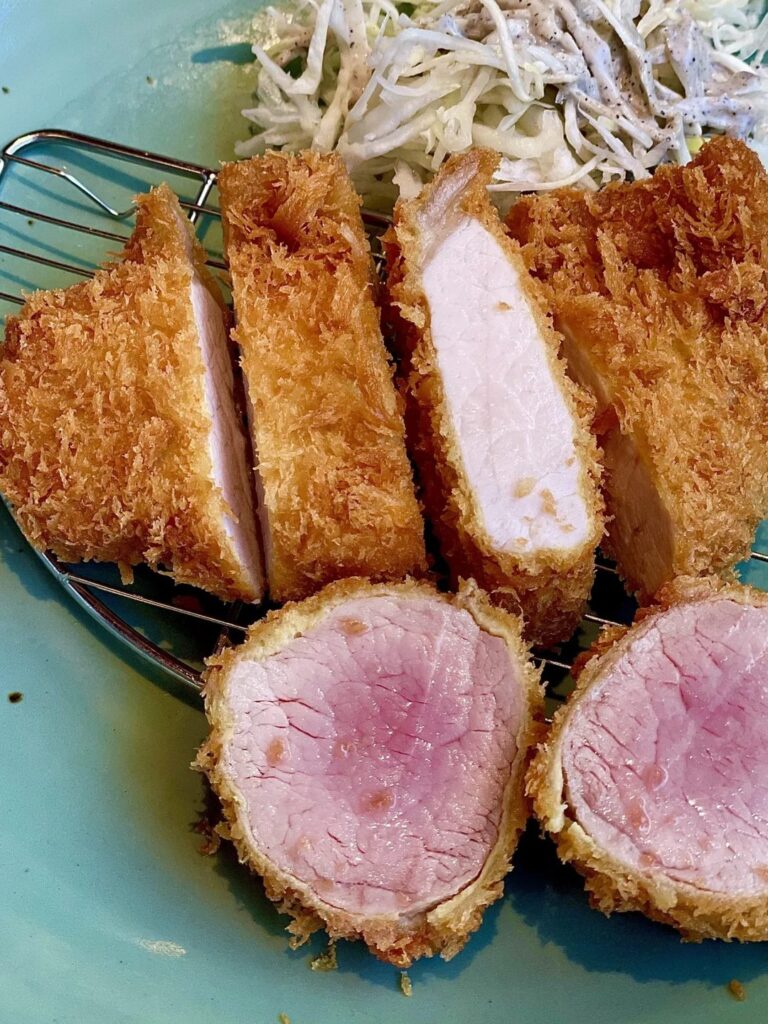
Where: Donggyo-ro 9-gil 33, Mapo-gu. Open in Naver Map. Original review on Revitguide.
Haemok (해목), Lotte World Mall
A Nagoya-style eel rice specialist. The kaisendon had better sashimi than I expected, probably thanks to fast turnover. The hitsumabushi comes with four suggested ways to eat it, which was fun for a beginner, and finishing it as ochazuke felt as comforting as a bowl of gukbap. The room is large, so weekday waits were short except at peak times. The Haeundae branch is in our Haeundae guide.
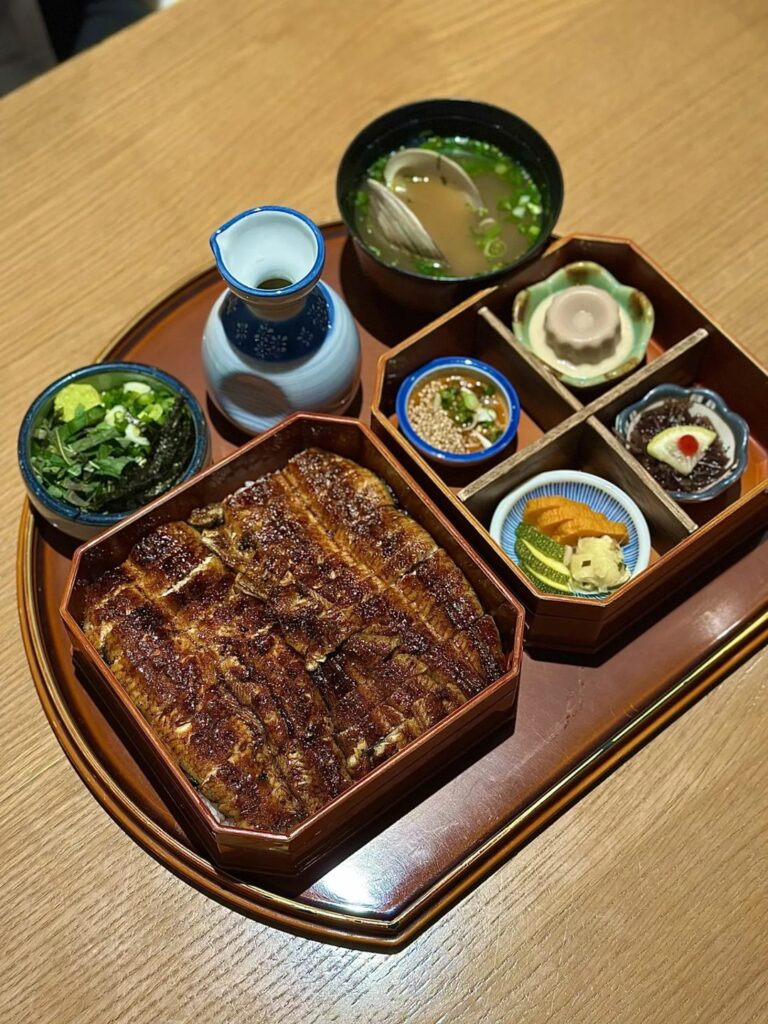
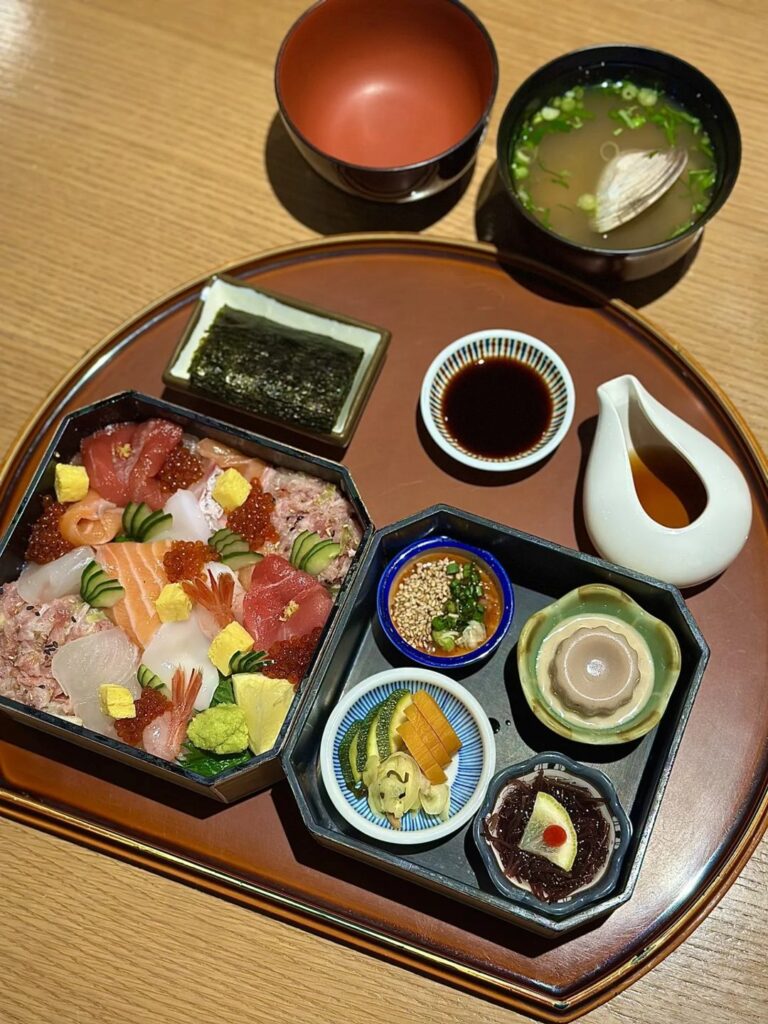
Where: Lotte World Mall, Olympic-ro 300, Songpa-gu. Open in Naver Map. Original review on Revitguide.
Tips for Booking a Japanese Restaurant in Seoul
- Almost every kaiseki or yakitori Japanese restaurant in Seoul is reservation only. CatchTable is the main app, and it has an English version for visitors.
- Popular seats open on a set day, often a month ahead. Follow the restaurant on Instagram, because that is where openings and changes are posted.
- Tonkatsu shops usually use a waitlist instead of bookings. Arrive before opening, or join the remote line on CatchTable when it opens.
- Counters are small, so arrive on time, because courses at places like Sanro and Kigo start together for everyone.
- Budget roughly ₩15,000 to ₩35,000 for a tonkatsu set, ₩55,000 to ₩70,000 for a kaiseki-style lunch, and ₩150,000 or more for a kaiseki dinner.
More Guides Beyond This Japanese Restaurant in Seoul List
- Gaggen: One Michelin Star kaiseki in Cheongdam
- Mitou: Two Michelin Star Japanese kaiseki
- Sushi in Seoul: lunch omakase counters
- Omakase Seoul: three sushi counters worth booking twice
- Seoul ramen: Ramen Bar Shikou
- Best Korean restaurants in Seoul
FAQ
What is the best Japanese restaurant in Seoul for a first kaiseki?
Kigo is a gentle introduction to kaiseki at a Japanese restaurant in Seoul. The married chefs explain each dish, and lunch and dinner start at about ₩150,000. For a cheaper taste of kaiseki, try the Kirameki lunch, which cost me ₩55,000.
Are any of these Japanese restaurants in the MICHELIN Guide?
Yes. Sanro and Kirameki are both listed in the MICHELIN Guide Seoul 2026, without a star. For starred Japanese cooking, see Mitou or Gaggen.
How much does tonkatsu cost at a Japanese restaurant in Seoul?
At the two shops here, a cutlet set cost ₩13,500 to ₩17,000 at Sendo and about ₩19,000 to ₩32,000 at Kyokaizen Hannam in 2026, depending on the breed and cut.
How do I book Yakitori Sho?
It is reservation only, and seats are very hard to get. The booking method has changed more than once in 2026, so check the shop’s Instagram (@yakitorisho) for the current way to book.
Do I need to speak Korean or Japanese?
No. You can book most Japanese restaurants in Seoul on CatchTable in English, and counter staff are used to foreign guests. A translation app helps with menu questions at the tonkatsu shops.
We checked prices, hours and booking information in November 2026, and they can change. Check CatchTable or Naver Map before you go.