Haeundae restaurants go far beyond the beachfront cafes. In fact, within a few blocks of the sand you can find pufferfish soup that has been served since 1970, clear cod soup on the slope toward Dalmaji Hill, Hakata-style ramen, eel rice bowls, counter dinners and a hotel Chinese restaurant. A short drive north, Gijang adds monkfish, loach soup and an old pork soup shop.
The picks below are adapted from visits by Revitguide reviewer 호미식 (Homisik), who rated each 3.5 out of 5. Think of this as a list of solid local options, not a ranking. Each section links to the original Korean review.
In Korean, people search for these as 해운대 맛집. All visits took place between July and September 2026.
Haeundae Restaurants at a Glance
| Place | Area | What to order | Price paid | Good for |
|---|---|---|---|---|
| Geumsu Bokguk | Haeundae Market area | Silver pufferfish soup | ₩16,000 | A famous bokguk name |
| Nagahama Mangetsu | Haeundae Station | Tonkotsu ramen | ₩12,000 | A quick ramen lunch |
| Ryusenso | Haeundae Station | Asari (clam) shoyu ramen | ₩19,000 | Late ramen, two styles |
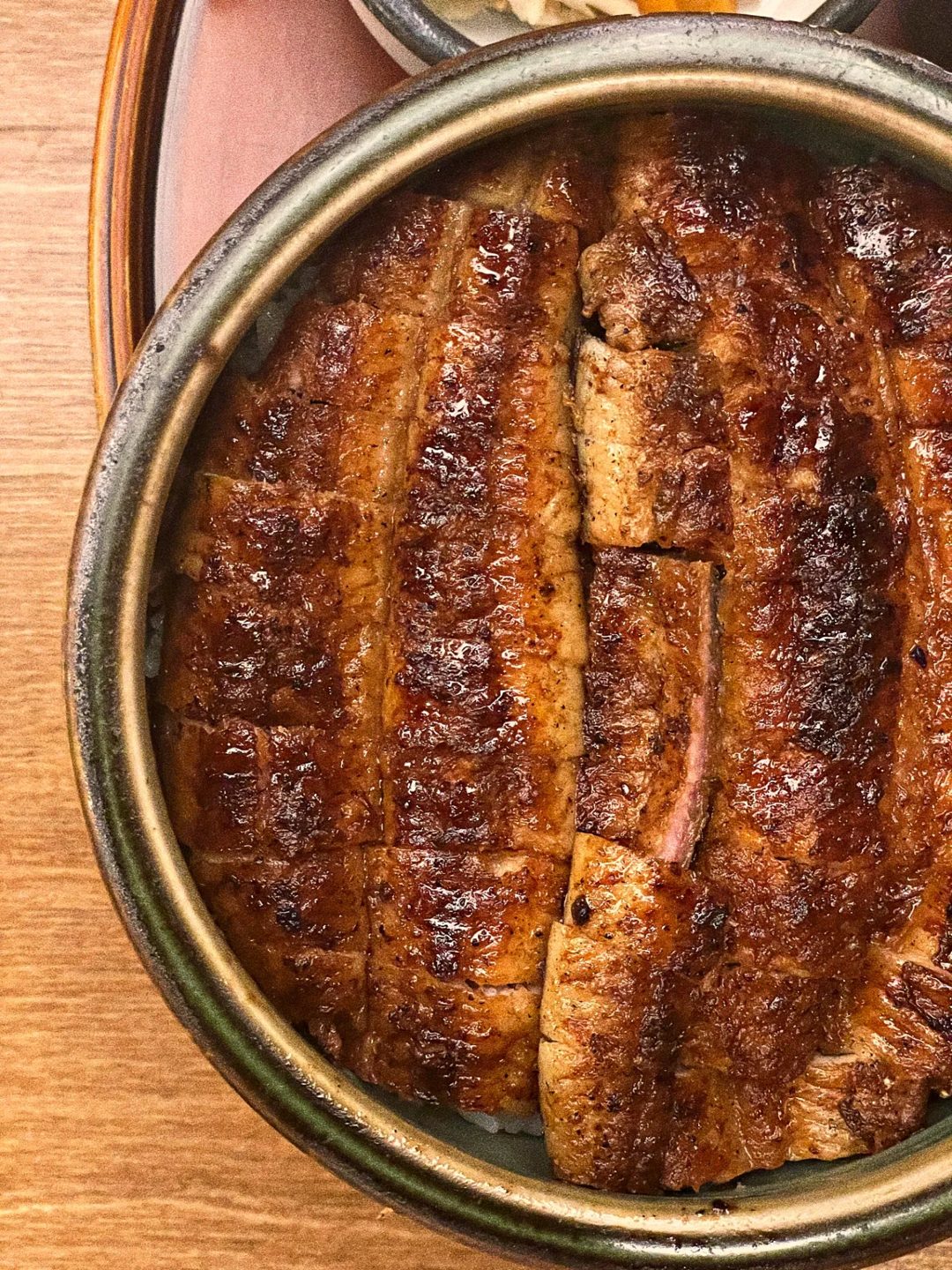
| Haemok | Gunam-ro | Hitsumabushi eel rice | ₩39,000 | Eel rice with a group |
| Beodnamujip | Haeundae | Grilled pork bones | ₩39,000 | A fun, messy dinner |
| Ajeossi Daegutang | Dalmaji side | Daegutang (cod soup) | ₩19,000 | A clear hangover soup |
| Haeundae Giwajip Daegutang | Dalmaji side | Daegutang | ₩19,000 | Comparing cod soups |
| Moemiljip | Marine City | Buckwheat noodles | ₩19,000 | Pure buckwheat noodles |
| Eutteum Iroribata | Haeundae Station | Counter course | ₩159,000 | Watching the cooks |
| Torafugu | Jwa-dong | Grilled pufferfish and sake | ₩159,000 | Fugu with sake |
| Mustroo | Jung-dong | Tasting menu | ₩169,000 | Non-alcoholic pairing |
| Palais de Chine | Grand Josun Busan | Tangsuyuk and jjamppong | ₩159,000 | A hotel Chinese meal |
| Jeonsan Garden | Gijang (Ilgwang) | Agujjim (braised monkfish) | ₩49,000 | Monkfish and warm service |
| Gijang Gamasot Chueotang | Gijang (Ilgwang) | Chueotang set | ₩19,000 | A nutty loach soup |
| Wonsan Sundae Dwaeji Gukbap | Gijang-eup | Pork and sundae gukbap | ₩9,900 | A quiet local lunch |
Prices are what the reviewer paid for the visit, not per-person menu prices, unless noted. In other words, use them as a rough guide to what a meal at these Haeundae restaurants costs.
Getting to Haeundae Restaurants
Haeundae Station on Busan Metro Line 2 is the main stop. According to Visit Busan, Exit 3 leads to Haeundae Market, a five-minute walk away at 22-1 Gunam-ro 41beon-gil, open roughly 09:00 to 22:00 (hours vary by stall). VisitKorea notes the market is often called “eel alley” for its grilled sea eel stalls. Gunam-ro, the wide street running from the station to the beach, holds many of the casual Haeundae restaurants below.
East of the beach, the road climbs toward Dalmaji Hill, where several cod soup restaurants sit close together. West of the beach, Marine City is a cluster of high-rise towers with its own restaurants. Gijang, to the north, is a separate county, so you will want a taxi or a car for the last three places in this guide.
Bokguk and Daegutang: Busan Soups to Know
Two soups come up again and again at Haeundae restaurants. Bokguk is pufferfish soup. It usually comes either clear (malgeun, 맑은) or as a spicy red maeuntang, and it is a common morning or late-night meal in Busan. Pufferfish must be cleaned by trained cooks, so it is a dish to eat at a specialist restaurant rather than a street stall.
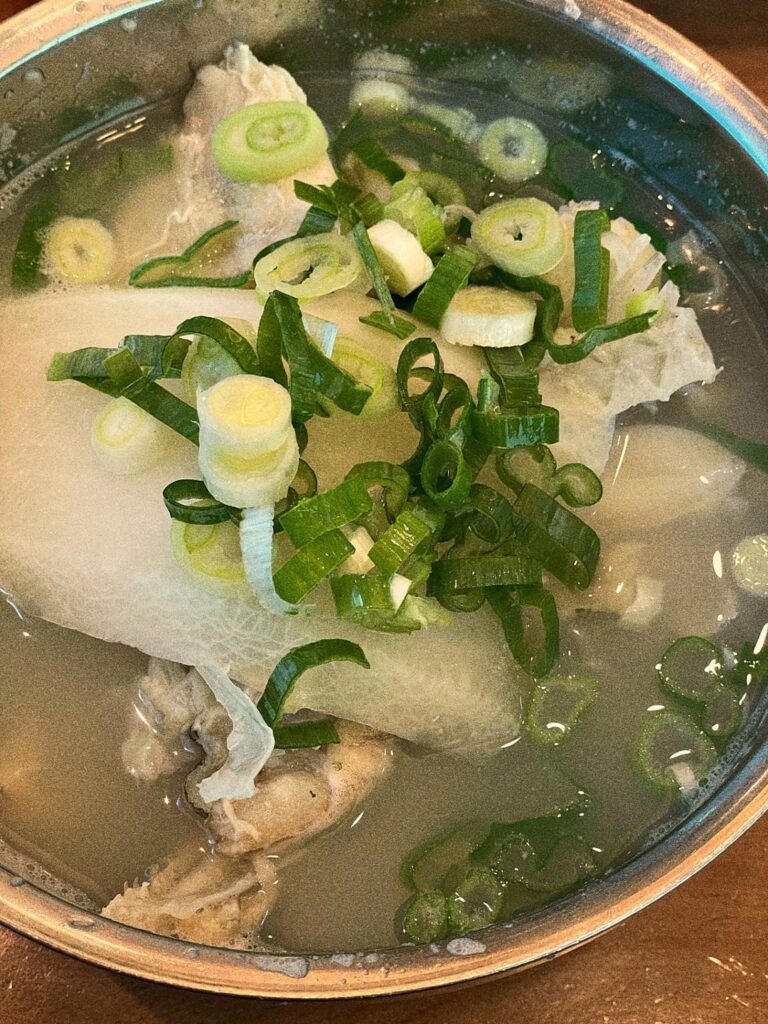
Daegutang is cod soup, typically a clear broth with radish, green onion and large pieces of cod. Koreans often reach for both soups after a night of drinking. If you are new to them, start with the clear version so you can taste the fish itself.
Haeundae Restaurants Near the Market and Beach
Geumsu Bokguk (금수복국), Haeundae Main Branch
This is a name that always comes up when people talk about bokguk in Busan, so I stopped by at least once for its reputation. I ordered the silver pufferfish maeuntang, and it was spicier than I expected. The problem was that the heat covered up the savory taste of the pufferfish. When you come for bokguk, you want the fish to stay in front.
If your goal is a hangover cure, it is a different story. The broth really pushes through and settles your stomach, so it fits that purpose well. Maybe it was my order: the clear version would have been better for tasting the fish itself. The space is far from old-school. It is very large and clean, and the service was good, which is harder to keep up than it sounds for a long-running specialist. Next time I want to try the clear soup.
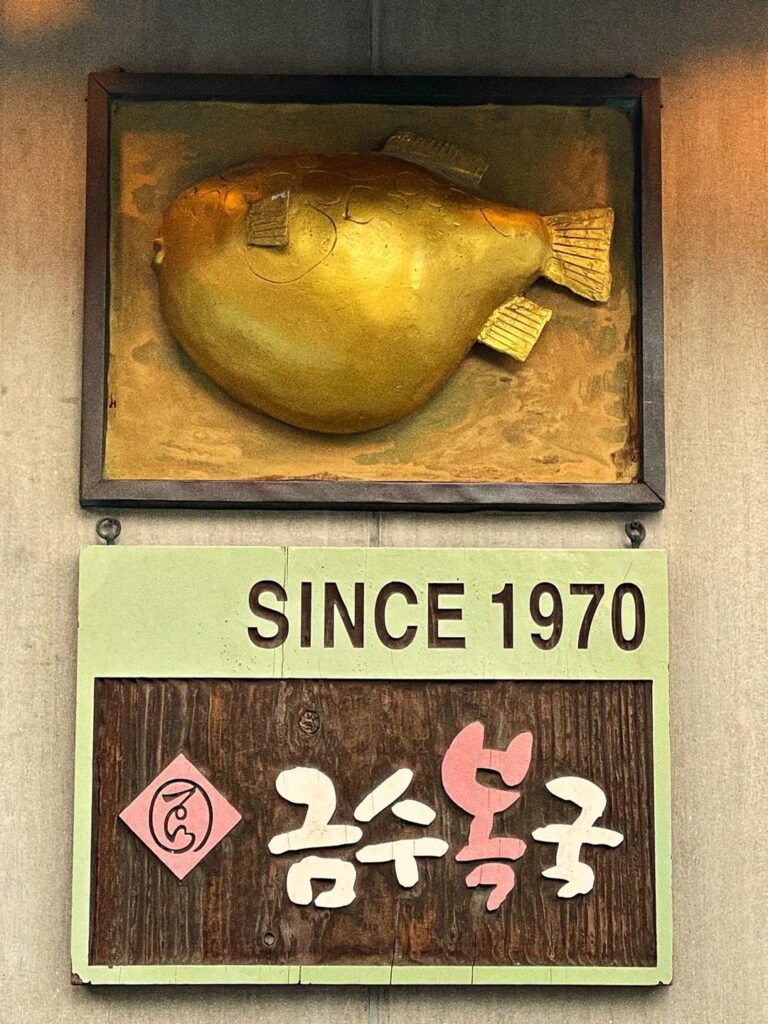
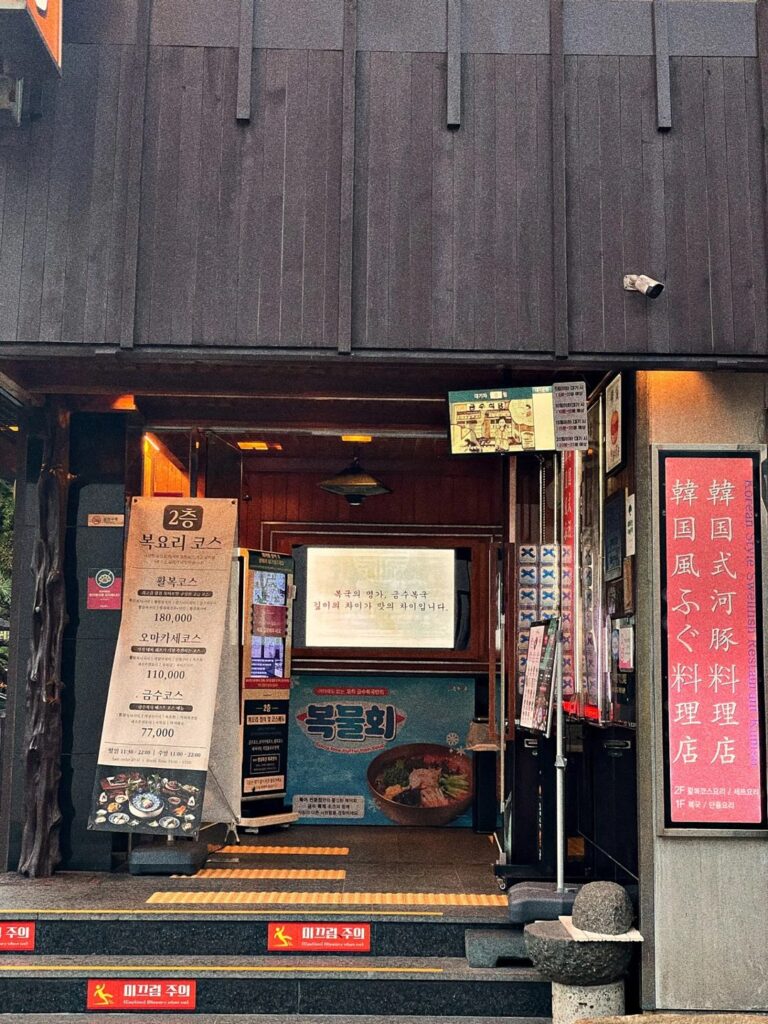
- Address: 23 Jungdong 1-ro 43beon-gil, Haeundae-gu (부산 해운대구 중동1로43번길 23)
- Listed in the MICHELIN Guide; the plaques by the door show 2024, 2025 and 2026
- Map: Open in Naver Map
- Original review on Revitguide
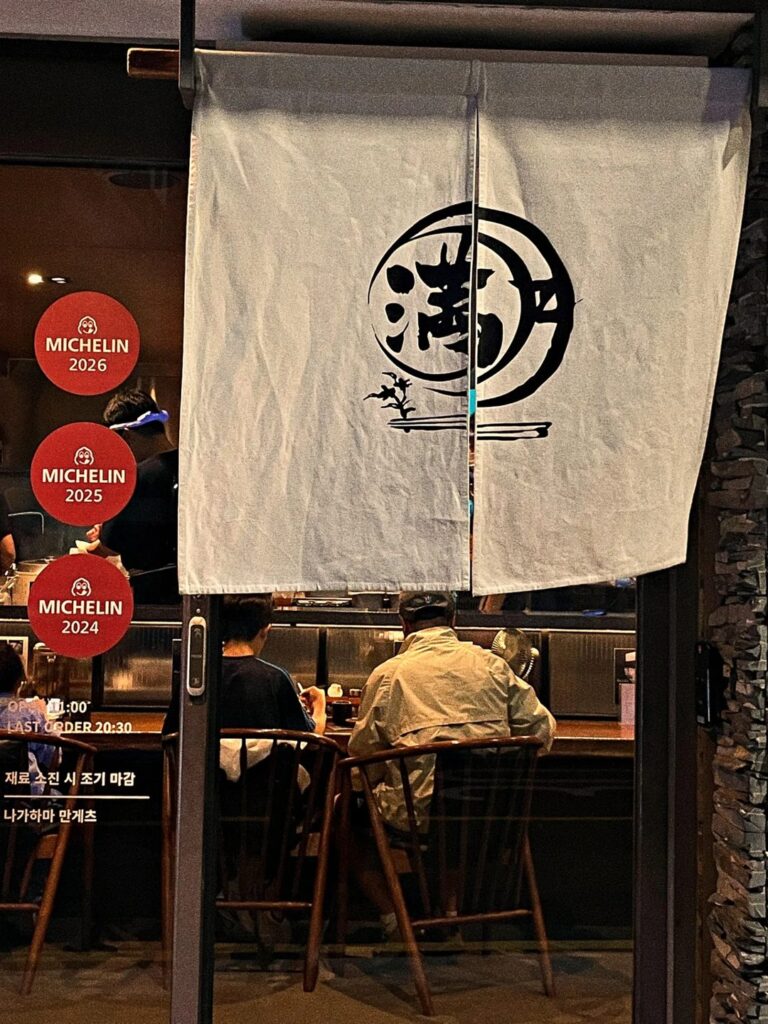
Nagahama Mangetsu (나가하마 만게츠)
This shop focuses on Nagahama-style tonkotsu ramen. The menu is so clear that there is nothing to think about when you want a rich pork bone broth: the menu tells you exactly what the place does. It reminded me of eating Ichiran in Japan. The goal is to carry the local style over as it is, and the bowl does not stray from that.
Korea now has plenty of skilled ramen shops, so this bowl does not hit as hard as it once might have. If I had first tasted this broth back when ramen shops were rare, it would have been quite a shock. The shop has not slipped; the scene around it has risen. It is a good one to add to your list if you want to compare tonkotsu bowls in Busan.
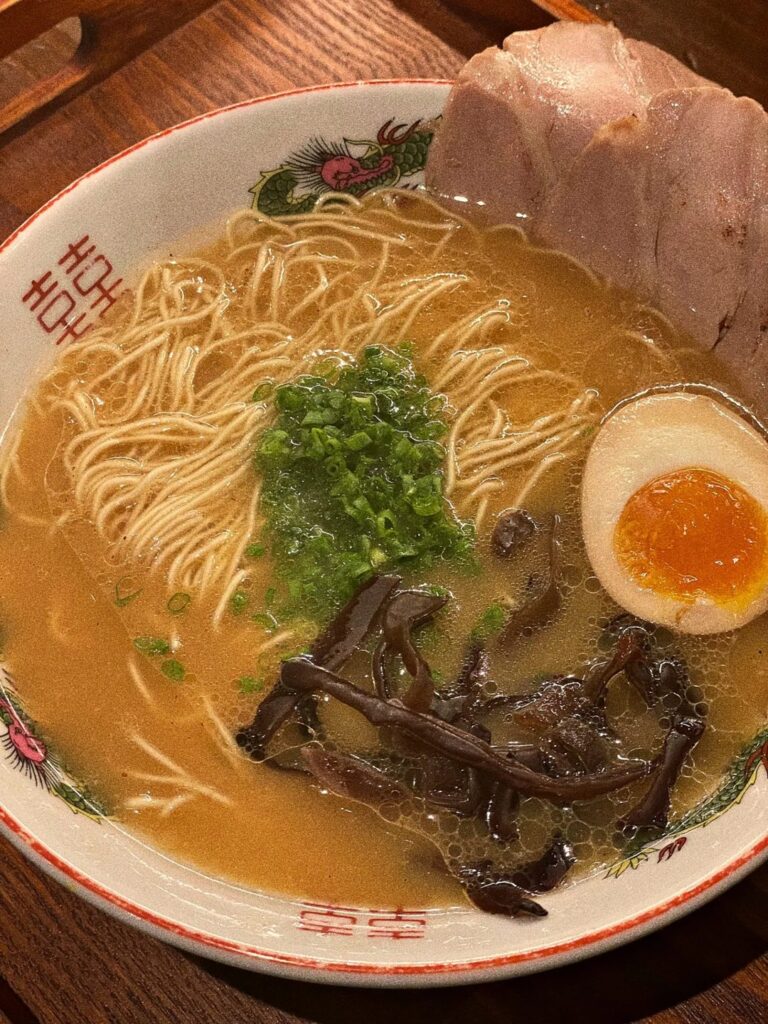
- Address: 1F, 57 Udong 1-ro, Haeundae-gu (부산 해운대구 우동1로 57 1층)
- MICHELIN Bib Gourmand in the MICHELIN Guide Busan
- Phone: +82 51-731-0886
- Map: Open in Naver Map
- Original review on Revitguide
More ramen ideas for Seoul: our Seoul ramen guide.
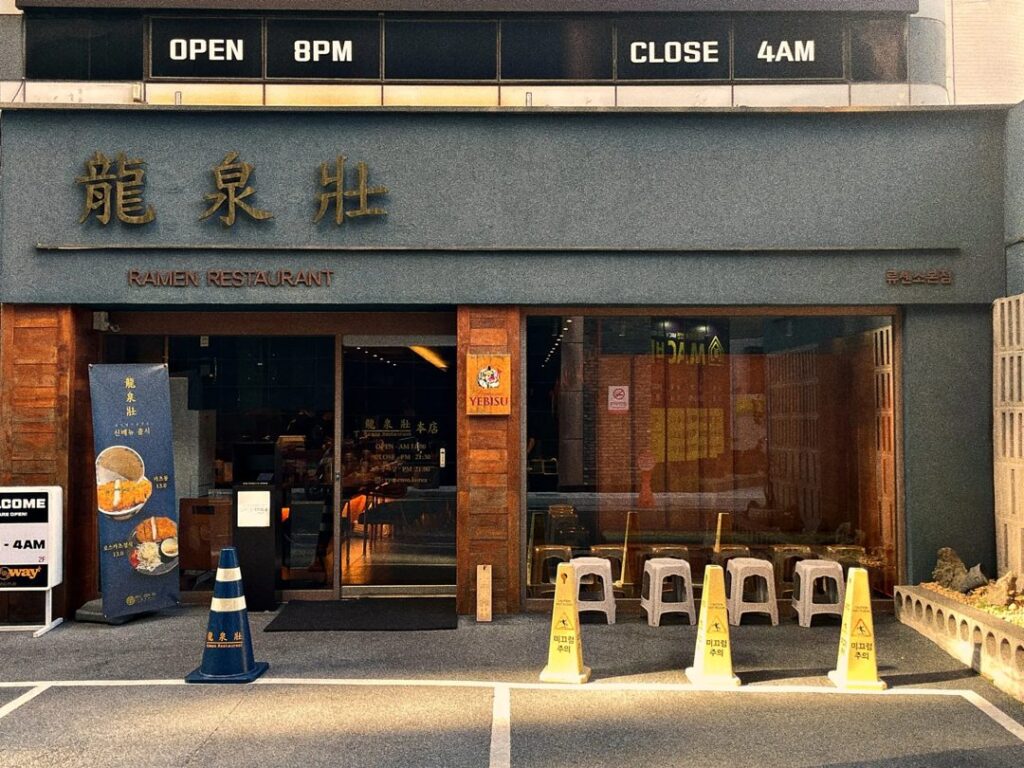
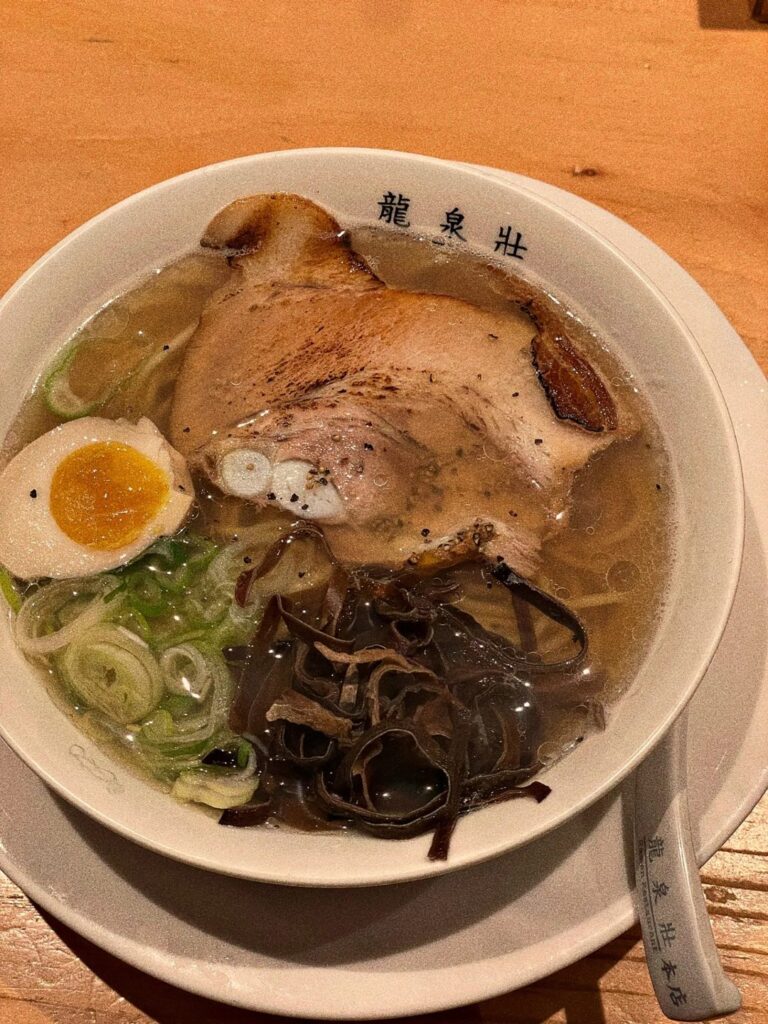
Ryusenso (류센소), Haeundae Main Branch
Skipping a ramen shop’s signature is usually a bad move, but this time I chose the asari. It is a Sapporo-style shoyu ramen with a clam broth and a special tare. People tend to think of miso when they hear Sapporo, but here it is shoyu with clams, and that pairing alone was reason enough to pass on the other bowls. Using clams means heading in a different direction from rich, stacked animal broths.
The house Ryusenso bowl is the more classic, richer one. So this visit only told me half the story. With both bowls side by side, I would have a clearer idea of what this shop wants to do with its broth. Next time I want to order the Ryusenso and compare.
- Address: 1F, 62 Gunam-ro 8beon-gil, Haeundae-gu (부산 해운대구 구남로8번길 62 1층)
- Map: Open in Naver Map
- Original review on Revitguide
Haemok (해목), Haeundae
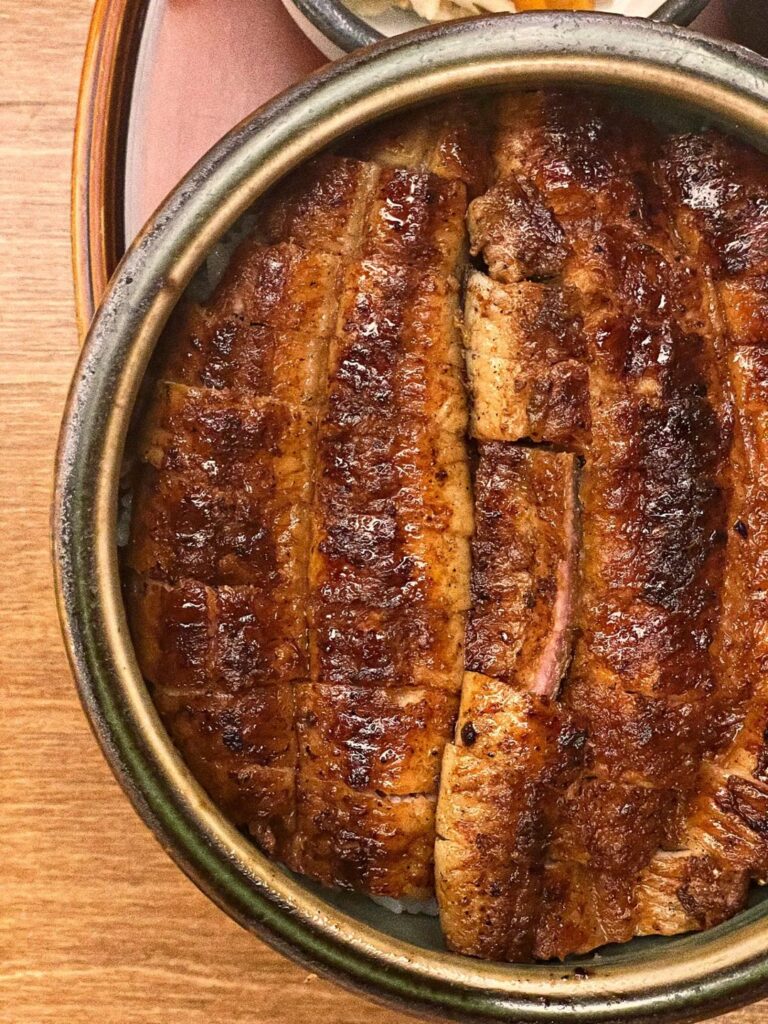
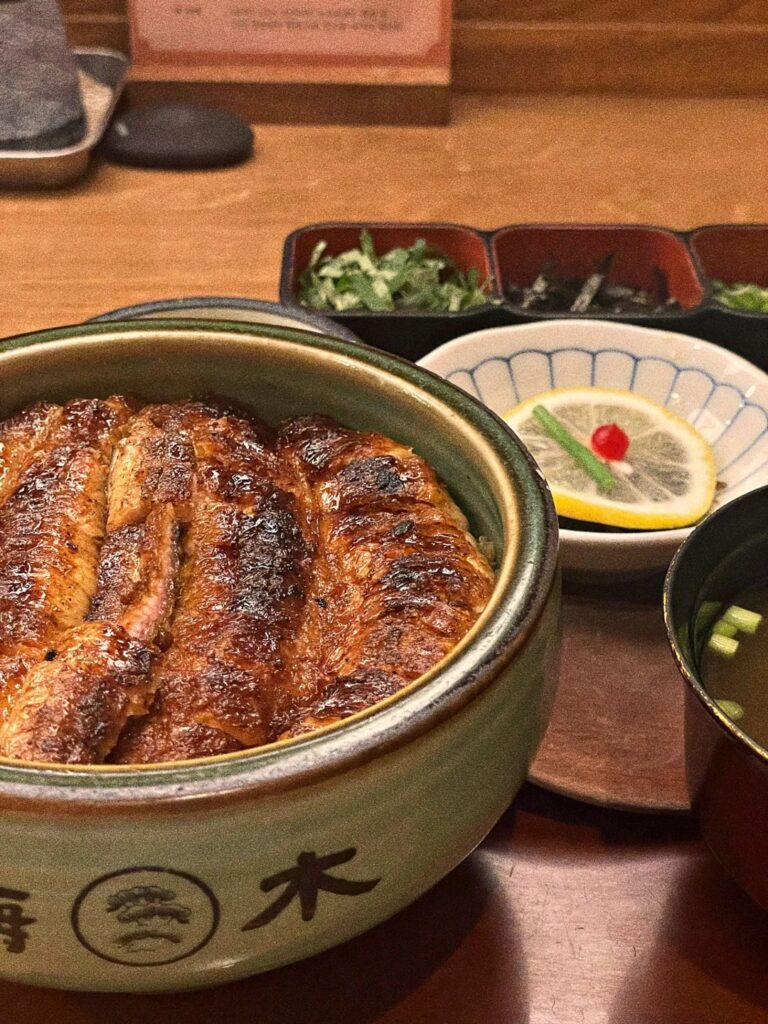
My eel rice journey so far: Sanro, Dongkyung Bapsang in Jeju and its Busan main branch, Haemok Jamsil, and now Haemok in Busan. The space is large, close to Dongkyung Bapsang’s size, so it works well for a group. The service was a little more attentive than at Dongkyung Bapsang Busan, and the clear explanations made the meal start smoothly.
On flavor, though, I felt a step of difference from Dongkyung Bapsang. Haemok serves hitsumabushi and Dongkyung Bapsang serves unaju, so it is not a one-to-one comparison, but the gap showed in the eel’s texture. It is not lacking; the baseline just felt a little lower than the places I tried first. If I picked on taste alone, I would head to Dongkyung Bapsang Busan, since the price gap is small. For a bigger group that wants a solid, slightly cheaper eel rice, Haemok is a good choice. Both have long waits, so use the remote waitlist.
- Address: 8 Gunam-ro 24beon-gil, Haeundae-gu (부산 해운대구 구남로24번길 8)
- Listed in the MICHELIN Guide
- Phone: +82 507-1385-3730
- Map: Open in Naver Map
- Original review on Revitguide
More eel rice: see Sanro in our Japanese restaurant in Seoul guide.
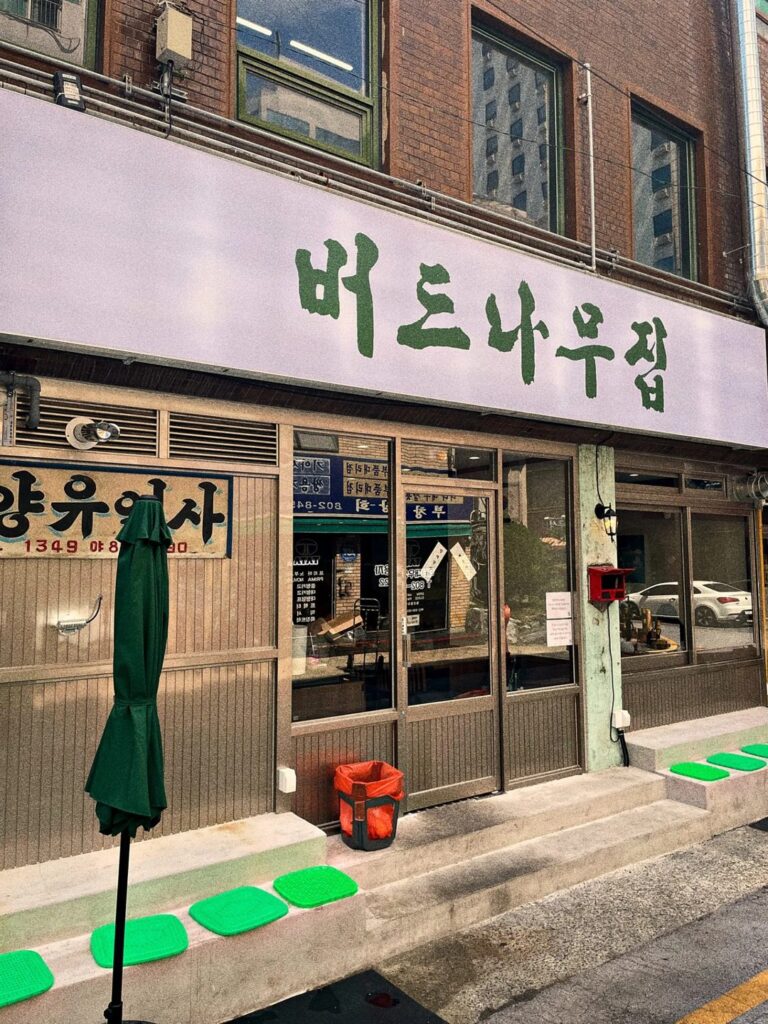
Beodnamujip (버드나무집)
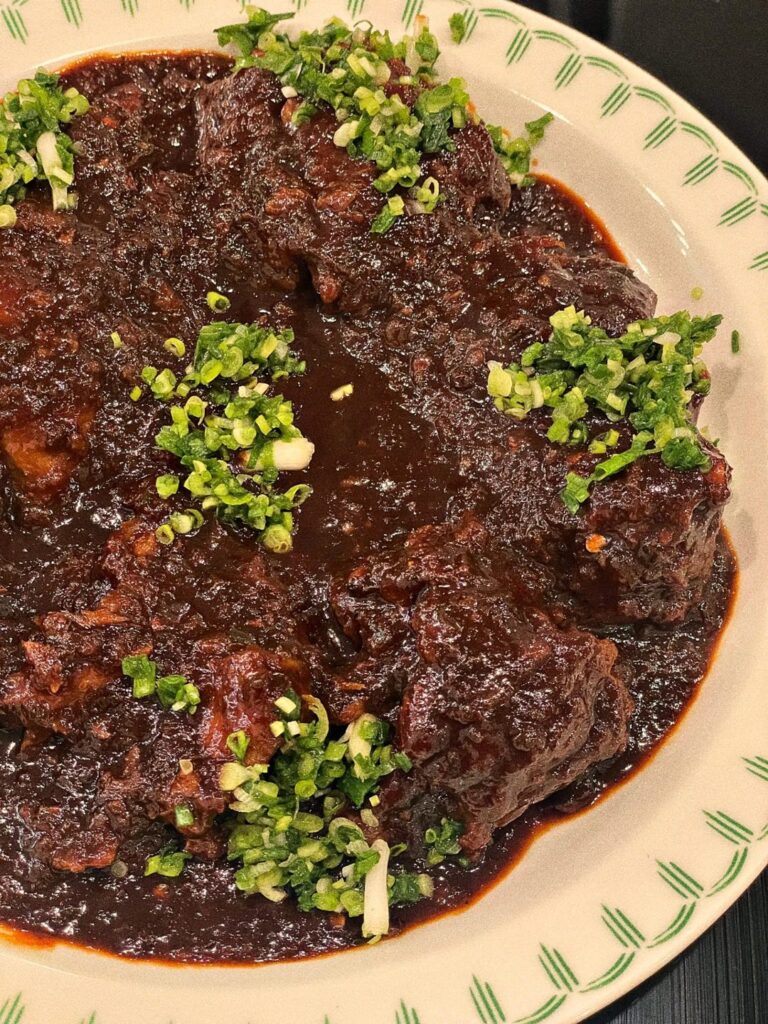
Think of the pork bones you know from gamjatang, lifted out of the broth and put on the fire. One change in method makes the meal feel quite different. You pull the meat off the bones with the sauce, so it is a hands-on dish, and the mood at the table warms up with it.
Order the rice balls too. They do a good job of calming things down between bites of the strong sauce. The seasoning was salty, though. I like bold flavors and still felt it, so it may be a lot if you prefer mild food. I visited after the restaurant moved to a new, bigger space. The old place had such a strong old-school feel that I kept thinking this food would have suited it better. Still, this style is rare enough to try once.
- Address: Haeundae-gu, Busan (the restaurant moved recently; check Naver Map for the current location)
- Menu board at the visit: bone grill for 2 ₩28,000, banga gamjatang for 2 ₩31,000, rice ball ₩4,000
- Map: Open in Naver Map
- Original review on Revitguide
Haeundae Restaurants for Cod Soup (Dalmaji Side)
Ajeossi Daegutang (아저씨대구탕)
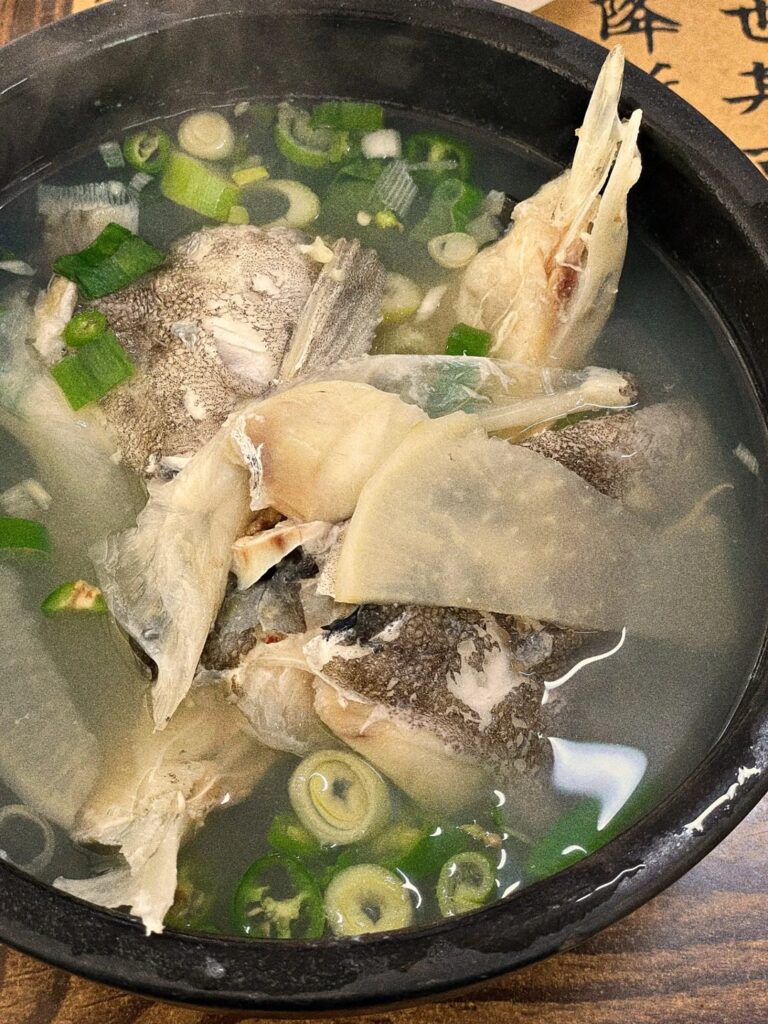
This is the bowl you think of after a heavy night or when your stomach feels off. The broth is not milky or heavy. It is so clear you can see the bottom of the bowl. The first taste is clean and refreshing, then a sharp heat from Cheongyang chili brushes the back of your throat. It is not aggressively spicy, just enough tension to keep the spoon moving.
The cod is mostly large head pieces. Picking the thick meat from between the bones is part of the fun, and the mild cod soaked in broth tastes great. The portion is generous, so you leave full and settled. It is not flashy. Even so, it delivers the “refreshing” feeling you want from daegutang. Of the cod soup places nearby, this one is still my favorite among the Haeundae restaurants I tried for daegutang.
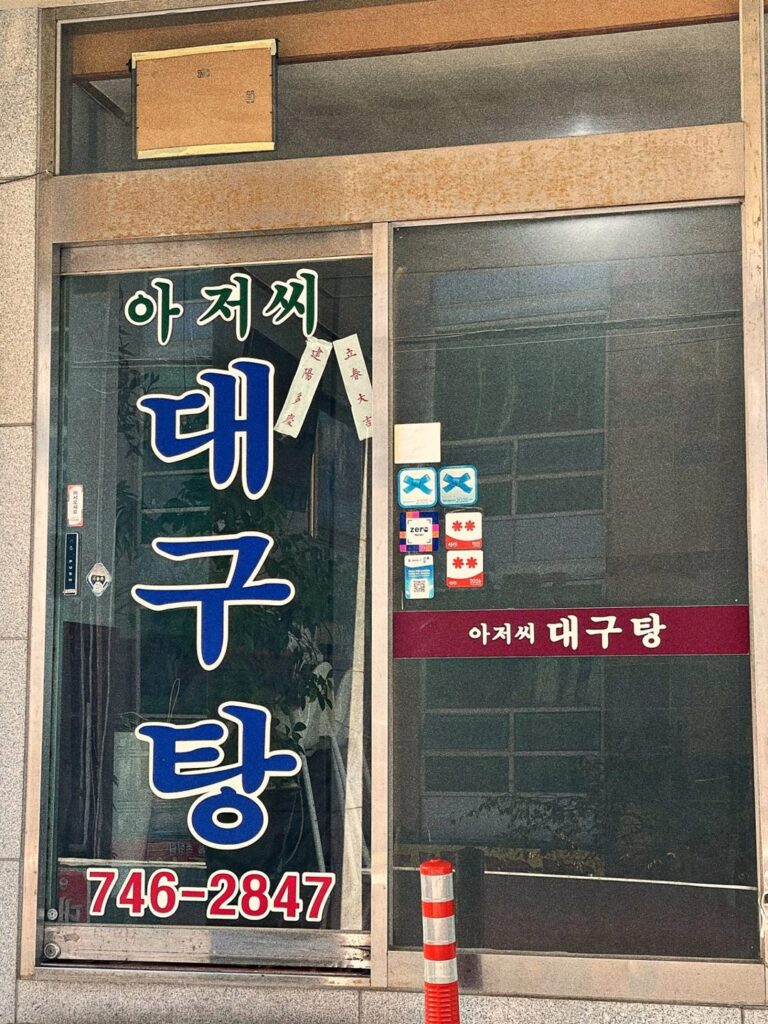
- Address: 31 Dalmaji-gil 62beon-ga-gil, Haeundae-gu (부산 해운대구 달맞이길62번가길 31)
- Menu board at the visit: daegutang ₩15,000
- Closed the 2nd and 4th Mondays (as listed on Revitguide)
- Phone: +82 51-746-2847
- Map: Open in Naver Map
- Original review on Revitguide
Haeundae Giwajip Daegutang (해운대기와집대구탕)
This is another of the Haeundae places that specializes in daegutang. It is a classic Busan-style bowl built around large pieces of cod and hot broth. It sticks to the basics rather than adding twists, so it is a good candidate when you want to try daegutang in Haeundae, and worth including if you compare several cod soup places.
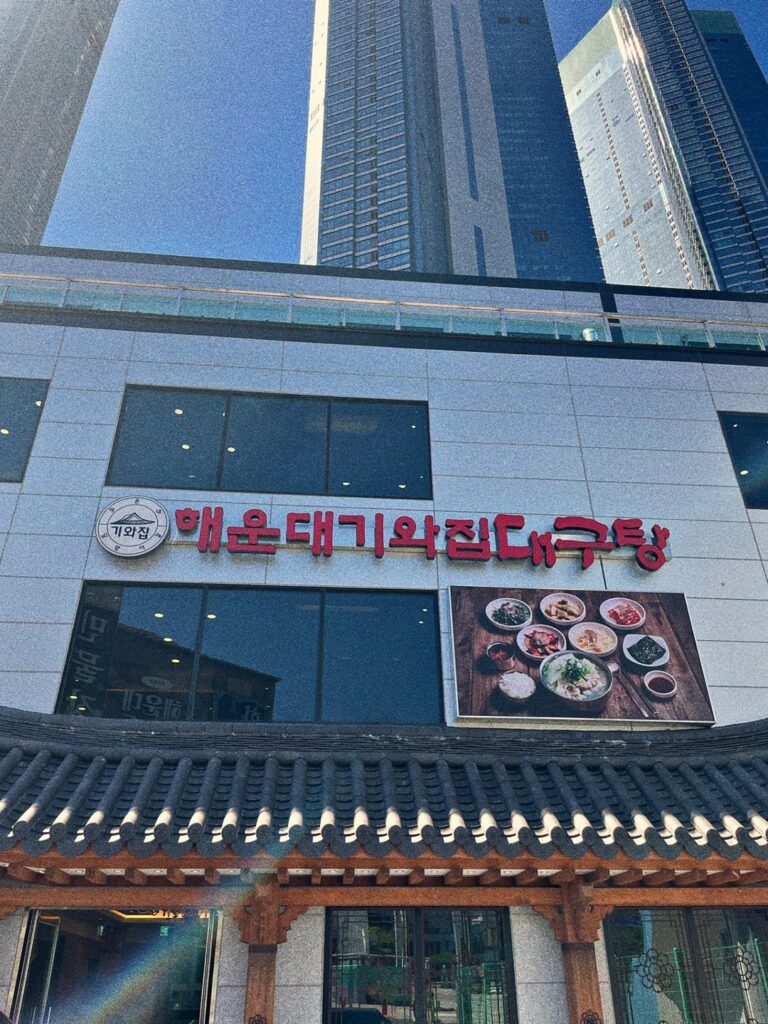
- Address: 4 Dalmaji-gil 50beon-gil, Haeundae-gu (부산 해운대구 달맞이길50번길 4)
- Map: Open in Naver Map
- Original review on Revitguide
Haeundae Restaurants in Marine City
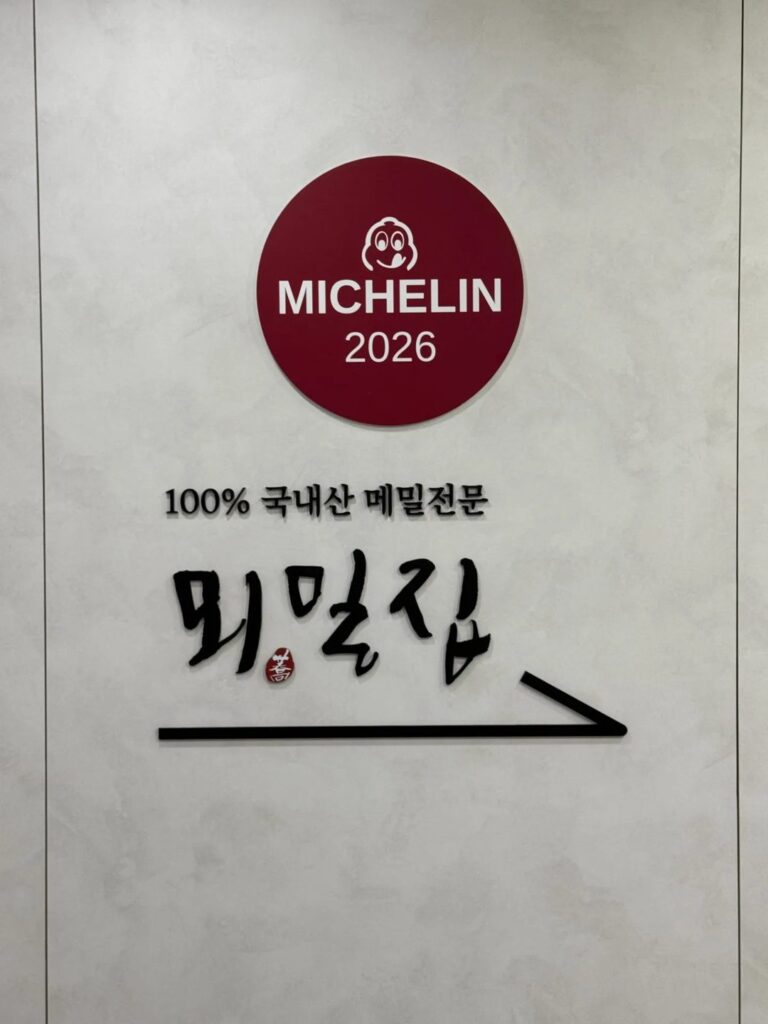
Moemiljip (뫼밀집)
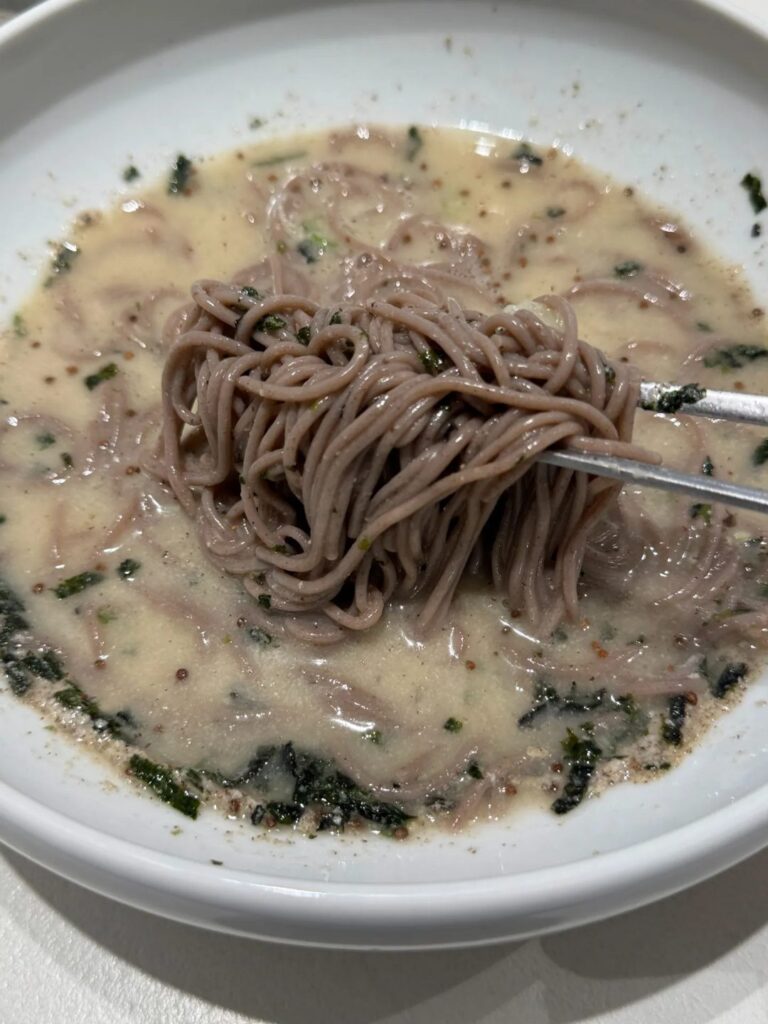
This buckwheat noodle shop made it into the MICHELIN Guide Busan. It uses 100% Korean buckwheat and makes its noodles in house. Many places push buckwheat these days, but few take such a straightforward approach. When you take a bite, the aroma and texture of the buckwheat come first rather than any strong seasoning. It does not hit hard at the start; a nutty flavor builds the longer you chew. The rustic texture of high-buckwheat noodles is there too, a different pleasure from silky noodles. More than the MICHELIN title, what stayed with me was understanding how this kitchen handles buckwheat.
- Address: 2F Orange Plaza, 23 Marine City 3-ro, Haeundae-gu (부산 해운대구 마린시티3로 23 오렌지프라자 2층)
- MICHELIN Bib Gourmand, new in the MICHELIN Guide Busan 2026
- Phone: +82 51-744-9944
- Map: Open in Naver Map
- Original review on Revitguide
Momos Coffee also has a branch in Marine City: see our Momos Coffee Busan guide.
Haeundae Restaurants for a Special Dinner
However, these four Haeundae restaurants cost much more than the soup shops above. For higher-rated tasting menus around Haeundae, see our Busan fine dining picks.
Eutteum Iroribata (으뜸 이로리바타)
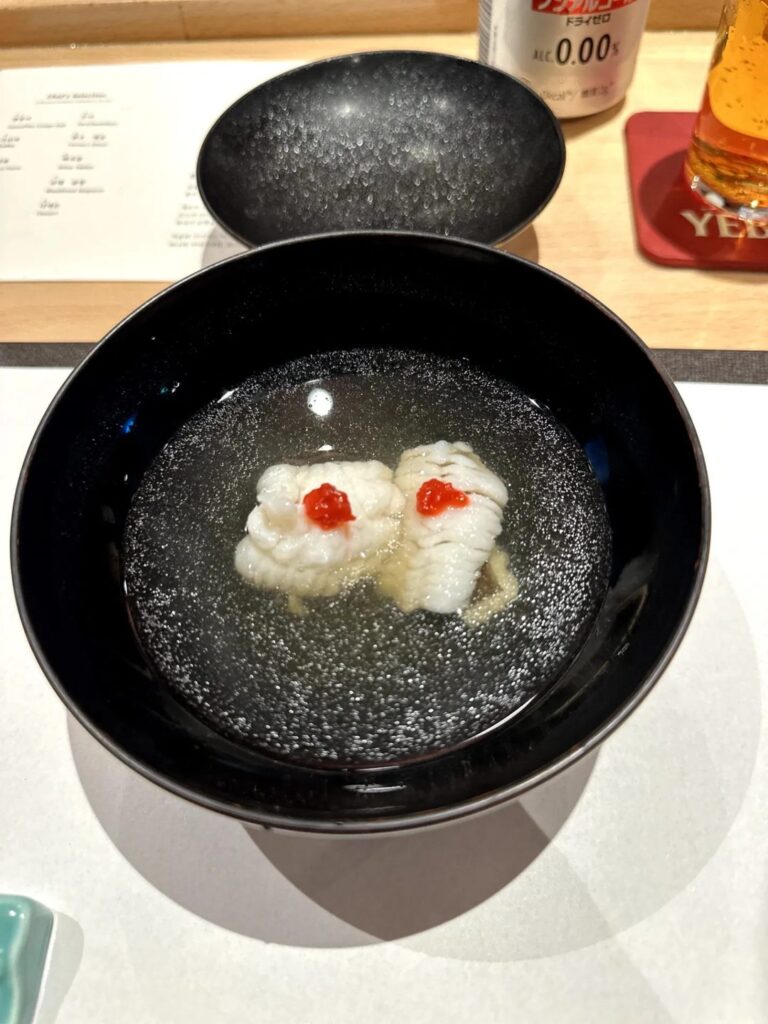
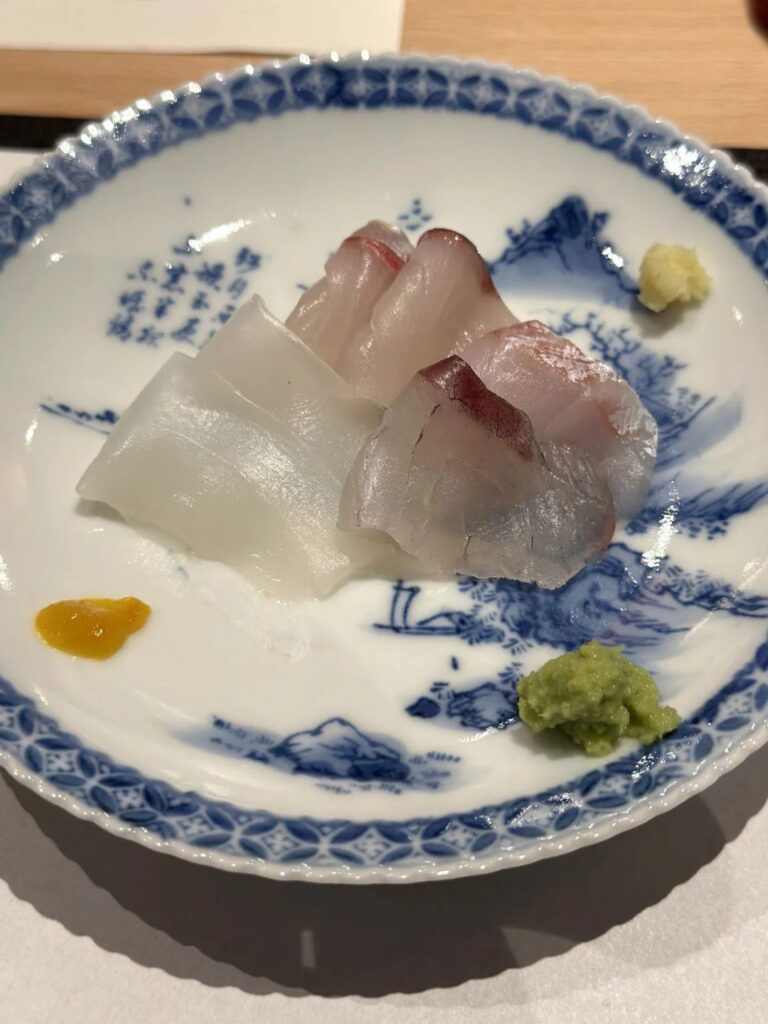
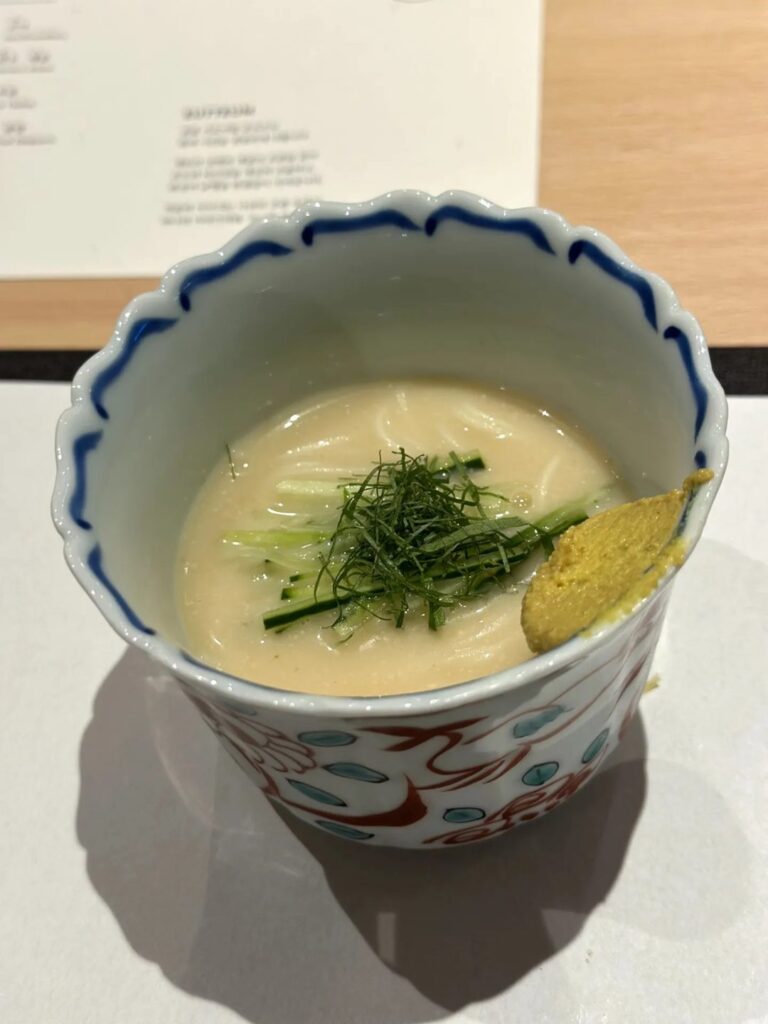
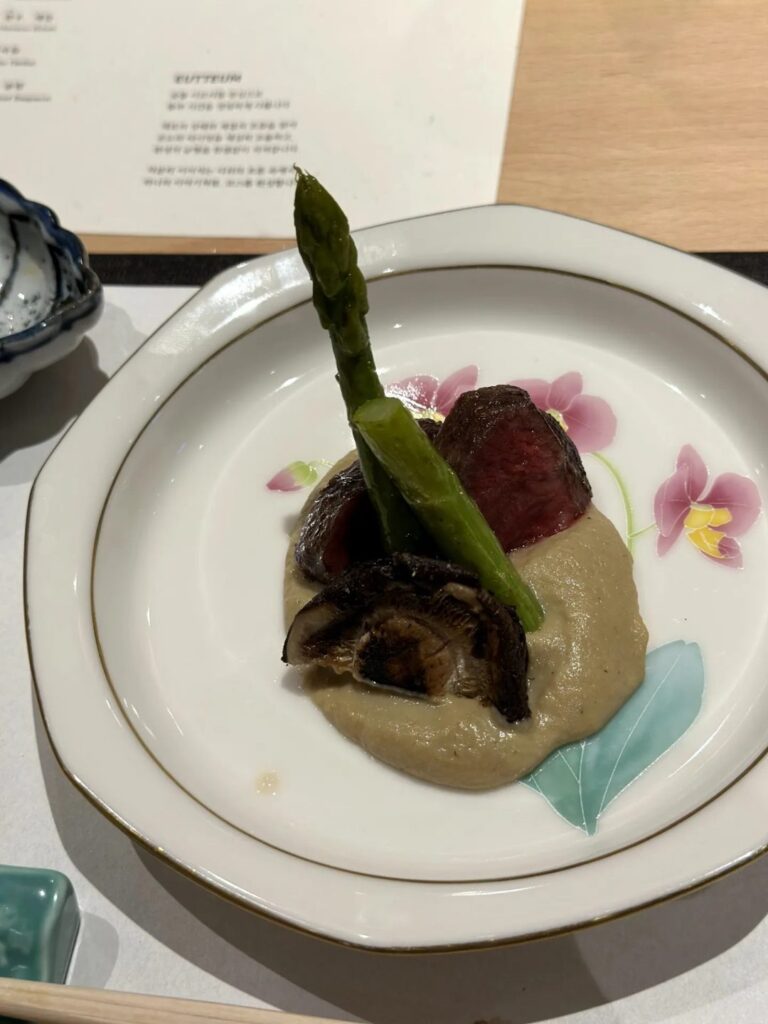
The counter seats are close to the chef, so you can see all the cooking right in front of you. Even the waiting time becomes part of the meal. The course started with a clear soup and went on to sashimi, chawanmushi, beef and nodoguro (blackthroat seaperch). The nodoguro still had plenty of fat, so the fish’s own flavor came through well.
I did wish the course had one bright or light plate in the middle to change the flow. Even so, watching the cooking from the counter adds to the experience and raises the overall satisfaction.
- Address: Gunam-ro 21beon-gil, Haeundae-gu (부산 해운대구 구남로21번길)
- Listed in the MICHELIN Guide
- Phone: +82 51-743-1020
- Map: Open in Naver Map
- Original review on Revitguide
Torafugu (토라후구가)
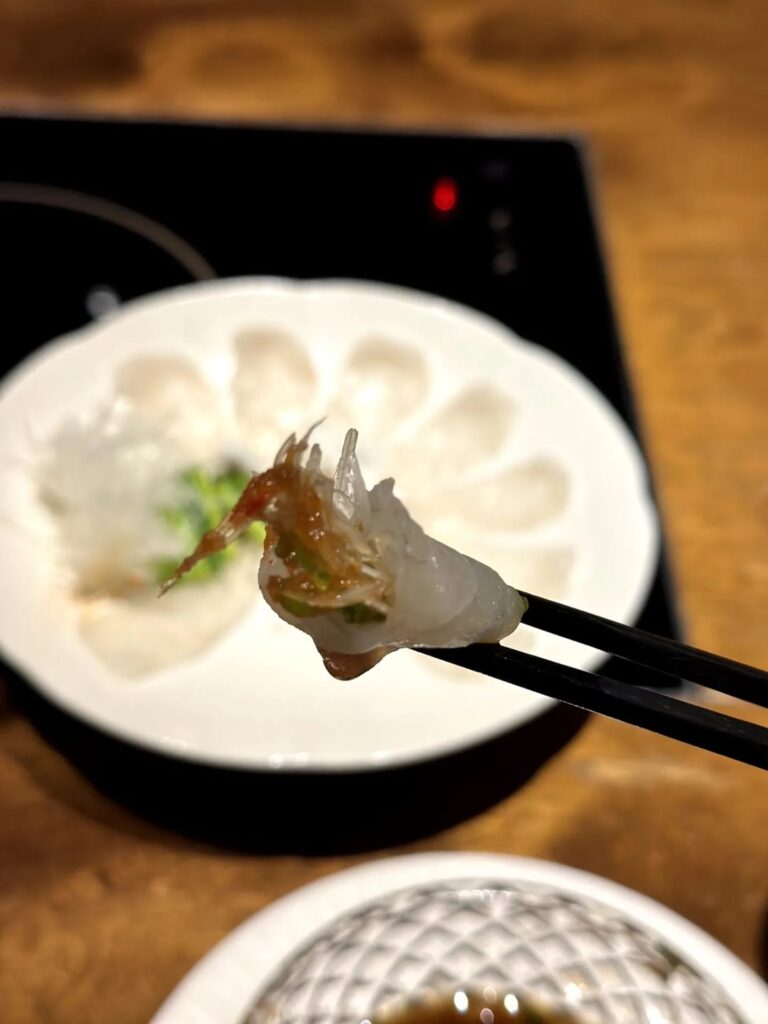
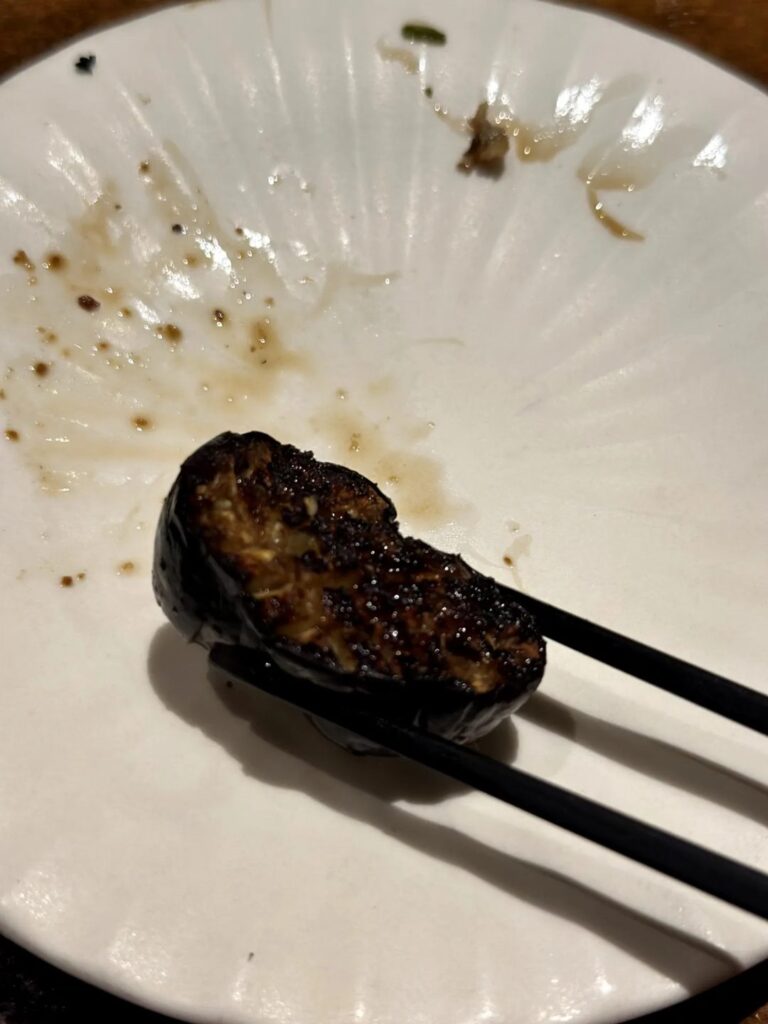
At this pufferfish specialist I enjoyed sake with grilled pufferfish. They also serve hirezake (sake with grilled fin), so you can really lean into pairing with the fugu dishes. The grilled pufferfish was clean but had a smoky note from the fire, and it went naturally with sake. Riedel wine glasses were on the table, a sign they care about the drinking side of the meal. A good place for pufferfish and sake together.
- Address: 480 Jwadong-sunhwan-ro, Haeundae-gu (부산 해운대구 좌동순환로 480)
- Phone: +82 51-743-5432
- Map: Open in Naver Map
- Original review on Revitguide
Mustroo (머스트루)
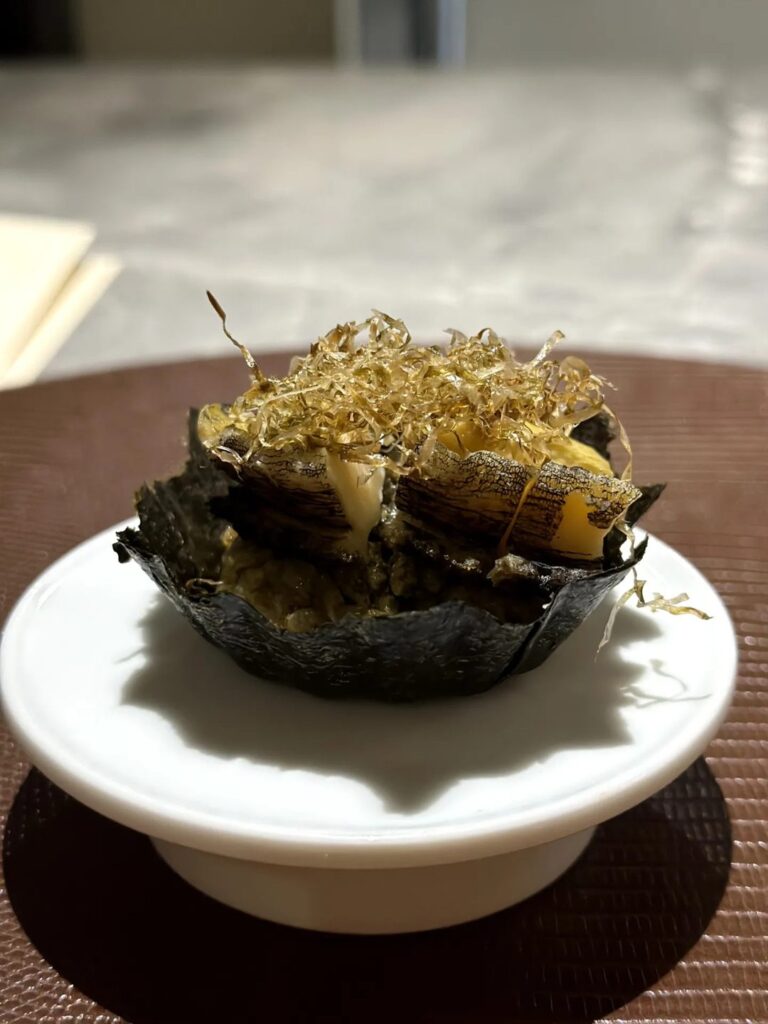
The course ran from abalone on gim to clam chowder and a noodle dish. The non-alcoholic pairing drinks, made by the chef, were a surprise: they matched the food better than I expected. Each plate showed a tidy, finished level overall. One thing to note is that the size of the fish or meat portion may vary from visit to visit. The non-alcoholic pairing option widens what this place can offer.
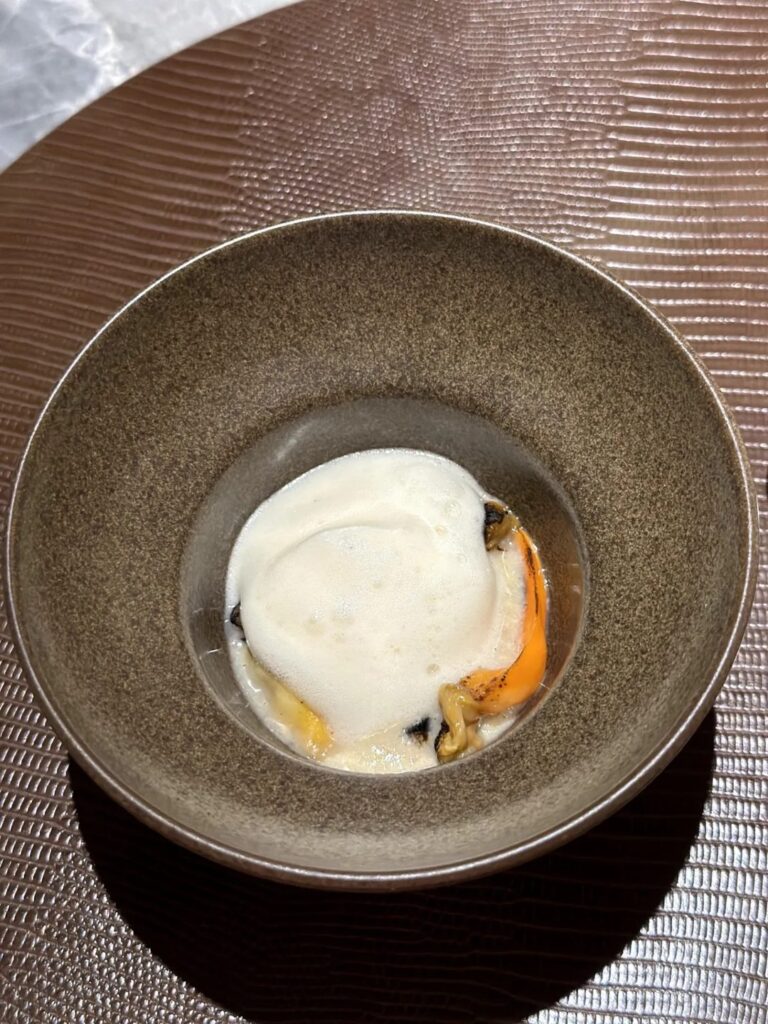
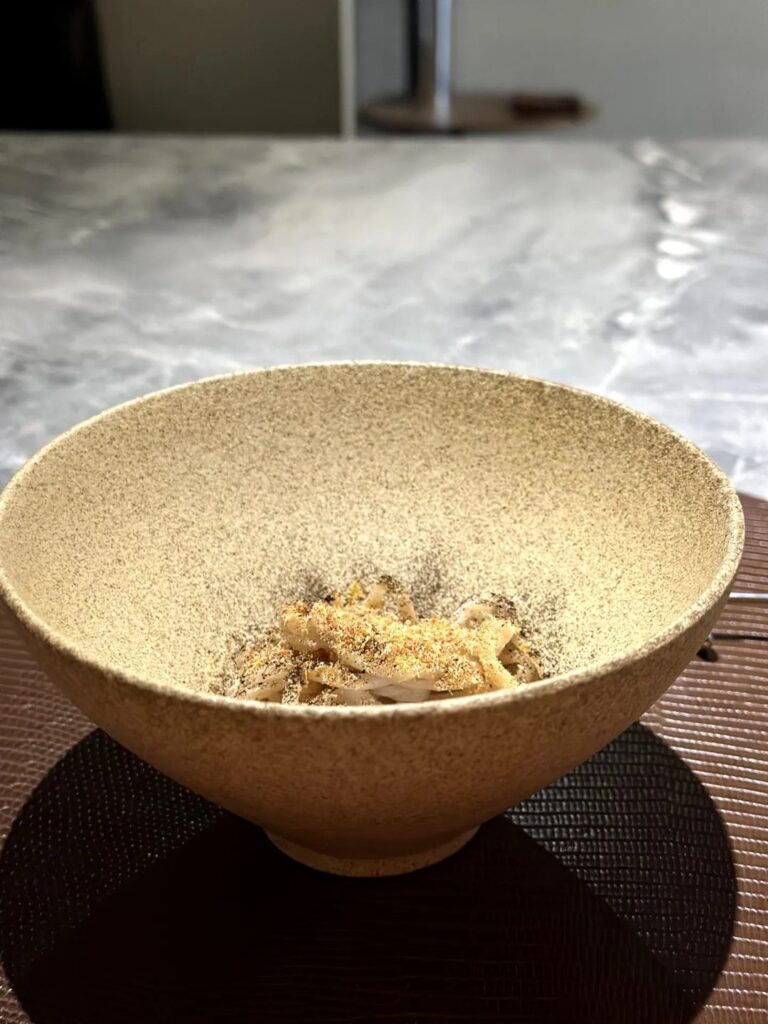
- Address: 1521-41 Jung-dong, Haeundae-gu (부산 해운대구 중동 1521-41)
- Closed Monday and Tuesday (as listed on Revitguide)
- Map: Open in Naver Map
- Original review on Revitguide
Palais de Chine (팔레드신), Grand Josun Busan
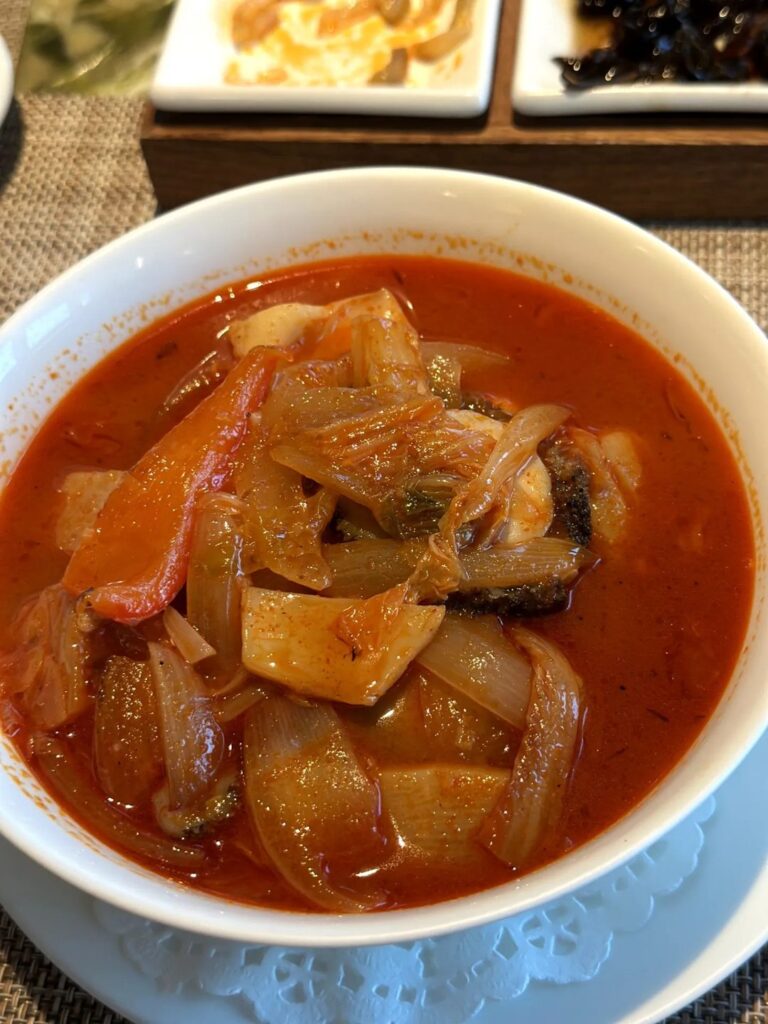
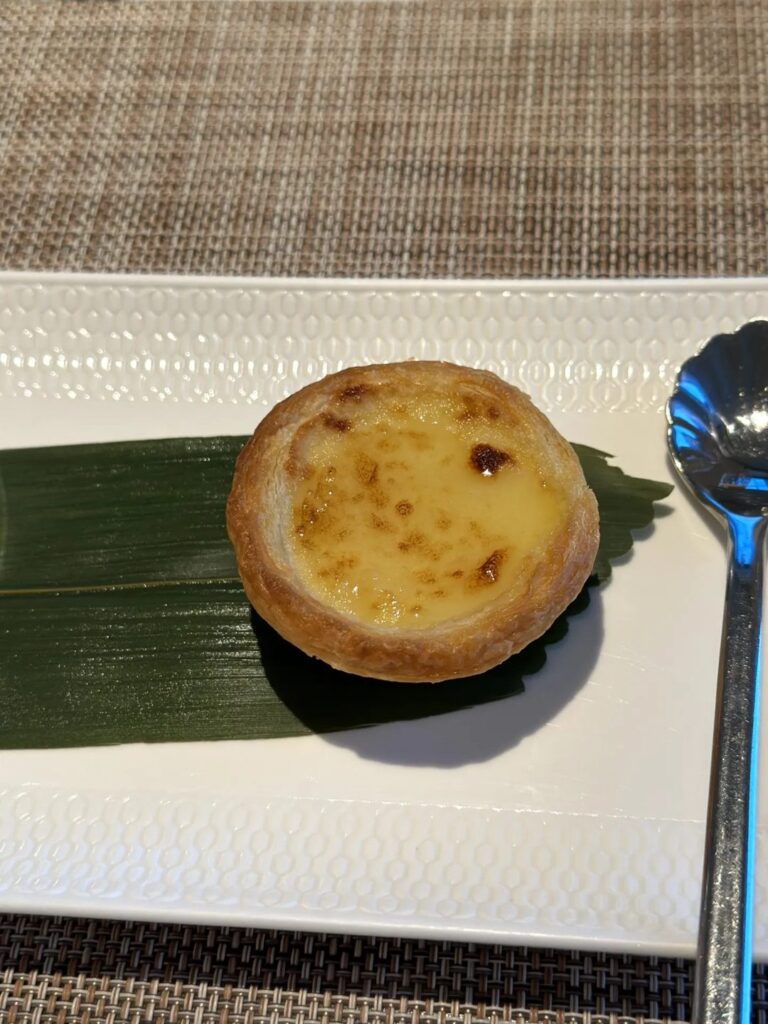
I ordered tangsuyuk and jjamppong. As you would expect from a hotel Chinese restaurant, the fundamentals were steady. The tangsuyuk had a good balance of crispness and sauce, and the jjamppong broth had depth. It leans toward textbook Chinese food rather than flashy twists. Here the hotel setting is part of the meal.
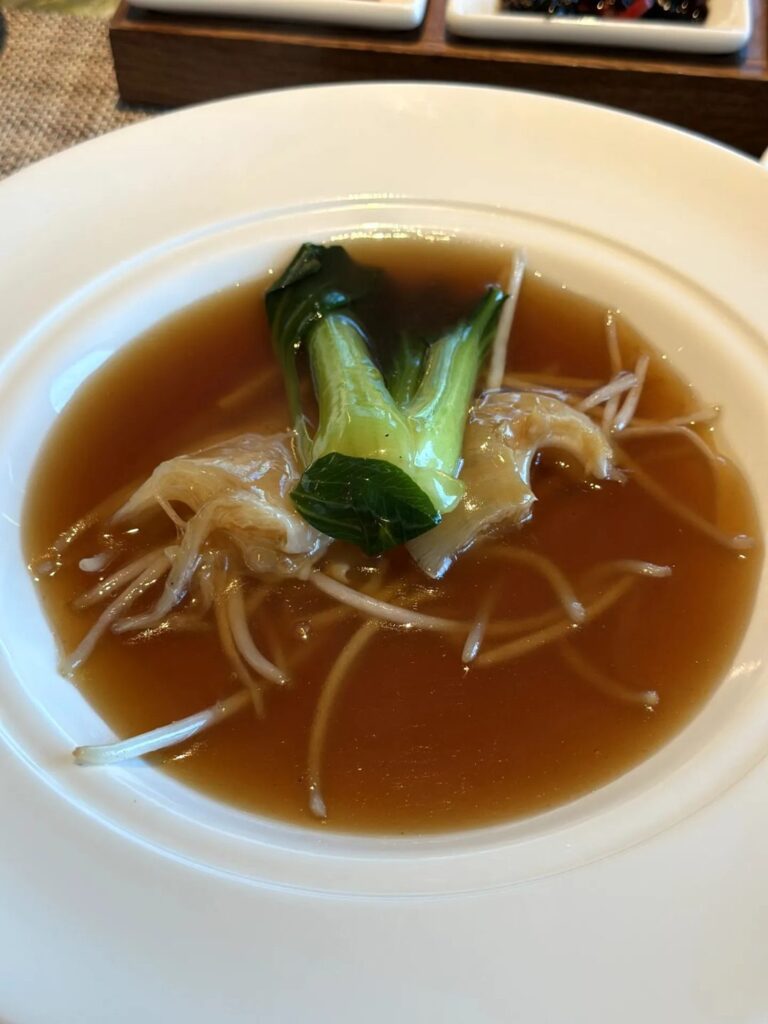
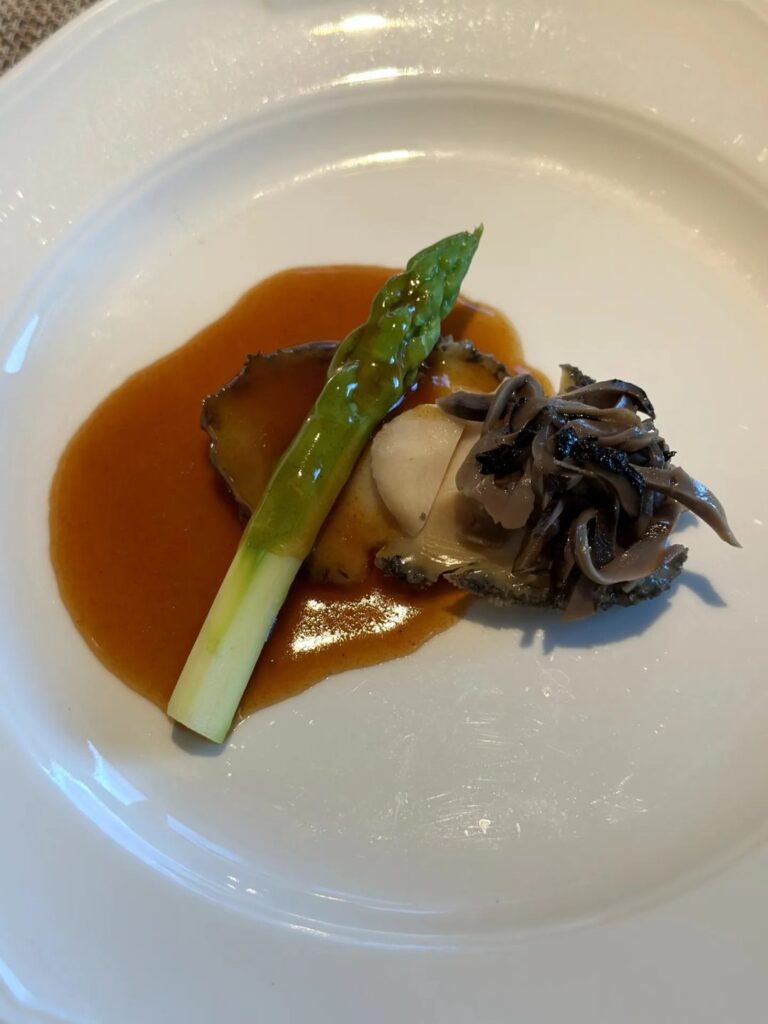
- Address: Grand Josun Busan, 292 Haeundaehaebyeon-ro, Haeundae-gu (부산 해운대구 해운대해변로 292 그랜드 조선 부산)
- Map: Open in Naver Map
- Original review on Revitguide
For more on these dishes, see our jjamppong guide.
Worth the Drive: Gijang
Gijang sits north of Haeundae along the coast. These three are not walkable from the beach, so plan on a taxi or a car. Still, they pair well with a day of Haeundae restaurants if you drive up the coast.
Jeonsan Garden (전산가든)
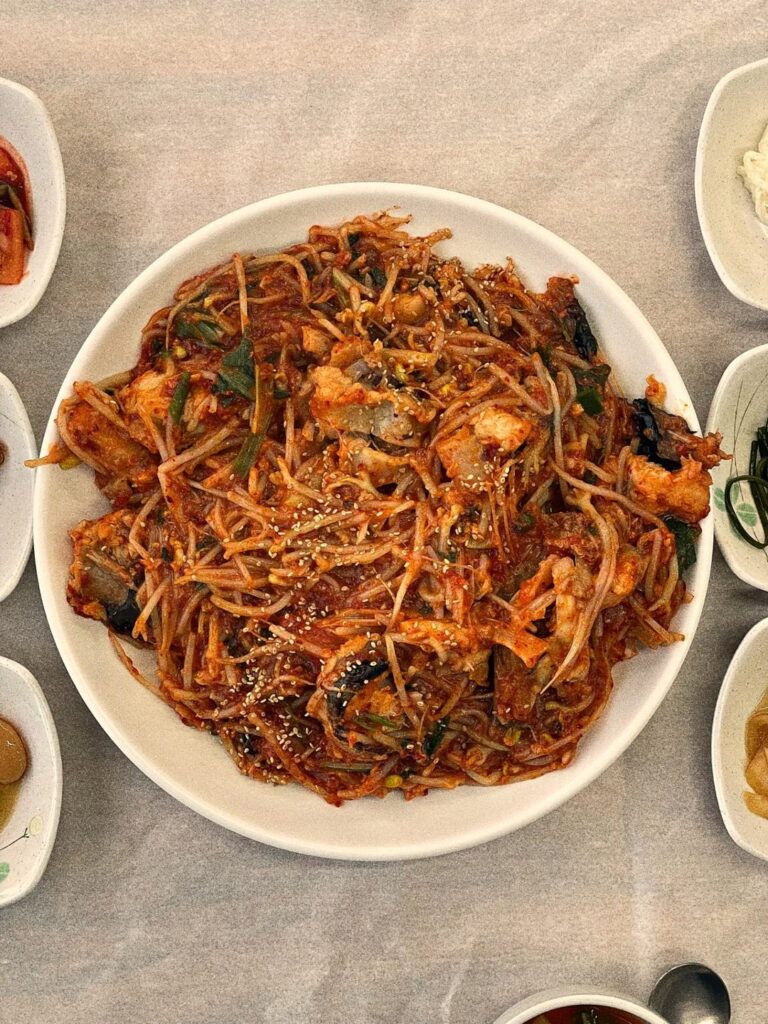
Jeonsan Garden sits where you can just catch the smell of the Gijang sea. A waiting board in a corner like this says a lot: many people come from far away on purpose. Above all, the monkfish was in great condition. The flesh was soft and the fish’s own flavor was clear.
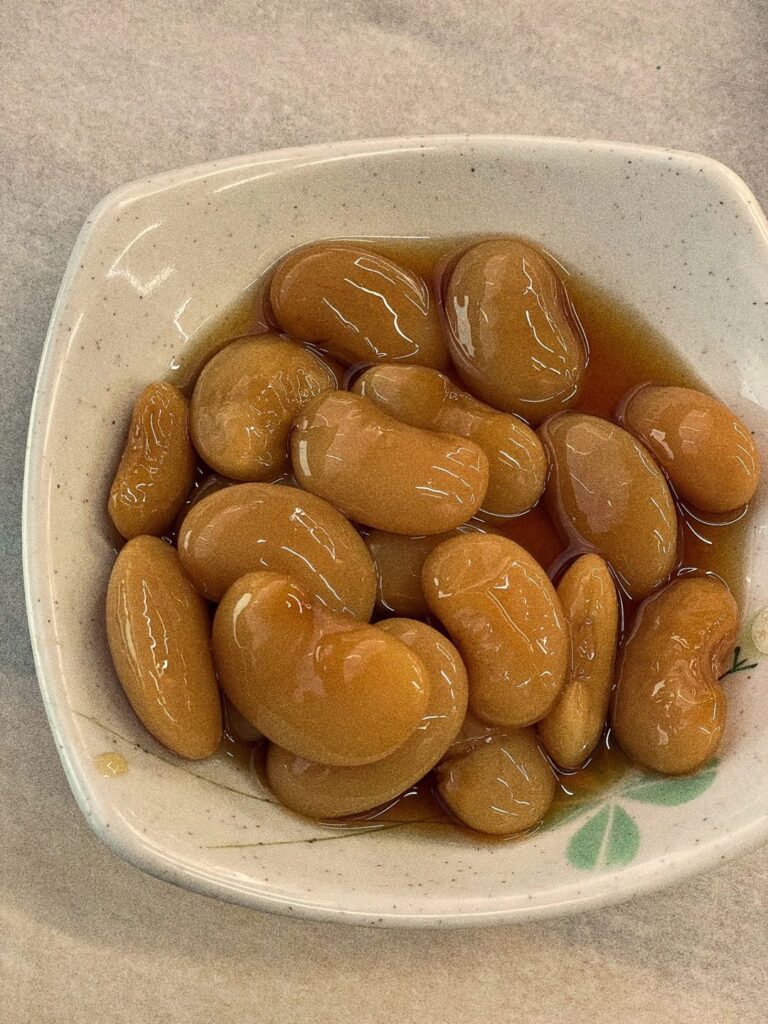
The sauce is not as fierce as it looks. Instead, the Busan-style aroma of banga leaves and sancho comes through clearly, though the herbal scent is strong enough to divide opinions. Surprisingly, what I remember most was the big beans served as a side dish. They were so good that I asked for a refill, and they gave me so many that I struggled to finish them. The young owner, who looked like the son of the family, was always smiling and checked what we needed before we asked. The service is as memorable as the food.
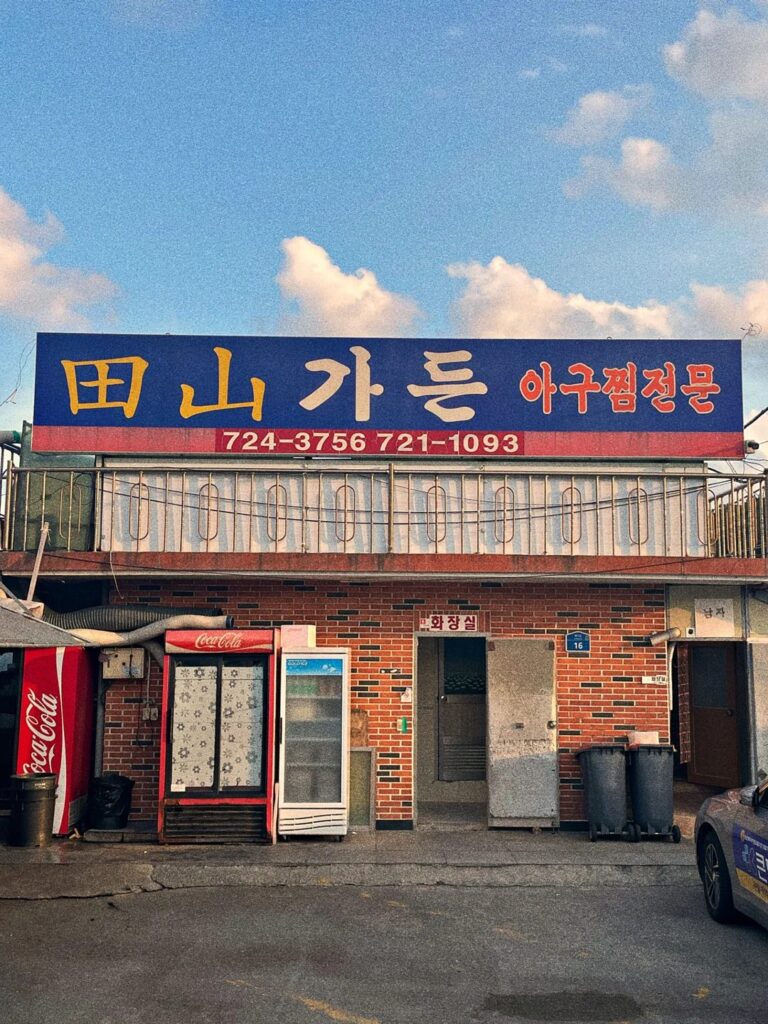
- Address: 16 Hak-ri 2-gil, Ilgwang-myeon, Gijang-gun (부산 기장군 일광면 학리2길 16)
- Phone: +82 51-721-1093
- Map: Open in Naver Map
- Original review on Revitguide
Gijang Gamasot Chueotang (기장가마솥추어탕)
This is a little different from the spicy chueotang (loach soup) most people picture. Plenty of perilla powder goes in, so the broth is nutty with a gentle sweetness. It feels closer to a familiar haejangguk than a typical chueotang, so people who do not usually enjoy loach soup can approach it fairly easily. Apart from how I feel about the genre, the broth itself tasted good.
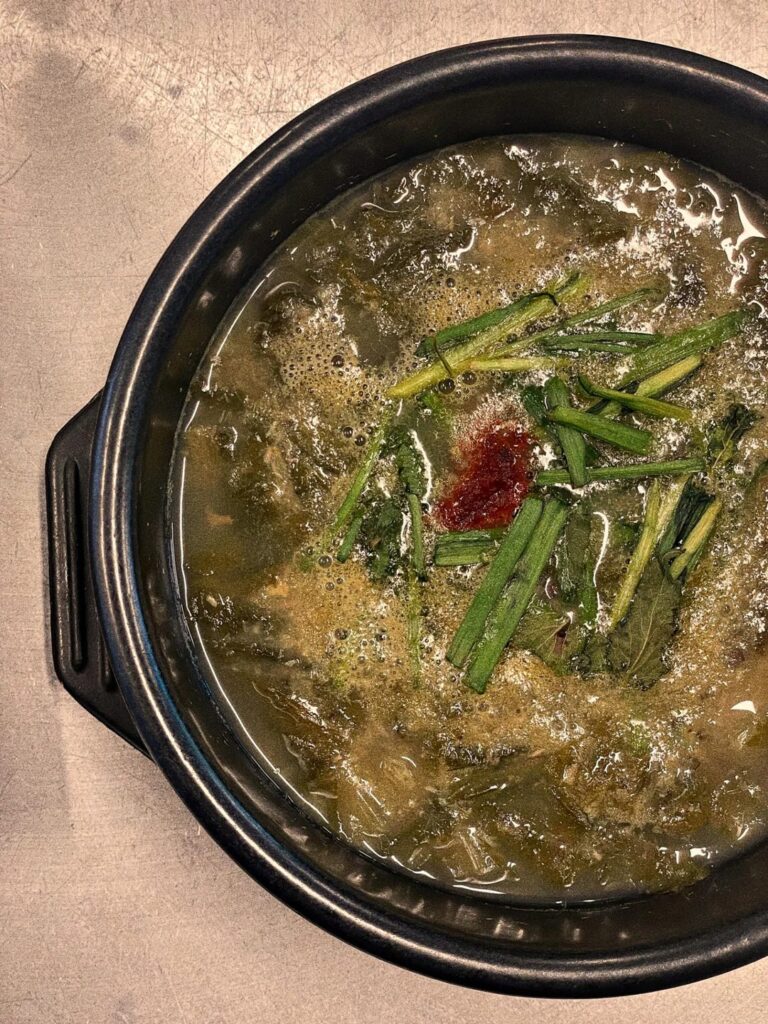
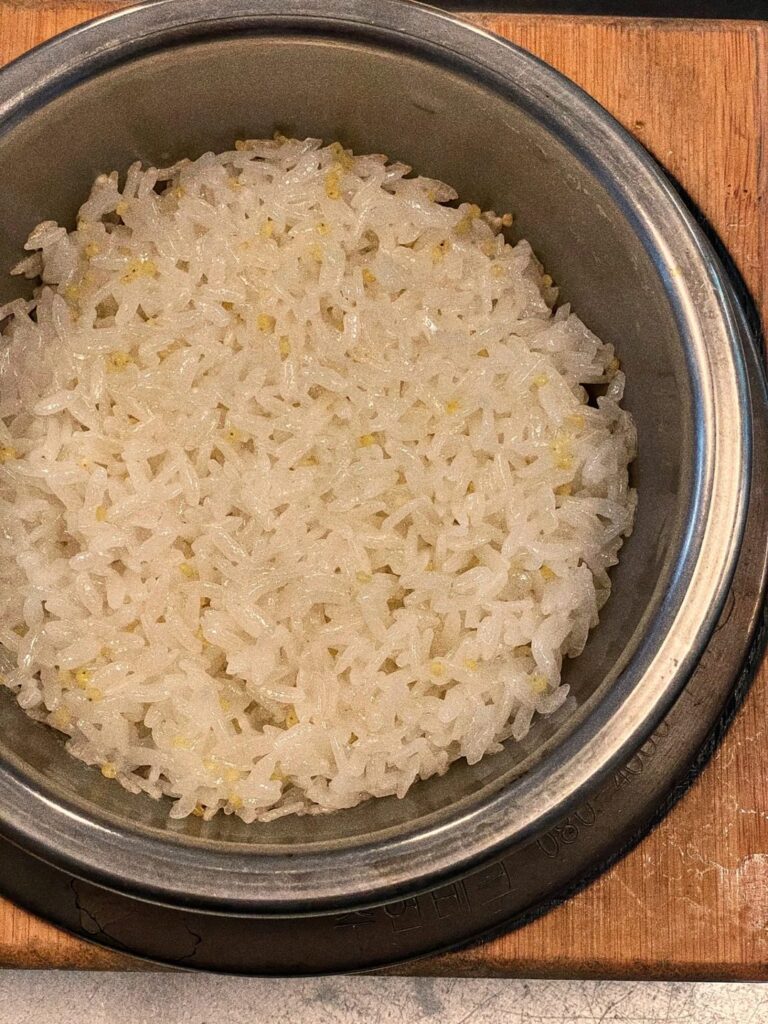
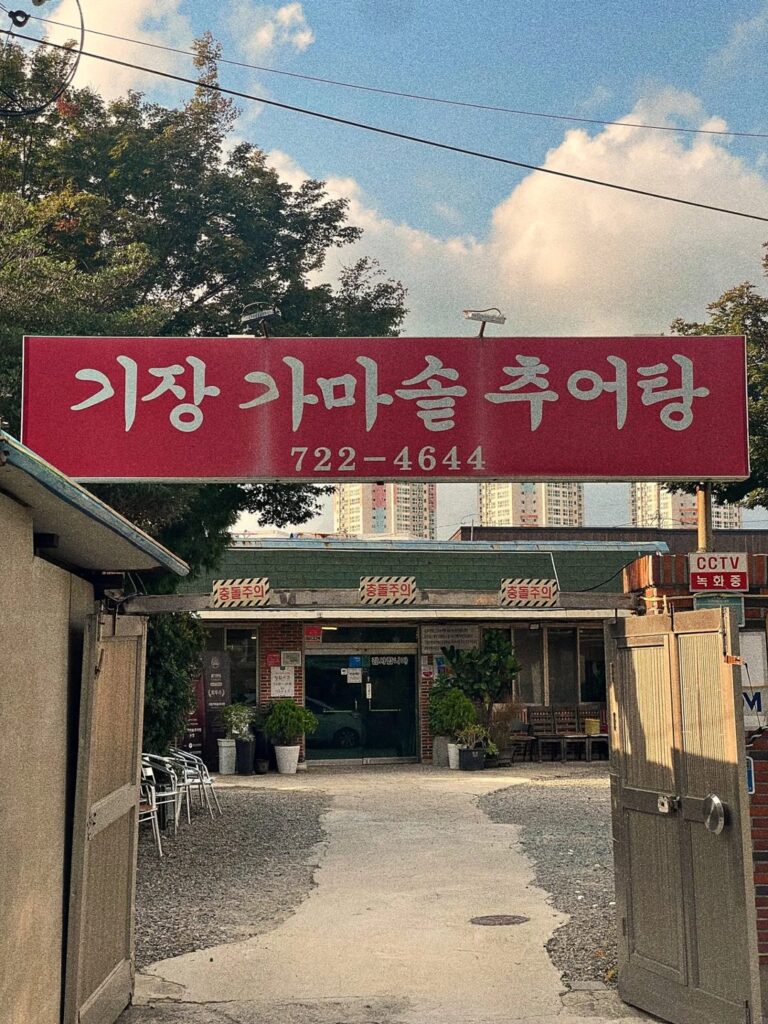
- Address: 25-3 Icheon-gil, Ilgwang-myeon, Gijang-gun (부산 기장군 일광면 이천길 25-3)
- Menu board at the visit: chueotang set with stone pot rice ₩11,000
- Phone: +82 507-1322-4644
- Map: Open in Naver Map
- Original review on Revitguide
Wonsan Sundae Dwaeji Gukbap (원산순대돼지국밥)
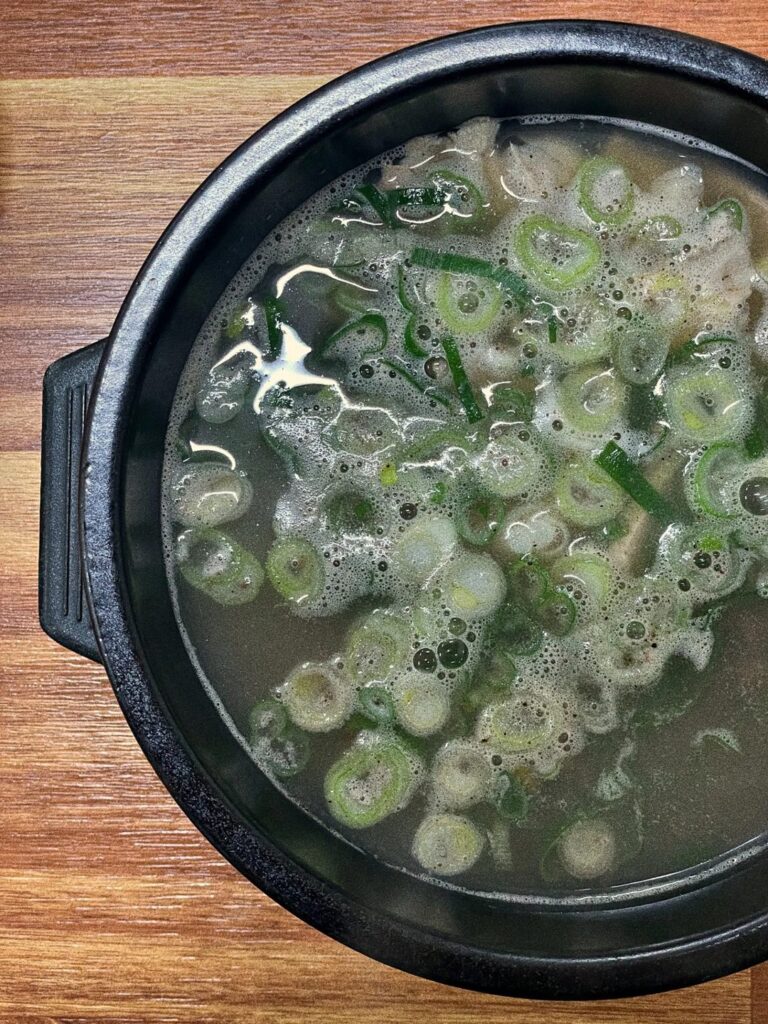
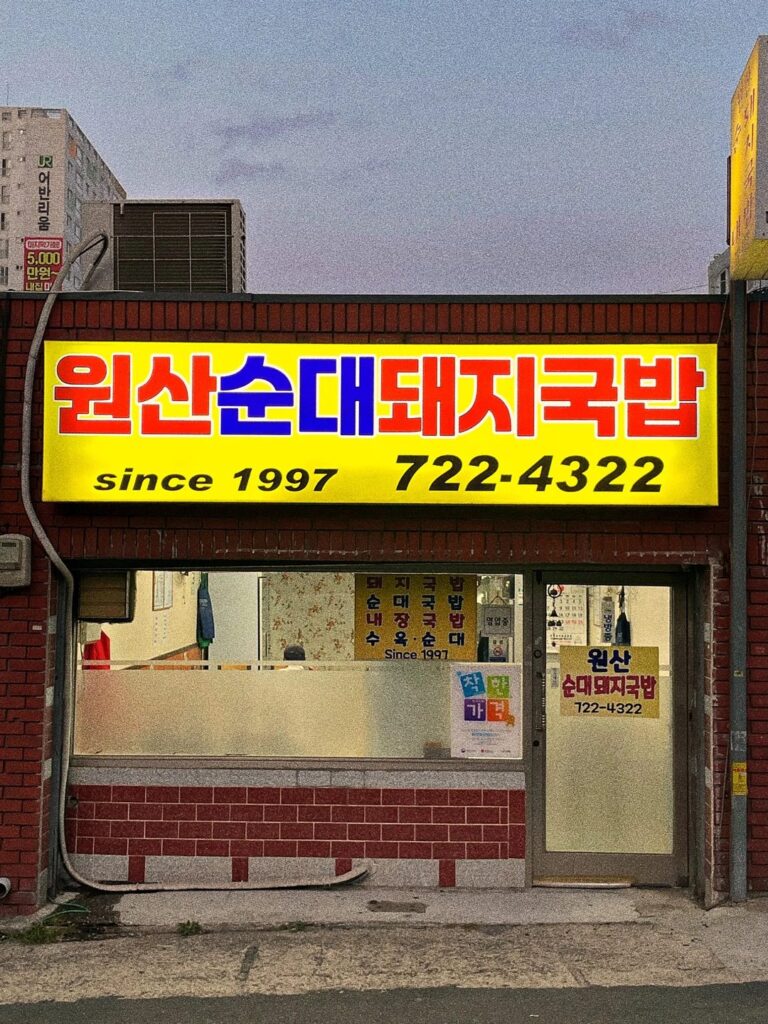
A small, quiet shop run by an elderly couple in Gijang. Before the food, you feel the mood of an old neighborhood gukbap shop from the space and the way it runs. The broth is on the clear side for Busan gukbap. Pepper goes in by default, so there is a funky, peppery aroma. It is easy to eat, but the flavor does not hit very hard. Count the humble atmosphere as part of a Gijang meal.
- Address: 58 Chaseongnam-ro, Gijang-eup, Gijang-gun (부산 기장군 기장읍 차성남로 58)
- Phone: +82 51-722-4322
- Map: Open in Naver Map
- Original review on Revitguide
For a rich, herbal pork soup in Suyeong, see our dwaeji gukbap guide, and for blood sausage, our Korean sundae guide.
Tips for Haeundae Restaurants
- Use Exit 3 of Haeundae Station for the market and Gunam-ro shops.
- Soup shops like bokguk and daegutang places are busiest at lunch; go early.
- For eel rice and ramen with long lines, register on the remote waitlist before you arrive if the shop offers one.
- Order clear (malgeun) bokguk first if you want to taste the pufferfish.
- Book counter and tasting menus ahead. Also, check closing days for any of these Haeundae restaurants on Naver Map.
- Gijang is a separate trip; combine it with a coastal drive.
More Busan Food Guides
- Busan Food Guide: 10 Must-Eat Dishes
- Gwangalli Beach Food Guide
- Nampo-dong Food Guide
- Milmyeon in Busan
- Busan fine dining picks
- All Busan posts
FAQ
Which Haeundae restaurants are near the beach?
Geumsu Bokguk, Nagahama Mangetsu, Ryusenso and Haemok are all around Haeundae Station and Gunam-ro, a short walk from the beach. Ajeossi Daegutang and Haeundae Giwajip Daegutang are on the slope toward Dalmaji Hill.
What is bokguk?
Bokguk is Korean pufferfish soup, served clear or spicy. In Busan it is a popular hangover meal. Choose the clear version if you want the taste of the fish.
Are there MICHELIN restaurants in this guide?
Moemiljip and Nagahama Mangetsu are MICHELIN Bib Gourmands in the MICHELIN Guide Busan, and Geumsu Bokguk, Haemok and Eutteum Iroribata are listed in the guide.
Is Gijang easy to reach from Haeundae?
Gijang is north of Haeundae along the coast. Unlike the Haeundae restaurants near the station, the three Gijang places here are best reached by taxi or car.
We checked prices and hours in November 2026, and they can change. Check Naver Map before you go.