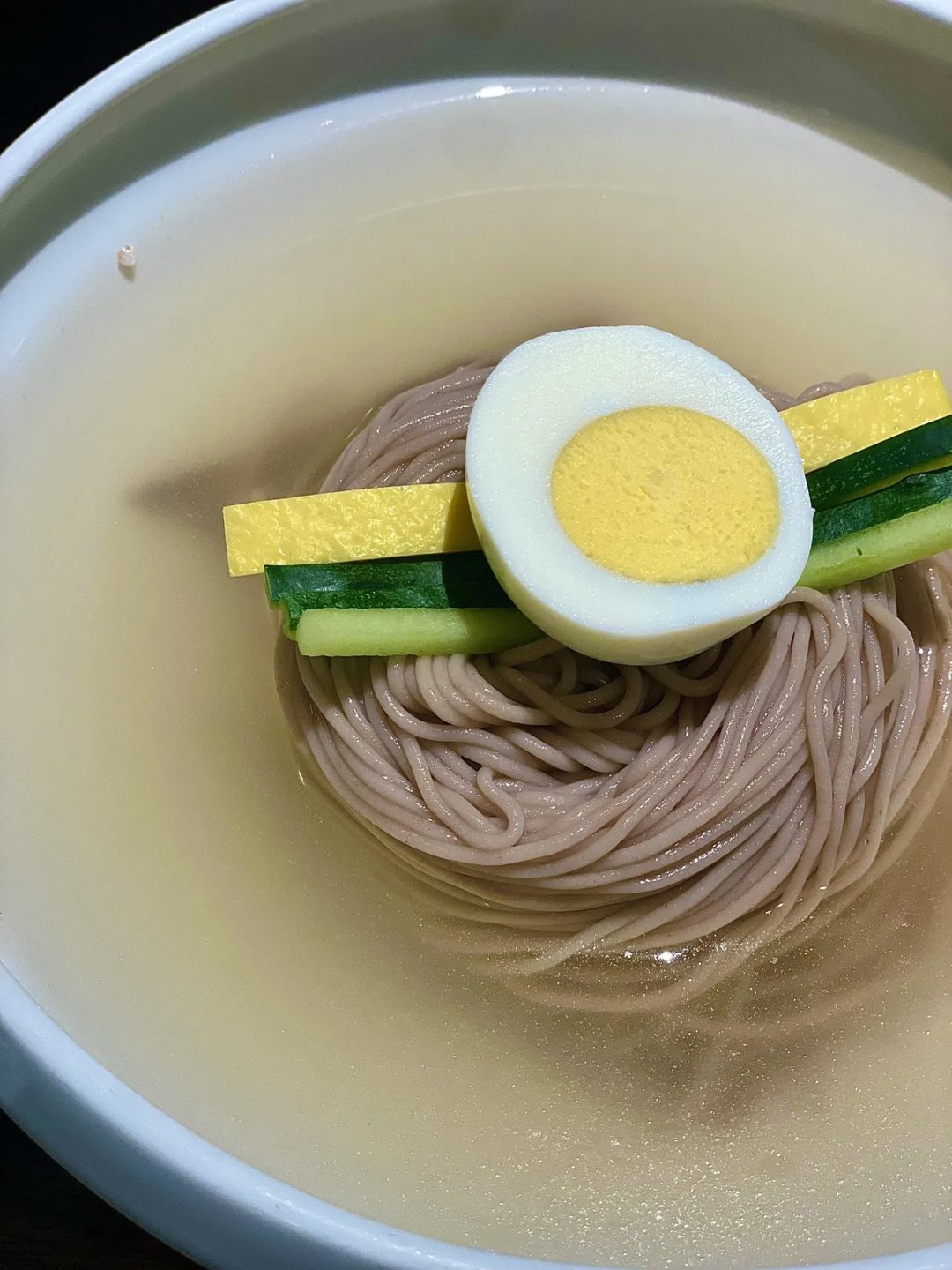
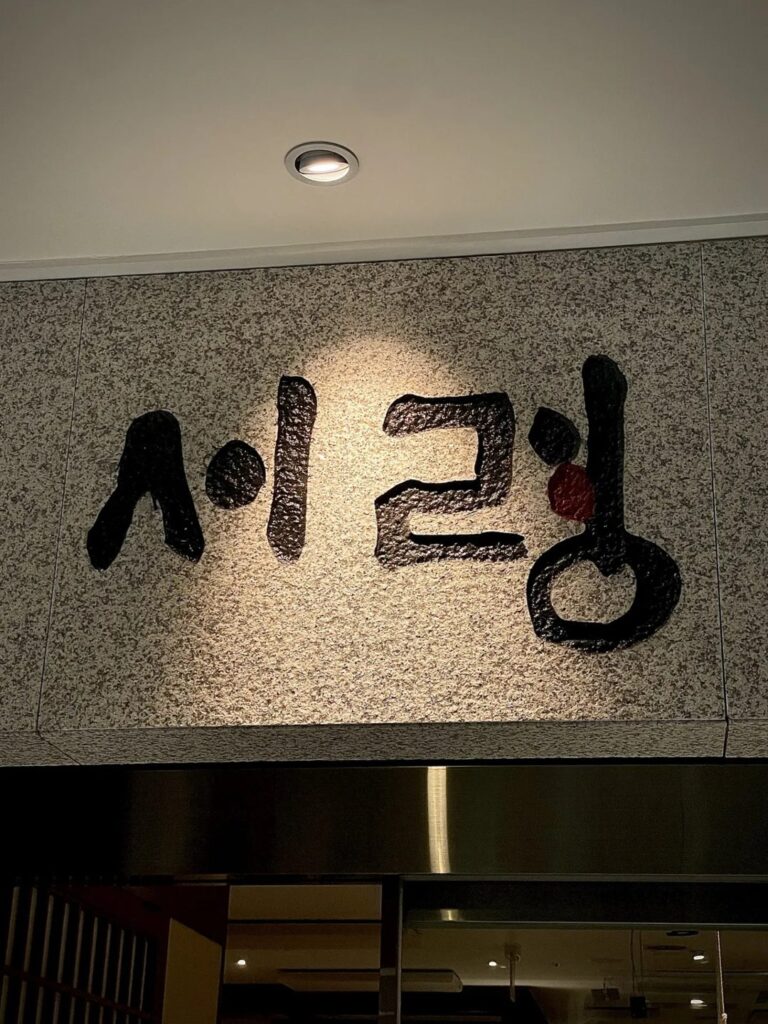
Pyongyang naengmyeon, the buckwheat cold noodle soup from North Korea, is one of the quietest dishes you can eat in Seoul, and also one of the most loved. Seoryung (서령, 西嶺), near Namdaemun, is one of the most popular places to try it right now. It holds a Bib Gourmand in the MICHELIN Guide Seoul 2026, and the long CatchTable queue shows how many people agree.
This was my first time going out of my way for Pyongyang naengmyeon, and Seoryung was where I chose to start. Below you will find my visit, a short explainer on what makes this style different, the menu with prices, and how the waitlist works. Also, if you search in Japanese, look for 平壌冷麺; in Chinese, look for 平壤冷面.
This review is adapted from a visit by Revitguide reviewer 호미식 (Homisik), who rated it 4 out of 5. Read the original Korean review on Revitguide.
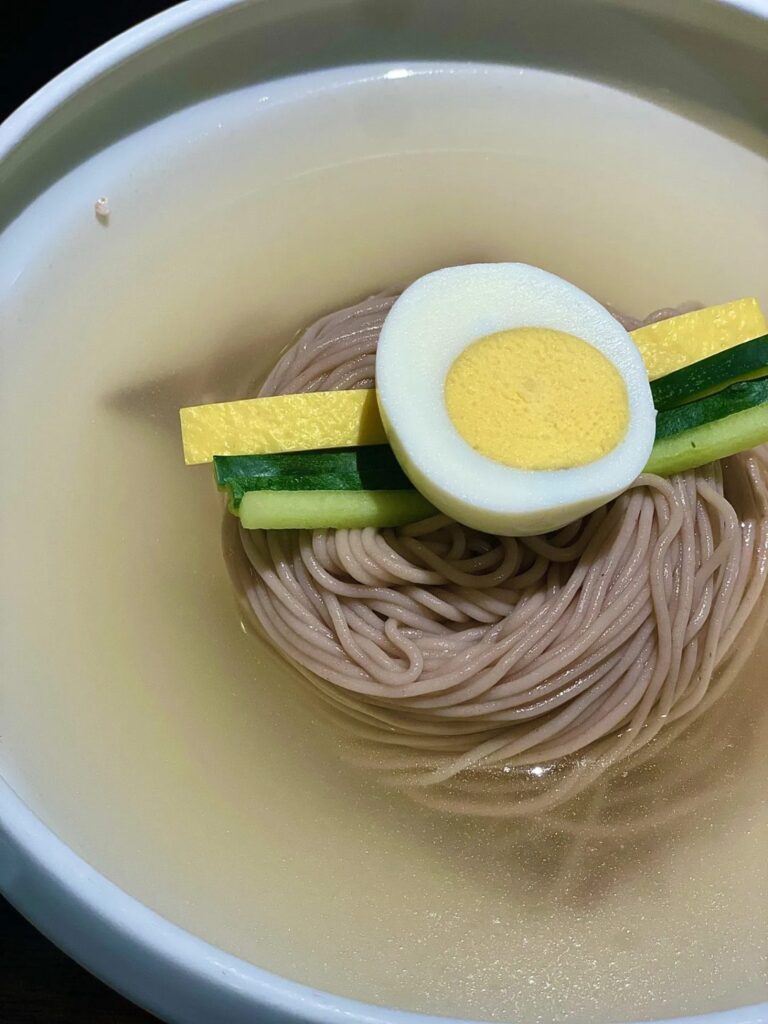
Seoryung at a Glance
| Name | Seoryung (서령 본점) |
| Address | 1F, 10 Sowol-ro, Jung-gu, Seoul (서울 중구 소월로 10 1층), in the Danam Tower building |
| Nearest station | Hoehyeon Station (Line 4), Exit 5, about a 5-minute walk. Seoul Station is about 10 minutes on foot. |
| Hours | Daily 11:00 to 21:30, last order 20:30 (the MICHELIN Guide lists 11:00 to 21:00) |
| Price | ₩17,000 per bowl of noodles |
| MICHELIN | Bib Gourmand, MICHELIN Guide Seoul 2026 |
| Waiting | CatchTable waitlist. Remote sign-up opens at 11:20. |
| Map | Open in Naver Map |
What Is Pyongyang Naengmyeon?
Naengmyeon simply means “cold noodles.” Pyongyang naengmyeon is the broth version that comes from Pyongyang, North Korea: buckwheat noodles in a chilled, clear meat broth. In the past, cooks made the broth with pheasant. Today, however, most restaurants use beef, and some blend the meat broth with dongchimi, a watery radish kimchi. Then, after the Korean War, the dish spread across South Korea, and Seoul now has many specialist restaurants.
The flavor is the part that surprises first-timers. For example, the kitchen seasons the broth very lightly, so Koreans describe it as seumseum, mild and almost plain. For a long time, people saw it as a food for older diners and food lovers. However, Korean media report that it is now a favorite of people in their twenties and thirties too, and the queues at places like Seoryung prove it.
Pyongyang vs Hamhung naengmyeon
| Pyongyang style | Hamhung style | |
|---|---|---|
| Noodles | Buckwheat, with a nutty aroma | Potato or sweet potato starch, very chewy |
| Served as | Mostly mul naengmyeon, in cold broth | Mostly bibim naengmyeon, mixed with sauce |
| Flavor | Clean, mild and meaty | Sweet, tangy and spicy (gochujang) |
Koreans call both of them naengmyeon. Still, they eat like two different dishes. If you want the clean, subtle bowl that Seoul food lovers talk about, order the Pyongyang style. Many Pyongyang restaurants, Seoryung included, also make a bibim (mixed) version with the same buckwheat noodles.
How to Eat Pyongyang Naengmyeon
- Taste the broth on its own first, before adding anything.
- Vinegar and mustard sit on the table. Add a little at a time, ideally halfway through the bowl.
- At Seoryung the house vinegar is called Seoryung-cho (서령초). Visitors describe it as a mild radish vinegar in the style of dongchimi.
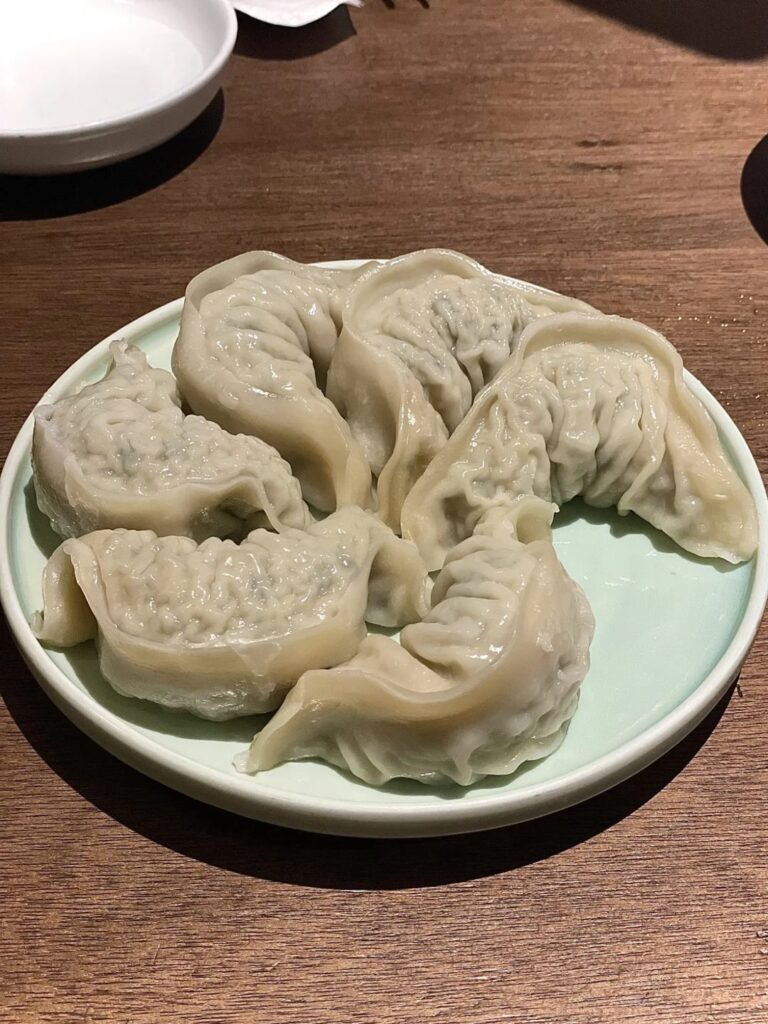
- Finally, order mandu (dumplings) or sliced pork on the side. They are classic partners for a bowl of cold noodles.
About Seoryung
According to the MICHELIN Guide, Seoryung began in Hongcheon in Gangwon-do, moved to Ganghwa Island, and finally settled near Namdaemun in Seoul. Chef Jeong Jong-moon sources and prepares the buckwheat himself, and the kitchen makes every noodle on the menu from 100% buckwheat. The Blue Ribbon Survey adds that the kitchen makes the broth from Hanwoo cows raised on Ganghwa Island. In addition, the restaurant appears in its 2026 Seoul edition.
As a result, the restaurant is very busy. In July 2026, Maeil Business reported that Seoryung’s main branch averaged 1,028 people a day on its CatchTable waitlist, with about an hour of waiting on weekdays and over two hours on weekends. The same report mentions a second branch at Lotte World Mall in Jamsil.
My First Pyongyang Naengmyeon at Seoryung
Seoryung was the first place I went once I had made up my mind to try Pyongyang naengmyeon.
The feel of the dining room, the bowls the food came in, the staff’s uniforms and their friendliness, and even Seoryung-cho, the special house vinegar: all of these pieces seemed to run smoothly under a single system.
The broth was what impressed me most. First of all, the aroma of the meat was not gamey at all. Instead, it spread gently and softly with each sip.
“Ah, so this is what Pyongyang naengmyeon tastes like?” It was a day when I felt I was finally starting to understand it.
It was a good enough meal that next time I want to try both the bibim and the perilla oil versions as well. People call Seoryung one of the strongest Pyongyang naengmyeon restaurants around, and I can see that the reputation is not for nothing.
Seoryung Menu and Prices
These prices come from 2026 menus shared by visitors and listing sites.
| Dish | Price |
|---|---|
| Seoryung sunmyeon (서령 순면), the signature cold noodles in broth | ₩17,000 |
| Bibim sunmyeon (비빔 순면), mixed noodles | ₩17,000 |
| Deulgireum sunmyeon (들기름 순면), perilla oil noodles | ₩17,000 |
| Naengsuban (냉수반) | ₩14,000 |
| Manduguk (만두국), dumpling soup | ₩16,000 |
| Hanwoo yukgaejang (한우 육개장), spicy beef soup | ₩16,000 |
| Steamed mandu, full plate (6) / half plate (3) | ₩12,000 / ₩6,000 |
| Hangjeong jeyuk (항정 제육), pork neck, 200g / 100g | ₩37,000 / ₩19,000 |
| Seoryung seolhwa bulgogi (설화 불고기), 150g | ₩39,000 |
| Broth to take away, 500ml | ₩8,000 |
You can order the bulgogi all day on weekends and holidays, but only from 17:00 on weekdays. A half plate of mandu or pork is a good way to try the sides without over-ordering.
How the Seoryung Waitlist Works
- Seoryung runs its queue through the CatchTable app. You can sign up at the tablet by the door, or remotely in the app from 11:20.
- Luckily, there is a waiting room on the second floor, so you do not have to stand outside the whole time.
- Expect around an hour on weekdays and two hours or more on weekends and in summer.
- Therefore, to cut the wait, arrive before the 11:00 opening, or go in the middle of the afternoon.
- Namdaemun Market is a short walk away, which makes it an easy place to pass the time while you wait.
- The building has paid parking.
Verdict
My rating: 4 out of 5. For a first bowl of Pyongyang naengmyeon, Seoryung made the style click for me. The broth was clean and gently meaty, and the whole service ran like a well-oiled system. I left wanting to come back for the bibim and perilla oil noodles.
For more places nearby and around the city, see our Myeongdong food guide (one stop from Hoehyeon), our list of Michelin restaurants in Seoul, and our picks for the best Korean restaurants in Seoul. If you like light, comforting soups, our guides to samgyetang and dakhanmari are good next stops.
More Naengmyeon Around Korea
These extra picks are adapted from visits by Revitguide reviewer 호미식 (Homisik), who rated each 3.5 out of 5. They show how much Pyongyang naengmyeon can vary, from Gangnam to Daejeon and Daegu. For Busan’s wheat-noodle cousin, see our milmyeon guide.
Jinmi Pyeongyang Naengmyeon (진미평양냉면), Gangnam
On my first visit I honestly did not get it. The broth tasted of almost nothing, and what stayed with me was the eobok jaengban, a brass platter of sliced beef and broth that went perfectly with makgeolli, getting saltier and deeper as it simmered down. I left thinking Pyongyang naengmyeon was not for me yet, but curious about what I had missed.
After eating at more naengmyeon houses, my taste changed. I started to notice small differences in a broth I had called bland, and on my second visit the bowl felt completely different. It does not push savory flavor, but each sip feels calming, the meat aroma is restrained and the buckwheat noodles sit naturally in the broth. The eobok jaengban was just as good, with a startling amount of meat. Maybe the real start of Pyongyang naengmyeon is the second visit, not the first bowl.
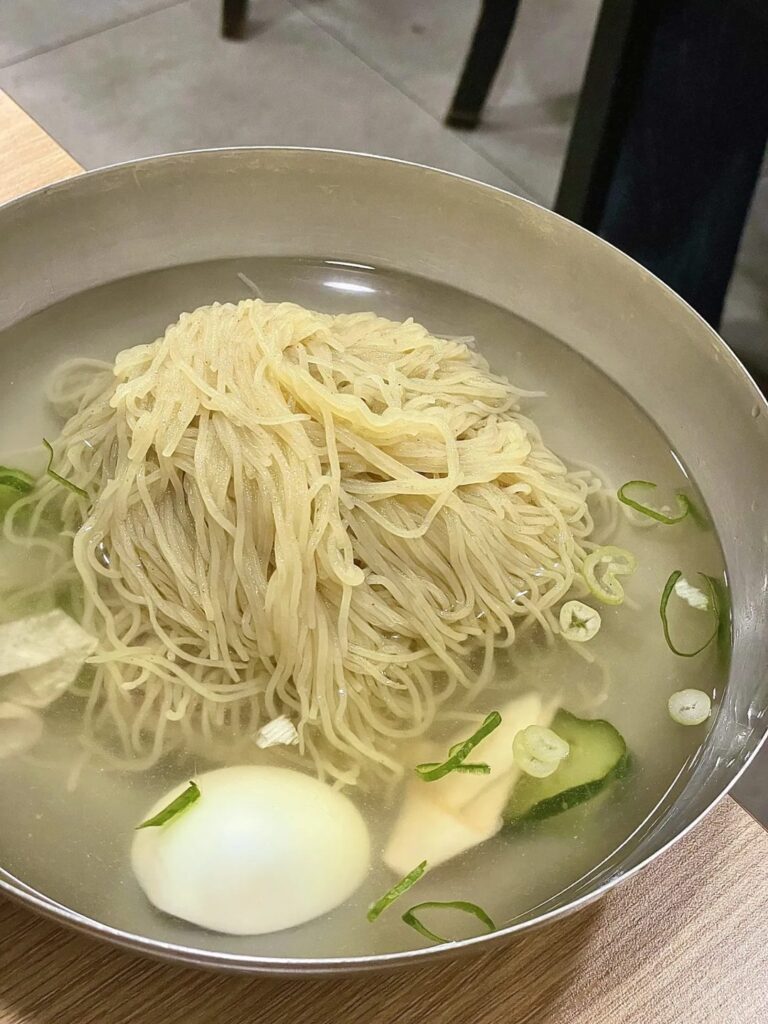
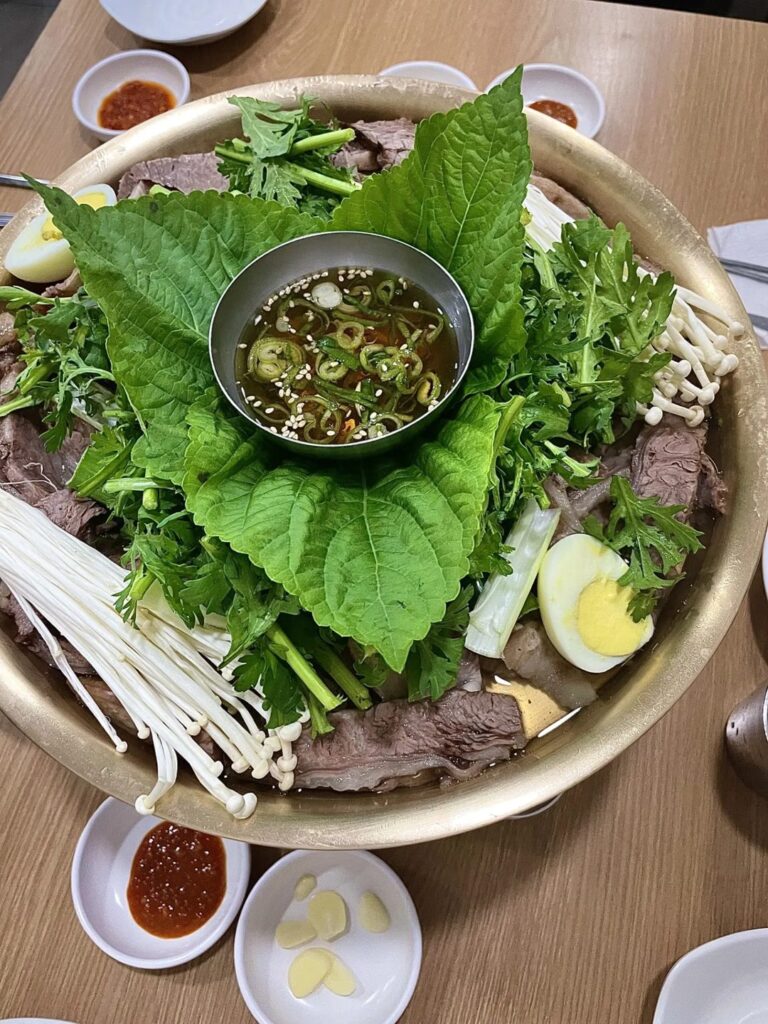
Area: 305-3 Hakdong-ro, Gangnam-gu, Seoul (서울 강남구 학동로 305-3). Listed in the MICHELIN Guide; chef Yim Se-kwon. Hours 11:00 to 21:30 on the MICHELIN page. Naver Map · Original reviews on Revitguide: visit 1, visit 2
Suggol Won Naengmyeon (숯골원냉면) Main Branch, Daejeon
This long-running shop has the ease you only find in old restaurants. The room is spacious and parking was easy. I came for the pheasant naengmyeon. The broth is mild and clear, with no strong salt or sweetness, and none of the gamey taste I expected from pheasant. Personally I wanted a little more depth. The pheasant on top was softer than expected, with a quiet nuttiness, and the noodles cut easily. It was not exactly my taste as a beginner, but I could see why it has kept its name in Daejeon for so long.
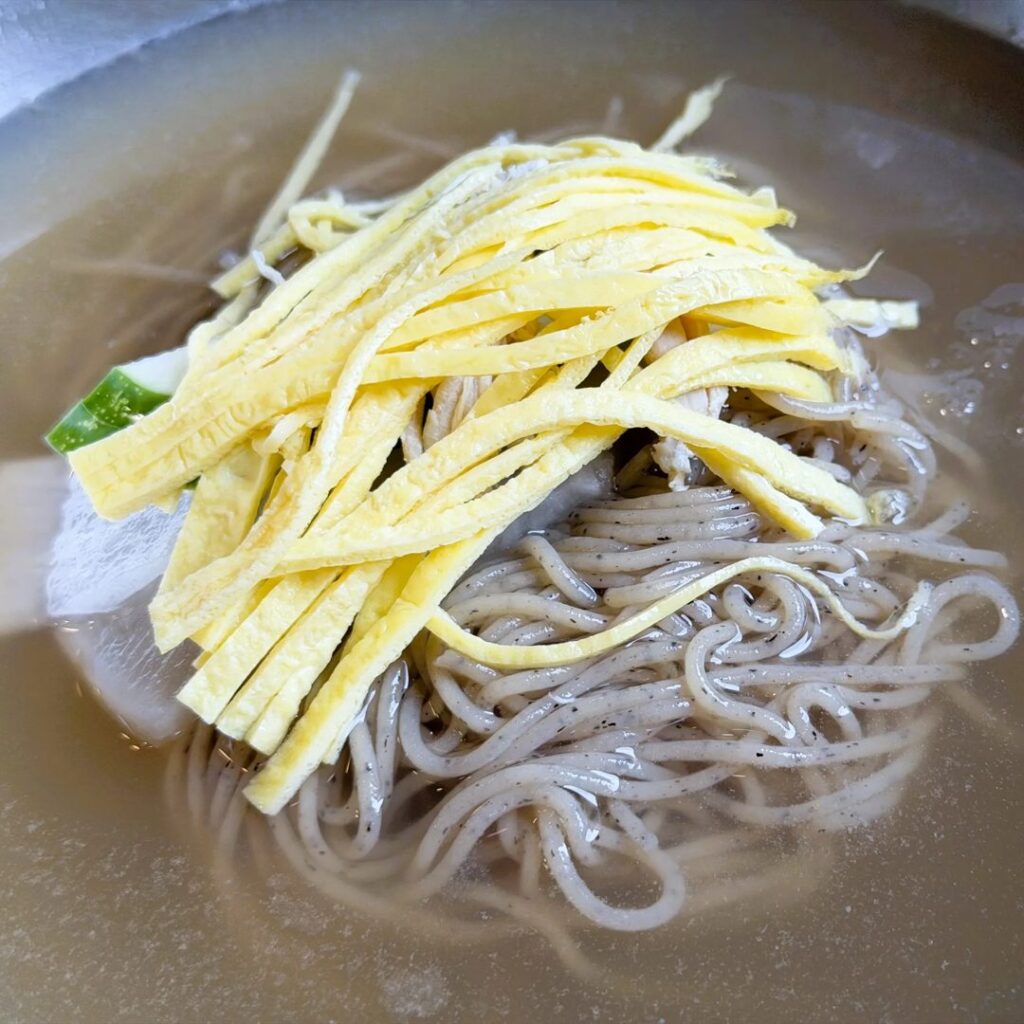
Area: 18 Sinseong-ro 84beon-gil, Yuseong-gu, Daejeon (대전 유성구 신성로84번길 18). More in our Daejeon guide. Naver Map · Original review on Revitguide
Busan Anmyeonok (부산안면옥), Daegu
A name that always comes up for Pyongyang naengmyeon in Daegu. While you wait, a warm cup of beef broth arrives, and it was surprisingly good. The bowl looks neat, topped with sliced beef, a meatball, radish and cucumber; a meatball is unusual in Pyongyang naengmyeon and a nice touch. The broth is not bold at first, but a quiet savoriness builds the more you eat, and I ended up adding an extra serving of noodles and finishing everything.
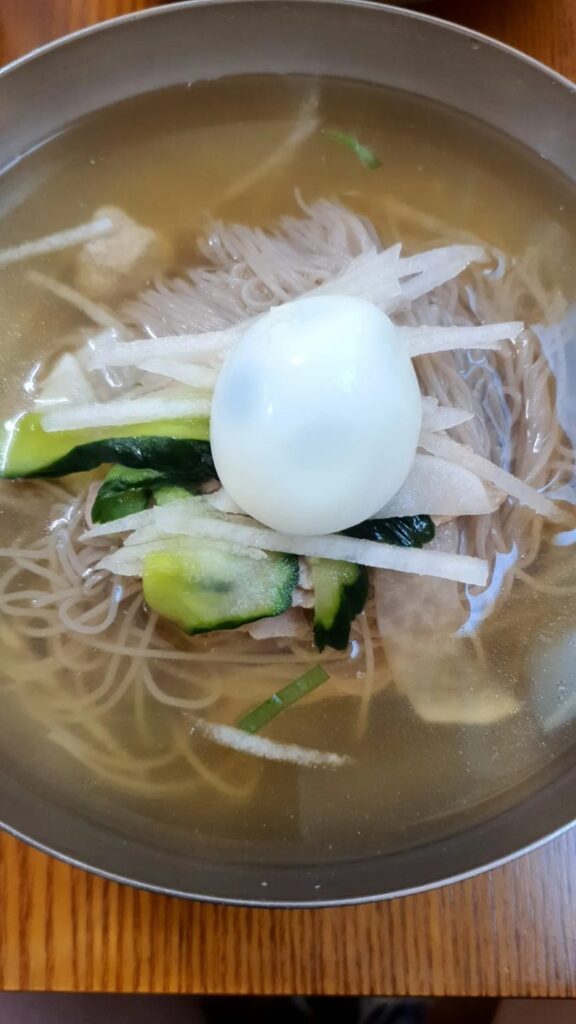
Area: 4-1 Gukchaebosang-ro 125-gil, Jung-gu, Daegu (대구 중구 국채보상로125길 4-1). Naver Map · Original review on Revitguide
Daedong Myeonok (대동면옥), Daegu
Another Daegu standard. It has moved to a larger space with plenty of parking, though I miss a little of the old room’s feel. Warm broth comes first. On this day the bowl tasted a bit saltier than usual, with a stronger herbal note and more cucumber, but as I kept eating it settled into the comfortable, clean depth this place is known for, like a chilled galbitang. The noodles break easily, and most customers were older regulars. I tried mustard and vinegar, but the plain broth was best.
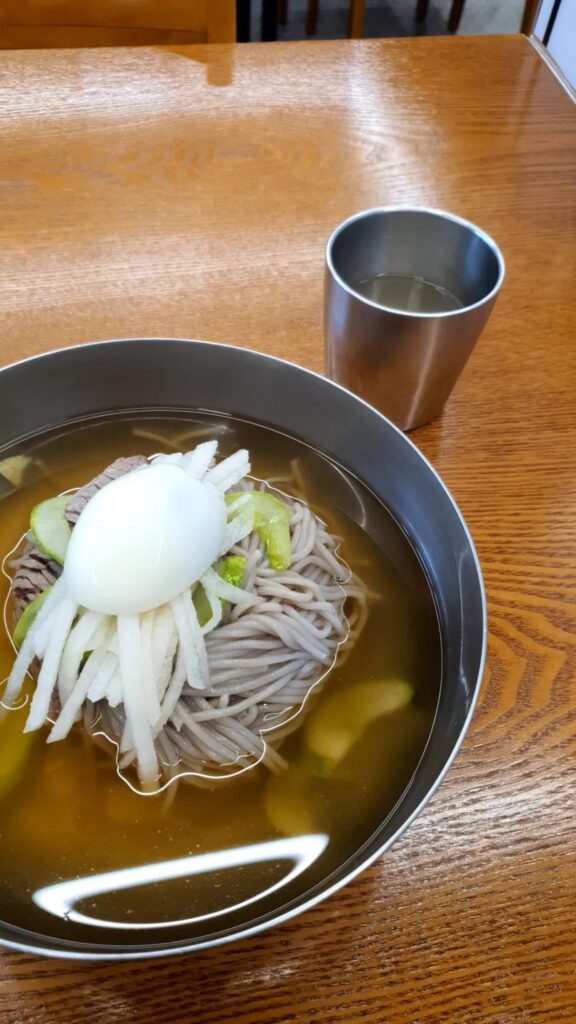
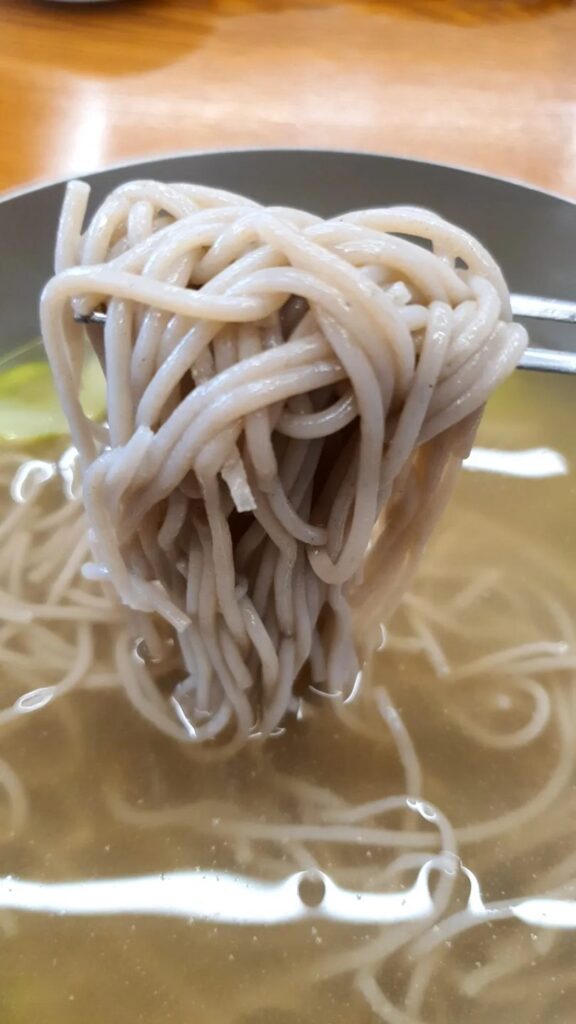
Area: 28 Gukchaebosang-ro 102-gil, Jung-gu, Daegu (대구 중구 국채보상로102길 28). More in our Daegu food guide. Naver Map · Original review on Revitguide
FAQ
What is the difference between Pyongyang naengmyeon and Hamhung naengmyeon?
Pyongyang style uses buckwheat noodles in a clear, cold meat broth and tastes mild. In contrast, Hamhung style uses chewy starch noodles, and cooks usually mix them with a spicy, sweet gochujang sauce.
Is Seoryung in the MICHELIN Guide?
Yes. In fact, Seoryung is a Bib Gourmand in the MICHELIN Guide Seoul 2026, the label for good food at a moderate price.
How long is the wait at Seoryung?
Around an hour on weekdays and two hours or more on weekends, according to 2026 reports. Join the CatchTable waitlist early, as remote sign-up opens at 11:20.
How much does Pyongyang naengmyeon cost at Seoryung?
A bowl of the signature Seoryung sunmyeon costs ₩17,000, the same as the bibim and perilla oil versions.
Is Pyongyang naengmyeon spicy?
No. The broth version is not spicy at all. Instead, it is cold, clear and mild, so add vinegar or mustard only if you want more kick.
We checked prices and hours in November 2026, and they can change. Check Naver Map before you go.