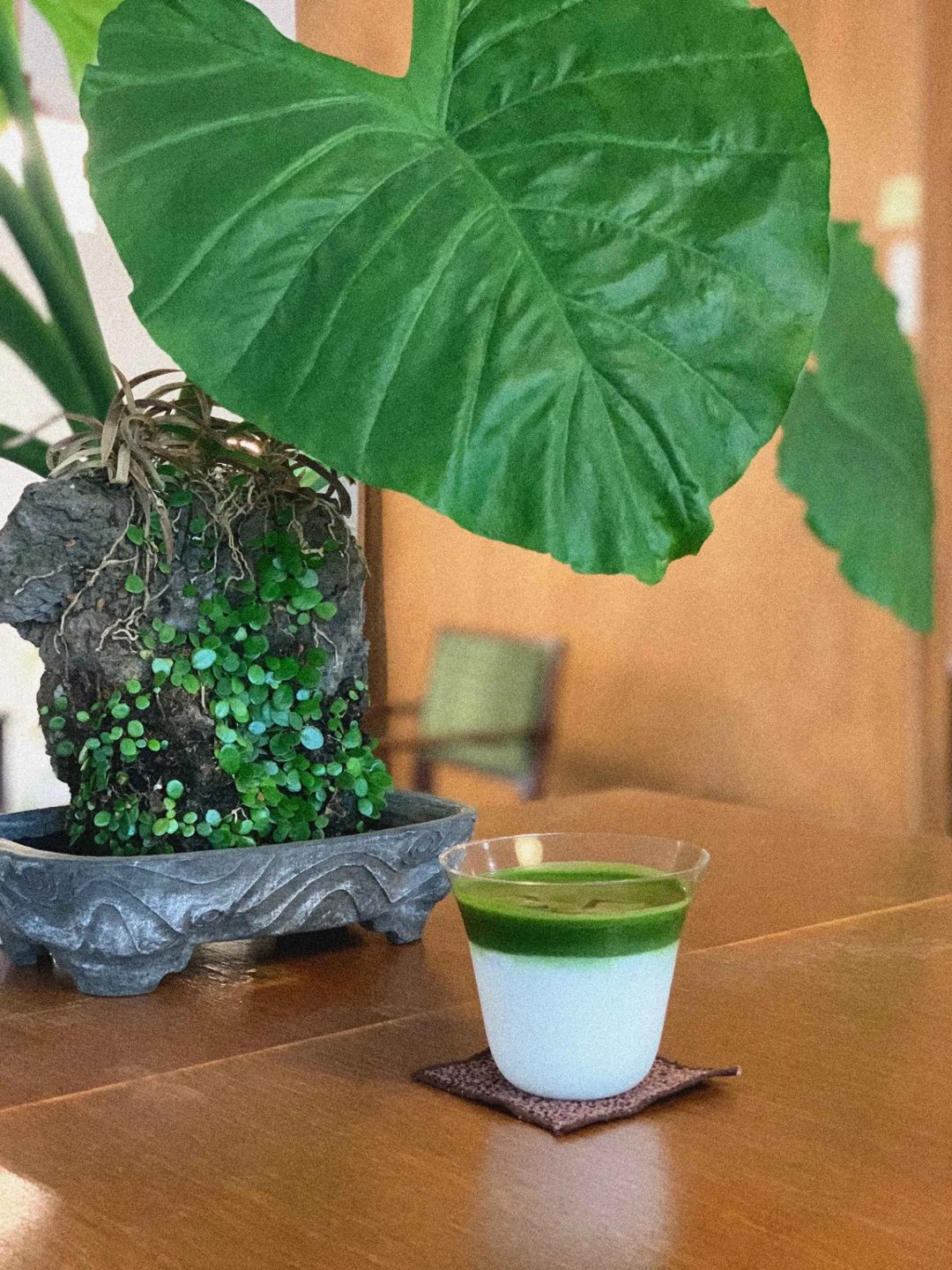
Jeju matcha is having a moment, and the island is also one of the best places in Korea to slow down over a pot of tea. Jeju grows most of the green tea you see in Korean shops, so it makes sense to drink it where it comes from. This guide covers three very different stops: a matcha specialist in old Jeju City, a forest tea library in the west, and a white tea house inside an art space in Jeoji village.
The picks below are adapted from visits by Revitguide reviewer 호미식 (Homisik), who rated each 4 out of 5. You will find a link to each original Korean review in every section.
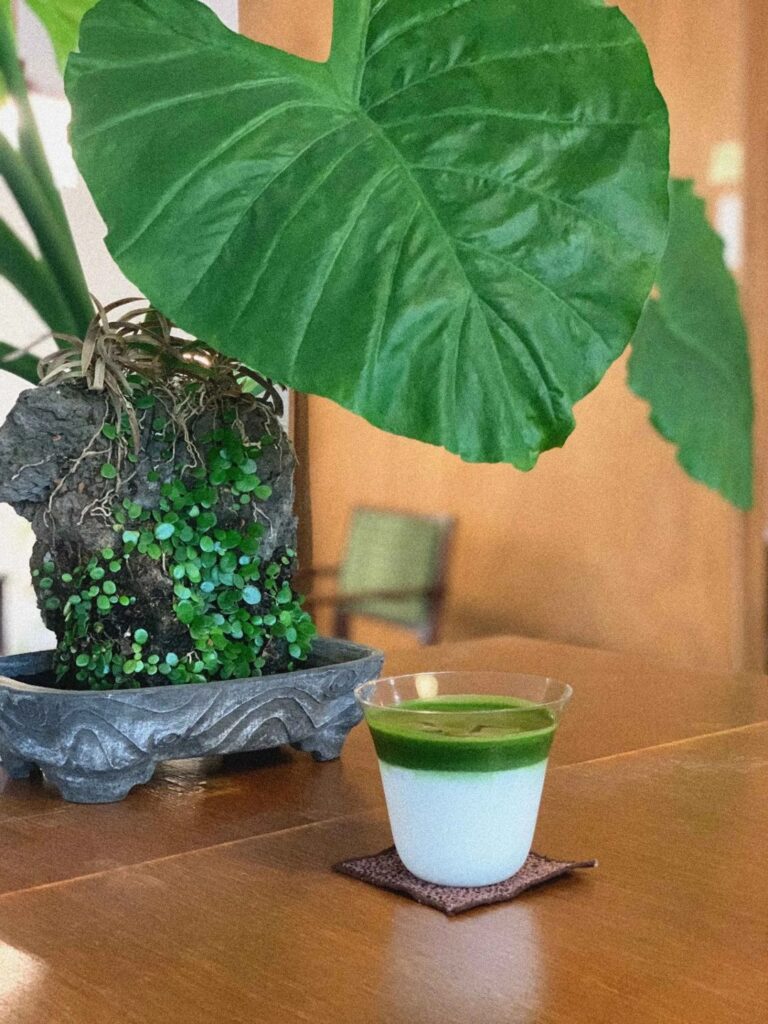
Jeju Matcha and Green Tea: What to Know
Jeju’s tea story is fairly young. OSULLOC, the tea brand of Amorepacific, says its founder Suh Sung-whan started planting tea on barren volcanic land on the island in 1979. The company now runs three Jeju tea farms, including Dolsongi and the famous Seogwang tea fields in the southwest. In fact, the green rows you see in almost every Jeju travel photo are the Seogwang fields.
Next to those fields sits the OSULLOC Tea Museum, which opened in September 2001 as Korea’s first tea museum. Entry is free, and it is open every day from 09:00 to 18:00, with longer hours in summer. It is busy, but it is the easiest way to see the fields, and the tea house sells green tea ice cream and tea drinks. We have not reviewed it here, so treat it as context for your trip rather than a pick.
Jeju matcha, green tea and other teas
Matcha is green tea ground into a fine powder and whisked with water, so you drink the whole leaf. Loose-leaf green tea, on the other hand, is steeped and then strained. Many matcha cafes label their best powder “ceremonial grade,” which simply means the top grade meant for drinking on its own. Besides green tea, Jeju tea houses often serve Chinese teas such as white tea and pu-erh. White tea is very lightly processed, while ripe pu-erh is a fermented, dark tea with an earthy taste.
How to order matcha and tea in Jeju
- Matcha cafes: expect roughly ₩7,000 to ₩9,000 for a matcha drink. Ask how sweet or strong each option is.
- Tea houses: you usually pay per person or per pot, about ₩10,000 to ₩25,000. Staff often show you how to brew, and then you pour for yourself.
- Booking: some tea houses take Naver Booking or CatchTable. Walk-ins are fine at most places, but quiet seats fill up on weekends.
- Getting around: the two tea houses below are in the west and need a car or taxi. Hato Matcha is in Jeju City, so it works on your first or last day.
Jeju Matcha and Tea Spots at a Glance
| Name | Area | What to order | Price paid | Best for |
|---|---|---|---|---|
| Hato Matcha (하토 말차) | Jeju City (Samdo-dong) | Matcha latte, then the unsweetened Hato Matcha Straight | ₩9,000 | Matcha lovers |
| Egattoc Library (에가톳 라이브러리) | Andeok-myeon, Seogwipo (west) | Palace-grade ripe pu-erh | ₩10,000 | A slow, quiet break |
| Yepyeong Jeju (예평 제주점) | Jeoji, Hangyeong-myeon (west) | White tea | ₩15,000 | Learning to brew tea |
1. Hato Matcha (하토 말차): The Jeju Matcha Specialist
“Hato, love one another.” That is the line you meet as you climb the stairs to this second-floor cafe. Funnily enough, after spending some time here, I felt the people working here really suit the name Hato.
For someone like me who loves matcha, it was a very appealing place, both for the matcha and for the people. Its biggest charm is that it knows exactly what matcha lovers want. It is not just a cafe selling a few drinks with matcha in them. Instead, the menu is clearly split into levels, so you can choose how sweet, how strong and how close to the natural taste of matcha you want it.
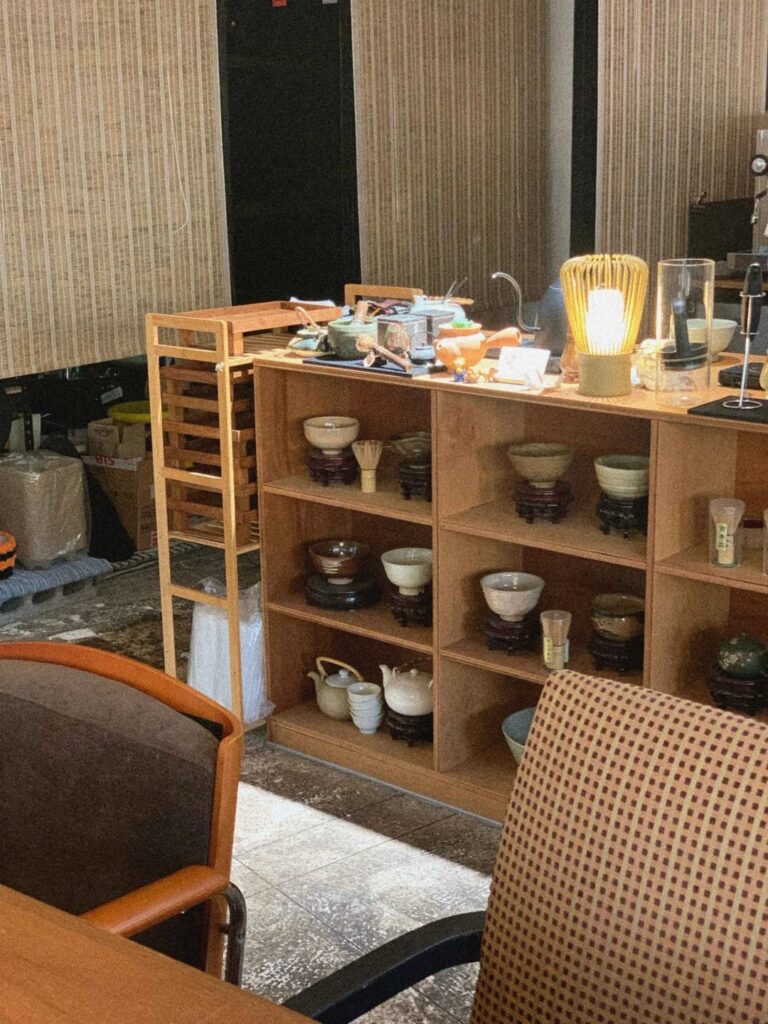
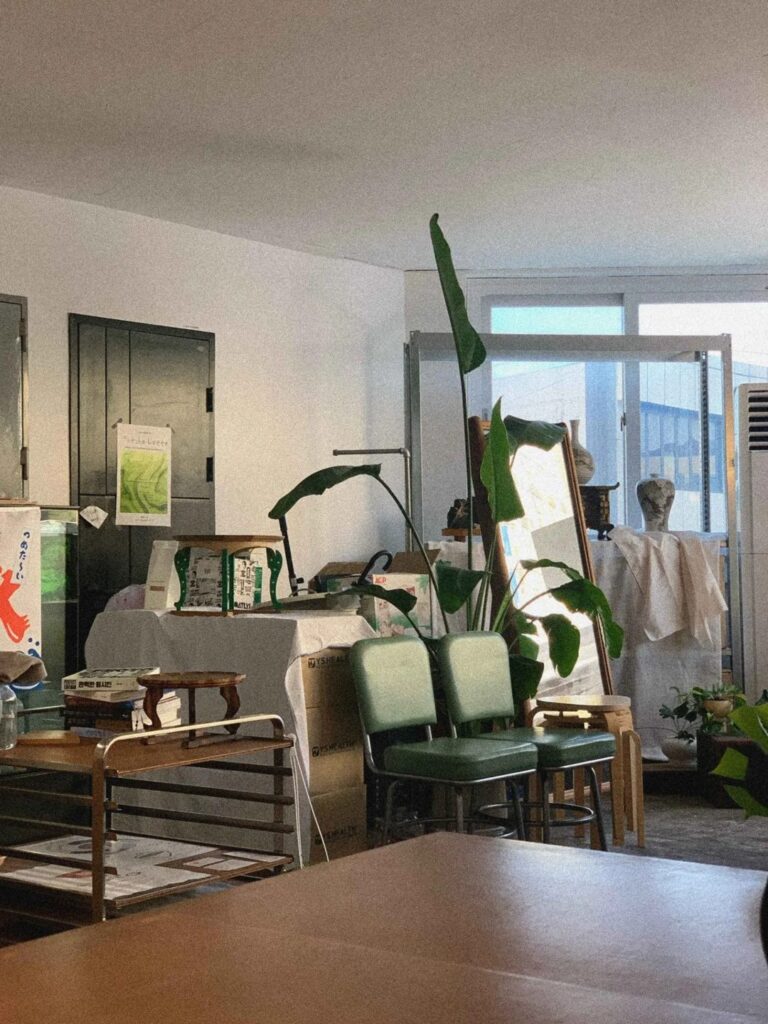
A ceremonial-grade Jeju matcha latte
This time I ordered the most basic drink, the matcha latte. Even the matcha they use is ceremonial grade. After one sip, there was no need to say more about the taste. The bitter flavor unique to matcha is clearly alive, and then a gentle sweetness follows. So it was the perfect cup for a day when you want to fully taste the matcha but still enjoy it a little sweet.
While looking at the menu, I had already picked my next drink. Hato Matcha has steps that go from sweet to more and more bitter. At the very end comes the “Hato Matcha Straight,” with no sugar at all. It is the final boss of this place, so to speak. Next time, I am definitely trying it.
When you love matcha, there are times you want to taste its aroma and bitterness more deeply than any sweetness. Hato seems to already know people with that taste and to be ready for them. That is why “a cafe with a good matcha latte” does not quite describe Hato. It is closer to a place that understands how matcha lovers enjoy matcha. On top of that, the people in the space were warm, just like the name says: love one another.
If you are a true matcha person, I recommend visiting at least once while you are in Jeju. Jeju matcha spot: saved.
Good to know about Hato Matcha
- Address: 2F, 167 Namseong-ro, Jeju-si (제주 제주시 남성로 167 2층), upstairs from Pickup Cafe in the old downtown
- Hours: 10:00 to 19:00, last order around 18:30. One September 2026 visitor reported Sunday closures, while other posts say daily, so check @hato_jeju first.
- Price: I paid ₩9,000. A September 2026 visitor paid about ₩7,000 for the Hato Matcha Straight.
- Parking: visitors suggest a nearby public car park.
- Map: Open in Naver Map
- Original review on Revitguide
2. Egattoc Library (에가톳 라이브러리): A Forest Tea Library
Egattoc is the word “cottage” spelled backward. Apparently they chose the name because they wanted to create a space that feels like a comfortable place to stay, and it really lives up to that meaning. It felt less like a cafe and more like a place where you experience rest itself.
Through the huge windows, I could see nothing but green trees. Even though I was sitting indoors, it felt as if I had walked into a forest. The space was calm, too. There were a few other guests, but we all seemed to share the same mood. Voices naturally got quieter, and a sense of care for each other’s time ran through the whole room.
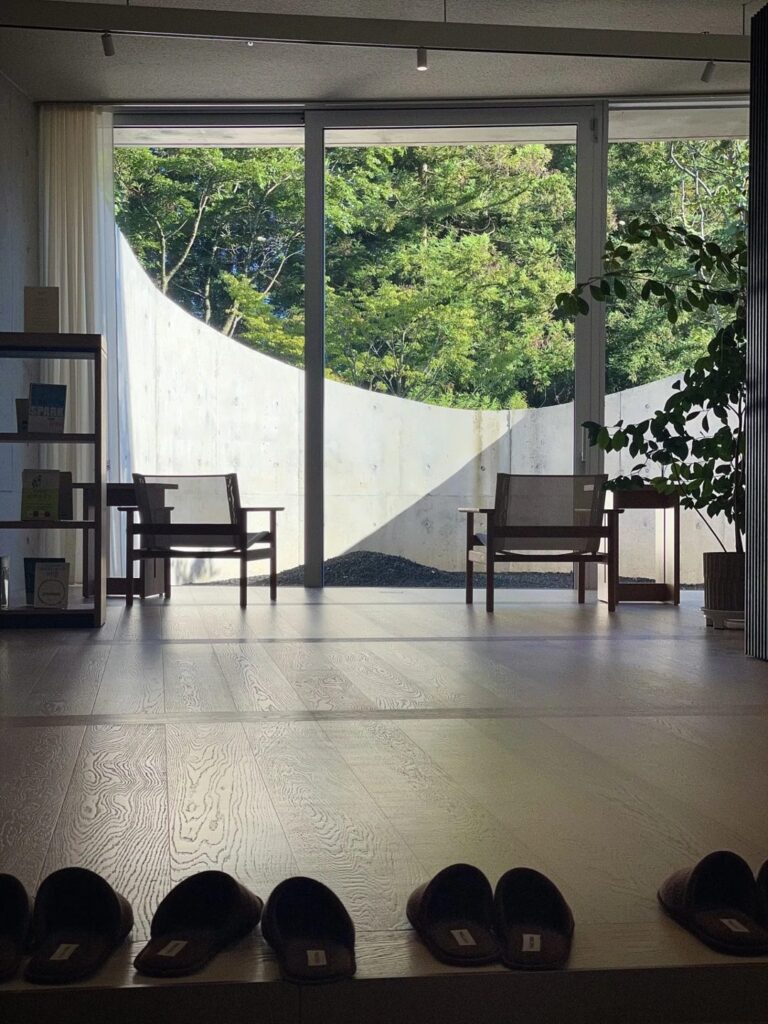
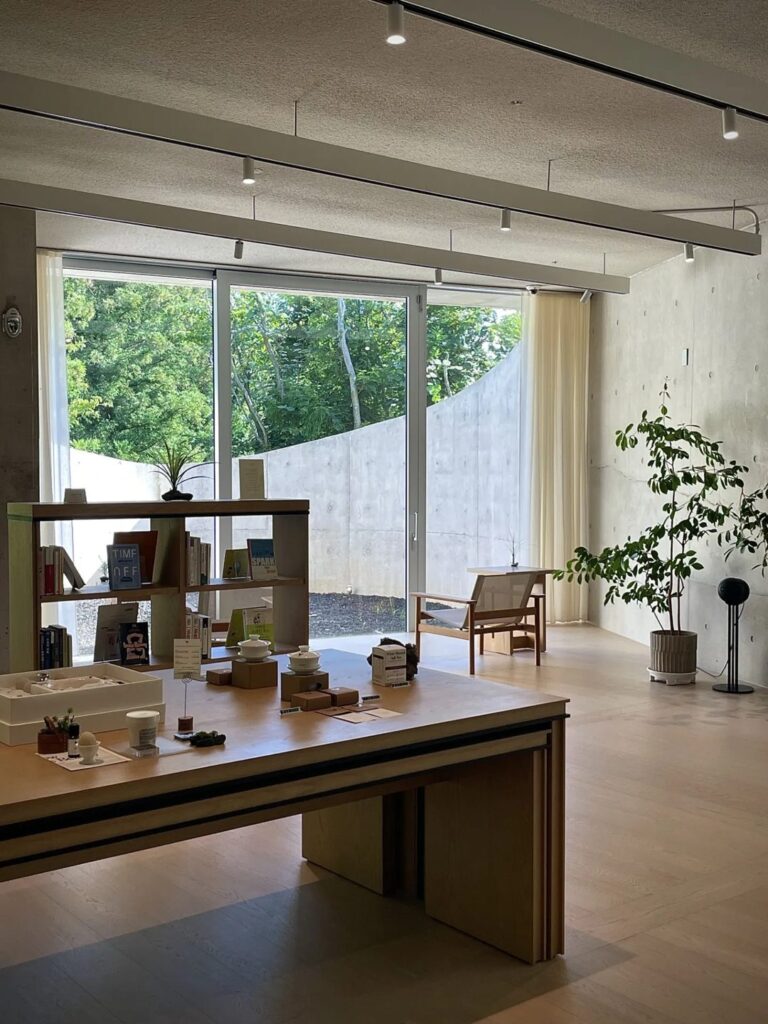
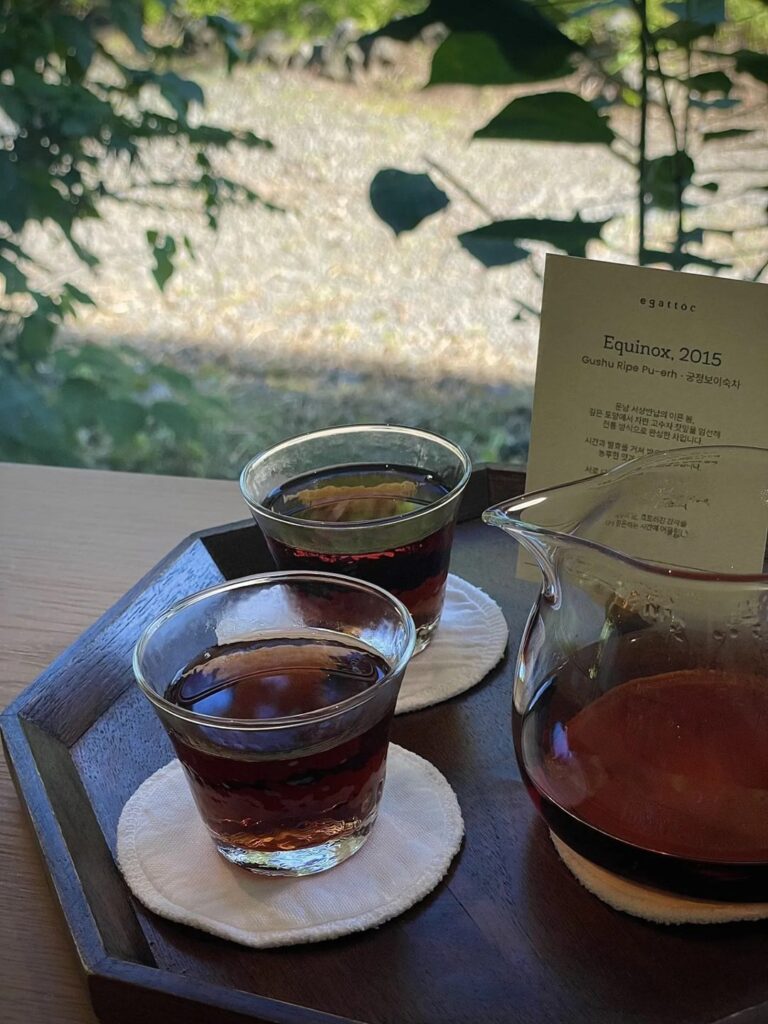
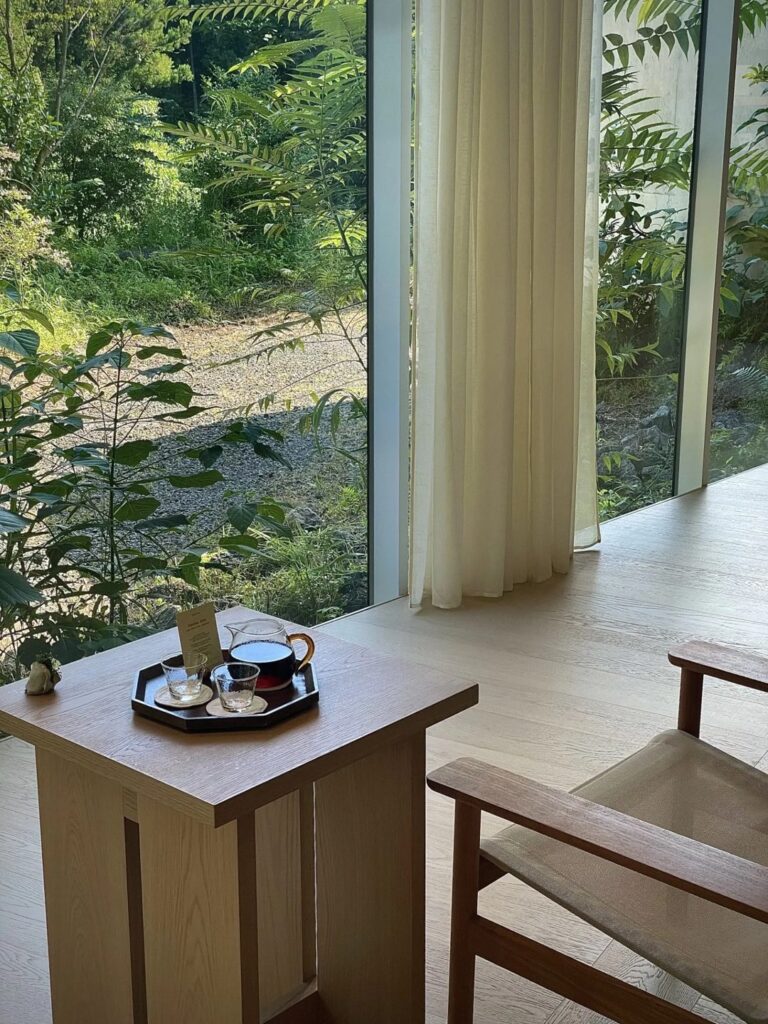
Palace-grade pu-erh and a short nap
At Egattoc I ordered the palace-grade ripe pu-erh. I slowly poured the warm tea for myself, and it was smooth and nutty. After one cup, my body relaxed before my mind did. The chair was comfortable as well, and after a few sips of warm tea my eyes closed on their own.
In the end, I dozed off for a moment. However, that drowsiness felt wonderful. It was not the feeling of falling asleep worn out from travel. Rather, it felt like my tension melted away and my body took a short rest. Perhaps that brief moment explains Egattoc best. It is a place where it is fine to do nothing. You do not have to read a book, and you can simply sip tea and gaze out the window.
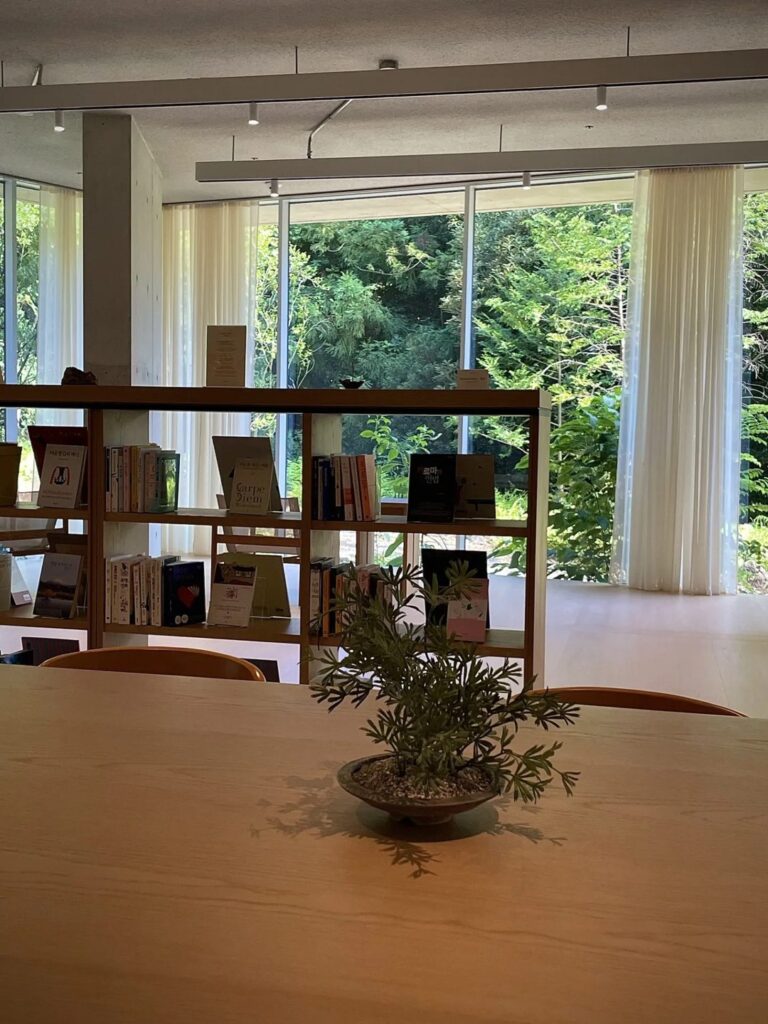
The library shelves hold books on the tea ceremony, meditation and the body and mind, curated to fit the space. Even if you never open a book, you can sense what kind of time the place hopes you will spend there. I think it would be lovely to leave a day free in Jeju and rest at Egattoc for a long time, doing nothing.
I heard they also run a place to stay. After feeling this comfortable in the cafe, I became curious what a night there would be like.
Good to know about Egattoc
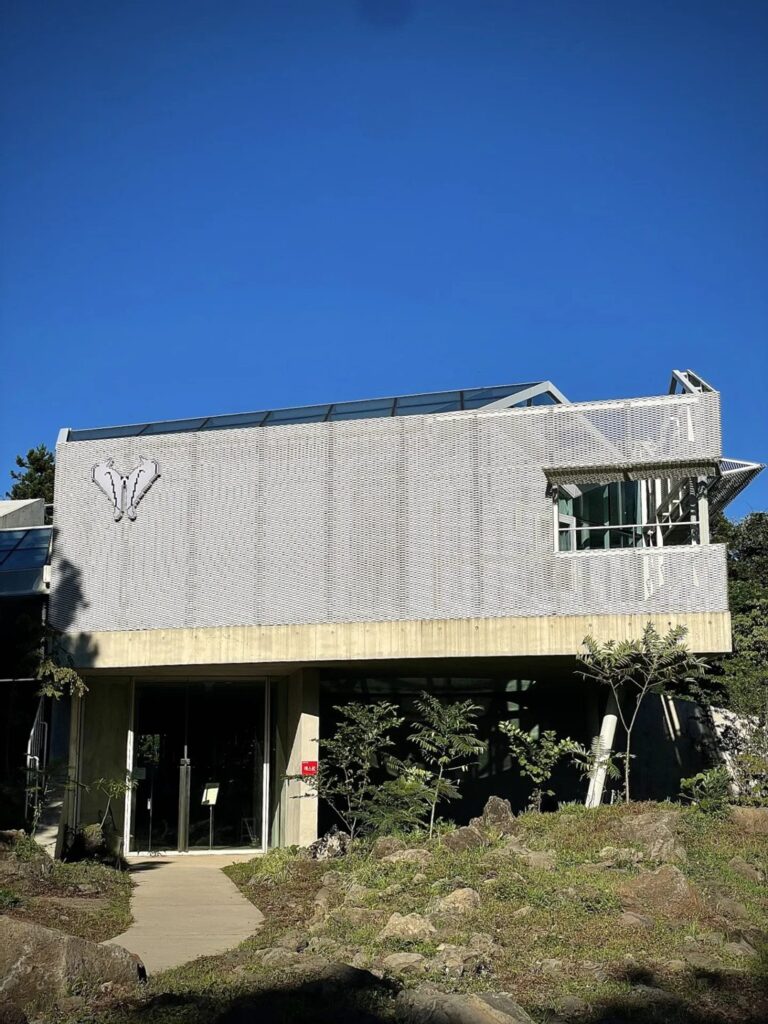
Egattoc is part of a wellness village with 11 standalone cabins, yoga classes and a tea library. According to the company, it sits about 350 meters above sea level on the slopes of Hallasan, and its wellness center was designed by architect Cho Byoung-soo. The official site lists two ways to use the library: a free seat with one drink for ₩10,000, or a booked solo tea seat with your own tea set for ₩25,000 (about 1 hour 50 minutes, at 11:00, 13:00 or 15:00).
- Address: 1F Ga-dong, 266 Byeongak-ro, Andeok-myeon, Seogwipo-si (제주 서귀포시 안덕면 병악로 266 가동 1층), across from Pororo Theme Park, about 500 m uphill from Camellia Hill
- Hours: daily, 11:00 to 17:00 (Naver Place, 2026)
- Booking: walk-ins are welcome. Book the solo tea seat on Naver Booking or CatchTable.
- Kids: Naver lists it as a no-kids zone.
- Map: Open in Naver Map
- Original review on Revitguide
3. Yepyeong Jeju (예평 제주점): White Tea in an Art Space
I drank a lot of coffee in Jeju. So this time I did something a little different and went to Yepyeong for tea. I ordered white tea. I had tried green tea a few times before, but this was my first white tea.
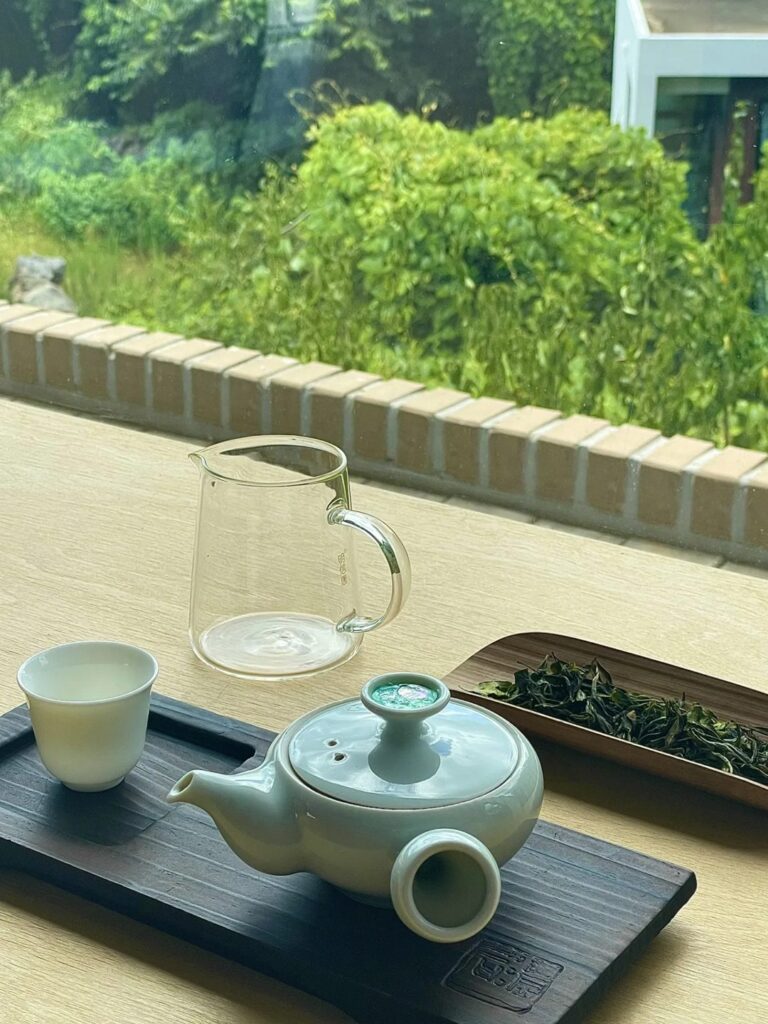
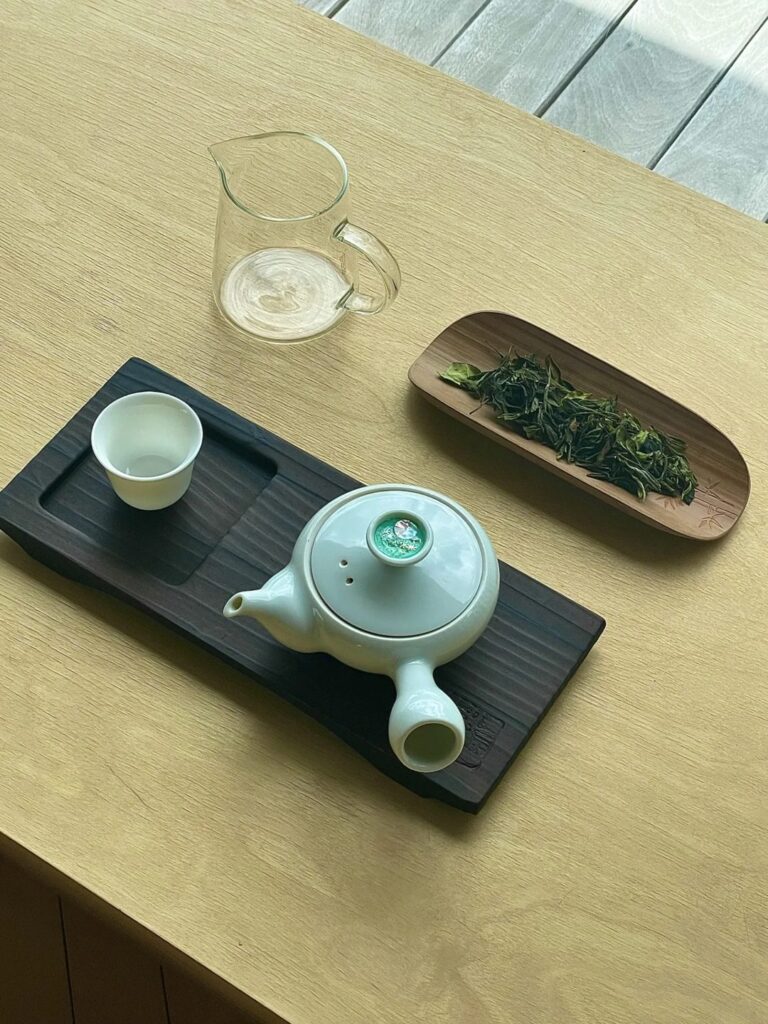
The staff explained step by step how to brew it, and I followed along. Pouring the water, waiting a moment and then filling the small cup felt like an experience in itself.
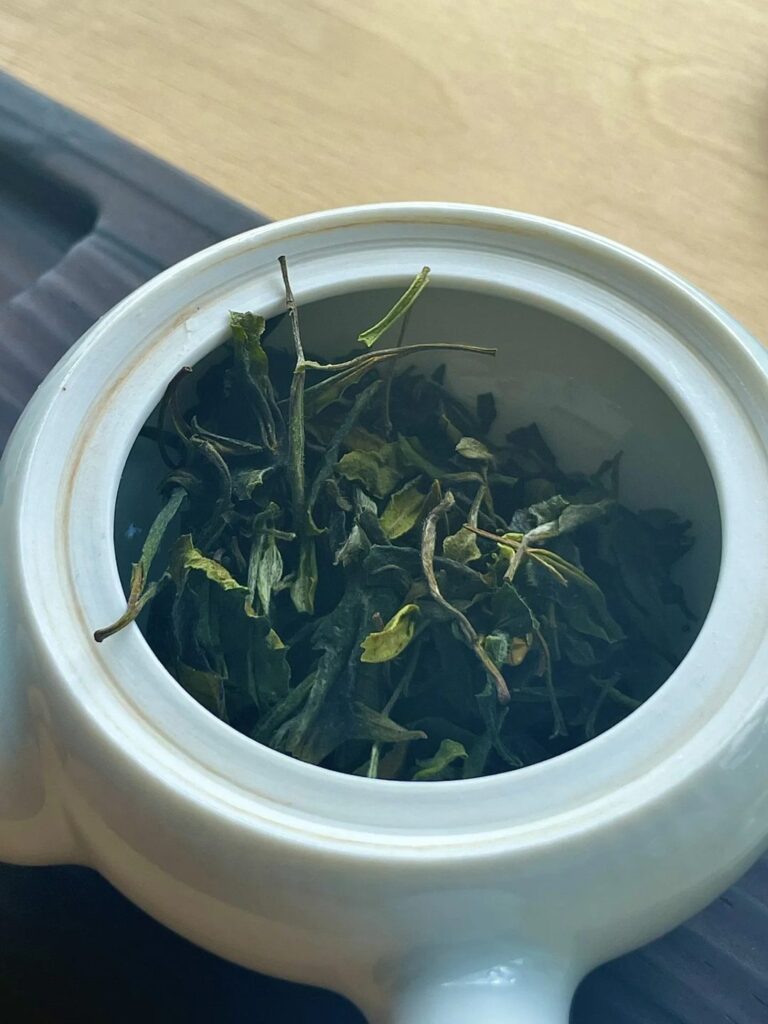
Softer than expected
My first thought after the first cup was, “This is much softer than I expected.” Compared with the slight bitterness of green tea, it was far lighter and more subtle. A floral scent seemed to brush past, and the finish was clean, so I kept drinking without any effort. It was also fun to notice the taste changing a little over time.
At Yepyeong, though, the space stays in your memory even more than the tea. Since it sits inside an art space, the whole mood is neat and restrained. The green view through the big windows spreads out like a framed picture, and natural light falls softly into the room.
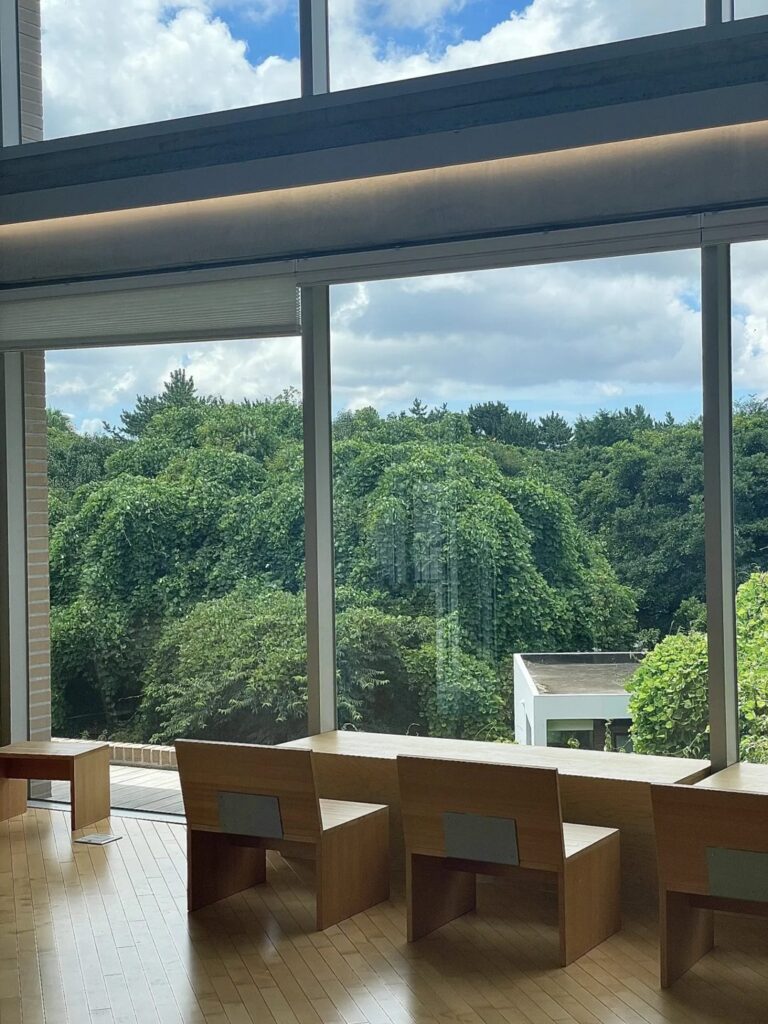
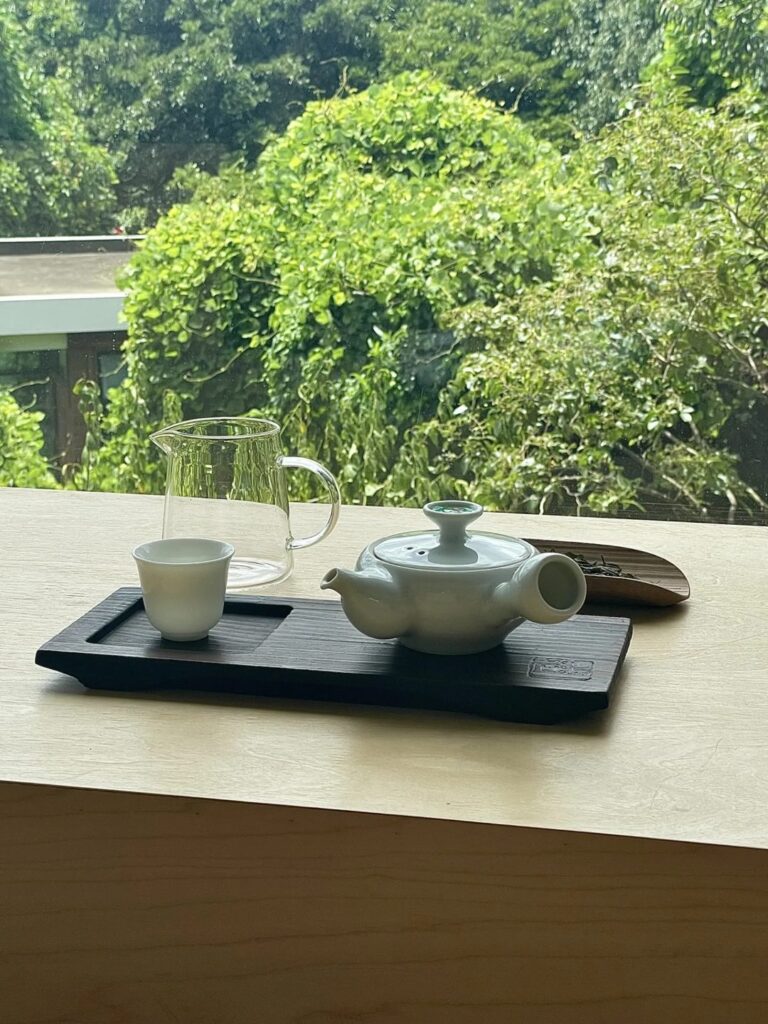
Unlike when I drink coffee, I did not look at my phone or rush. Instead, I just looked out the window and slowly emptied a cup of tea. Jeju has plenty of places to rest, but Yepyeong has a slightly different feel. It is not a cafe you drop into between sights. Rather, it is a place you want to clear time for on purpose. Drinking white tea and doing nothing, I felt for the first time in a while how comfortable that can be.
Next time I want to try a different tea. I do not know much about tea, but in this space I think any tea I order would become a good memory.
Good to know about Yepyeong
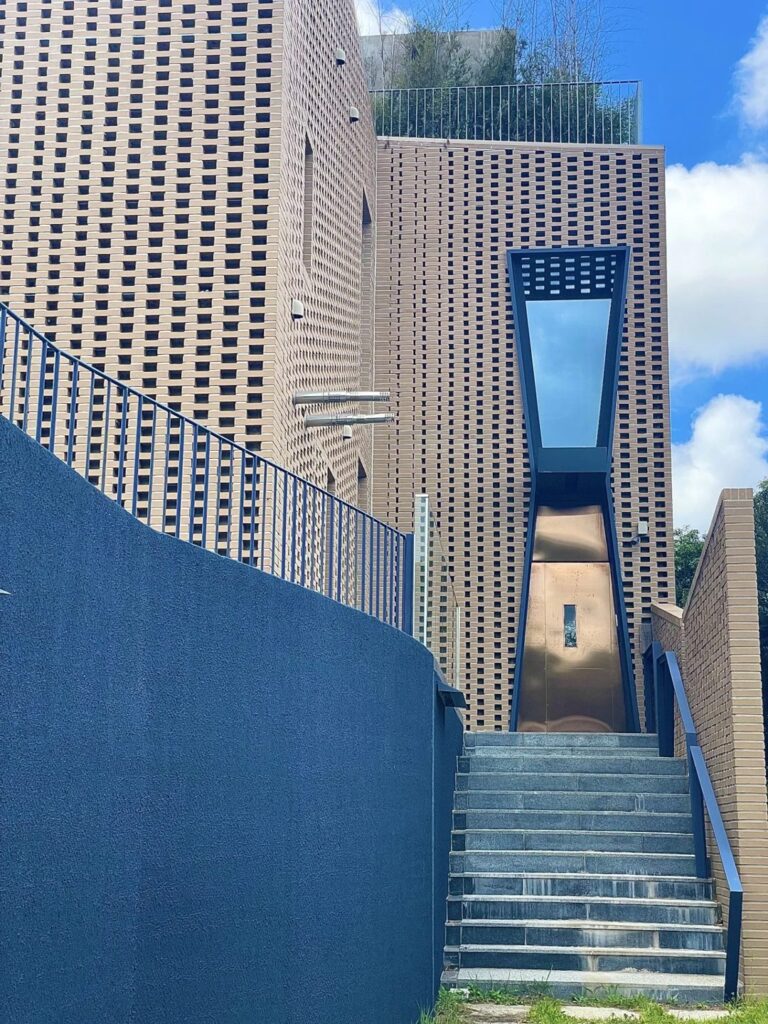
Yepyeong is a white tea specialist based in Itaewon, Seoul, with branches in Bundang and Jeju. The Jeju branch works with the Seobo Art and Culture Space Jeju in Jeoji Culture and Art Village. A visitor in 2026 reported a monthly lineup of five teas, usually two Korean teas and three or four Chinese teas.
- Address: 2F, 23-4 Jeoji 14-gil, Hangyeong-myeon, Jeju-si (제주 제주시 한경면 저지14길 23-4 2층)
- Hours: closed Mondays. Recent posts list 11:00 to 18:00 on weekdays and until 19:00 on weekends, but hours have changed before, so check Naver Map.
- Price: I paid ₩15,000.
- Parking: available at the building.
- Map: Open in Naver Map
- Original review on Revitguide
Tips for a Jeju Matcha and Tea Day
- Plan a west-side tea loop. The OSULLOC Tea Museum and Egattoc are both in Andeok-myeon, and Yepyeong is in nearby Hangyeong-myeon. You can easily combine them in one day by car.
- Start or end in Jeju City. Hato Matcha is in the old downtown, so it fits well before a flight.
- Go slow. The tea houses are built for long, quiet visits. Keep your voice low and your phone away.
- Check hours on the day. Small Jeju cafes often post schedule changes on Instagram.
Want more of Jeju? Browse all our Jeju food guides. If you are in Seoul first, our Ikseon-dong food guide and Seongsu-dong food guide cover great cafe neighborhoods, and our best Korean restaurants in Seoul list covers the meals in between.
FAQ
Where can I drink matcha in Jeju?
For a matcha specialist, try Hato Matcha in Jeju City, which uses ceremonial-grade matcha and lets you choose how sweet your drink is. The OSULLOC Tea Museum tea house near the Seogwang tea fields also serves green tea drinks and ice cream.
Is the OSULLOC Tea Museum free?
Yes. Entry is free, and it is open every day from 09:00 to 18:00, with longer hours in summer. It sits at 15 Sinhwayeoksa-ro, Andeok-myeon, next to the Seogwang tea fields.
Do I need to book Egattoc Library?
No, walk-ins are welcome for a free seat with one drink. However, if you want the solo tea seat with your own tea set, book ahead on Naver Booking or CatchTable.
What is white tea?
White tea is a very lightly processed tea. The leaves are picked and dried with little else done to them, so the taste is soft and subtle compared with green tea.
How much does tea cost in Jeju?
A matcha drink costs about ₩7,000 to ₩9,000. At tea houses, expect roughly ₩10,000 to ₩25,000 per person, depending on whether you book a full tea seat.
We checked prices and hours in November 2026, and they can change. Check Naver Map before you go.