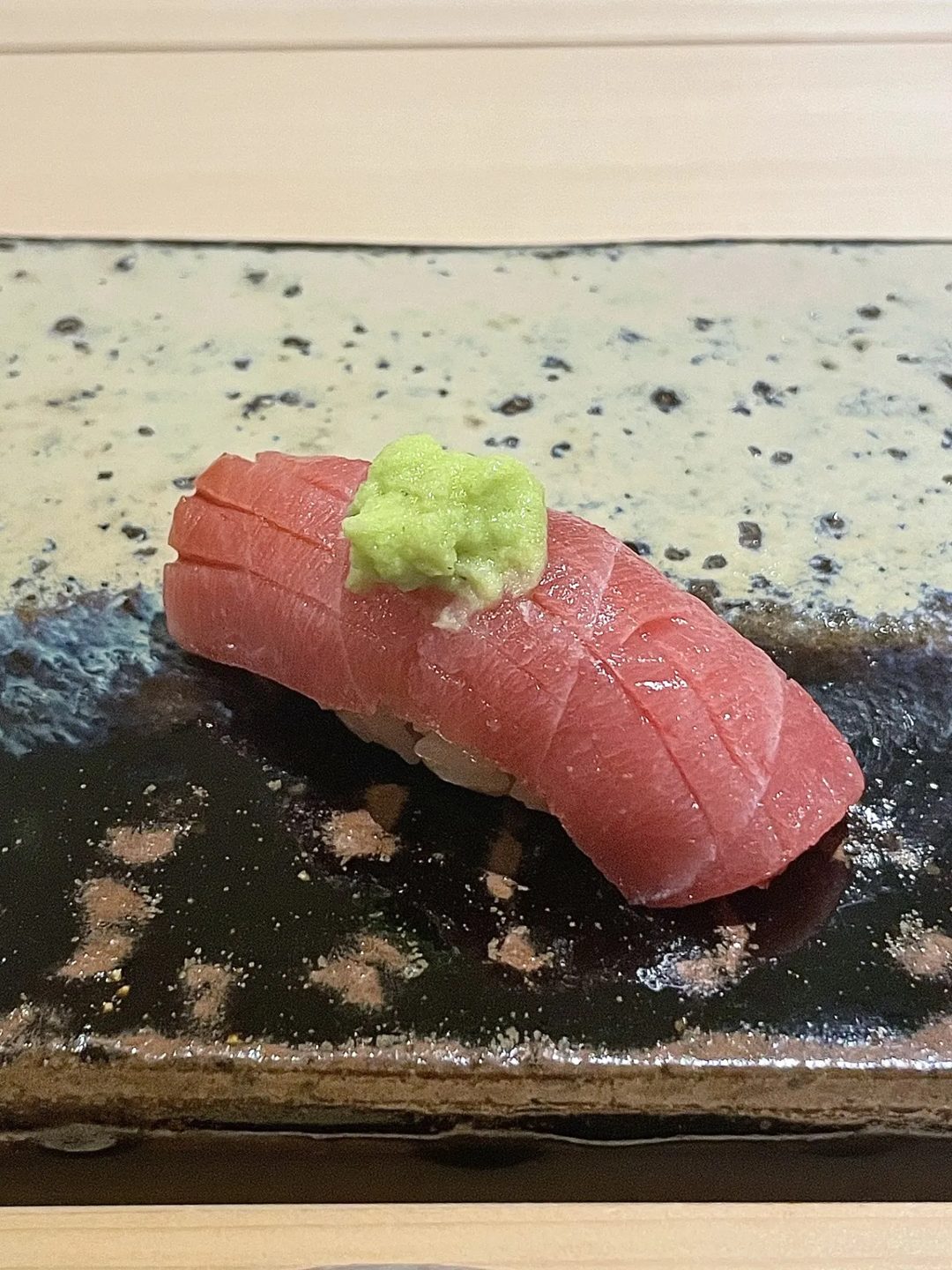
Looking for omakase Seoul counters that are worth a second booking? These three sushi bars are the ones I went back to: Mizuumi in Gunja, Sushi Sou in Cheongdam and Sushi Siryu near Apgujeong Station. All three serve Edomae-style sushi omakase, and all three sit in the middle to upper price band, from ₩140,000 for dinner at Mizuumi to ₩190,000 at Siryu.
The picks below are adapted from visits by Revitguide reviewer 호미식 (Homisik), who rated each 4 out of 5. Each section links to the original Korean review on Revitguide.
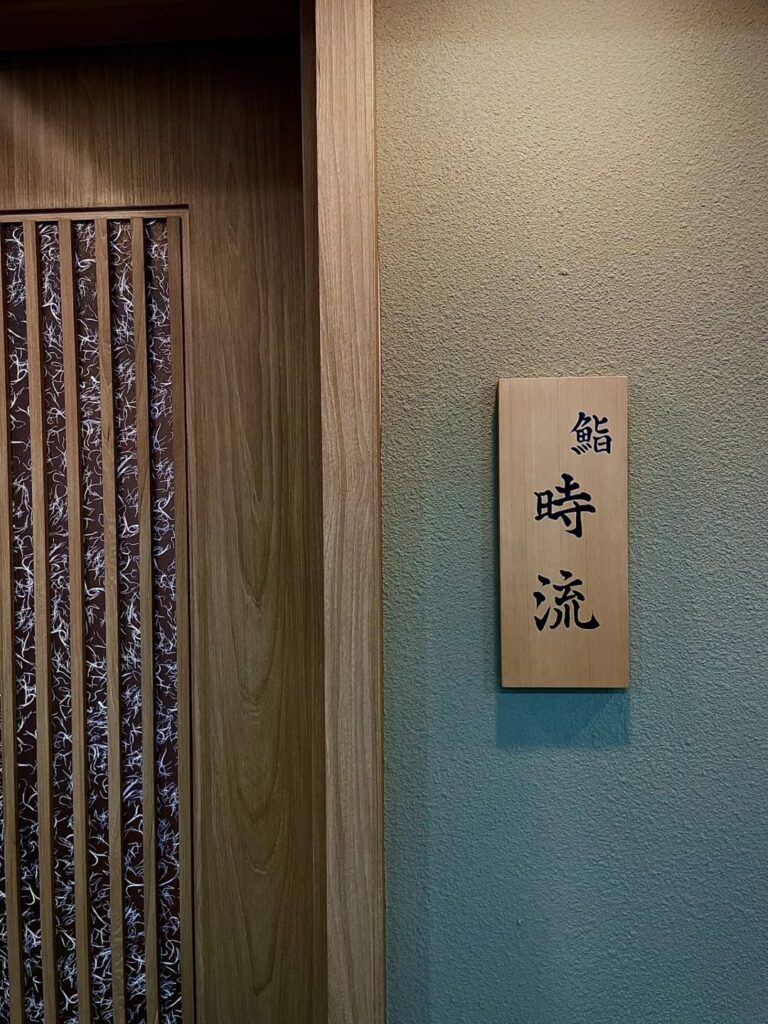
In Japanese they are written みずうみ (Mizuumi), 蒼 (Sou) and 鮨 時流 (Siryu). In Korean: 미즈우미, 스시 소우 and 스시 시류.
What to Know Before You Book Omakase in Seoul
Omakase means “I leave it to you.” You sit at the counter, and the chef serves a set course. First, it usually starts with tsumami, small cooked or raw dishes, and then moves on to nigiri, one piece at a time. At most sushi counters the course ends with tamago (a sweet egg omelette), a soup and a small dessert.
Seoul has a huge sushi omakase scene. Locals often split it into high-end counters and “middle-tier” counters, which cost less but still use serious fish. All three places here fall in that middle to upper band. In general, lunch is cheaper than dinner, although at Siryu the lunch and dinner course are the same.
- Booking: For omakase Seoul bookings, most counters use the CatchTable app, which has an English version. Popular counters fill up as soon as new dates open, so set a reminder.
- Timing: The whole counter usually starts at once. Arrive a few minutes early, because a late start affects everyone.
- Eating: Eat each nigiri soon after it is served, while the rice is still at the right temperature. Hands or chopsticks are both fine.
- Allergies: Tell the restaurant when you book, not when you sit down.
- Drinks: Many counters allow corkage for a fee. Check the rules on CatchTable first, because some limit what you can bring.
Omakase Seoul Picks at a Glance
| Counter | Area | What to order | Price I paid | Best for |
|---|---|---|---|---|
| Mizuumi (미즈우미) | Gunja, Gwangjin-gu | Dinner omakase | ₩140,000 / ₩150,000 (dinner) | Rich tsumami and warm hospitality |
| Sushi Sou (스시 소우) | Cheongdam, Gangnam-gu | Lunch omakase | ₩160,000 (lunch) | Red vinegar rice and a calm room |
| Sushi Siryu (스시 시류) | Sinsa-dong, Gangnam-gu | Omakase (same course at lunch and dinner) | ₩190,000 | Bold flavors and tuna |
1. Mizuumi (미즈우미): Omakase Seoul Fans Talk About
Mizuumi is the counter of Chef Jang Ho, who was known for Hatsuho in Yeouido before he opened here. It sits in the basement of the G Tower building, connected to Gunja Station. I went twice, in June and November 2026.
First visit: just as everyone said
Mizuumi was the place that kept getting rave reviews on Revitguide, one after another. I really wanted to go, and a fellow Revitguide reviewer booked a table for three, so I got to join.
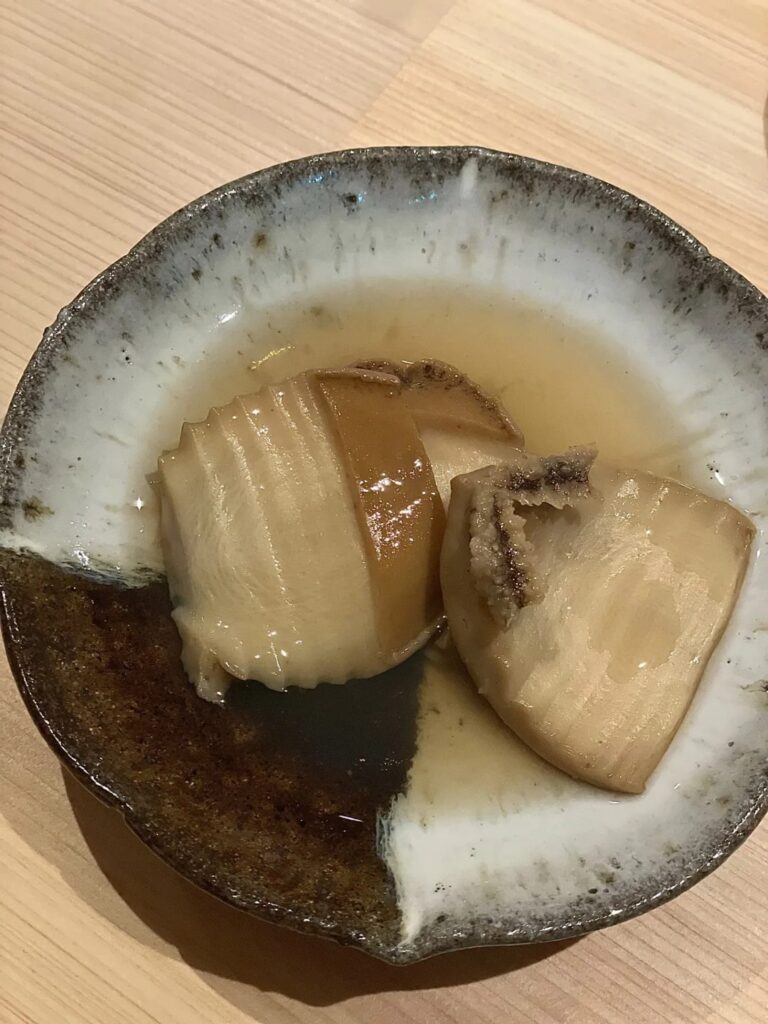
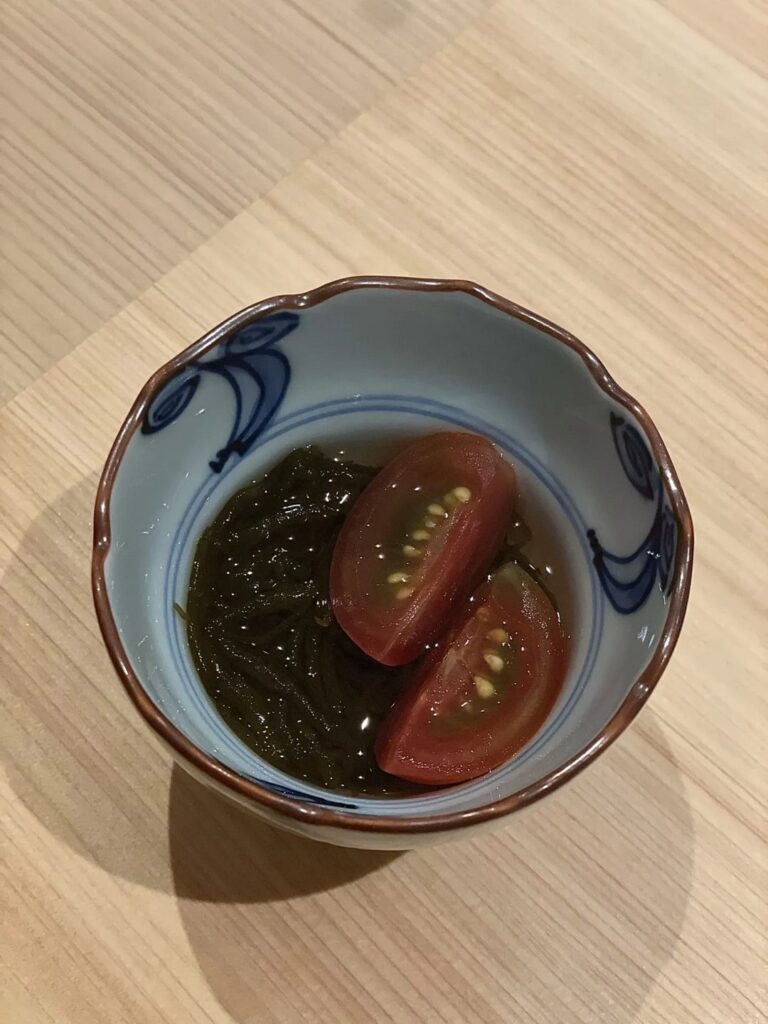
The tsumami were intense from the start. I wondered, “Is the chef planning to finish us off with the tsumami alone?” The course was that generous and dense. I was a little full before the sushi even started. You could feel real thought and many different ideas behind each dish. The tsumami were a joy for the eyes and the mouth.
In fact, the tsumami had such a strong presence that I wondered if I could still enjoy the sushi properly. Then a palate cleanser arrived midway, and that worry disappeared. Thanks to it, I enjoyed the sushi that followed in a very good mood.
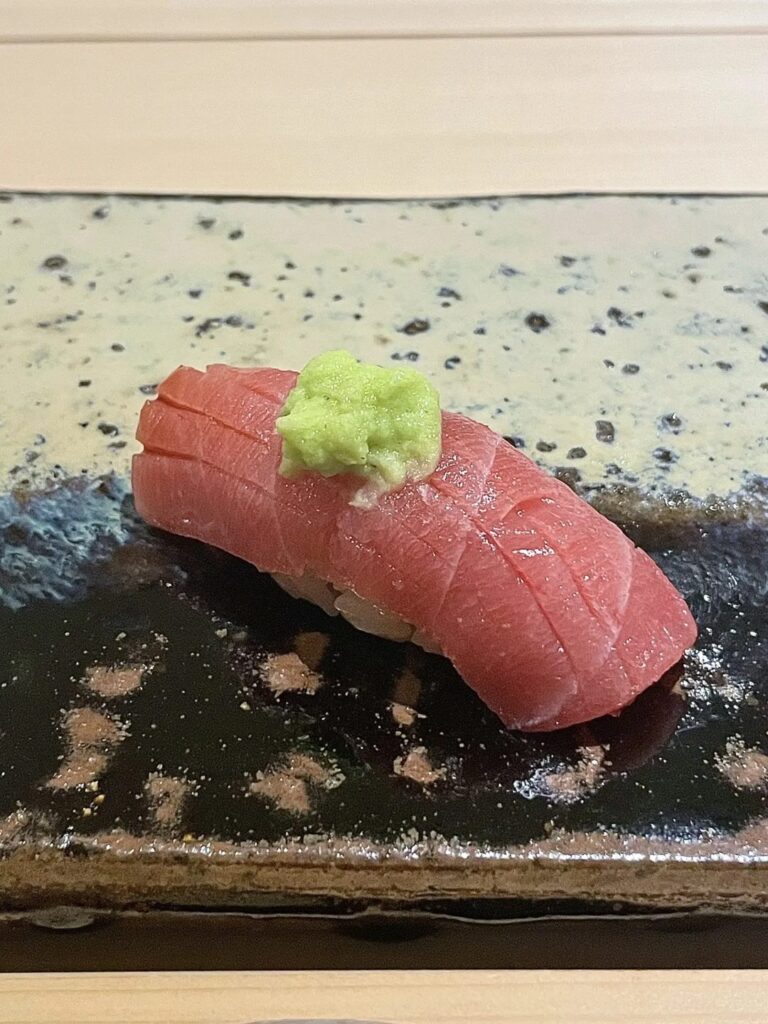
In addition, the fish was excellent. Nothing felt off, and every piece was clean and delicious. The space also stood out. The interior was neat, and so were the tableware and even the counter we touched with our hands, as if it had been prepared fresh that day. The careful character of the chef and the manager came through in those details. I fully understood why people keep talking about Mizuumi on Revitguide. Original review on Revitguide (June 2026)
Second visit: a blessing for Gunja
How many places put you in a good mood the moment you walk in? On my second visit, Mizuumi was once again one of them. The service is attentive without being too much. They quietly take care of things at just the right moments, so I could enjoy the meal without any gaps.
This time, I noticed things I had missed on the first visit, and I understood a little better why Mizuumi is Mizuumi. Nothing in the food fell short. On the first visit the course pushed hard from the tsumami onward, and I liked that. This time the balance was better, closer to a flow that builds flavor one plate at a time. Because of that, the nigiri made a bigger impression.
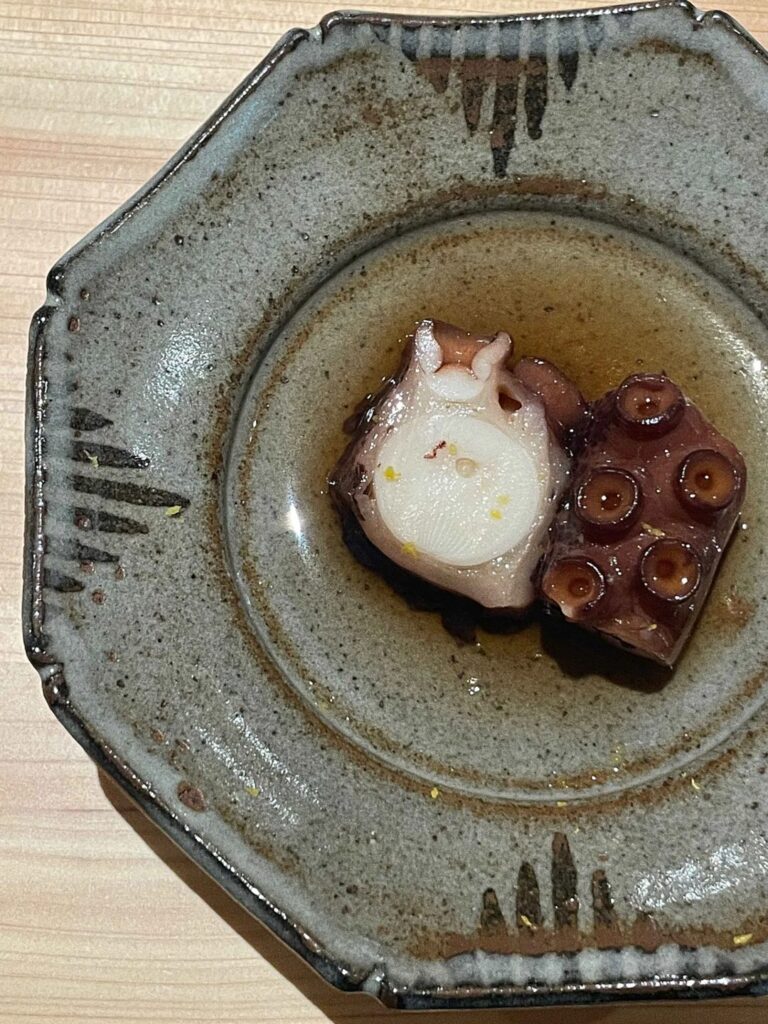
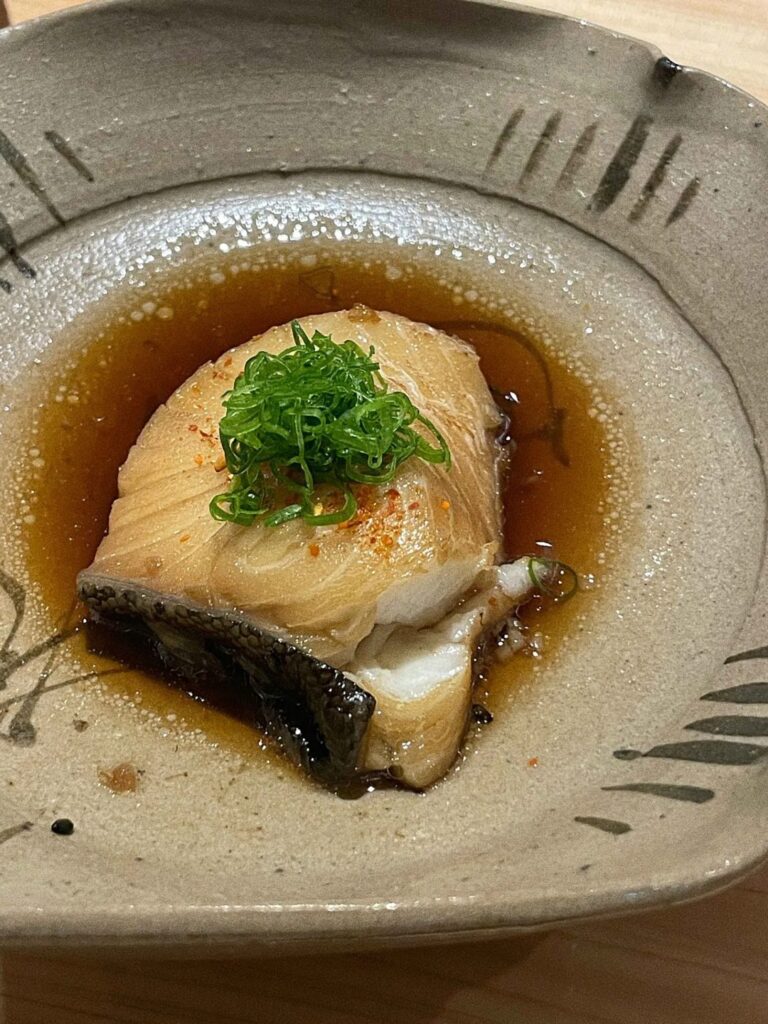
For example, among the tsumami, the octopus and the braised black cod stayed with me most. Also, the tempura came out at just the right temperature to eat, and small details like that show the chefs’ skill clearly. In the nigiri, the herring was the most impressive piece of the night. The tamago at the end was delicious again on a second try.
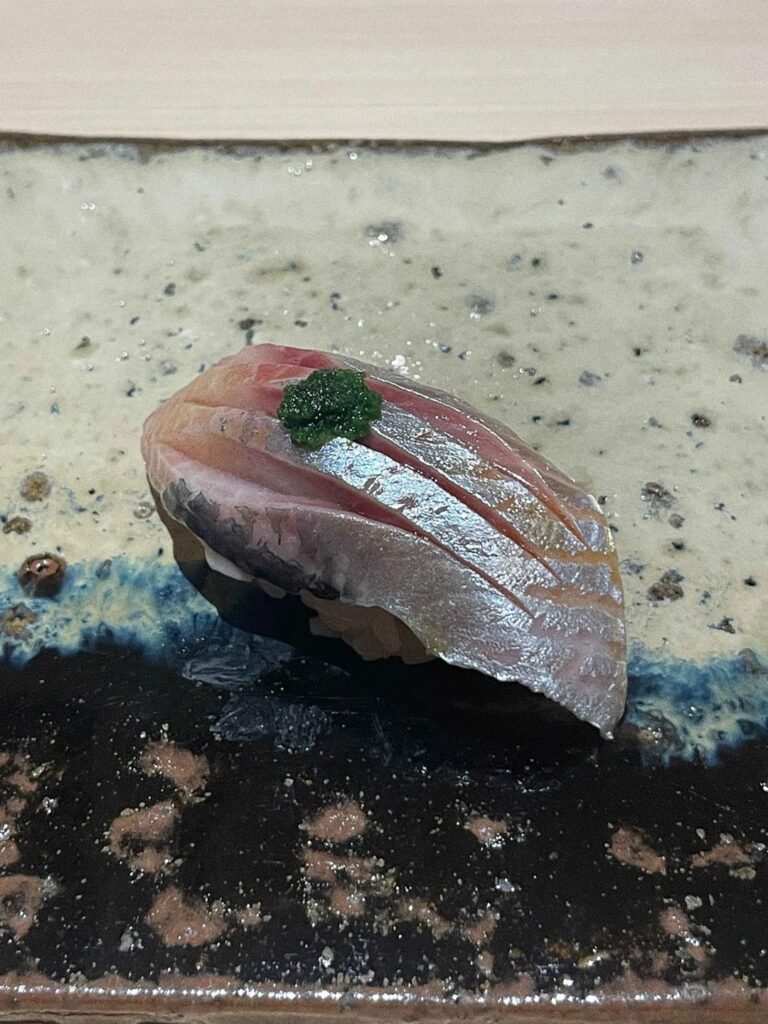
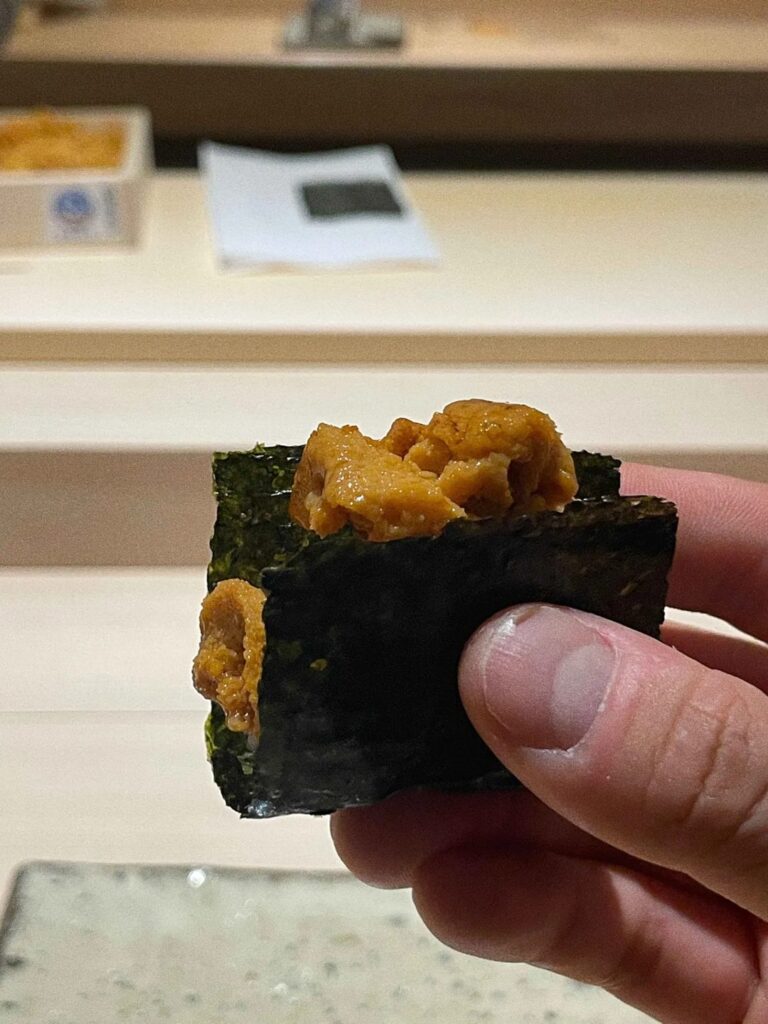
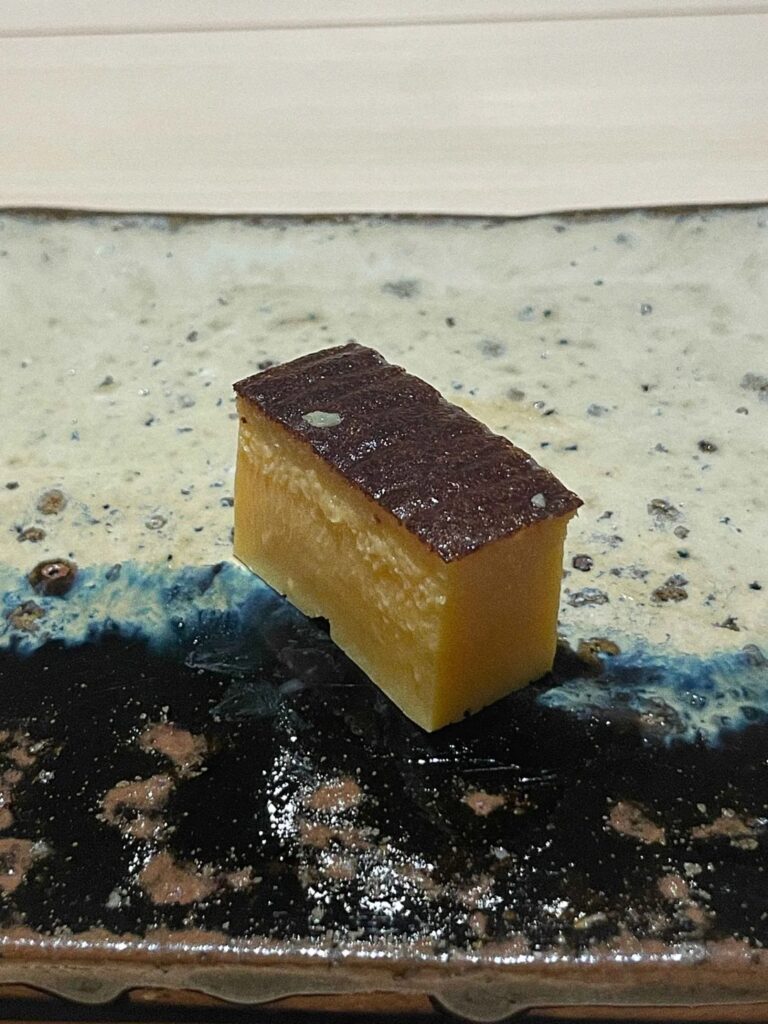
Mizuumi does not chase bold experiments. Instead, it serves food that 99 out of 100 people will find clearly delicious. However, it does not settle for an ordinary or common taste. Finding the exact point between those two is real skill, I think, and it explains why Mizuumi is so popular. I want to go back as soon as I can. Original review on Revitguide (November 2026)
Mizuumi: Address, Hours and Booking
- Address: B1, G Tower, 549 Cheonho-daero, Gwangjin-gu, Seoul (서울 광진구 천호대로 549 지타워 지하1층)
- Station: Gunja Station (Lines 5 and 7). The building connects to the station.
- Hours: Dinner only, one seating at 19:00 according to recent visitors. Closed Sundays.
- Price: CatchTable lists the dinner omakase at ₩140,000. I paid ₩140,000 in June and ₩150,000 in November 2026.
- Booking: CatchTable.
- Map: Open in Naver Map
2. Sushi Sou (스시 소우): The Lunch Omakase I Remember Most
Sushi Sou is the newer counter of Chef Jo Byeong-gon, who trained at Sushi Cho, the sushi restaurant of the Josun Hotel, and later ran Goni. Sou opened in Cheongdam in late 2025, in a basement below Tartine Bakery near Apgujeong Rodeo Station. Its signature is shari (sushi rice) seasoned with red vinegar, called akazu.
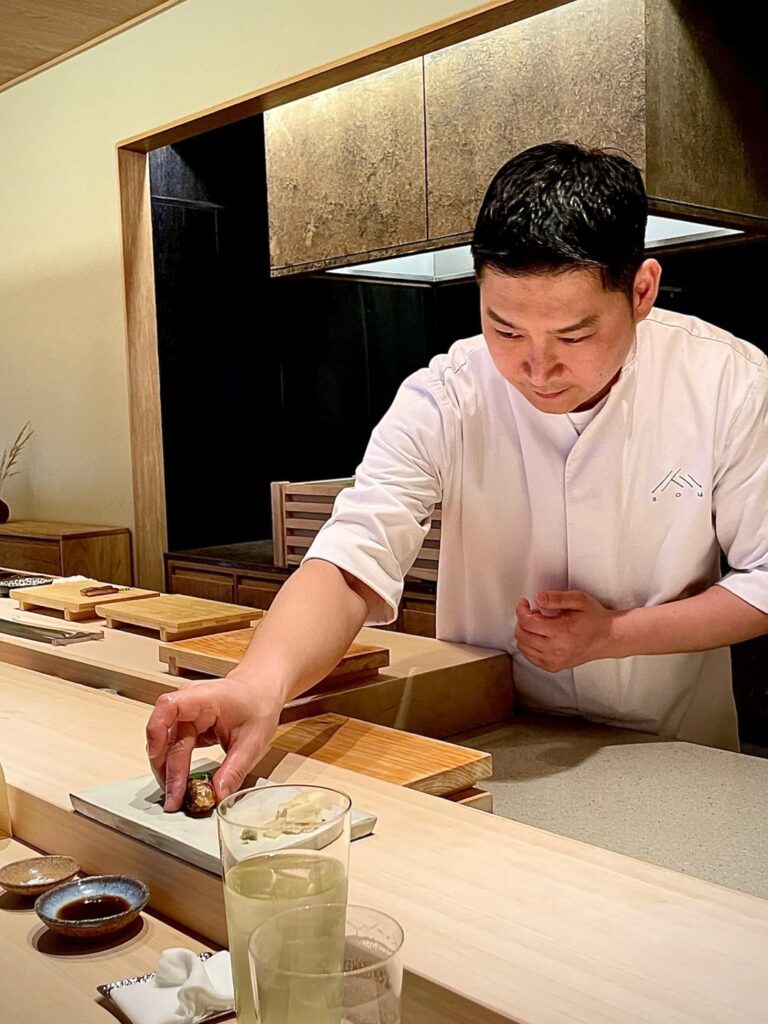
I think this is the best omakase in Korea at this price. Most top-end omakase counters do not open for lunch, and when they do, lunch often feels lighter than dinner. So I went in planning to just enjoy it without big expectations. Instead, it gave me far more satisfaction than I expected.
First of all, from the moment I sat down, I felt the careful preparation. Each seat had a guide to that day’s course, printed every morning on hanji (traditional Korean paper). Small details like that made the space feel different.
Red vinegar rice and an unforgettable abalone
Chef Jo Byeong-gon, who comes from Sushi Cho, served us, and his sushi was as neat and sharp as his first impression. Above all, his signature red vinegar shari suited my taste very well. The seasoning was not too strong, and the texture was not too firm, so the overall balance was very good.
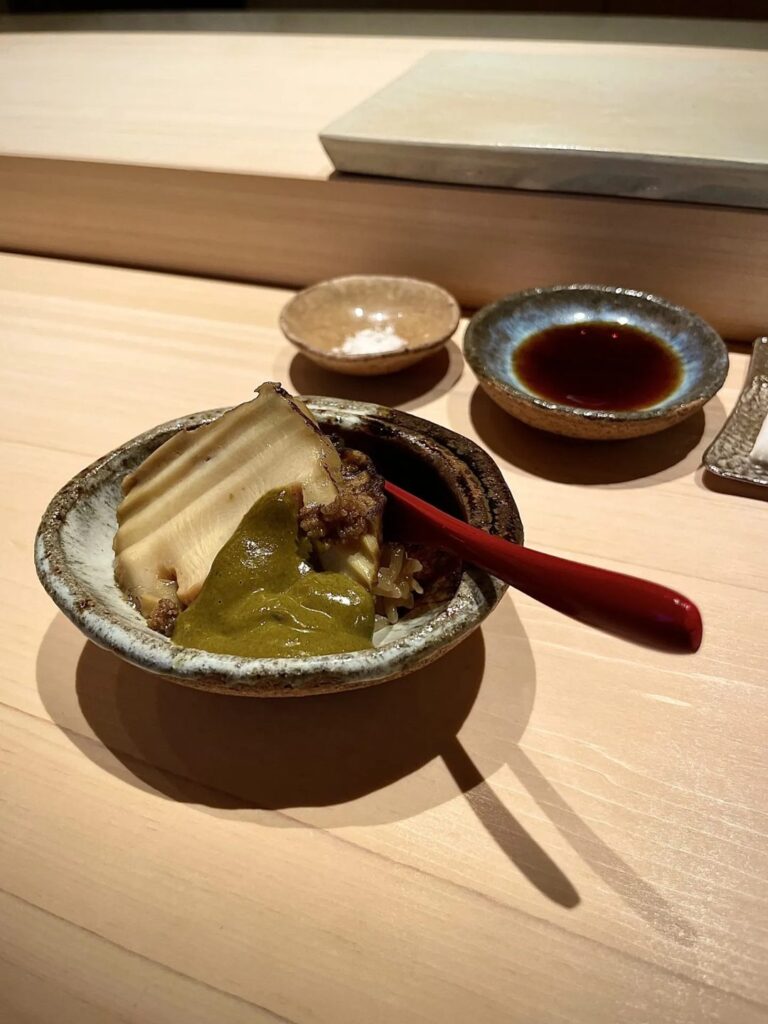
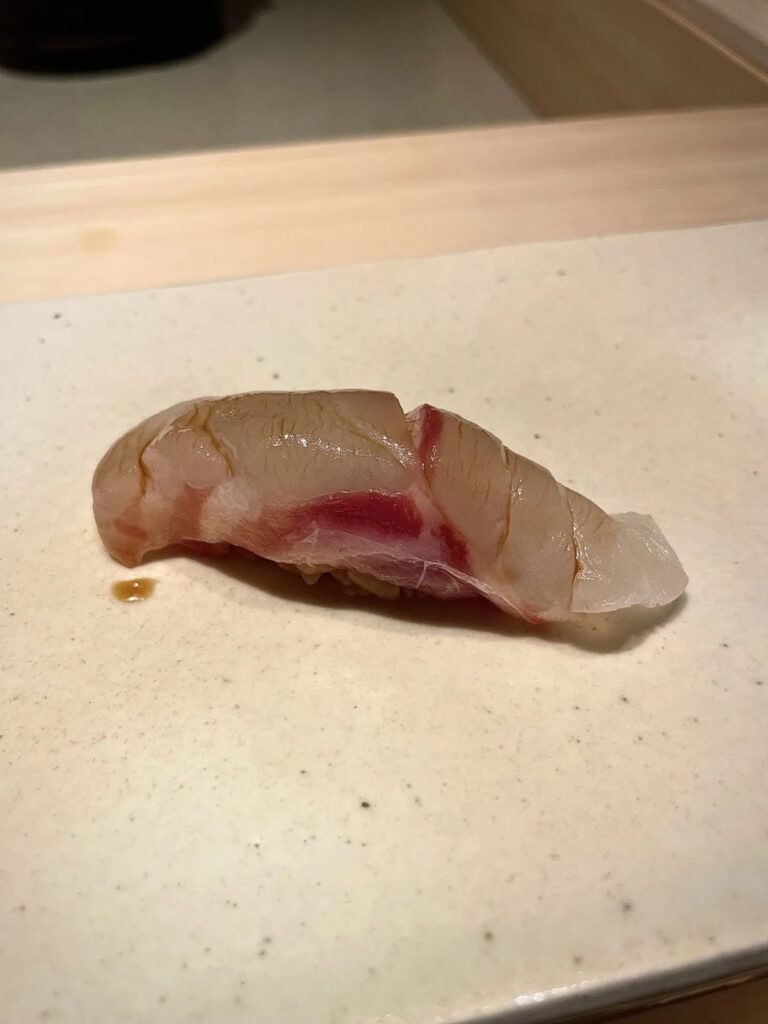
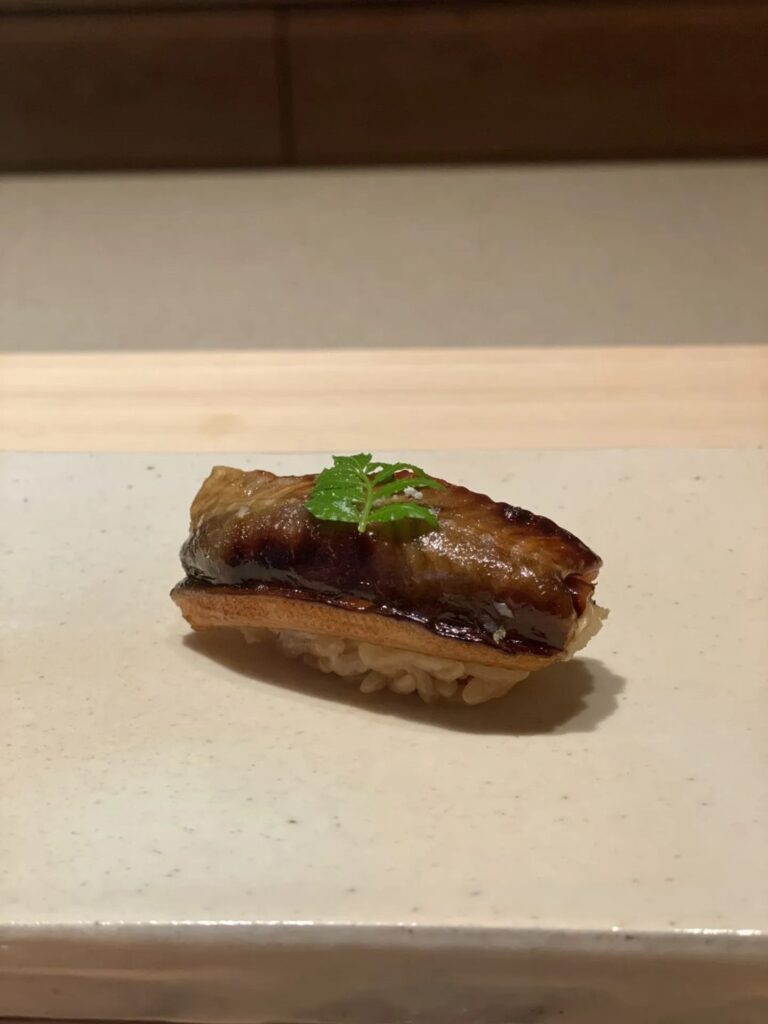
The fish was excellent overall. In particular, the abalone was truly impressive. It was the best abalone I have ever eaten. You dip it in the liver sauce, and then you mix the leftover sauce with rice to finish. Even that flow felt complete.
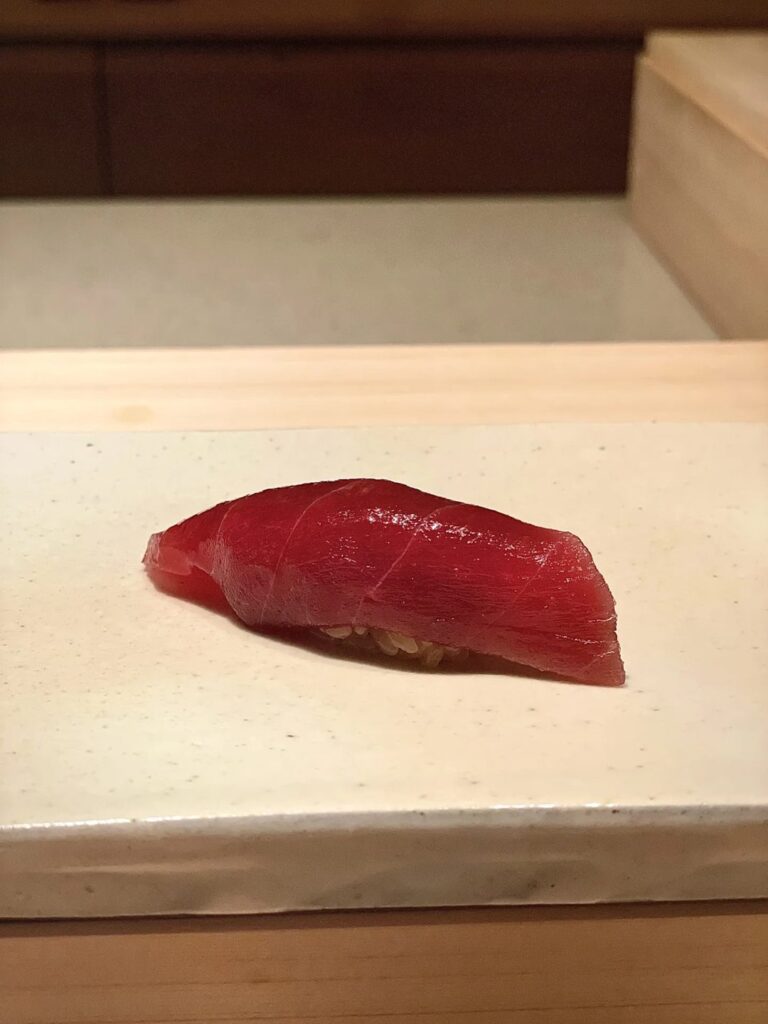
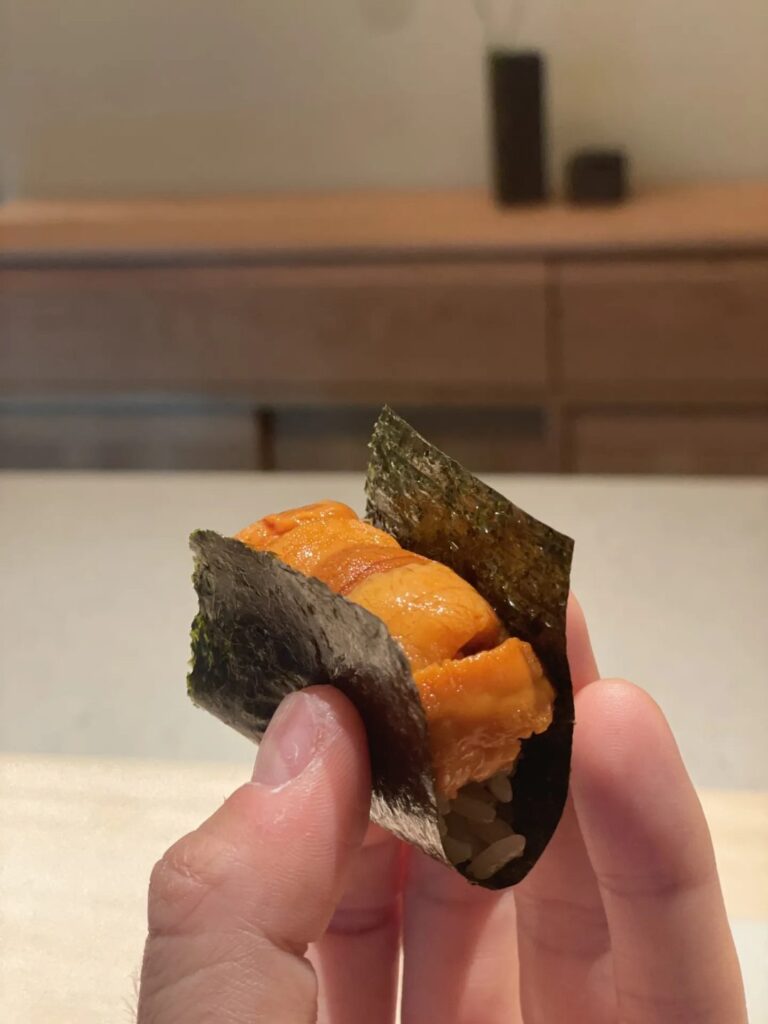
Service and the Room
Overall, the meal had no real weak spots. Besides that, Chef Jo’s service was gentle and fun. He set a relaxed mood, and he naturally answered the questions we were discussing about sushi, which made the meal even more enjoyable. We could talk freely with each other and still focus fully on the food, thanks to the calm, immersive room. It was a truly happy meal, and since that day I have been looking forward to his dinner omakase. Original review on Revitguide (March 2026)
Sushi Sou: Address, Hours and Booking
- Address: B1, 816 Seolleung-ro, Gangnam-gu, Seoul (서울 강남구 선릉로 816 지하1층)
- Station: About 300 m from Apgujeong Rodeo Station (Suin-Bundang Line).
- Hours: Lunch from 12:00 and one dinner seating (CatchTable announced 18:30 for all dinners). Closed Sundays and Mondays.
- Price: Lunch ₩160,000, dinner ₩300,000 (CatchTable and Siksin, 2026).
- Booking: CatchTable. There is also a private room for 4 to 6 people.
- Map: Open in Naver Map
3. Sushi Siryu (스시 시류): Omakase Seoul With a Knockout Punch
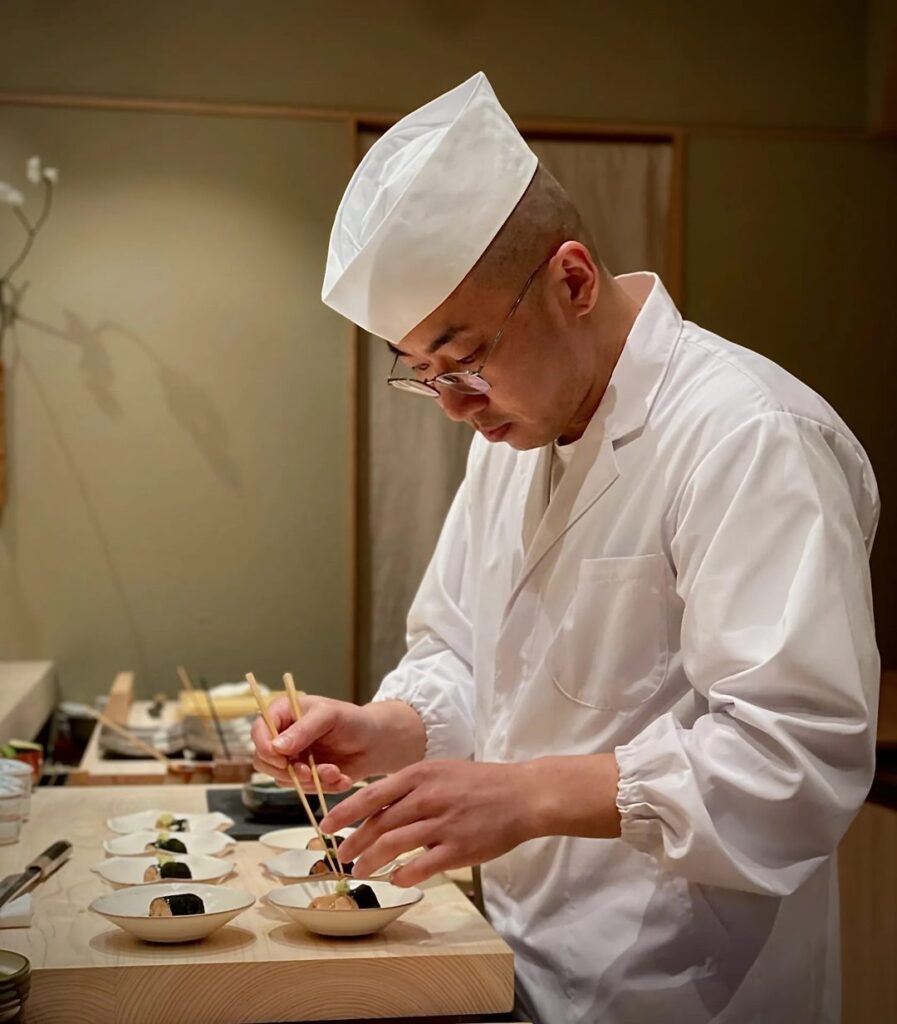
Sushi Siryu is run by Chef Koo Hyung-mo, who trained at Sushi San and Sushi Ito before opening his own counter near Apgujeong Station in 2024. CatchTable lists seven counter seats. The same ₩190,000 course is served at dinner and at lunch on Fridays and Saturdays.
First visit: every punch lands hard
A dinner omakase like this at this price? My overall satisfaction was quite high. It was my first visit, but the mood that night was great, maybe thanks to the regulars, and I got to hear a lot of stories from Chef Koo. He talked about his training at Sushi San and how he learned to respect the basics. Being able to hear personal stories like that is one of the charms of omakase. He also mentioned that business went well last year, so he recently bought an expensive new refrigerator.
As for the flavors, if I compare them to boxing, every punch landed like a power punch. Every dish was vivid and strongly made. It felt a little forceful at times, but people who like this kind of intensity will be very happy. If Sushi Saito Juyon or Jungdae stay true to the fish and build flavor step by step, starting with light jabs, Siryu throws power punches one after another from the start.
Since the chef imports his fish directly from Japan, the condition can vary a little by day, but that night it was still excellent. He also told us Tuesday is the most likely day for the best fish. Siryu is getting more famous, and booking seems to get harder. I recommend going at least once before it becomes impossible to book. Original review on Revitguide (March 2026, dinner)
Second visit: now I know why Siryu is good
My first visit was so satisfying that this time I wanted to feel more clearly why Siryu is good. We had already met the chef, so it was nice to see him again. In short, it was Siryu, as expected. The quality showed once again why people call it the leader of the middle tier.
The tsumami started with flounder sashimi and moved through snow crab, scallop, abalone, octopus, black cod and firefly squid before a shinjo soup. It was quite intense before the nigiri even began. My favorites were the black cod, the scallop and the abalone.
Octopus, Aged Fish and Big Nigiri
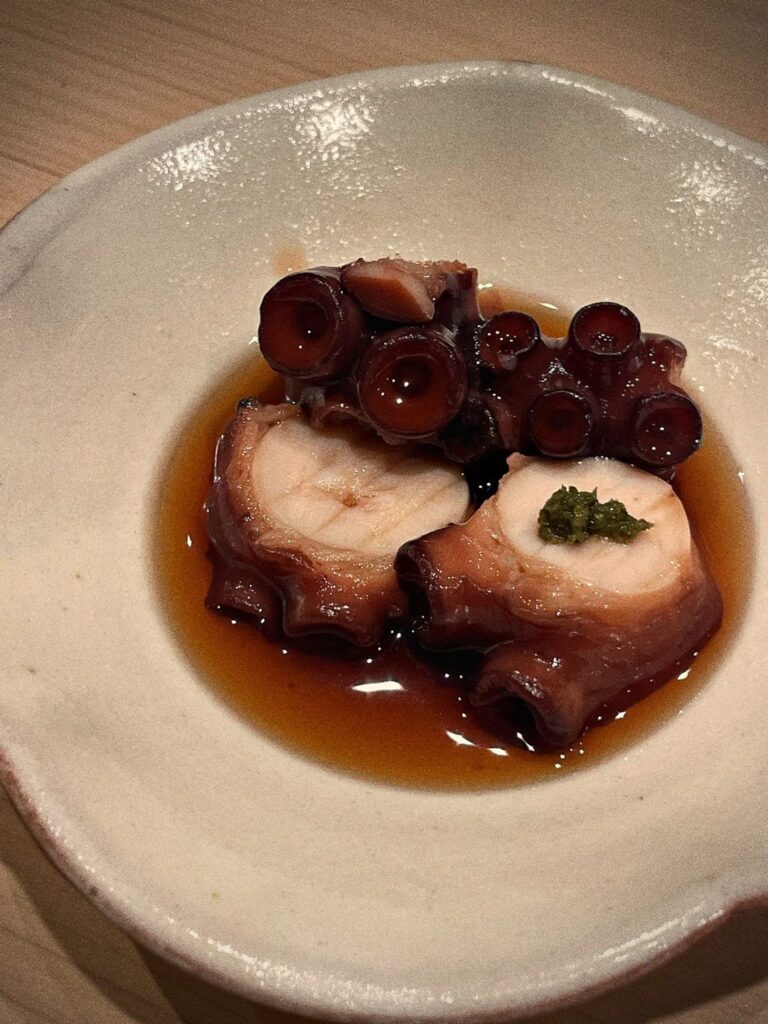
The octopus came two ways, plain and topped with yuzu kosho, so we could compare them. Because it was unusually tender, I asked the secret. The answer: “I bullied the octopus a lot.” It was such a Siryu answer that it made me laugh, but once you eat it, you know what he means. One ingredient had been aged for about two years. As a result, it did not just taste strong. The flavor felt layered, and it stayed with me.
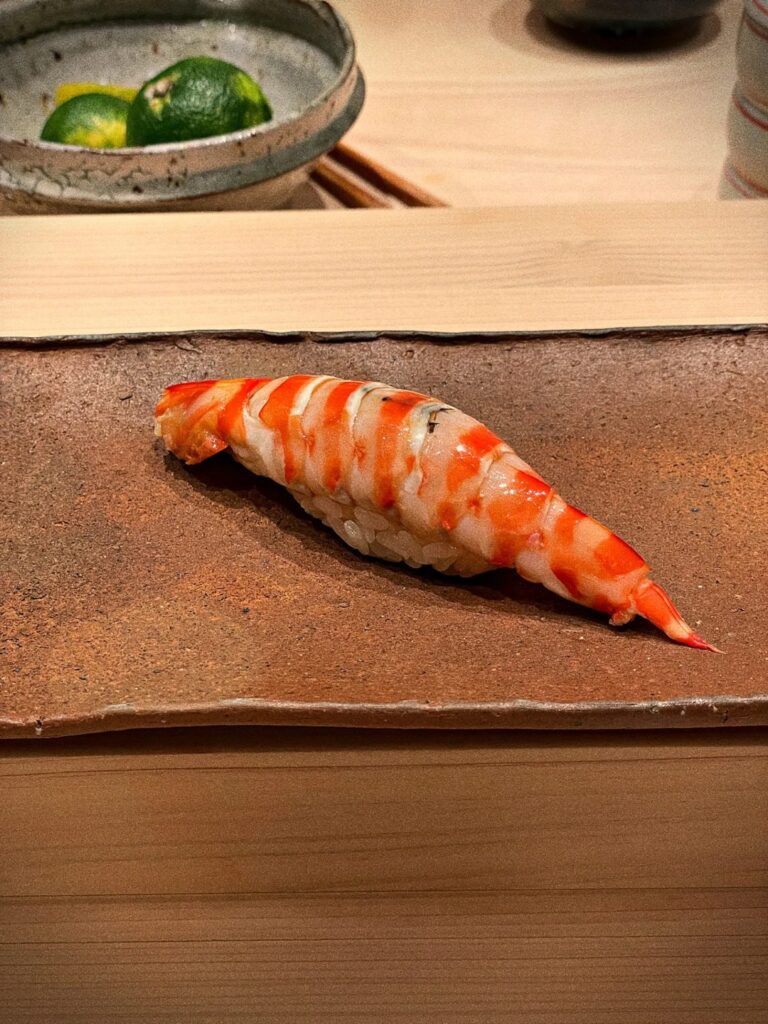
Then, on to the nigiri: the size of the toppings makes you smile. They are so big you wonder if it is right, yet they never feel separate from the rice. The chef said kuruma shrimp were in season right now. Korean ones are wild and Japanese ones are farmed, and he said the farmed ones actually taste sweeter. For the Korean shrimp he adds oboro, a seasoned shrimp floss, to make up the difference. Hearing that made the idea behind each piece easier to see.
Tuna is the heart of Siryu
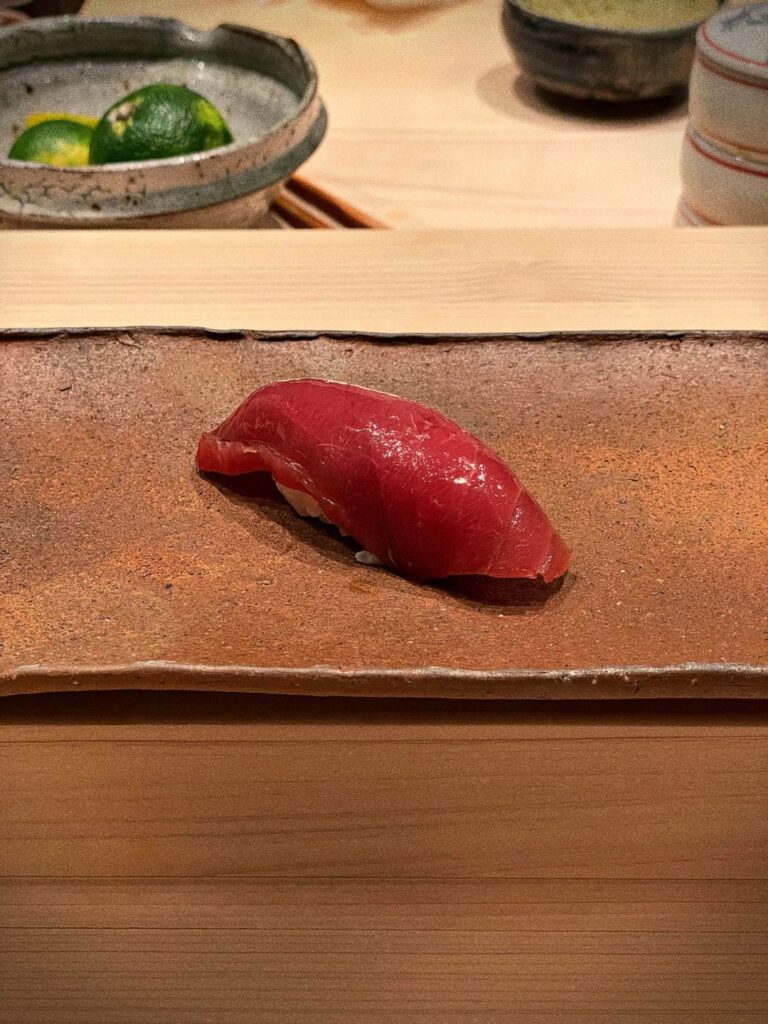
For me, Siryu is all about tuna. The chef said he cares a lot about the impact tuna gives in the course. He is moved by tuna himself, so he wants to pass that impact on to his guests. Just like on my first visit, the tuna was certain. The akami, chutoro and otoro all had clear texture, aroma and flavor. No cut overpowered the others, and the rise in fat felt natural from one piece to the next. Even compared with other sushi counters, I could hardly find a weak point in the tuna.
Gizzard Shad, Toro Taku and a 50-Yolk Tamago
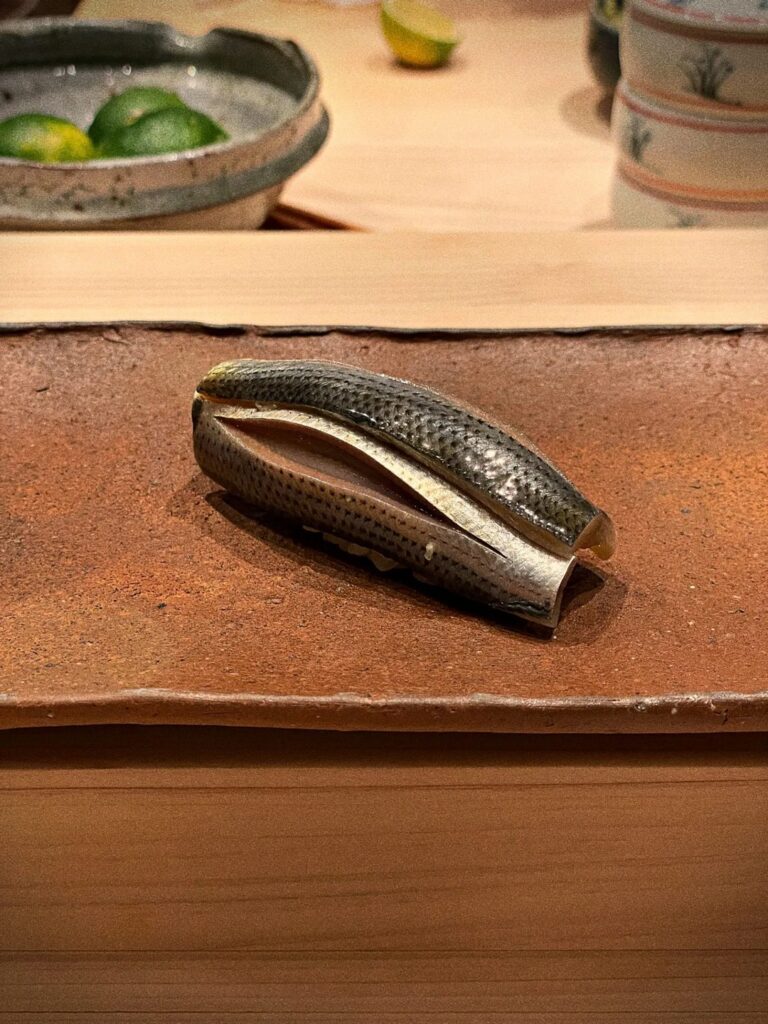
The story about gizzard shad (jeoneo, the fish used for kohada) was fun too. In Japan it can be farmed, so it is available all year, but in Korea the supply changes a lot with the season. On the other hand, he said, you feel the season more clearly. That day the shad was a little firm, but it had almost no fishy taste, and a savory note like anchovy lingered after each bite.
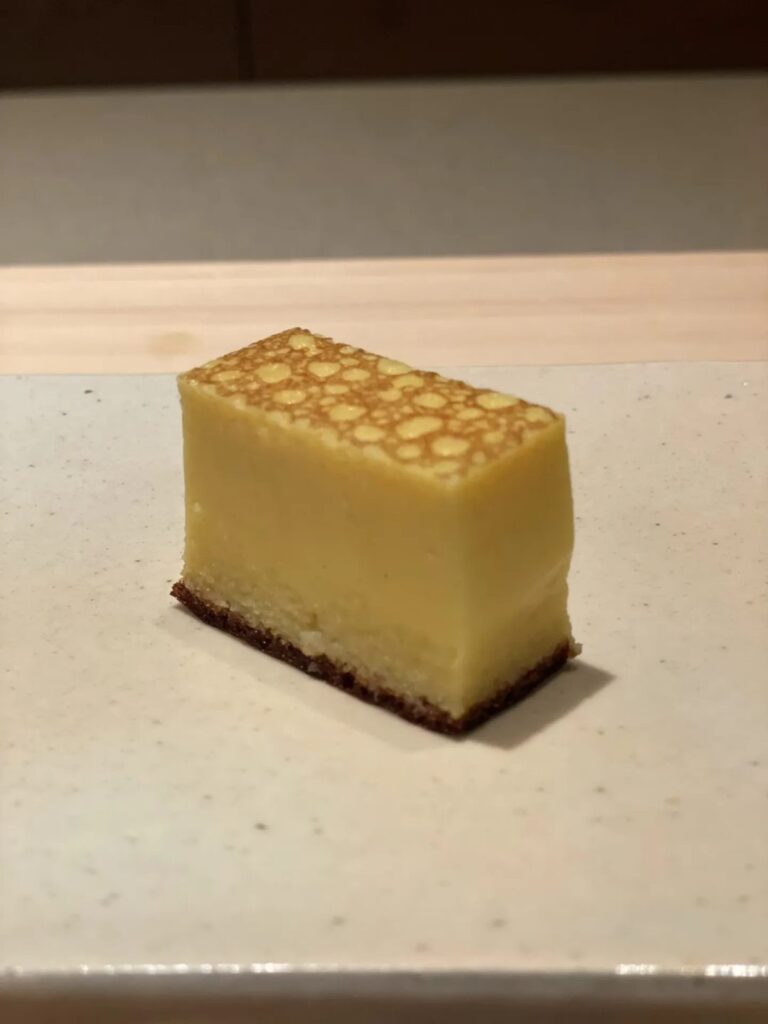
Finally, the last stretch was toro taku, sea urchin and eel. The toro taku was one of the best pieces of the day, and the crisp grilled eel had no small bones at all, which amazed me. Similarly, the tamago shows Siryu’s character. It contains egg yolk, shrimp and scallop, with 40 to 50 yolks in one batch. It is a small piece near the end, yet far more time and work go into it than you would think. Explanations like this make it hard to judge the price of an omakase piece by ingredient cost alone. The rice ice cream at the end was good too, clean, with a little rice texture here and there.
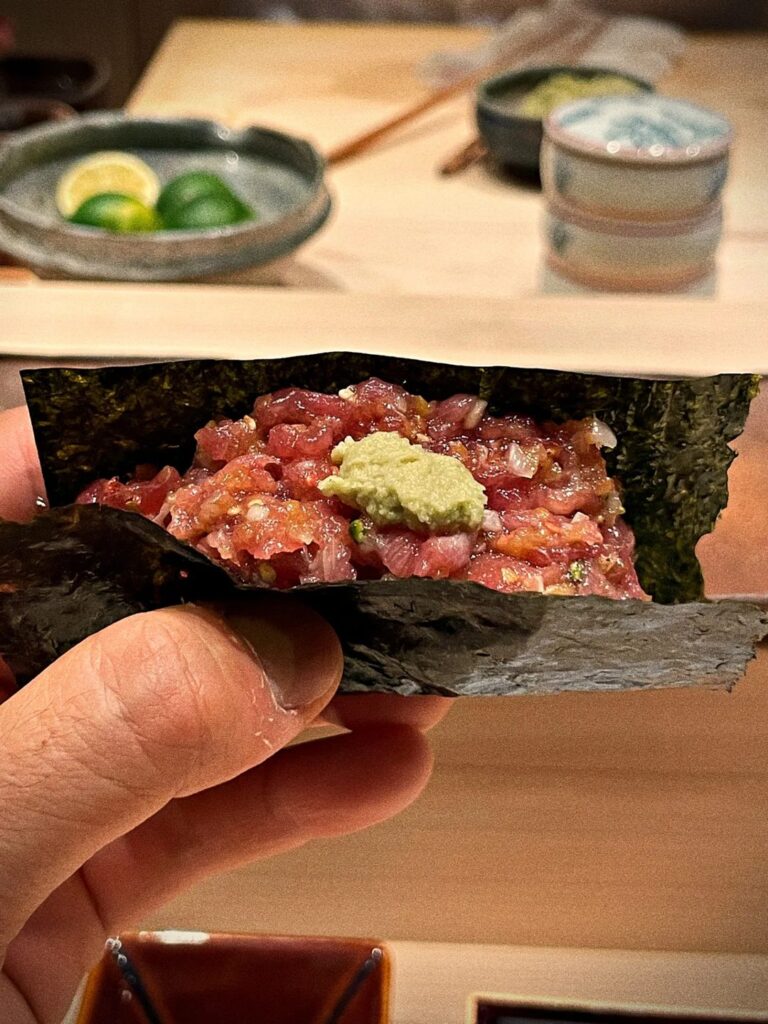
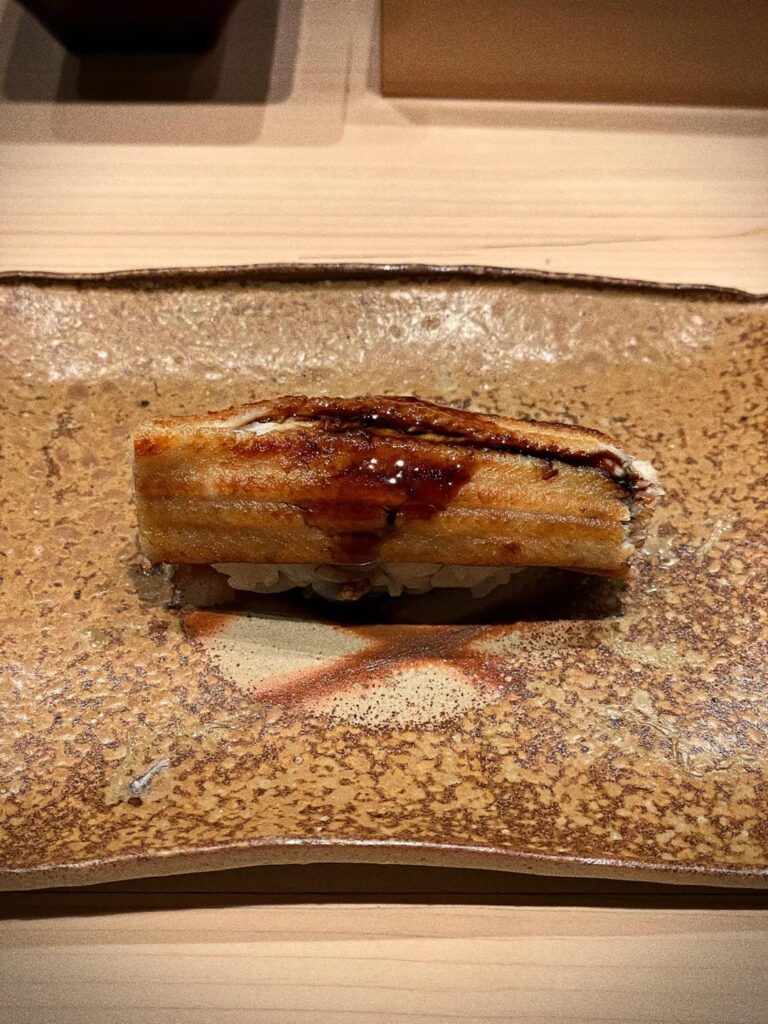
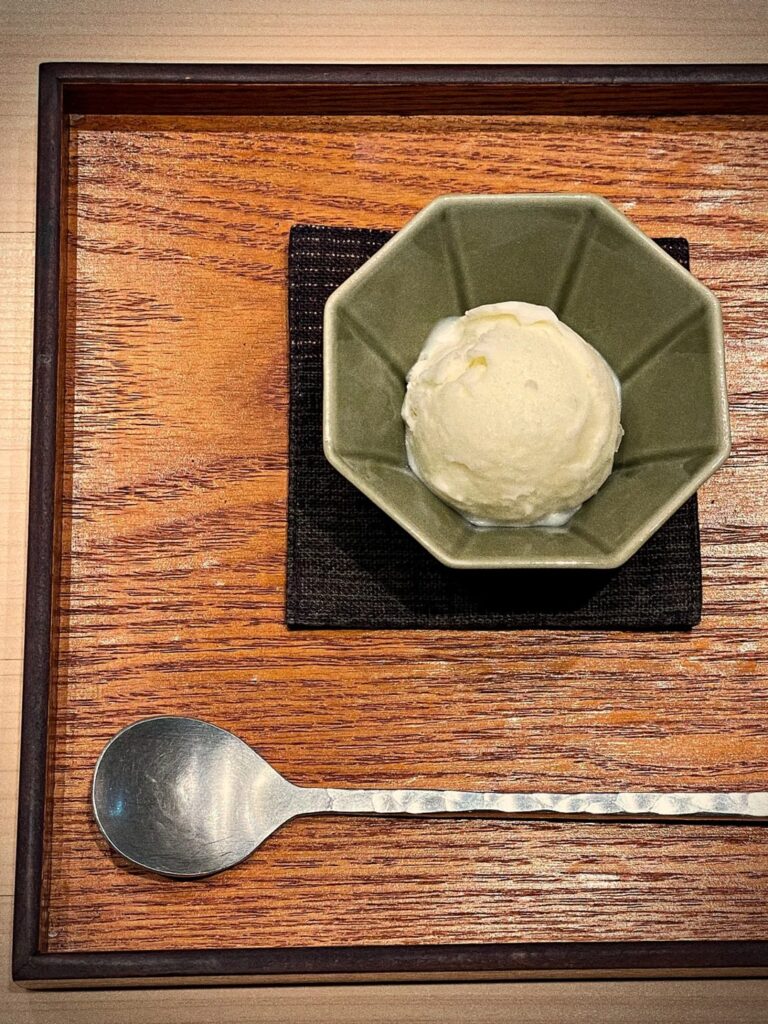
Meanwhile, what stays with me as much as the food is the mood. Thanks to the chef’s cheerful energy and the manager’s kindness, you never feel tense. When I asked questions, they explained everything from ingredients to cooking methods, so I learned as well as ate. If my first visit was “Siryu is delicious,” the second was closer to “I get why Siryu is delicious.” At the end they gave me a gold Siryu sticker. It went straight on my fridge, and I will look at it while I wait for visit number three. Original review on Revitguide (October 2026, lunch)
Sushi Siryu: Address, Hours and Booking
- Address: Unit 108, 1F, JB Miso Building, 841 Nonhyeon-ro, Gangnam-gu, Seoul (서울 강남구 논현로 841 지상1층 108호)
- Station: Apgujeong Station (Line 3), Exit 4, about a 3-minute walk.
- Hours: Dinner at 19:00, plus lunch at 12:00 on Fridays and Saturdays. Closed Sundays and Mondays.
- Price: ₩190,000 for the omakase at lunch and dinner (CatchTable, Siksin).
- Booking: CatchTable. A 2025 visitor reported that the next month’s dates open on the 15th at midnight, so check the app for the current rule.
- Map: Open in Naver Map
More Omakase Seoul Picks Rated 3.5
These extra picks are adapted from visits by Revitguide reviewer 호미식 (Homisik), who rated each 3.5 out of 5.
Sushi Seongbuk (스시성북)
My first visit fell on the third-anniversary course, with special ingredients, so I cannot compare it with a normal night. The gizzard shad was the most memorable I have had: it finally showed me why people love it. The bigfin reef squid was the thickest and softest I have seen, and I ordered it again as an extra. The room is beautiful but tables are close together, so a loud group nearby affected the meal, which is why my score is lower than the food deserves.
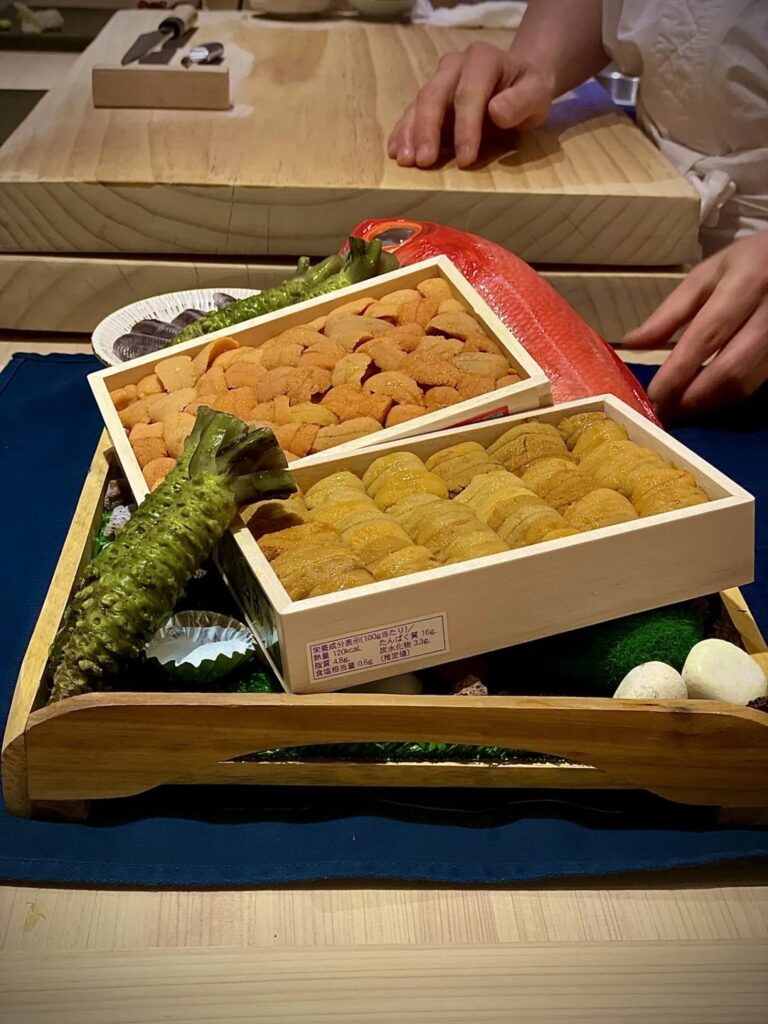
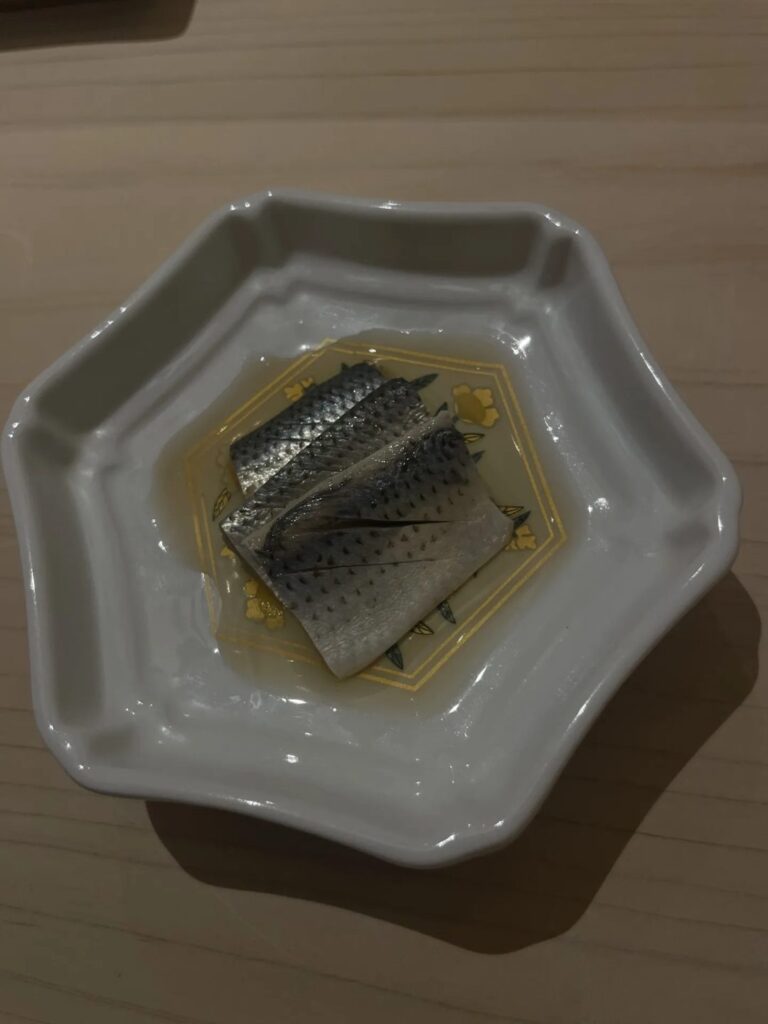
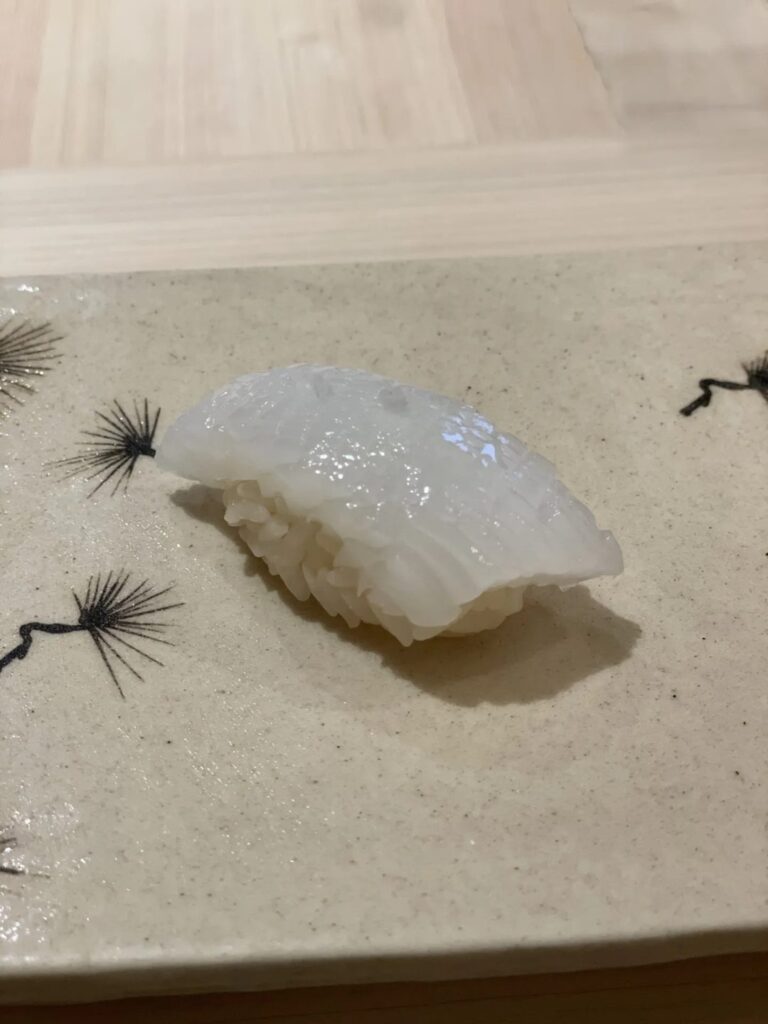
Where: Seongbuk-ro 74, Seoul. Open in Naver Map. Original review on Revitguide.
Price and Booking Tips for Omakase in Seoul
| Counter | Lunch | Dinner | Closed |
|---|---|---|---|
| Mizuumi | No lunch service | ₩140,000 (CatchTable) | Sundays |
| Sushi Sou | ₩160,000 | ₩300,000 | Sundays and Mondays |
| Sushi Siryu | ₩190,000 (Fri and Sat) | ₩190,000 | Sundays and Mondays |
- Use these tips to plan your omakase Seoul meal.
- Start with lunch at Sou. At ₩160,000, the lunch is a little over half the dinner price, and it was the meal I remember most.
- Book Siryu early. It has only seven seats, and it keeps getting harder to book.
- Mizuumi is the easiest to reach. Gunja Station connects straight to the building, so you do not need a taxi.
- Drinks are extra. Prices above are for the food course only. Corkage rules differ by counter, so check CatchTable.
My Verdict
All three are counters I went back to, and I rated each 4 out of 5. In short, any of them makes a strong omakase Seoul night. Pick Mizuumi for generous tsumami, warm hospitality and food that almost everyone will love. Choose Sushi Sou for a calm, polished room and red vinegar rice, especially at lunch. Go to Sushi Siryu if you want bold, powerful flavors and serious tuna.
For more special meals, see our reviews of Sushi Saito Juyon, Jungdae and the four-seat Sushi Sainjo, or our guide to Michelin restaurants in Seoul. If you want something more casual between sushi dinners, try our picks for the best Korean restaurants in Seoul.
FAQ
How much does omakase cost in Seoul?
Prices vary widely. At these three counters, sushi omakase costs ₩140,000 to ₩190,000 at dinner, and up to ₩300,000 for dinner at Sushi Sou. Lunch is often cheaper, for example ₩160,000 at Sushi Sou. Drinks are extra.
How do I book omakase in Seoul as a tourist?
Most counters, including all three here, take bookings on CatchTable, which has an English version. Sign up early, check the cancellation policy, and book as soon as new dates open.
Which of these counters is best for a first omakase in Seoul?
For a first omakase Seoul experience, Mizuumi is a safe choice. Its food is designed to please almost everyone, the service is warm, and the dinner price is the lowest of the three.
Is lunch omakase worth it?
It can be. At Sushi Sou, lunch costs ₩160,000 compared with ₩300,000 for dinner, and it still felt complete. At Sushi Siryu, lunch and dinner are the same course and the same price.
What is red vinegar shari?
Shari is the seasoned rice under the fish. Some counters season it with red vinegar (akazu), made from sake lees, which gives the rice a darker color and a deeper flavor. It is Chef Jo Byeong-gon’s signature at Sushi Sou.
We checked prices and hours in November 2026, and they can change. Check Naver Map before you go.