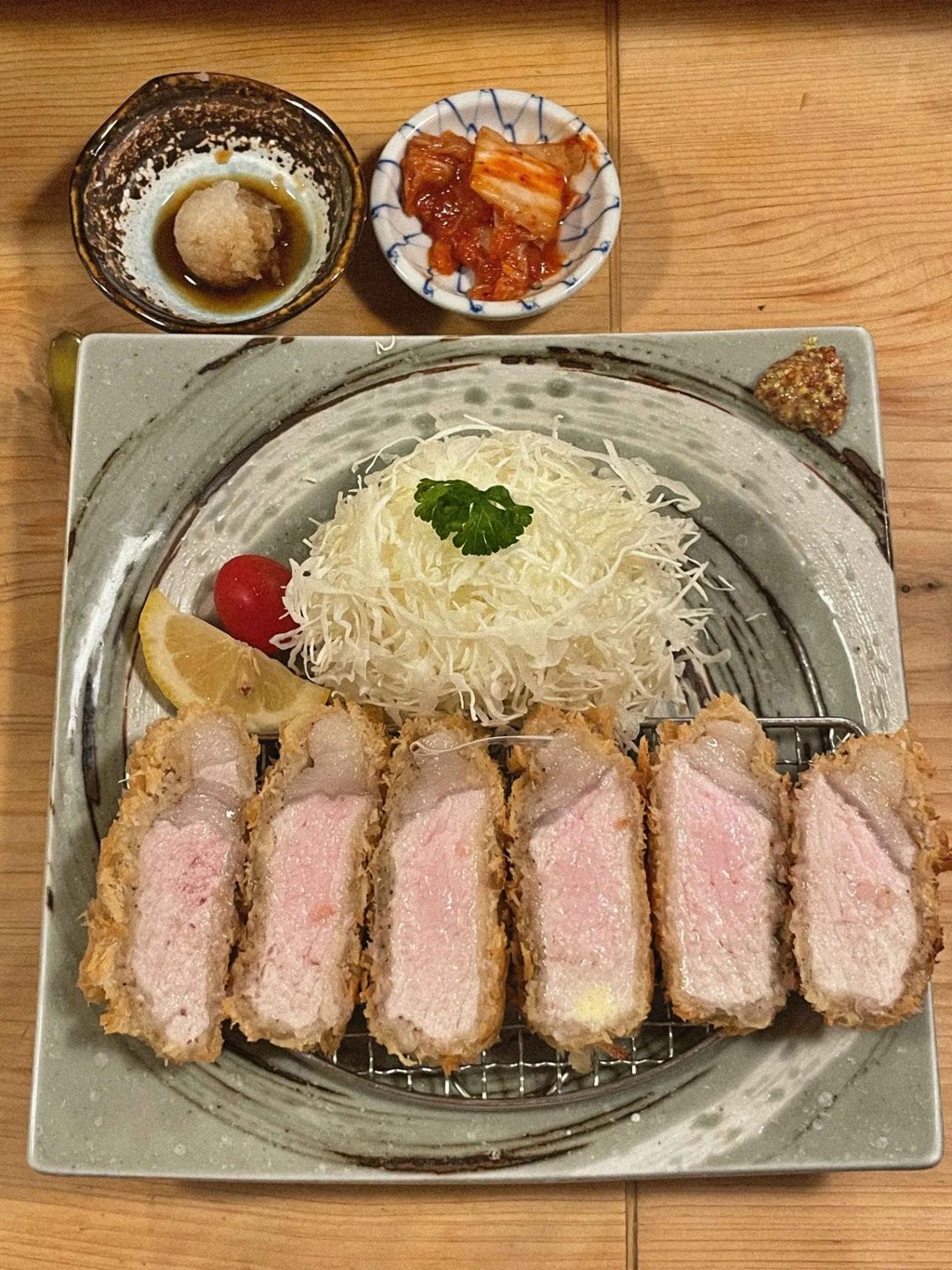
Gwangalli Beach is the Busan beach with the big view of Gwangan Bridge, and the streets behind it, from Millak-dong to Namcheon, hide a lot more than raw fish towers and beach bars. This guide collects twelve places to eat around the beach, from a famous tonkatsu queue and a quiet yakitori counter to buckwheat noodles in a market alley and thin-sliced hanwoo grilled at the table.
The picks below are adapted from visits by Revitguide reviewer 호미식 (Homisik), who rated each 3.5 out of 5. Each section links to the original Korean review.
These are solid, honest picks rather than a ranking. Use them to plan a lunch before the beach or a dinner before the Saturday drone show, and pick by what you feel like eating.
Gwangalli Beach Basics: Getting There and When to Go
Gwangalli Beach (광안리해수욕장) is a 1.4 km curve of sand in Suyeong-gu facing Gwangan Bridge. The closest subway stop to the sand is Geumnyeonsan Station on Line 2 (about five minutes from Exit 3). Gwangan Station, Exits 3 and 5, is a 10 to 15 minute walk. From Haeundae, a taxi or Line 2 gets you here in about 20 minutes.
If you can, come on a Saturday. The free Gwangalli M Drone Light Show runs every Saturday night over the water: at 20:00 and 22:00 from March to September, and at 19:00 and 21:00 from October to February. Each show lasts about 12 minutes and can be cancelled in bad weather. Book dinner early, because restaurants near the beach fill up on show nights.
- Millak-dong (민락동): the eastern end of the beach, with quiet residential lanes and several small counter restaurants.
- Gwangan-dong and Suyeong (광안동·수영): inland streets around Suyeong-ro, plus Suyeong Paldo Market.
- Namcheon-dong (남천동): the western end, a short walk past the beach.
Where to Eat Near Gwangalli Beach: Quick Comparison
| Place | Type | What to order | Price paid | Good for |
|---|---|---|---|---|
| Tonshou (톤쇼우) | Tonkatsu | Berkshire K loin katsu | ₩19,000 | Katsu fans willing to queue |
| Yongkang Jie (융캉찌에) | Taiwanese | Beef noodle soup | ₩29,000 | An easy, casual lunch |
| Bibijae (비비재) | Bibimbap | Bibimbap, add a fried egg | ₩19,000 | A light Korean lunch |
| Dunnae Makguksu (둔내막국수) | Buckwheat noodles | Makguksu | ₩19,000 | A clean, filling bowl |
| Dongkyung Bapsang (동경밥상) | Eel rice bowl | Unagi don | ₩49,000 | A focused eel meal |
| Yakitori Haegong (야키토리 해공) | Yakitori course | Chicken course with grilled hagfish | ₩59,000 | Counter dining at night |
| Mirak Super (미락슈퍼) | Creative course | Seasonal course | ₩69,000 | A chef-led lunch |
| Zero Base (제로베이스) | Japanese course | Fish course with pot rice | ₩159,000 | A calm 8-seat counter |
| Matsuzaki (마츠자키) | Kaiseki | Kaiseki course | ₩119,000 | A cozy, filling course |
| Nuoto (누오토) | Italian | Tartare, mussel linguine, tiramisu | ₩109,000 | Wine night, corkage free |
| Cheolma Hanwoo Roast (원조 철마한우로스구이) | Hanwoo BBQ | Thin sirloin roast, doenjang stew | ₩160,000 | A beef dinner that is not raw fish |
| Osori Sundae (오소리순대) | Sundae gukbap | Assorted sundae, perilla gukbap | ₩19,000 | Worth a short detour inland |
Prices are what the reviewer paid for the whole visit, so they can cover more than one person or include drinks.
Casual Lunch Near Gwangalli Beach
Tonshou (톤쇼우 광안점)
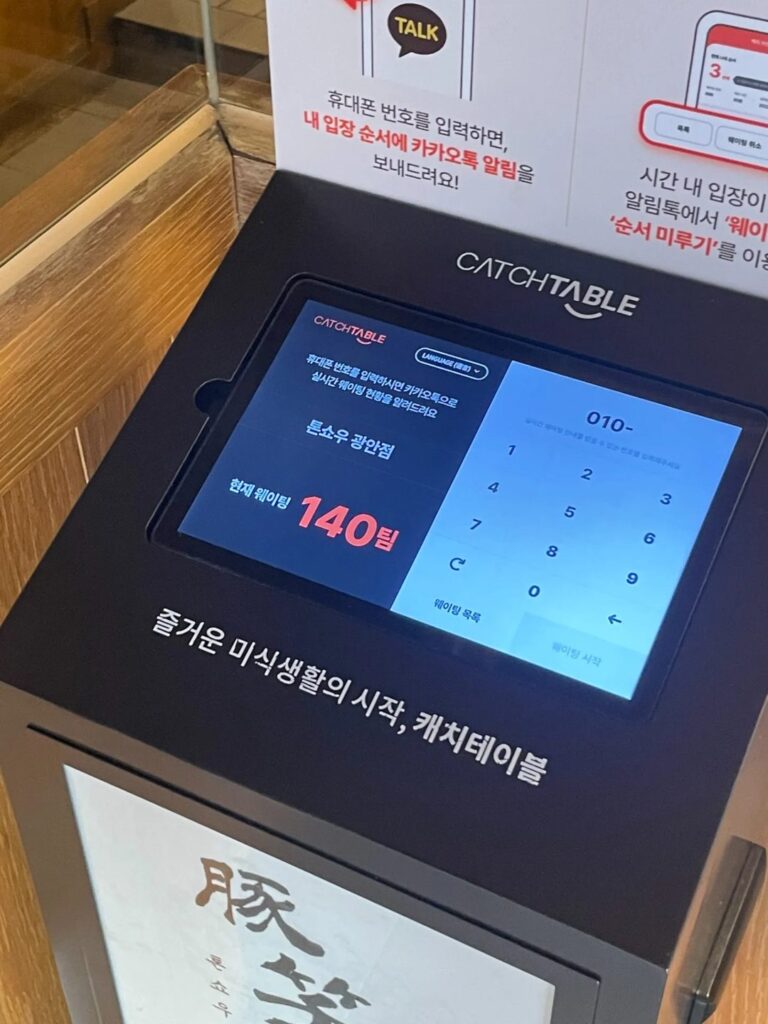
On-site waiting started at 10:30 and remote waiting at 11:00 when I went. Even though I joined the online list the second it opened, I still got number 190, and in the end I sat down around 4 or 5 pm. In fact, I had come the night before too, but they had already sold out, so I did another remote “open run” the next day.
Is Tonshou Near Gwangalli Beach Still Worth the Wait?
Before this visit I had tried Kyokaizen in Hannam, Sendo in Jamsil and Heki in Mapo, I was curious where Tonshou, once called the national champion of tonkatsu, stands now. The short answer: it may not be what it used to be, but Tonshou is still Tonshou. To be fair, there are many more skilled katsu shops around the country now, so its lead has faded, but one bite explains why it earned that name.
For my order, I chose the Berkshire K loin katsu. The pork came out tender and evenly cooked. Also, it does not hit you with fat; it melts softly rather than asking you to chew. Likewise, the batter is thin and gentle. Overall the katsu itself was well made, but the sauces and sides did not leave much of a mark, which may be a limit of running a shop this big.
Instead, what impressed me most was the service. The room runs like a busy factory, yet most of the staff stayed warm and kind. Honestly, respect for keeping that up with this many guests every day. In short, I enjoyed it, but the wait is brutal. I am not sure I would queue for hours again, but it was satisfying to try the katsu that defined an era.
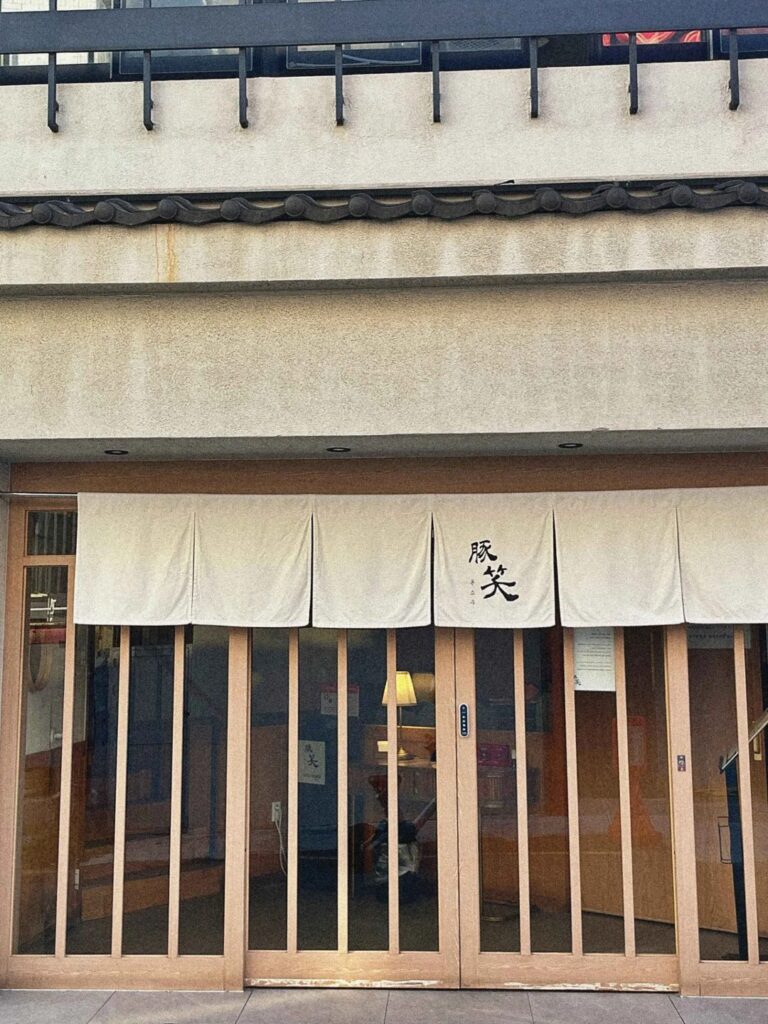
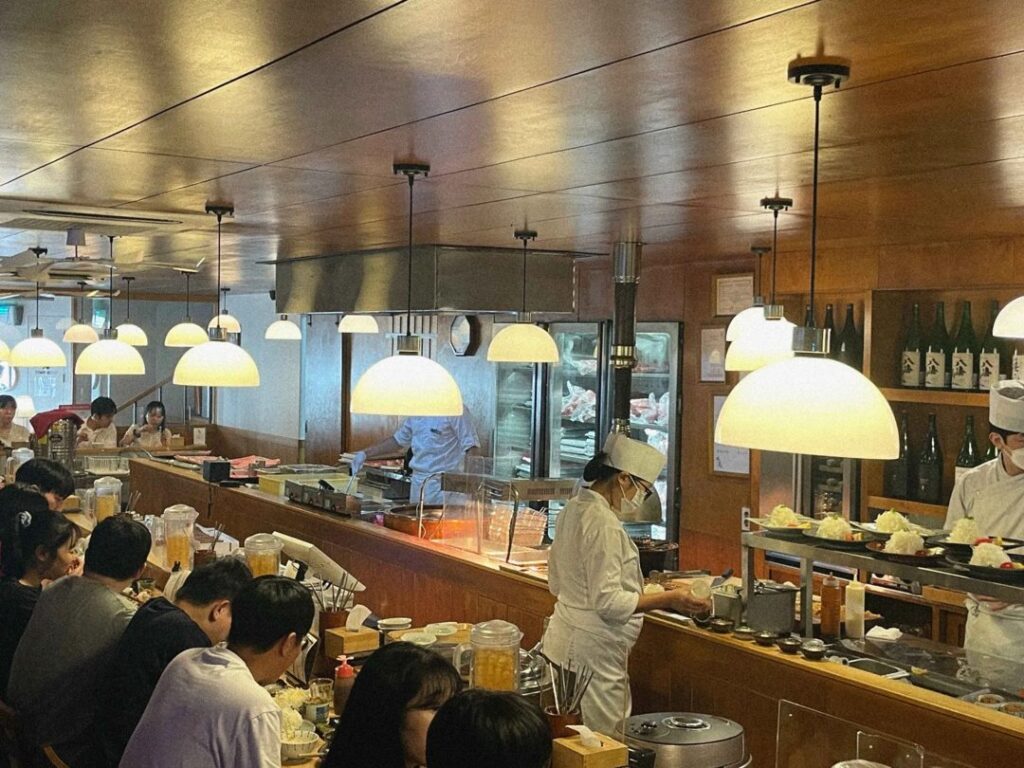
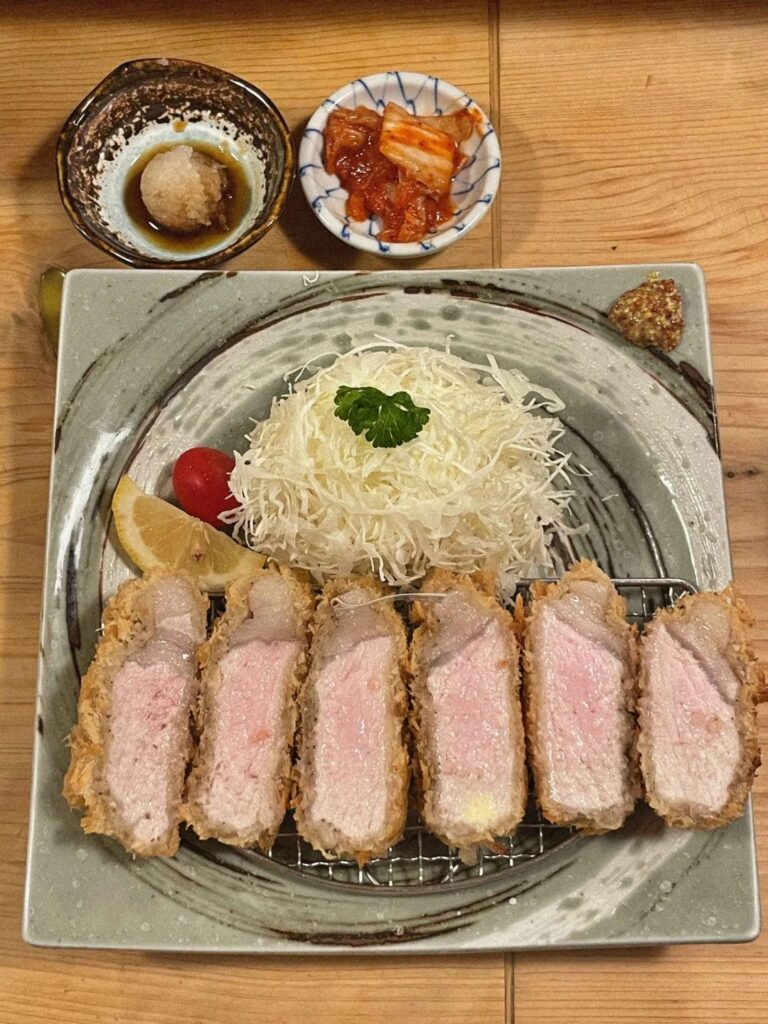
- Address: 13 Gwanganhaebyeon-ro 279beon-gil, Suyeong-gu (부산 수영구 광안해변로279번길 13)
- Hours: daily from 11:00 (visitors report 22:00 close, last order 20:50)
- Waiting: since February 9, 2026, on-site waitlist opens at 10:00 for the first 60 teams, and the CatchTable online waitlist opens at 11:00. The shop estimates about one hour per 25 teams.
- Map: Open in Naver Map
- Original review on Revitguide
Yongkang Jie (융캉찌에 광안본점)
The space and tableware are kept clean, yet the room really feels like an old local restaurant in Taiwan. More than any single strong flavor, that local atmosphere is what stayed with me.
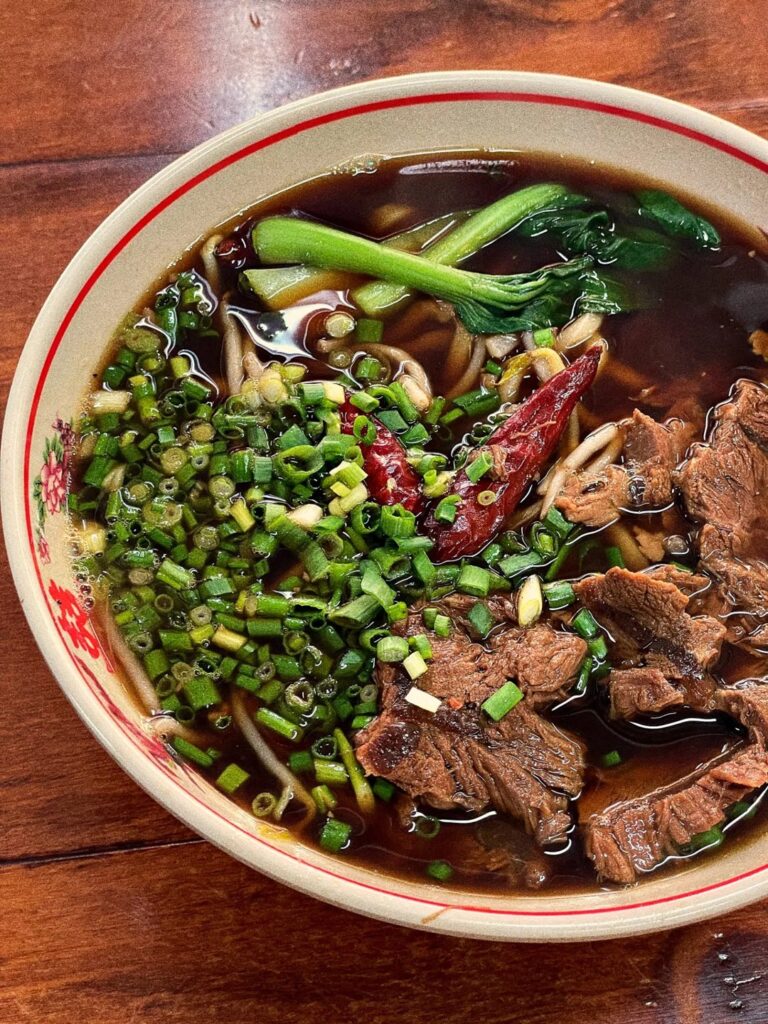
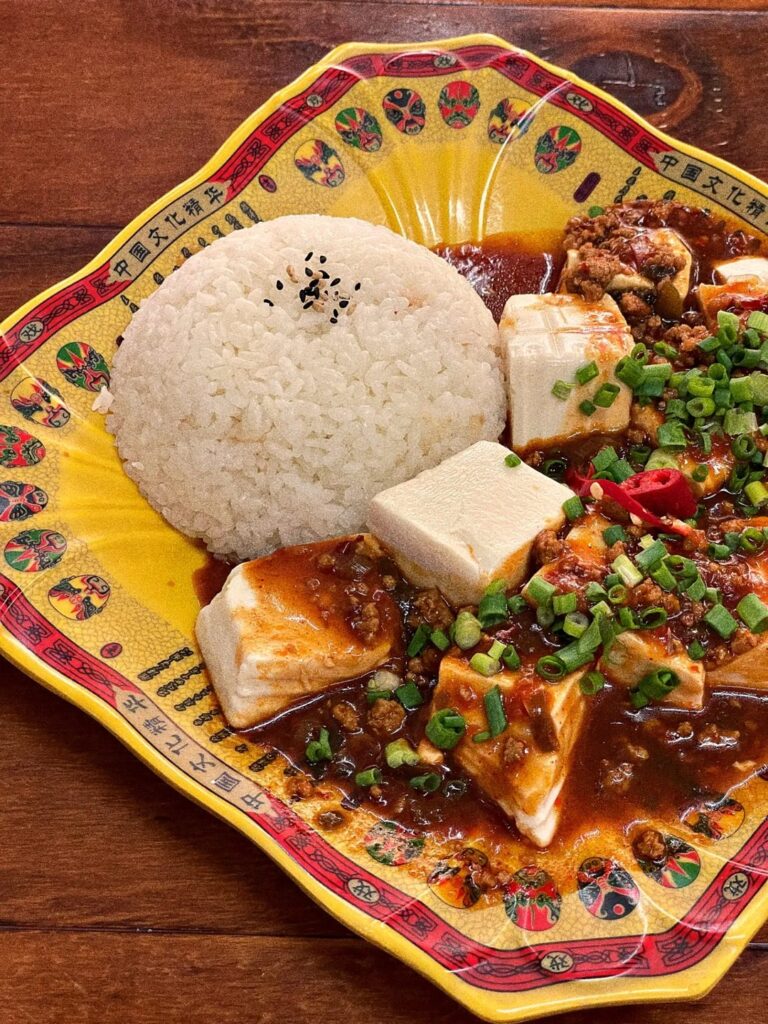
As for the food, the beef noodle soup tastes close to what the name promises. Of course, you can sense the Taiwanese direction, but it is not overwhelmingly distinctive. A good place for an easy Taiwanese meal.
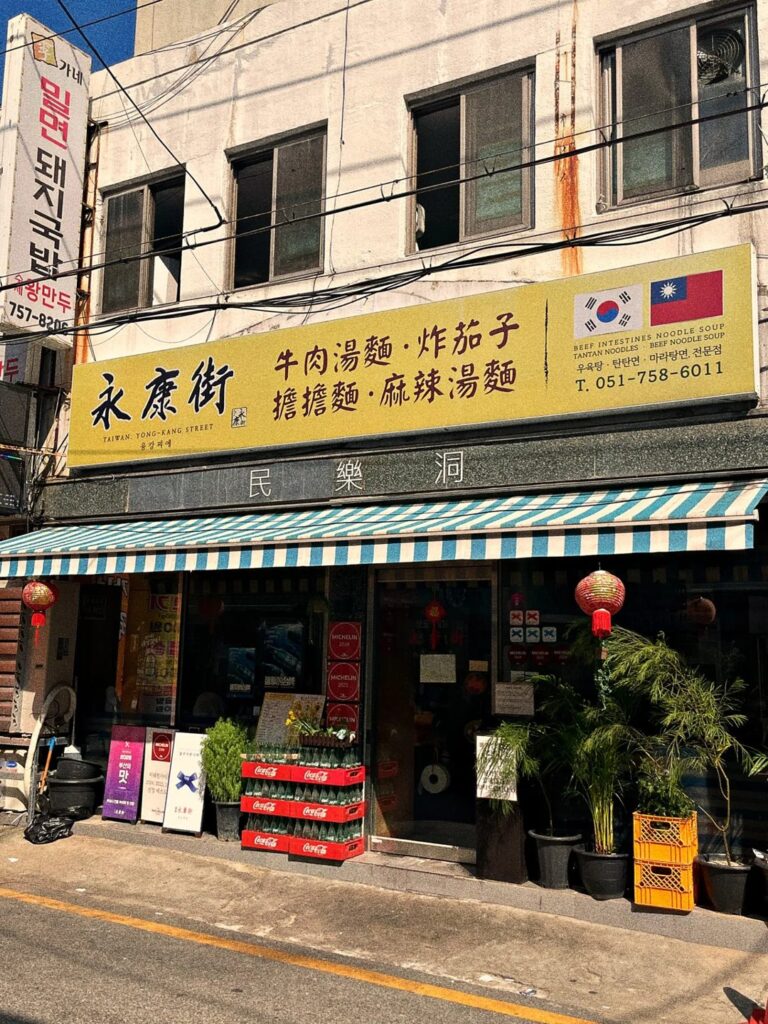
- Address: 10 Gwanganhaebyeon-ro 277beon-gil, Suyeong-gu (부산 수영구 광안해변로277번길 10)
- Listed in the MICHELIN Guide Seoul & Busan 2026
- Map: Open in Naver Map
- Original review on Revitguide
Bibijae (비비재), Namcheon
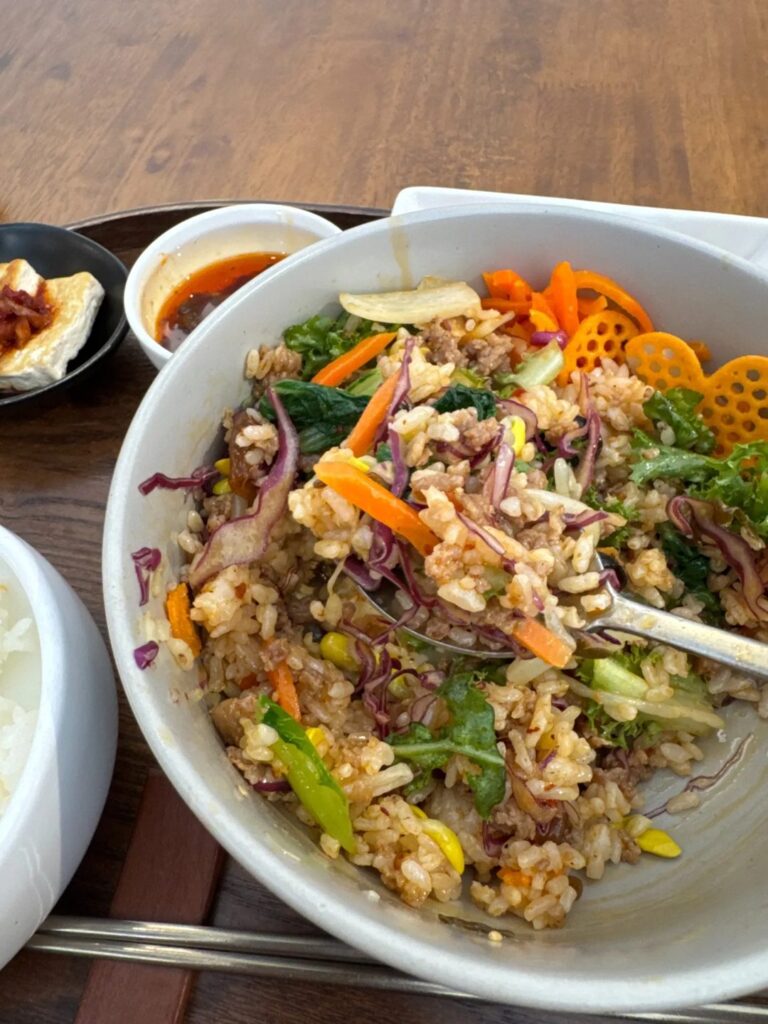
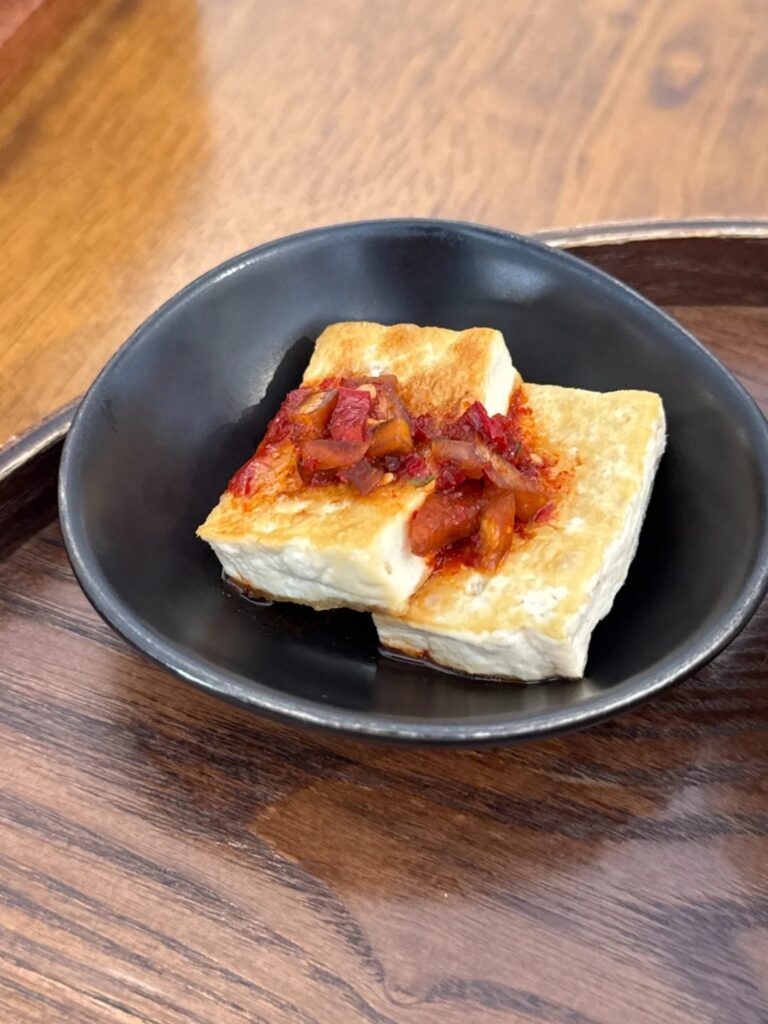
At Bibijae, each namul (seasoned vegetable) tastes distinct even before you mix the bowl. Each one is seasoned just enough that you can eat them one by one without extra sauce. Although there are many kinds, none stands out too much, and once mixed the flavors flow together naturally. It feels like each vegetable was done properly first and then brought together in one bowl.
You can add a fried egg for ₩1,000. Breaking the yolk into the rice makes it a little richer and softer, so add it if you like.
- Address: Namcheonbada-ro 10beon-gil, Suyeong-gu (부산 수영구 남천바다로10번길)
- Listed in the MICHELIN Guide Seoul & Busan 2026
- Map: Open in Naver Map
- Original review on Revitguide
Dunnae Makguksu (둔내막국수), Suyeong Paldo Market
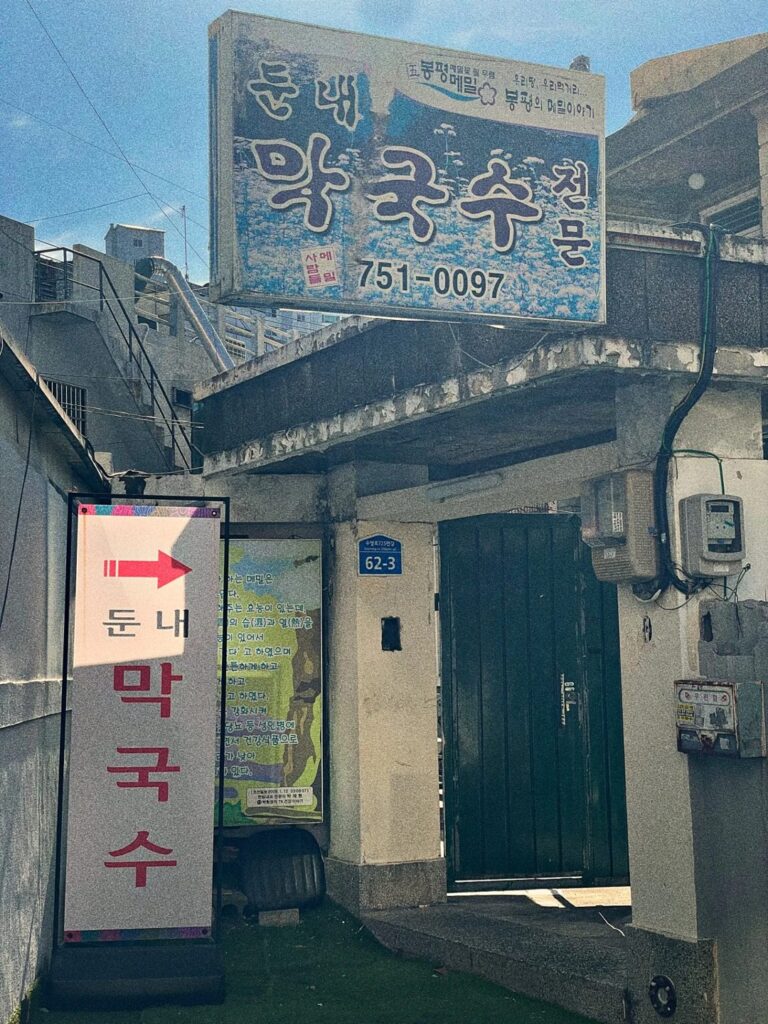
This old-timer hides deep in an alley of Suyeong Paldo Market. Seeing the Blue Ribbon sticker by the door puts a little spring in your step on the way in.
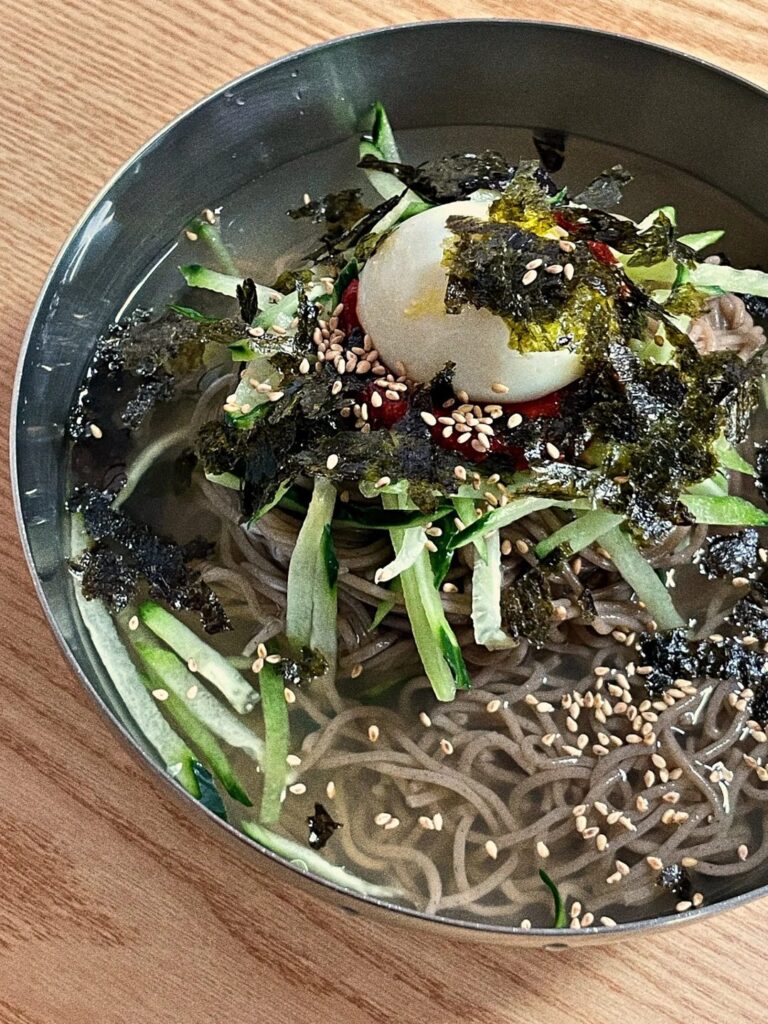
Notably, the broth is a vegetable stock, not a beef bone broth. So instead of pushing deep and heavy flavor, it lands clean and light first. As a result, it sits easy afterward, and you finish the bowl without effort. The portion is not stingy either; “hearty” fits better than “generous”.
- Address: Suyeong-ro 725beon-gil, inside Suyeong Paldo Market, Suyeong-gu (부산 수영구 수영로725번길)
- Map: Open in Naver Map
- Original review on Revitguide
Dongkyung Bapsang (동경밥상), Namcheon
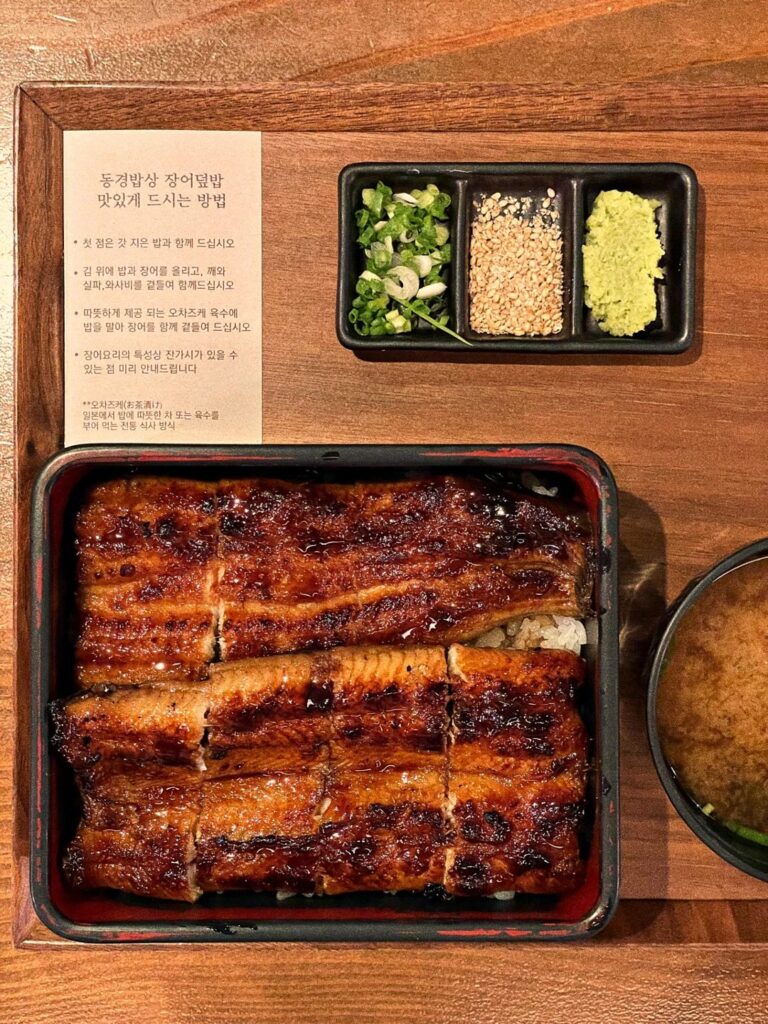
I had tried the Jeju branch of Dongkyung Bapsang first, and the Busan main shop clearly tasted different. The gap seemed to come from how the eel is grilled. In Jeju the inside was a little undercooked and the eel fell apart. In Busan it was cooked through, with a firmer surface that kept its texture to the last bite.
So instead of chasing softness alone, the contrast between outside and inside keeps the eel satisfying to chew. It was striking how much the same eel rice bowl changes with grilling know-how. On the other hand, the space was nicer in Jeju; the Busan shop felt a little less like its name. To sum up: space goes to Jeju, flavor to Busan. Still, for flavor alone the Busan main shop is a step ahead, and it is a specialist worth a trip for eel rice.
- Address: 34-6 Namcheonbada-ro, Suyeong-gu (부산 수영구 남천바다로 34-6)
- Map: Open in Naver Map
- Original review on Revitguide
Dinner Courses in Millak and Gwangan
The lanes behind the Millak end of Gwangalli Beach hold several small counter restaurants listed in the MICHELIN Guide Seoul & Busan 2026. Most take bookings on CatchTable, so reserve before your trip.
Yakitori Haegong (야키토리 해공)
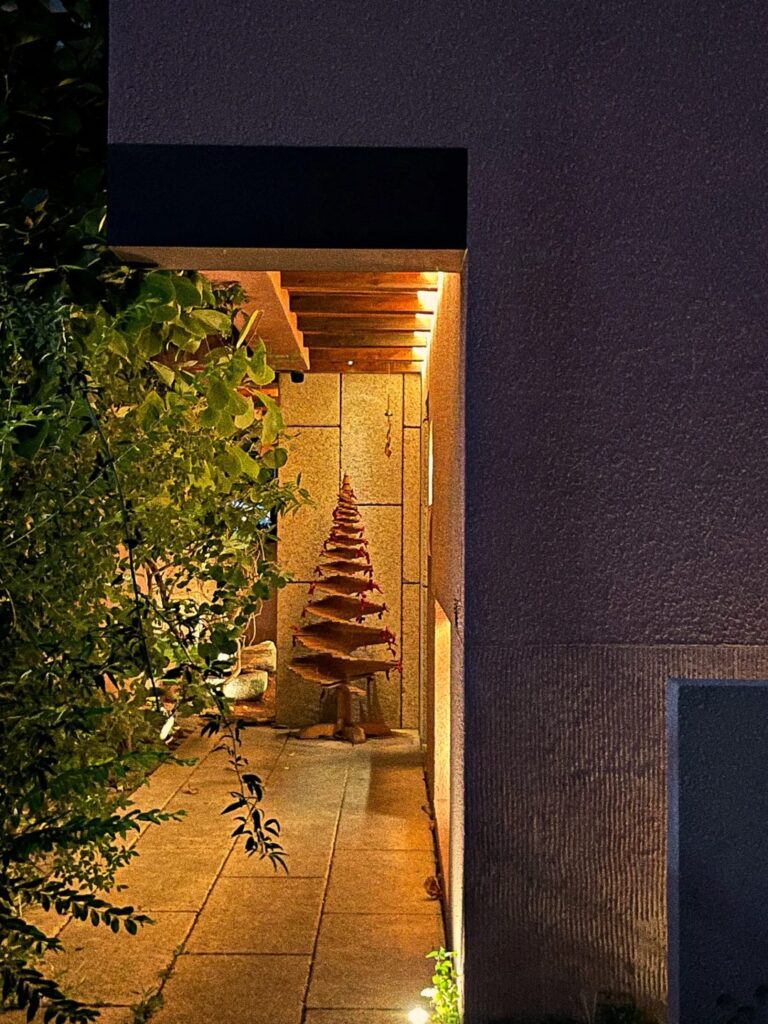
Set in a quiet residential area, it lets you enjoy a course while watching the skewers grill across the counter. As you would expect from a place in the MICHELIN Guide three years running, the basics were solid throughout.
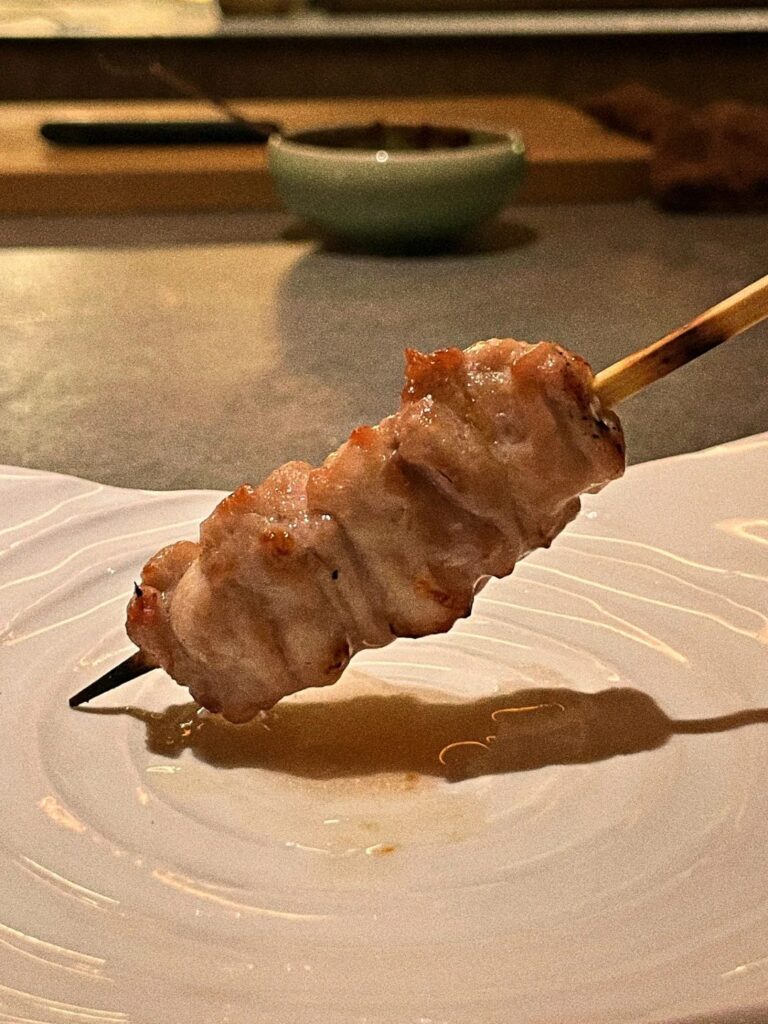
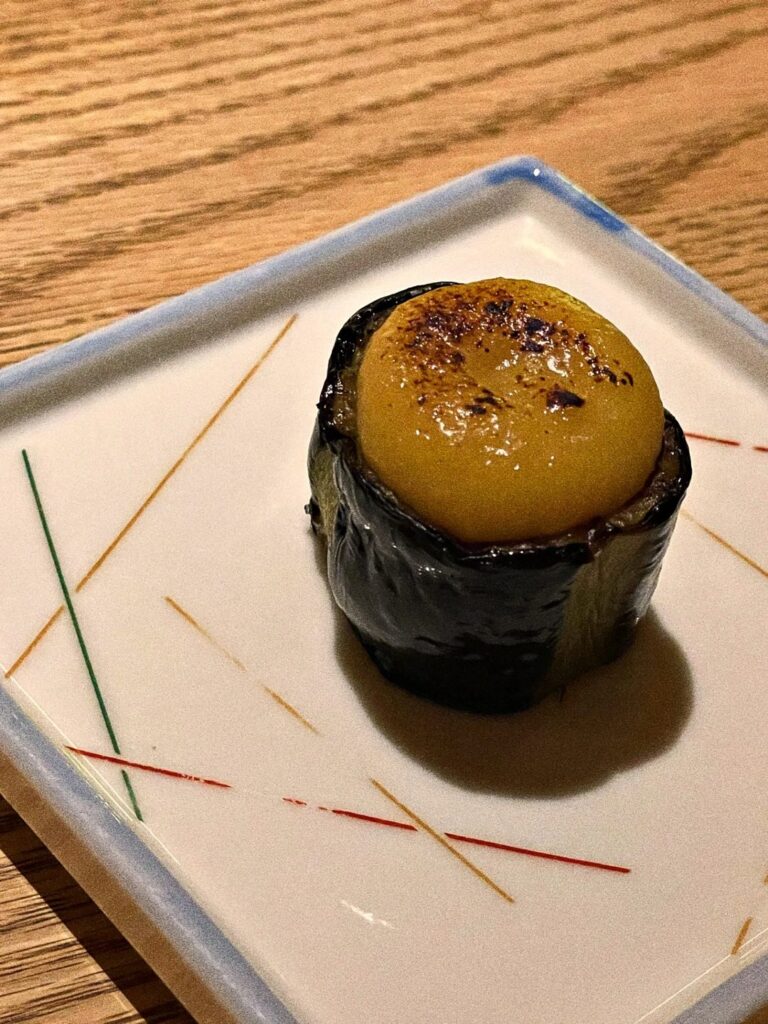
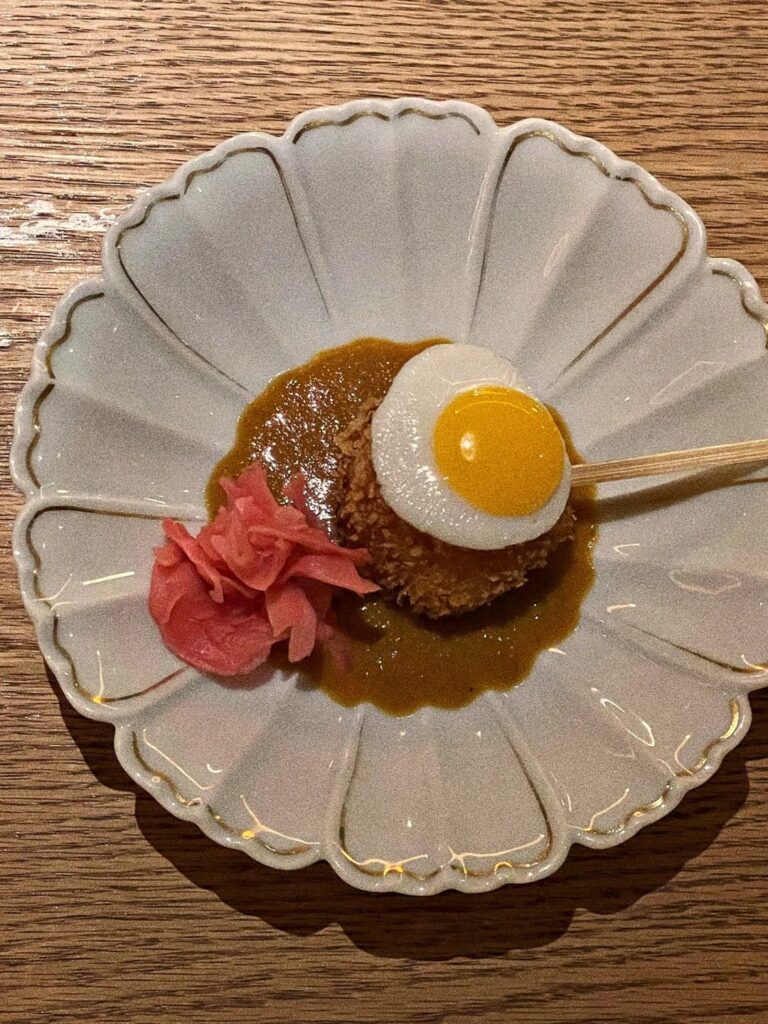
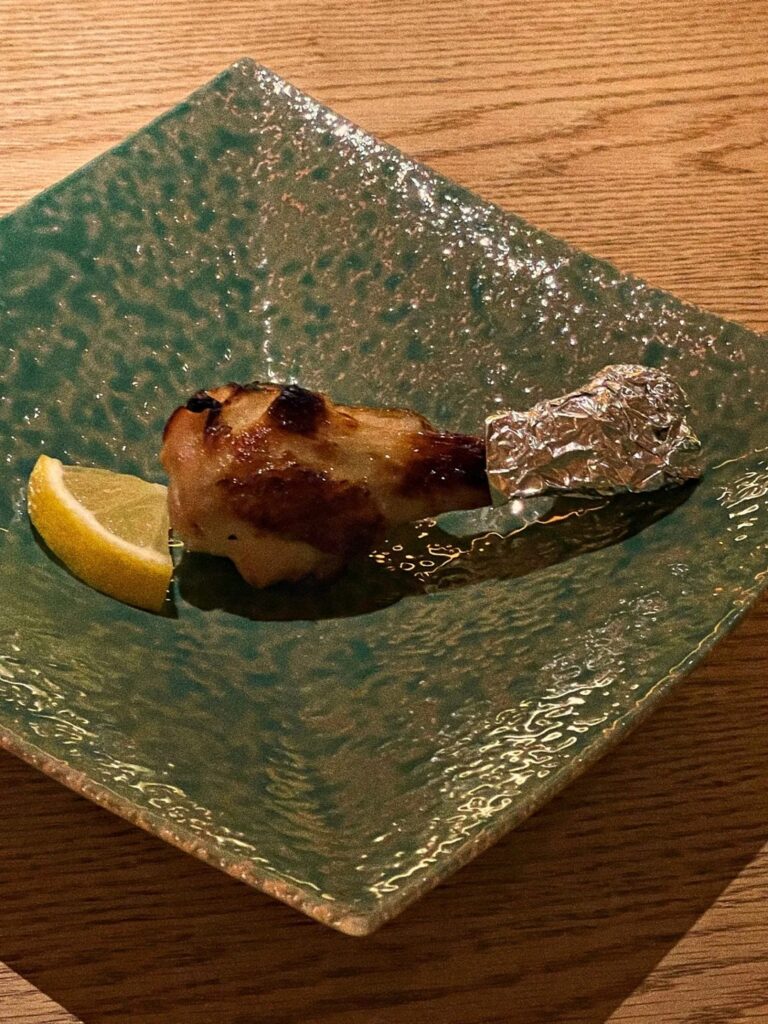
Over the course, I tried many cuts of native chicken in turn, including neck, Achilles tendon, chicken oysters and skin. Still, no single cut blew me away; it was evenly good from start to finish. The skin, grilled with tare, was both crisp and chewy, and the grilled eggplant went well with savory miso. A small chicken-breast katsu with curry sauce and a quail egg was fun, like a mini chicken cutlet.
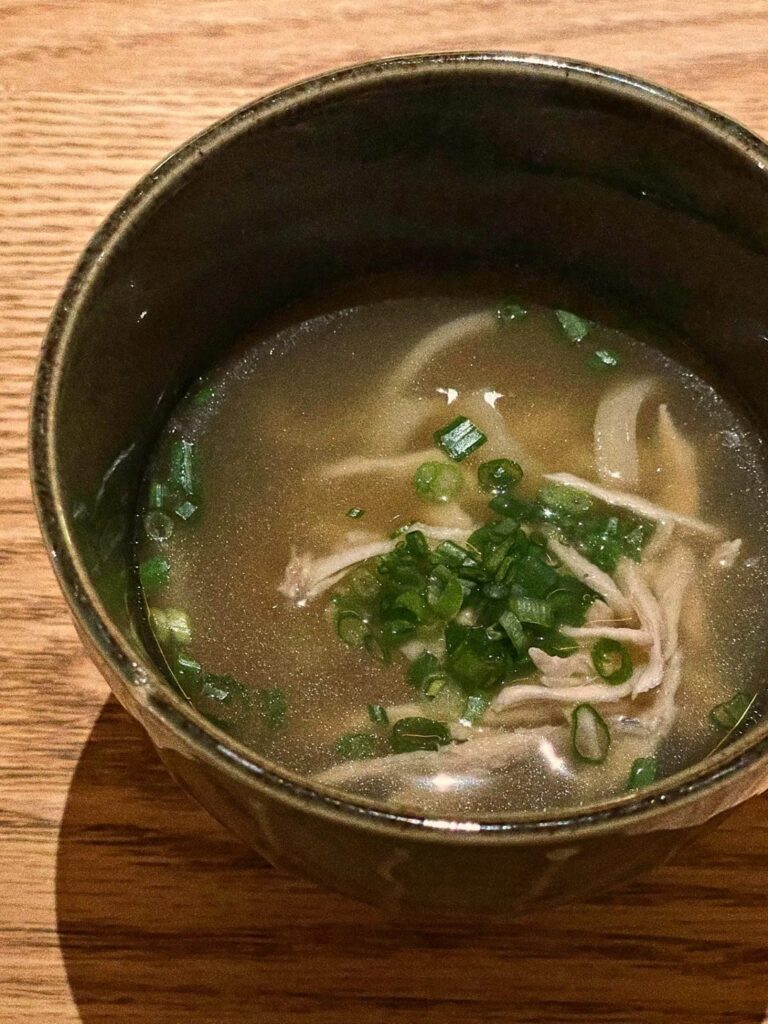
Even so, the thing I remember most was the hagfish (kkomjangeo). Caught that day, it was seasoned just right and delicious with no extra sauce. The fresh vegetables served between skewers kept pulling me back until they were gone. A chicken noodle soup, made with stock simmered for six hours and porcini for depth, closed the course nicely. More than any one plate, it was the space, the flow of the course and watching the skewers grill in front of me that stayed with me.
- Address: 30-5 Millakbondong-ro 19beon-gil, Suyeong-gu (부산 수영구 민락본동로19번길 30-5)
- MICHELIN Guide Seoul & Busan 2026: Selected
- Native-chicken yakitori course about ₩59,000; the restaurant manages its own bookings (+82 51-758-8333)
- Map: Open in Naver Map
- Original review on Revitguide
Mirak Super (미락슈퍼)
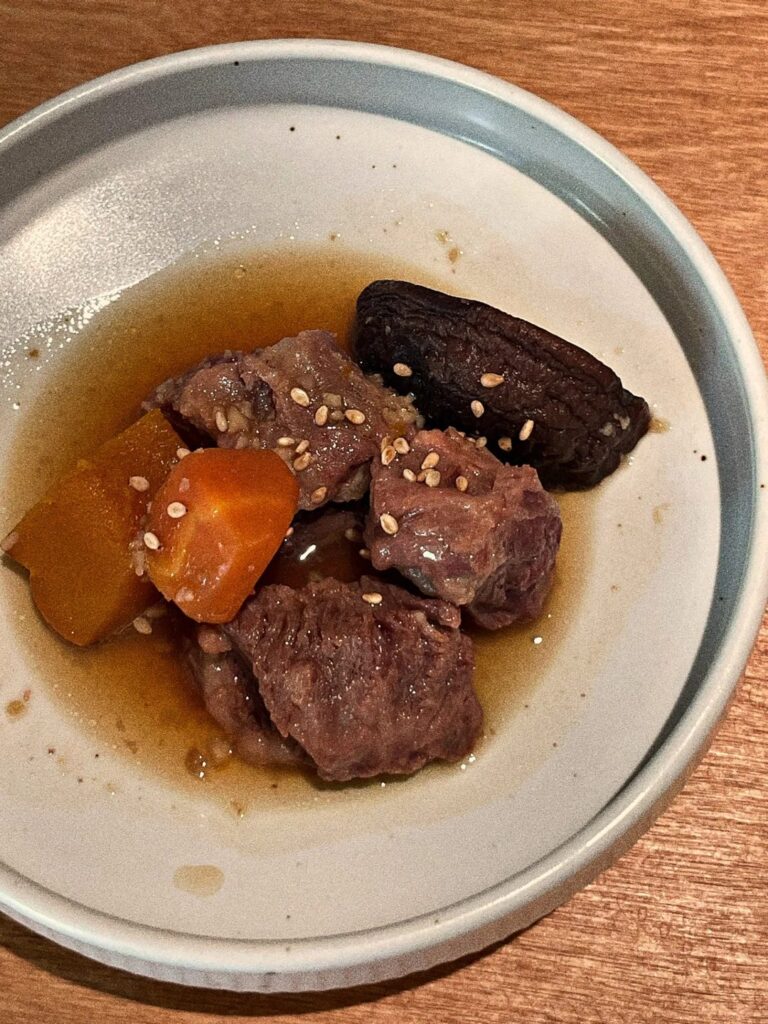
Chef Kim Sung-heon’s Mirak Super moved to a new space this year. At first, the new place, in a residential alley, feels a little tight, but it suits the food better than before. When the meal starts, a bell rings and the curtain hiding the kitchen rises, a fun bit of staging to open the course.
Throughout the meal, they explained the tableware, ingredients and techniques carefully, which made the food more fun to eat. Each dish was well made overall. The croaker swim bladder was nutty and chewy, and the croaker jeon (pan-fried fish) was memorable too. In the egg dish, the white was turned into meringue and the yolk cured in doenjang, with an onion sauce underneath; the seasoning was right and the textures layered nicely.
For the rice course, the white rice was Hwaseong Suhyangmi, whose nutty aroma went especially well with the meat. In addition, the pickles woke up the appetite, and pork belly with nurungji (crispy rice) was even more savory. Still, while every dish was tasty, they felt a bit separate rather than flowing as one course, and the space did not yet show a strong brand identity. Even so, I ate well and enjoyed hearing the stories behind the plates.
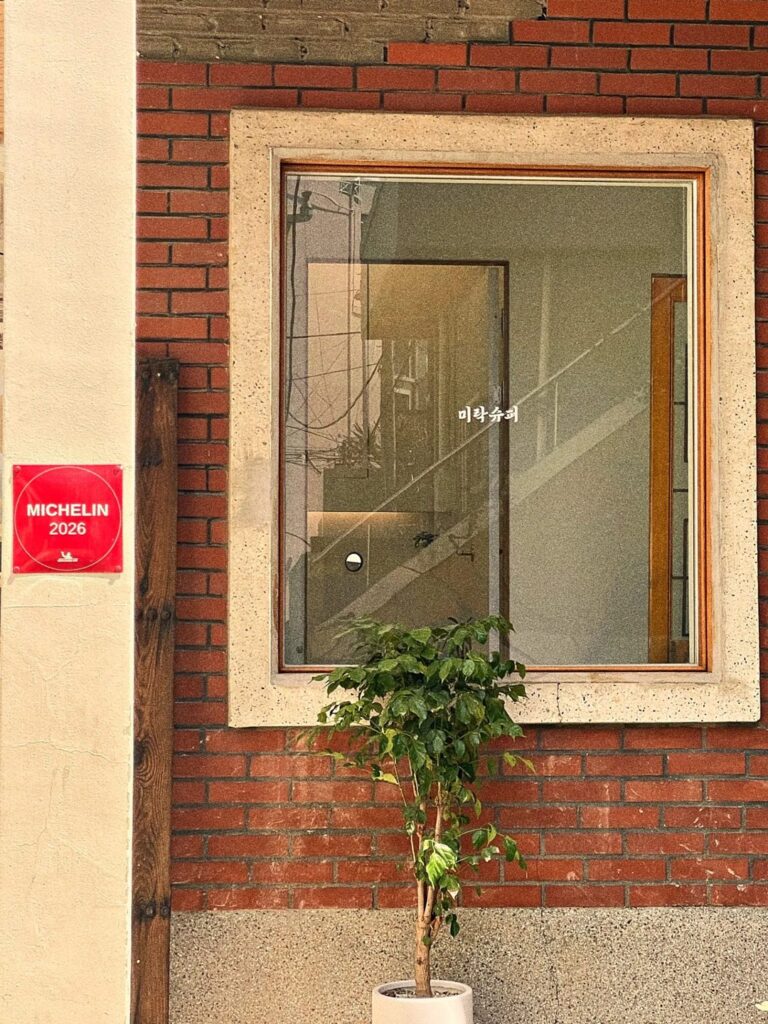
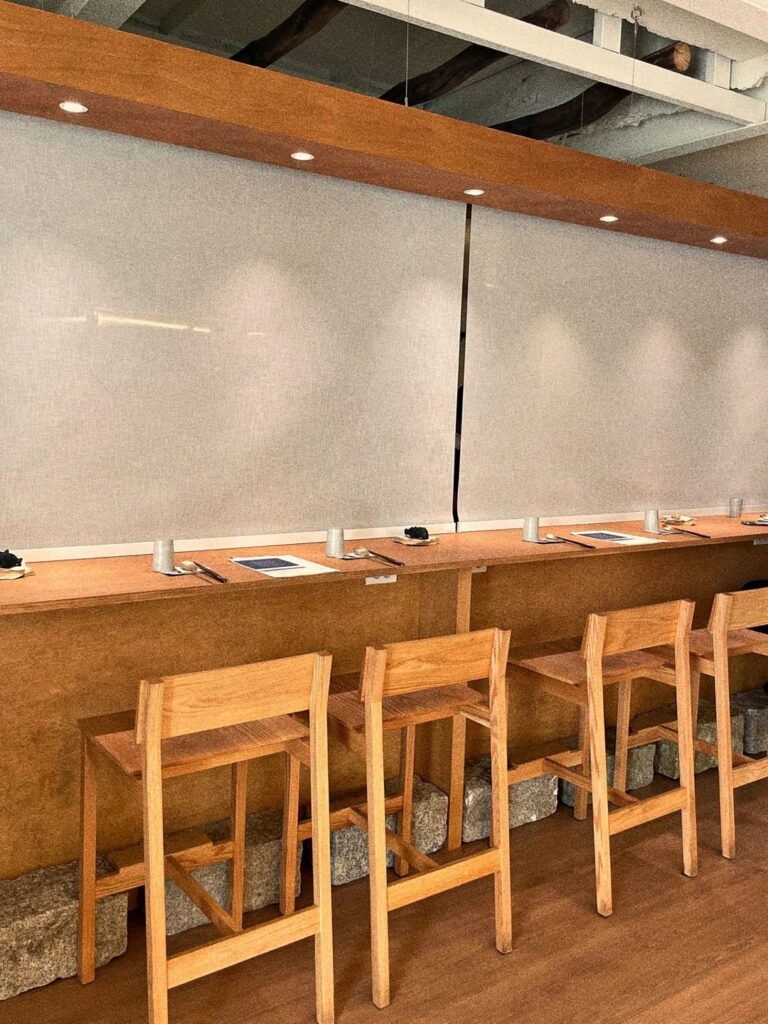
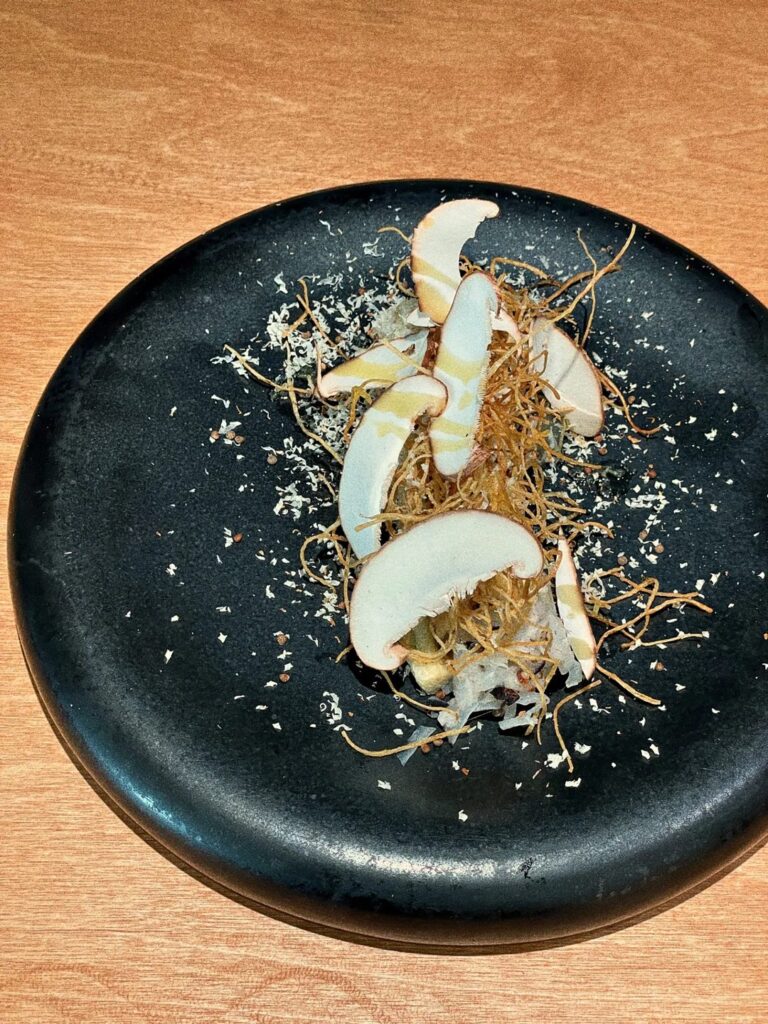
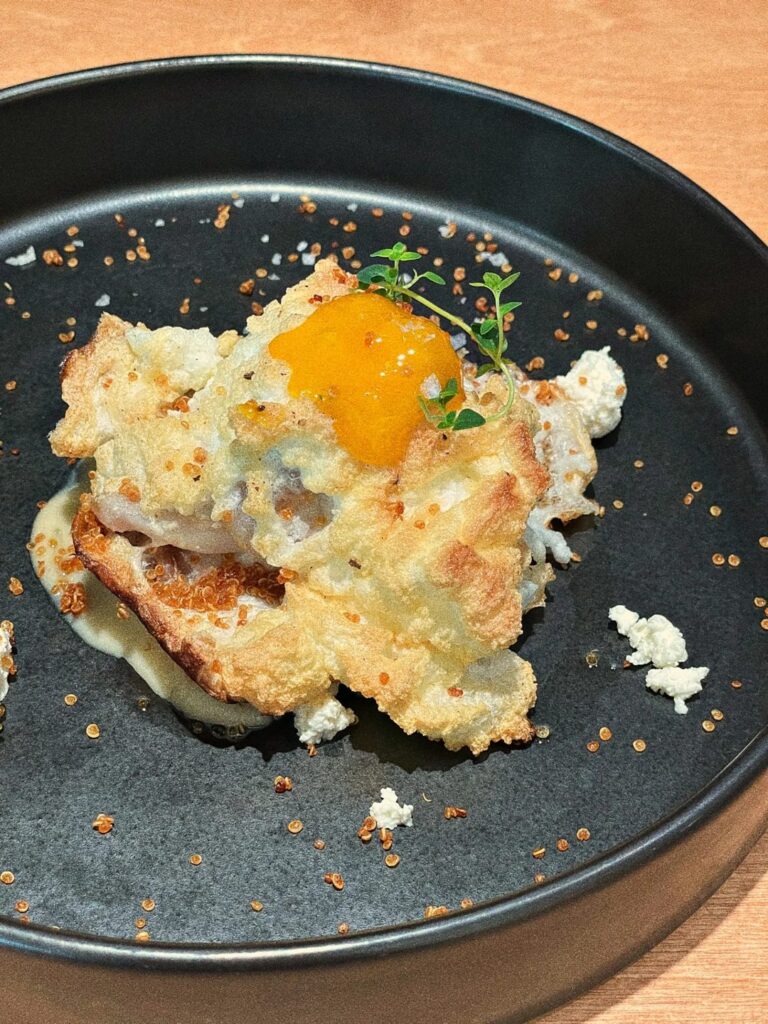
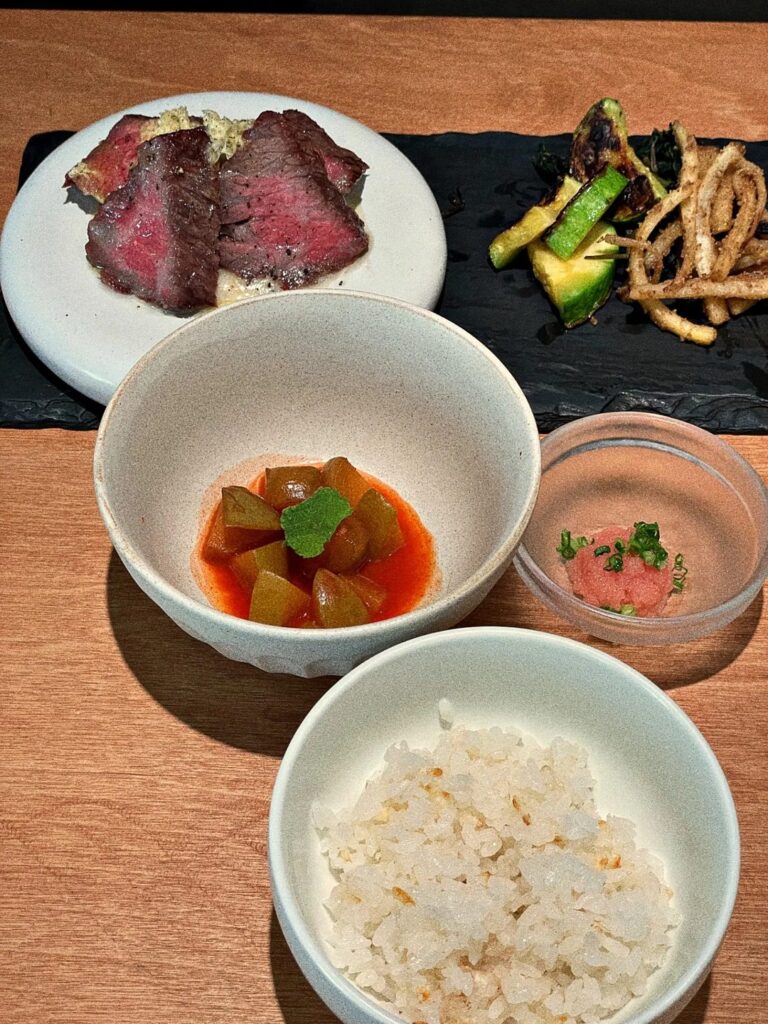
- Revitguide lists the new location at 24-8 Millak-ro, Suyeong-gu (부산 수영구 민락로 24-8). Older listings, including the MICHELIN page, show the previous address (민락본동로31번길 46), so check CatchTable or Naver Map before you go.
- Listed in the MICHELIN Guide Seoul & Busan 2026; bookings on CatchTable
- Map: Open in Naver Map
- Original review on Revitguide
Zero Base (제로베이스)
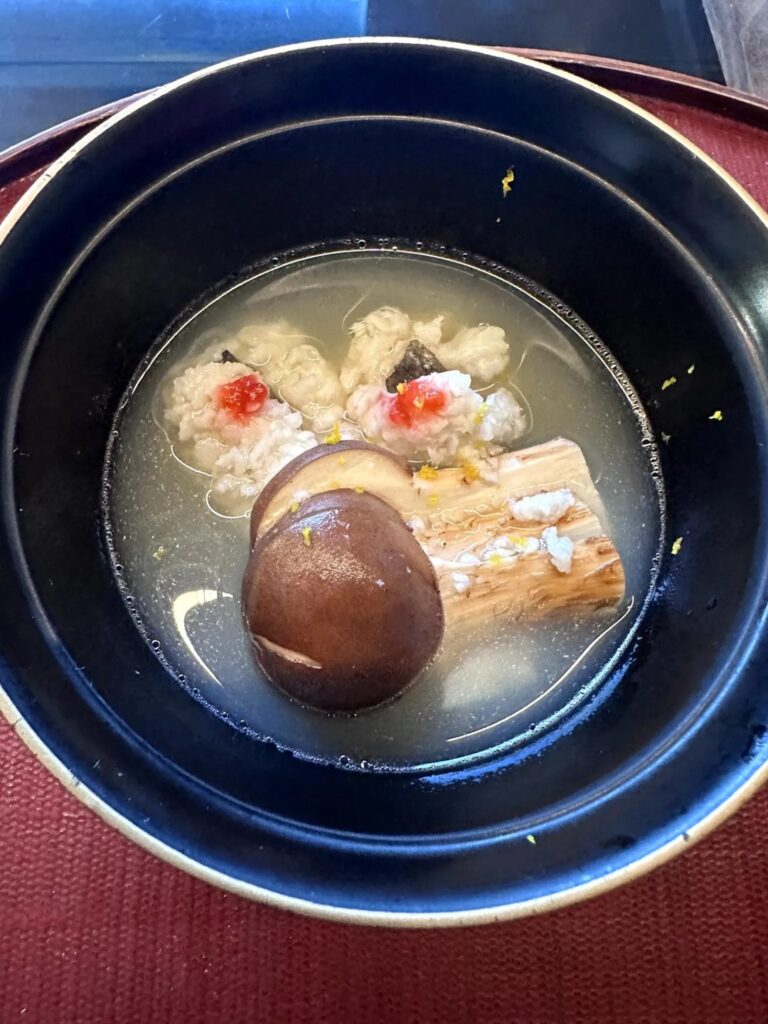
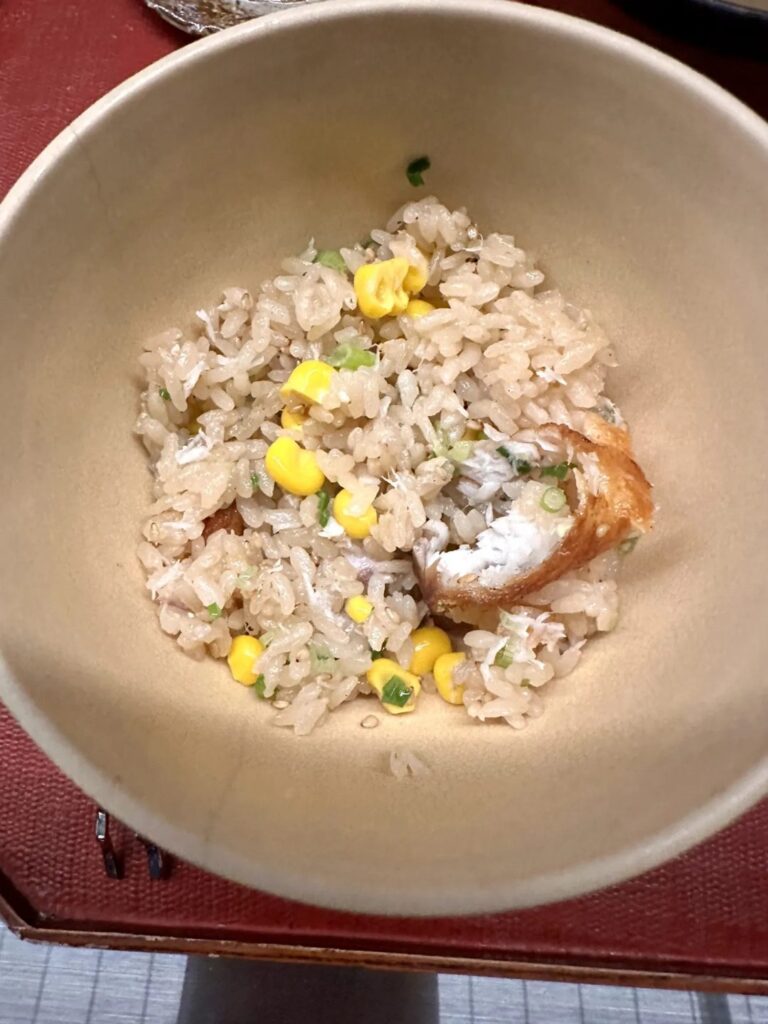
With just eight counter seats, you can eat at an unhurried pace, and the room itself makes you feel well looked after. I had a course built around a clear soup and pot rice. Most of the course was fish, so the ingredients lean one way, but each plate was steady.
Since ingredients overlap, however, the second half can feel a little monotonous. Even so, eating slowly at an eight-seat counter is the real charm here.
- Address: Millak-ro 33beon-gil, Suyeong-gu (부산 수영구 민락로33번길)
- Listed in the MICHELIN Guide Seoul & Busan 2026
- Map: Open in Naver Map
- Original review on Revitguide
Matsuzaki (마츠자키)
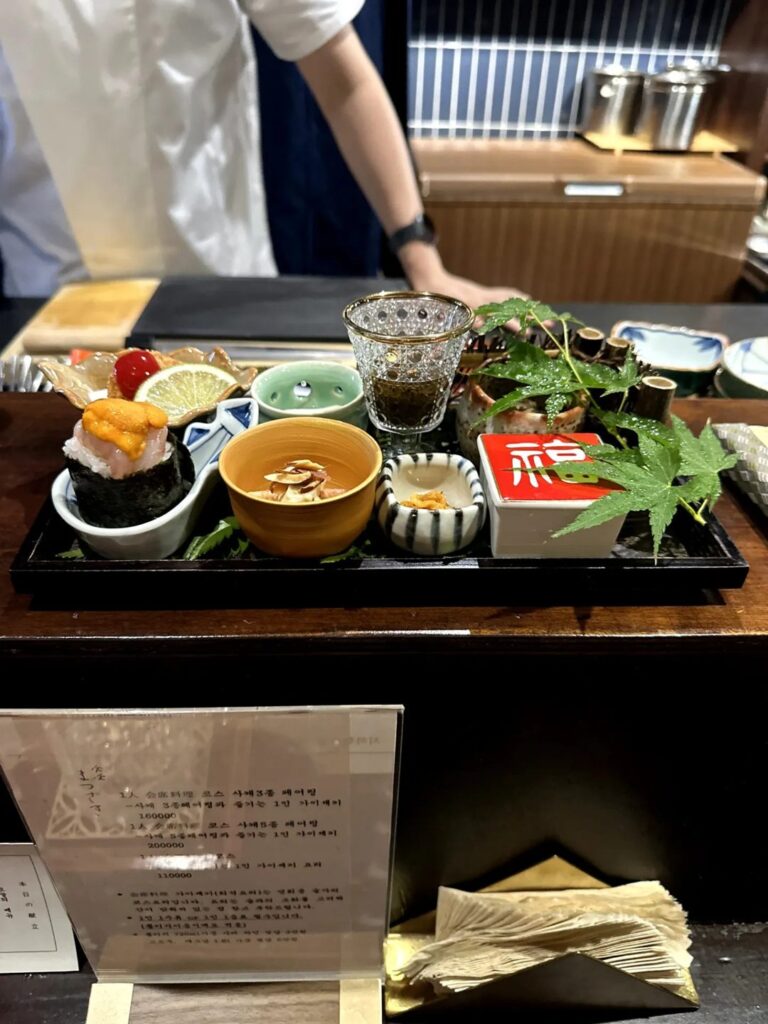
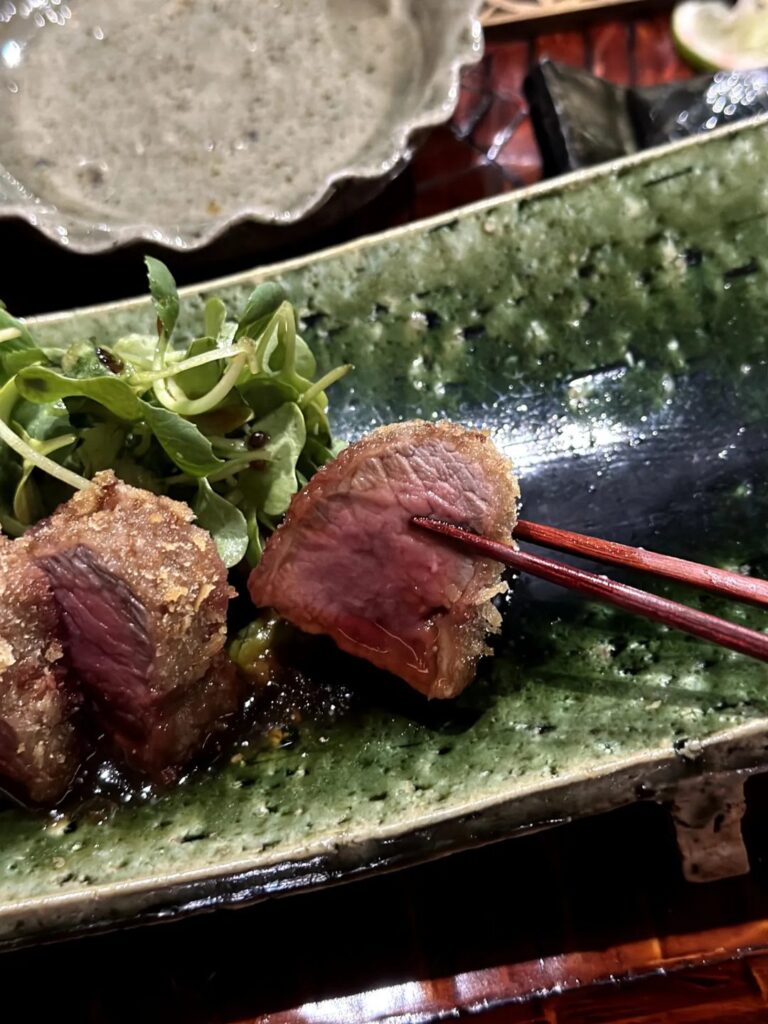
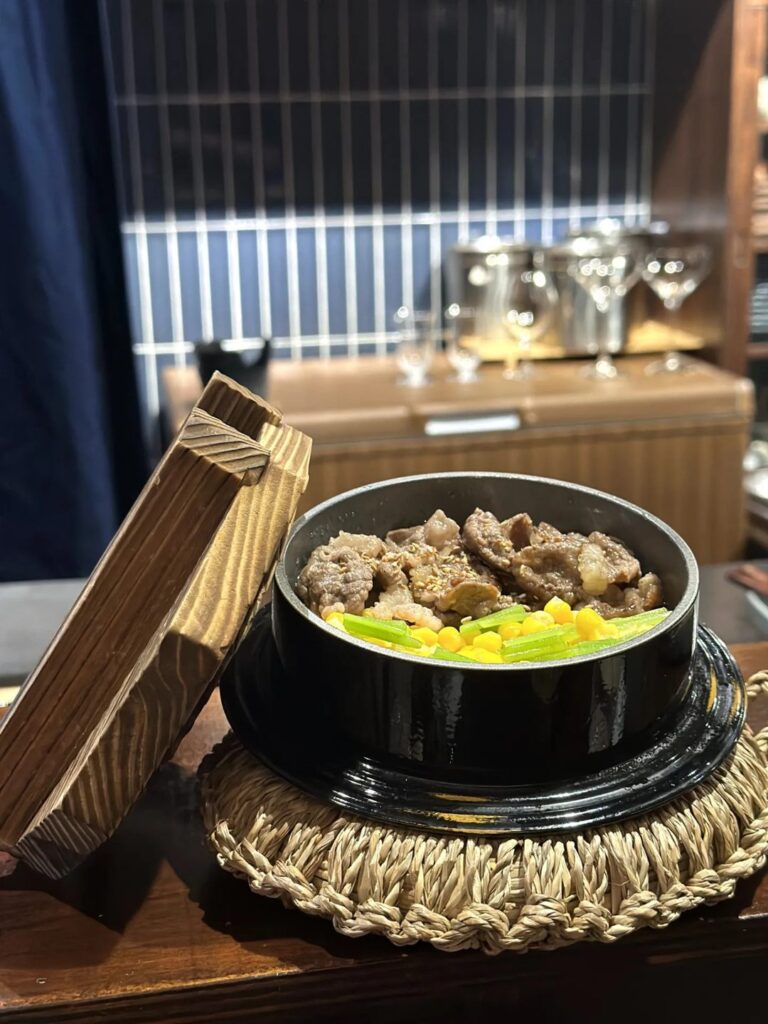
A small, cozy wood-toned room that suits a quiet conversation. The course is generous, so you leave properly full. Rather than flashy individual plates, it shows steady flavor across the whole meal. All in all, a good option when you want to try a kaiseki course at a lighter price.
- Address: 10 Suyeong-ro 582beon-gil, Suyeong-gu (부산 수영구 수영로582번길 10)
- New in the MICHELIN Guide Seoul & Busan 2026; seatings at 18:00 and 20:30 via CatchTable, closed Sundays (Busan city government)
- Map: Open in Naver Map
- Original review on Revitguide
Nuoto (누오토)
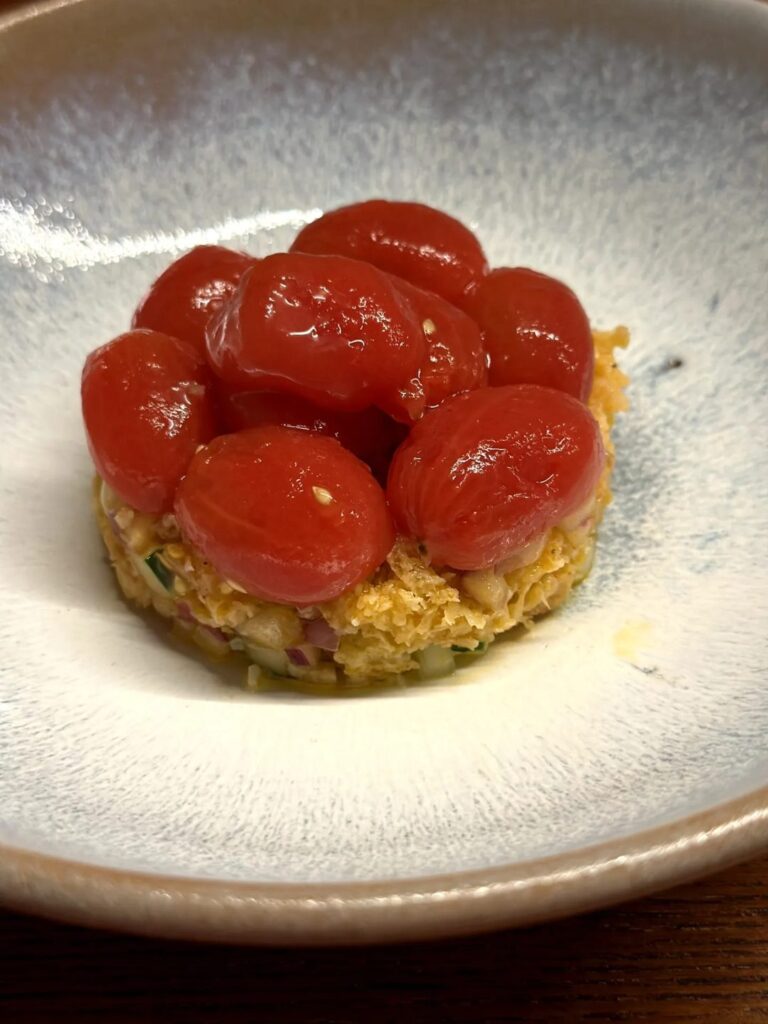
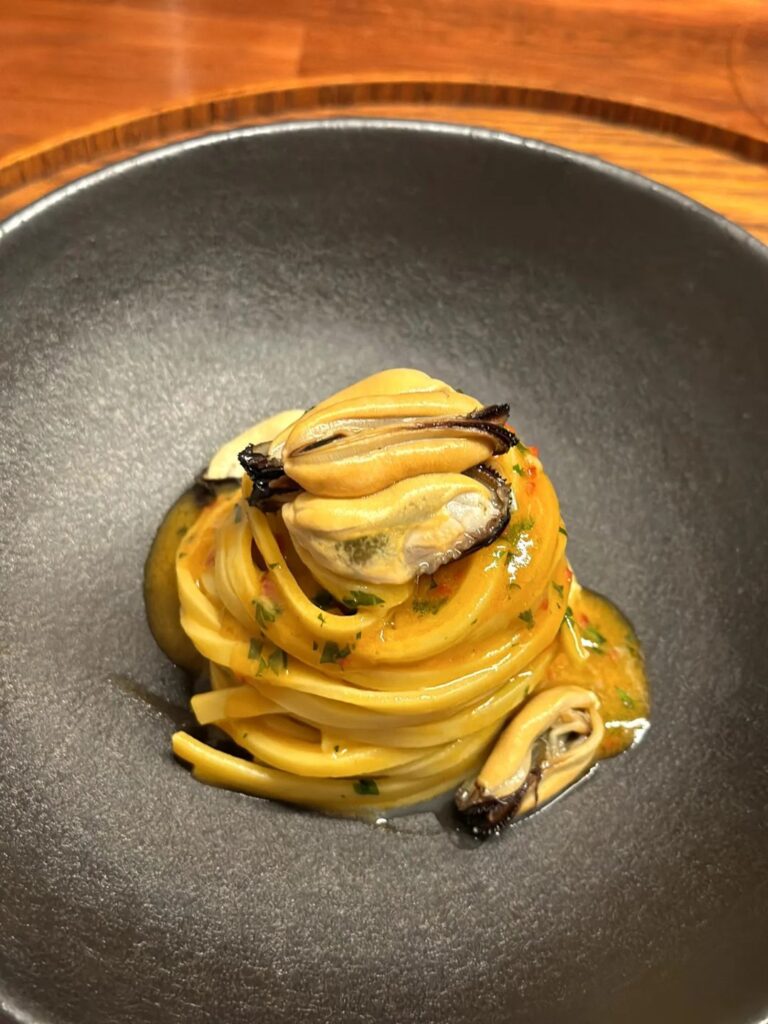
An Italian place run by the owner alone. Because it is a one-person kitchen, it takes a while for cooking to start after you order, but watching the dishes come together in front of you keeps it from feeling slow.
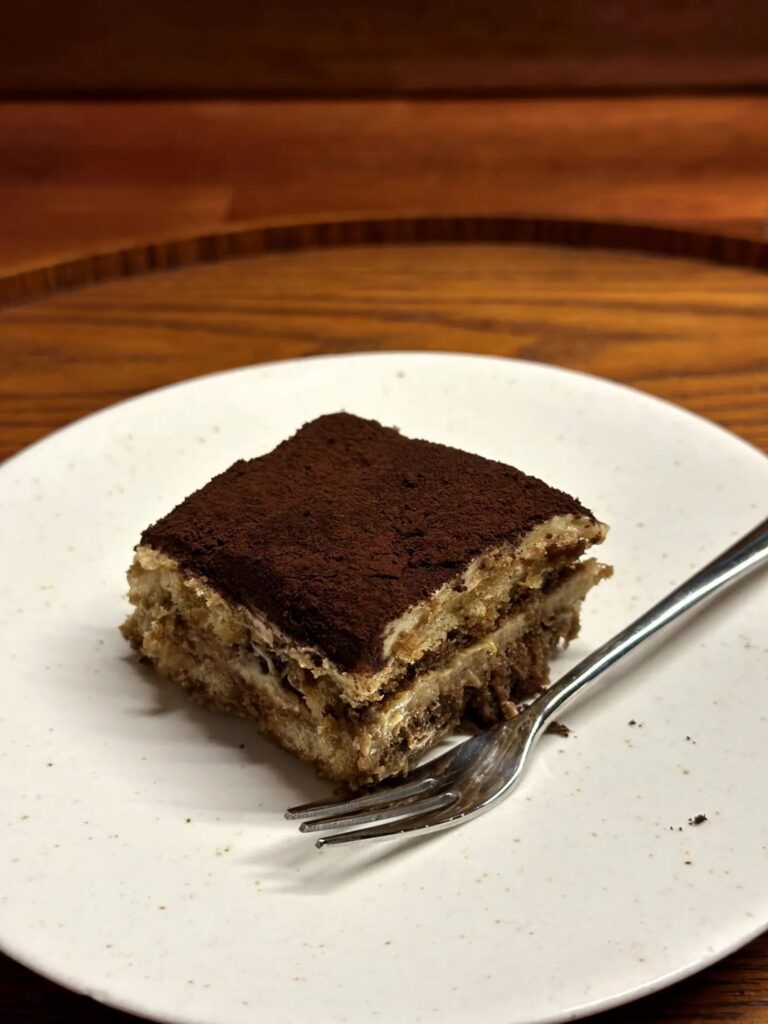
For example, my meal ran from a tartare to mussel linguine and tiramisu. Better yet, it is corkage free, so you can bring a bottle of wine to drink with the food. A good spot for a slow meal in a small room.
- Address: 68-2 Suyeong-ro 652beon-gil, Suyeong-gu (부산 수영구 수영로652번길 68-2)
- Map: Open in Naver Map
- Original review on Revitguide
Hanwoo Near Gwangalli Beach: Cheolma Hanwoo Roast
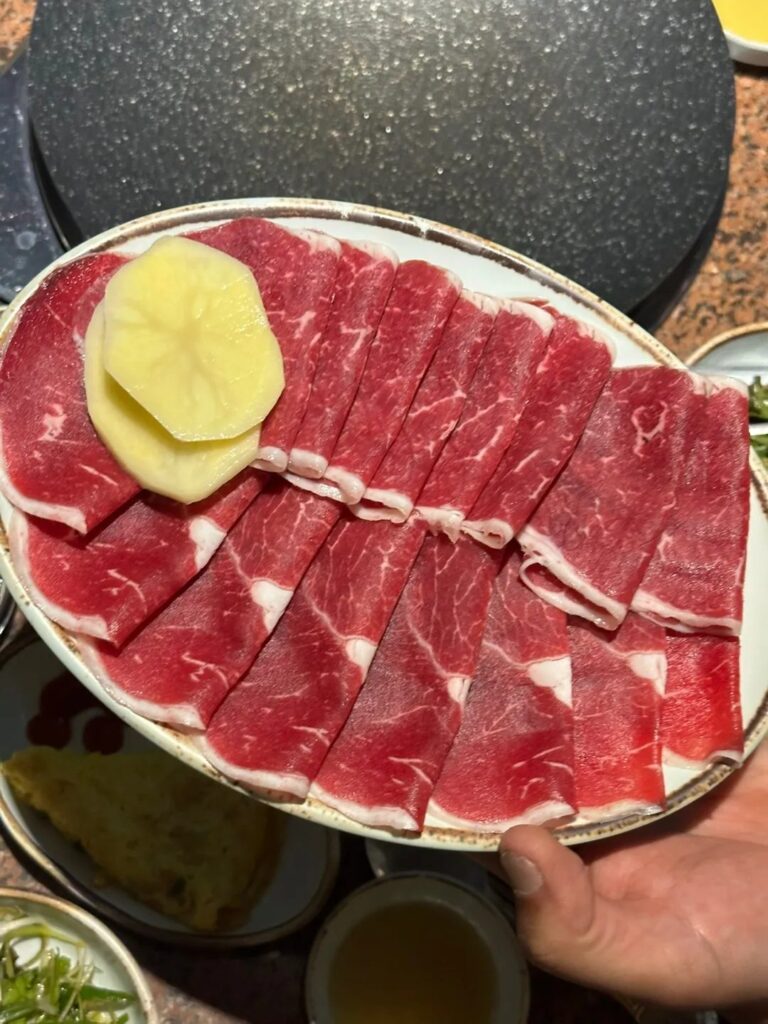
Gwangalli has plenty of barbecue places, but this one is a little different. Instead of thick steak-style hanwoo, the meal centers on thinly sliced sirloin (deungsim roast). At first I wondered if it was too thin, but after one bite I understood why.
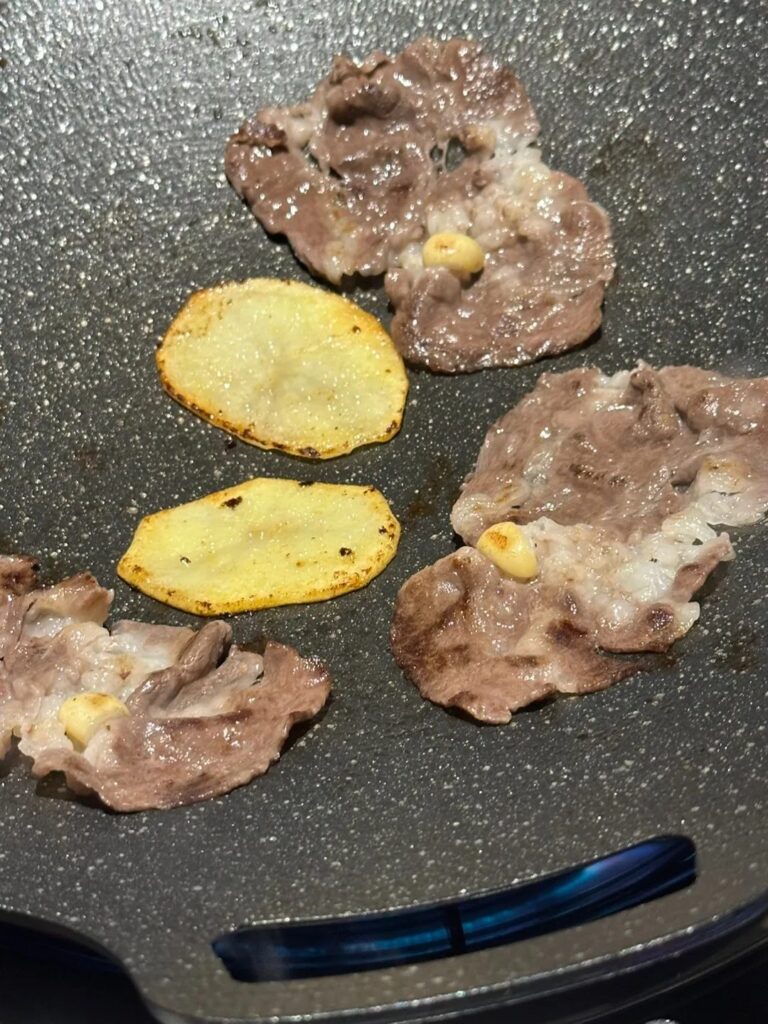
First, the staff spread the beef across the pan and grill it for you, with kimchi and potato in the middle cooking slowly in the beef fat. Then, to eat it, lay grilled kimchi and potato on a slice of beef and roll it up. The beef is so tender it falls apart before you chew, and the kimchi’s tang and the potato’s mildness bring out the nutty beef flavor. Salted bean leaves (kongip) and green onion salad matched it well too.
On top of that, the beef radish soup that comes with the meal was more than a formality, with plenty of beef and a clear, slightly spicy broth. Next, do order the doenjang stew: it is loaded with bangah leaves and beef, much heavier than a usual doenjang jjigae. Finally, the fried rice at the end, cooked in the beef fat, tastes like the fried rice I grew up with. If you want a meal at Gwangalli that is not raw fish, eating hanwoo sirloin this way is worth remembering.
- Address: 33-9 Millak-dong, Suyeong-gu (lot address, 부산 수영구 민락동 33-9)
- Map: Open in Naver Map
- Original review on Revitguide
Worth the Detour: Osori Sundae in Yeonsan-dong
Osori Sundae is not near the beach. It sits on Geoje-daero in Yeonje-gu, inland from Gwangalli, so plan on a taxi or subway ride and check the route on Naver Map. For more on this dish, see our guide to Korean sundae.
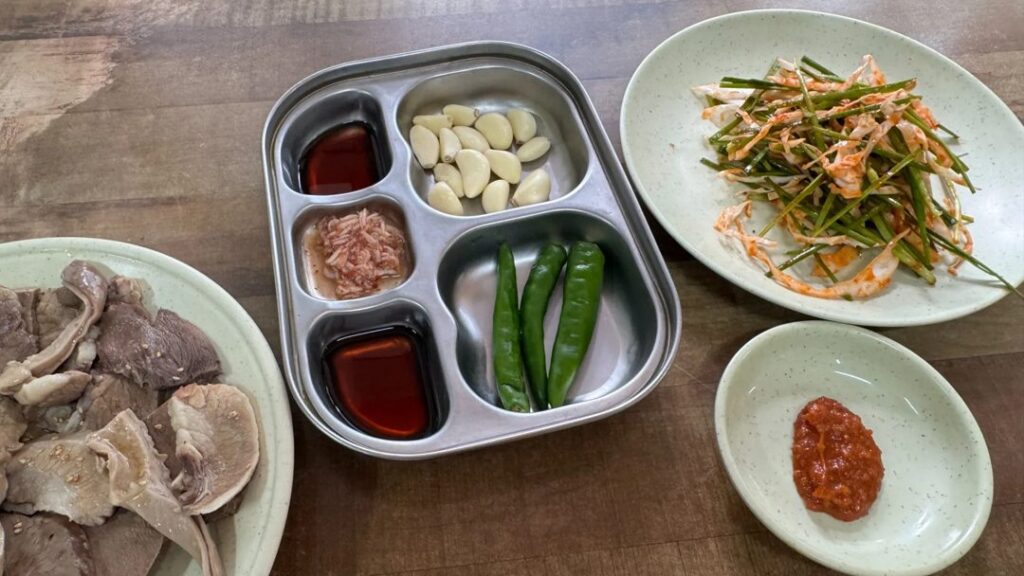
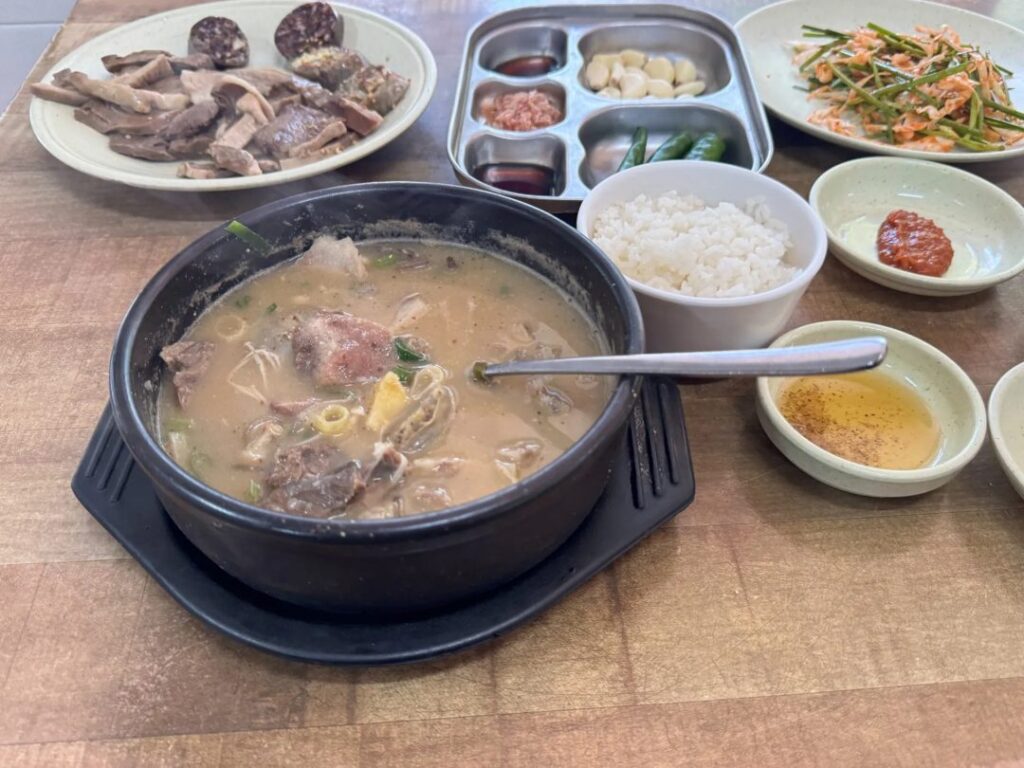
First, the assorted sundae comes with special cuts and offal you rarely see elsewhere, so there is a lot to discover on one plate. Next, the sundae gukbap has perilla seed aroma rising right off the broth; the nuttiness anchors the soup without making it too salty, so it goes down easily to the end. On the side, seasoned chives were a surprise favorite. Although the side dishes are simple, they balance the gukbap well. However, the sundae itself felt a bit soft, which may divide people. Still, it is a place worth seeking out in Busan if sundae is your goal.
- Address: 162 Geoje-daero, Yeonje-gu (부산 연제구 거제대로 162)
- Map: Open in Naver Map
- Original review on Revitguide
Tips for Eating Near Gwangalli Beach
- Use the CatchTable app for Tonshou’s waitlist and for the small counter restaurants. Popular counters often open bookings weeks ahead.
- On drone-show Saturdays, eat early or after the second show; the beachfront gets crowded.
- Parking is tight. Tonshou has a small public lot (Millak Sea Land Market) nearby, but the subway is easier.
- Courses here run from about ₩50,000 to ₩160,000 per visit in the reviews above; casual lunches stay around ₩20,000.
Planning more of Busan? See our Busan food guide, the fine dining picks in Busan, Busan cafes and brunch, and a deep dive on dwaeji gukbap.
FAQ
What is the nearest subway station to Gwangalli Beach?
Geumnyeonsan Station on Busan Metro Line 2 is closest, about five minutes on foot from Exit 3. Gwangan Station (Exits 3 and 5) is a 10 to 15 minute walk.
When is the Gwangalli Beach drone show?
Every Saturday night, for free: 20:00 and 22:00 from March to September, and 19:00 and 21:00 from October to February. It can be cancelled for weather.
How long is the wait at Tonshou near Gwangalli Beach?
It can take hours. On my visit, remote number 190 meant sitting down in the late afternoon. The on-site list opens at 10:00 for 60 teams and the online list at 11:00.
Are there restaurants near Gwangalli Beach that are not raw fish?
Yes. This guide covers tonkatsu, Taiwanese noodles, bibimbap, makguksu, eel rice, yakitori, Japanese and Italian courses, and hanwoo barbecue, all within Suyeong-gu.
Do I need reservations for dinner near Gwangalli Beach?
For the small counter restaurants (Yakitori Haegong, Mirak Super, Zero Base, Matsuzaki), yes. Book on CatchTable or by phone before your trip.
We checked prices and hours in November 2026, and they can change. Check Naver Map before you go.